
Radhanagari
Destination in Maharashtra
Radhanagari is a serene town nestled in the southern reaches of Maharashtra's Kolhapur district, surrounded by the dense forests and rolling hills of the Western Ghats. Celebrated for its rich biodiversity, historic dam, and wildlife sanctuary, it draws nature lovers, birdwatchers, and travelers seeking quiet landscapes. The region serves as a sanctuary for the Indian bison and offers a refreshing look into the rustic charm of rural Maharashtra.
Getting there
By road
- From Pune6 hr 10 min · 281 km
- From Mumbai 9 hr 20 min · 472 km
Typical drive times without traffic. Stations and airports from OLA Maps; distances and typical drive times from OpenStreetMap (© OpenStreetMap contributors); notes from creators' Reels.
About Radhanagari
Written with AI from map data and general knowledge. Check prices and timings locally before you go.
About Radhanagari and Its Heritage
Radhanagari is set against the backdrop of the Sahyadri mountain range in south-western Maharashtra. The town holds historical significance linked to the visionary ruler of Kolhapur, Chhatrapati Shahu Maharaj, who initiated the construction of the Radhanagari Dam across the Bhogavati River in the early twentieth century. Built primarily for irrigation and hydro-electric power, the reservoir—often referred to as Laxmi Talav—transformed the agricultural landscape of the surrounding plains and created a thriving ecosystem for local fauna.
Beyond its engineering heritage, Radhanagari is an ecological treasure. The surrounding forested hills form a vital wildlife corridor linking the forests of Maharashtra with those of Goa and Karnataka. The town itself retains an unhurried, pastoral rhythm where traditional farming communities live in close proximity to rich, untamed jungle. For visitors, it offers a stark and welcome contrast to the bustling urban centres nearby.
Wildlife and Nature in Radhanagari
The primary highlight of the area is the Radhanagari Wildlife Sanctuary, recognized as a UNESCO World Heritage site under the Western Ghats cluster. The sanctuary is famously known as a protected habitat for the Indian bison, locally known as the gaur. These massive, muscular herbivores can often be observed grazing in clearing meadows or around water bodies during the quiet hours of early morning and late afternoon.
The diverse forest cover ranges from semi-evergreen to moist deciduous woods, harboring a wide variety of wildlife beyond the gaur. Sambar deer, barking deer, wild boars, Indian giant squirrels, and leopards inhabit these woods, alongside a vibrant array of reptile species. Birdwatchers will find Radhanagari particularly rewarding, with opportunities to spot hornbills, nightjars, flycatchers, and several species of raptors soaring above the canopy. During the monsoon and early post-monsoon months, the forest undergrowth comes alive with countless flowering herbs, wild mushrooms, and fluttering butterfly varieties.
Read more
Things to Do in Radhanagari
Exploring the wilderness is the centerpiece of any journey to Radhanagari. Taking a safari or driving along designated forest routes offers travellers a chance to experience the dense canopy and spot wildlife in their natural habitat. Watchtowers and designated viewpoints inside and around the sanctuary edge provide expansive views across the verdant hills and clearings where animals gather to feed.
Visiting the historic Radhanagari Dam and its vast backwaters is another rewarding activity. Walking along the reservoir perimeter lets you take in the panoramic water vistas framed by forested slopes. Nature walks along peripheral forest trails, village walks through nearby hamlets, and seasonal birding excursions offer slow, immersive ways to absorb the natural rhythms of the region. Photography enthusiasts will find ample inspiration in the shifting mist, dramatic cloudscapes, and rich flora of the Sahyadri range.
Places to Visit Nearby
The region around Radhanagari offers a wealth of day-trip possibilities covering heritage forts, dramatic viewpoints, and scenic water bodies. About twenty-three kilometers away lies Gaganbawda Ghat, a high mountain pass known for its sweeping vistas of the Konkan coastline below and its refreshing mist-shrouded viewpoints. Perched nearby on an isolated hill is Gagangad Fort, offering both historical ruins and panoramic vantage points across the surrounding valleys.
Water lovers can take a relaxing excursion towards the Tulsi River, which meanders through lush rural terrain, or travel roughly thirty-five kilometers to witness Napne Waterfall, an impressive seasonal cascade that tumbles down rocky tiers during and shortly after the rains. Historic temples like the cave shrine of Palsambe Ramling and the revered Katyani Devi Temple showcase the deep spiritual roots of the district. Those willing to venture slightly further north toward Kolhapur can explore Mudagad Fort, the heritage displays at Siddhagiri Museum, and the tranquil shores of Kalamba Lake.
Best Time to Visit Radhanagari
Radhanagari experiences three distinct seasons: a warm summer, a lush and rainy monsoon, and a pleasant, cool winter. The winter months from October to February are generally considered the best time to visit for outdoor exploration and wildlife sightings. During this period, the weather remains cool and comfortable throughout the day, skies are clear, and animals frequently visit waterholes, making wildlife spotting relatively easy.
The monsoon season, lasting from June through September, brings intense rainfall that turns the entire landscape an intense shade of green. Waterfalls roar to life, mist clings to the hilltops, and the air is fragrant with damp earth. While heavy rain may cause occasional travel disruptions on forest roads, it is an idyllic season for landscape photographers and solitude seekers. The summer months from March to May can be relatively hot and dry, though mornings and evenings remain tolerable for short drives and quiet walks near the reservoir.
How to Reach Radhanagari
Radhanagari is well connected by road to major towns in southwestern Maharashtra. The prominent city of Kolhapur serves as the main transit gateway and is located roughly fifty kilometers to the northeast. From Kolhapur, regular state transport buses and private taxis ply along the scenic state highway leading directly into Radhanagari.
The nearest railway station is the Chhatrapati Shahu Maharaj Terminus in Kolhapur, which is linked by regular express trains to Mumbai, Pune, Bengaluru, and other major cities. Travelers arriving by air can fly into the domestic airport at Kolhapur, while Goa's international airports and Pune Airport offer broader flight connectivity further afield. Driving to Radhanagari by personal vehicle or hired cab is highly recommended, as having private transport makes it easier to navigate rural roads, forest trailheads, and nearby viewpoints.
Where to Stay and Travel Tips
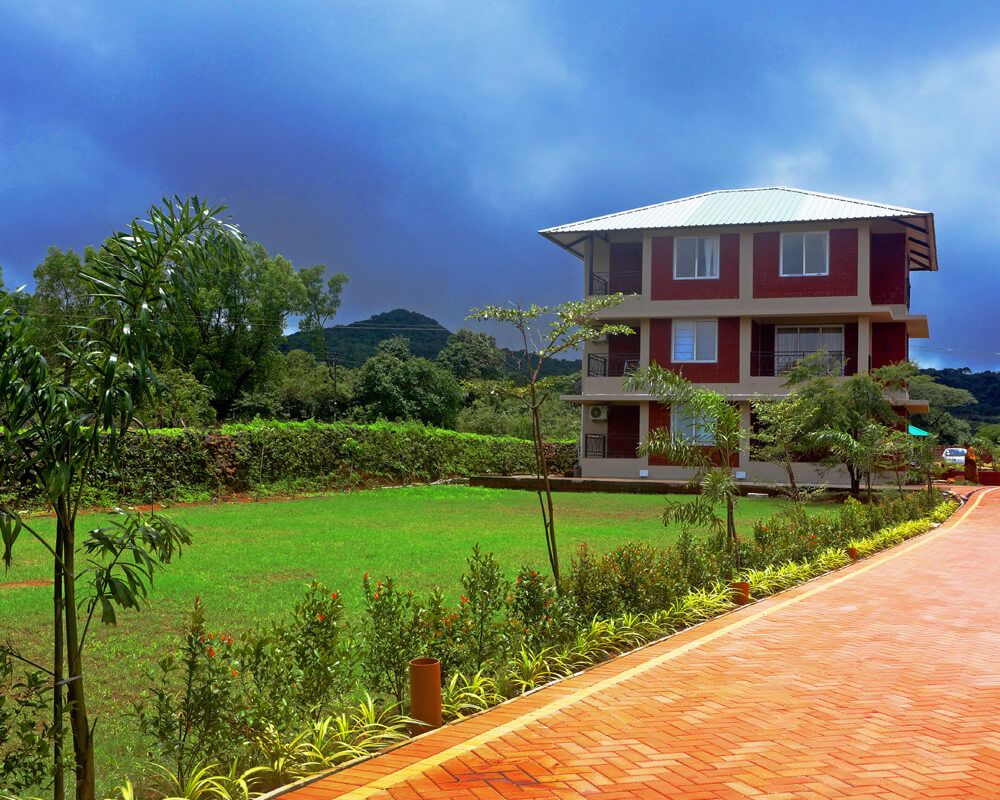
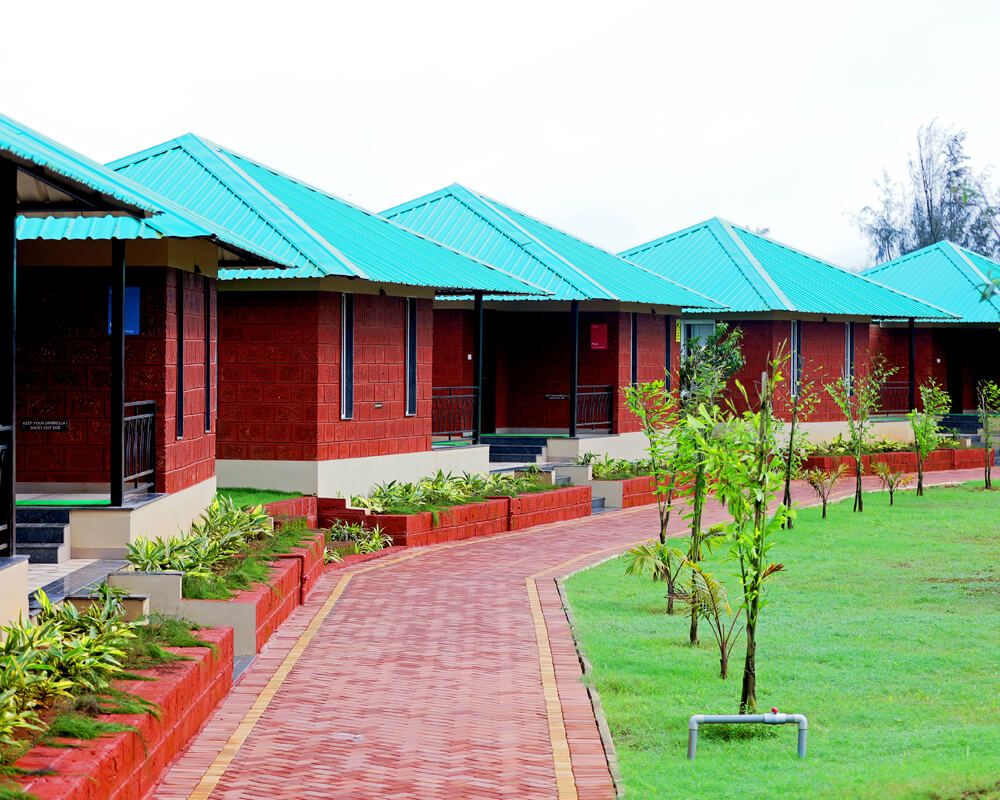
Accommodations near Radhanagari focus heavily on nature-first experiences. Travelers can find comfortable homestays, rustic nature camps, and outdoor getaways in the surrounding valleys and village edges on HireACamp. Staying close to nature allows you to wake up to birdsong and enjoy uninterrupted views of the forested hills.
When preparing for your trip, carry sturdy walking shoes suitable for gravel trails and uneven paths. Earthy or neutral-toned clothing is recommended when visiting the sanctuary, as bright colors can disturb wildlife. Pack a pair of binoculars for birdwatching and wildlife viewing from designated platforms. Mobile network connectivity can be patchy in dense forest sections, so make sure to download offline navigation maps and keep essential contacts handy. Always adhere to forest department regulations, stay on designated paths, and avoid littering to help preserve this sensitive Western Ghats habitat.
Frequently asked questions
What is Radhanagari most famous for?
Radhanagari is most famous for the Radhanagari Wildlife Sanctuary, a critical habitat for the Indian bison (gaur), and for its historic century-old dam built by Chhatrapati Shahu Maharaj.
Which is the nearest airport and railway station to Radhanagari?
The nearest railway station and domestic airport are located in Kolhapur, approximately fifty kilometers away by road.
Is Radhanagari worth visiting during the monsoon?
Yes, the monsoon season transforms Radhanagari into a verdant landscape filled with mist, gushing streams, and active waterfalls, making it ideal for nature walks and photography, though outdoor trails may be slippery.
What animals can you see in Radhanagari Wildlife Sanctuary?
Visitors can see the Indian bison (gaur), barking deer, sambar, wild boars, Indian giant squirrels, various birds of prey, and occasionally leopards in the dense forested corridors.
Where can I stay when visiting Radhanagari?
You can find rustic nature camps, eco-stays, and local homestays in and around Radhanagari through HireACamp.
Where you'll be
2 stays nearby shown with prices
Stays near Radhanagari
Book a place to stay close by
Things to do in Radhanagari
16 places creators recommend within 30 km
Built from 0 Instagram posts by 0 creators. Every tip links back to the post it came from, and where creators disagree we show both sides.






