
Guptkashi
Destination in Uttarakhand
Perched at an elevation of around 1,319 metres in the Rudraprayag district of Uttarakhand, Guptkashi is an ancient temple town overlooking the scenic Mandakini River valley. It serves as a vital staging post for pilgrims and trekkers journeying toward Kedarnath and the higher Garhwal Himalayas. Travellers visit Guptkashi to explore its historic shrines, take in panoramic views of snow-clad peaks like Chaukhamba, and experience the quieter rhythms of mountain life.
Getting there
By road
- From Dehradun4 hr 35 min · 219 km
- From New Delhi7 hr 50 min · 432 km
- From Chandigarh8 hr 15 min · 388 km
Typical drive times without traffic. Stations and airports from OLA Maps; distances and typical drive times from OpenStreetMap (© OpenStreetMap contributors); notes from creators' Reels.
About Guptkashi
Written with AI from map data and general knowledge. Check prices and timings locally before you go.
About Guptkashi and Its Heritage
Guptkashi sits on the lush ridge above the Mandakini River in the Garhwal region of Uttarakhand. The town holds deep mythological and spiritual significance, linked closely to the epic Mahabharata. According to local lore, Lord Shiva concealed himself here from the Pandavas in the form of the bull Nandi before fleeing further up the valley to Kedarnath, giving the town its name, which translates roughly to hidden Kashi.
The town is renowned for the ancient Vishwanath Temple, dedicated to Lord Shiva, which echoes the architectural grandeur of classic north Indian stone temples. Within the same complex stands the Ardhanarishwar Temple, representing Shiva and Parvati as half-man and half-woman. Outside the shrines lies the sacred Manikarnik Kund, where two stone spouts representing the holy rivers Ganga and Yamuna continuously pour fresh spring water into a stone reservoir. Beyond its sacred geography, Guptkashi is an inviting Himalayan settlement lined with terraced fields, rhododendron groves, and slate-roofed traditional homes.
Things to Do in Guptkashi
Spending time in Guptkashi offers a chance to slow down and observe mountain culture away from highway traffic. Visiting the Vishwanath Temple complex early in the morning allows you to witness daily morning prayers and appreciate the stone carvings in tranquil surroundings before transit traffic begins. Sitting by the Manikarnik Kund, listening to the gentle flow of natural spring water, is a deeply grounding experience.
Walking through the upper residential paths of Guptkashi reveals traditional wooden architecture, carved doors, and small vegetable plots tended by local families. On clear mornings and late afternoons, the vantage points along the ridge open up exceptional vistas of the Chaukhamba massif, whose four snow-covered summits catch the changing light of sunrise and sunset. Birdwatching along the forested outskirts is also rewarding, with Himalayan bulbuls, blue whistling thrushes, and magpies frequently spotted flitting across the oak and pine canopy.
Read more
Places to Visit Around Guptkashi
Guptkashi serves as an ideal base for exploring the Mandakini and Madhyamaheshwar valleys. Just across the river lies Ukhimath, the winter seat of the Kedarnath and Madhyamaheshwar deities. Ukhimath is home to the historic Omkareshwar Temple and offers spectacular front-row views of the Kedarnath peak and Chaukhamba range across the gorge.
Further along the mountain road, nature enthusiasts can head to Chopta, often called the gateway to the Tungnath Temple, the highest Shiva shrine in the world, and the summit of Chandrashila. The trek from Chopta through dense forests of oak and deodar reveals sweeping 360-degree views of the Garhwal Himalaya. Another rewarding excursion is Deoria Tal, an alpine lake reachable via a gentle uphill hike from the village of Sari, renowned for its crystal-clear reflections of the surrounding snow peaks.
For travellers bound for Kedarnath, the pilgrimage trail begins further up the valley from Gaurikund, which is easily accessible from Guptkashi by road. Many pilgrims break their journey in Guptkashi to acclimatise before continuing upward on foot or pony.
Best Time to Visit Guptkashi
Guptkashi is accessible throughout the year, but the best times to visit are during the spring and autumn months. From April to June, the weather is pleasant with clear skies, daytime temperatures hovering between comfortable ranges, and vibrant blooms filling the hillsides. This is also the peak pilgrimage window, making the town lively and full of travelling folk.
The monsoon months from July to early September bring heavy rainfall across the Garhwal hills. While the hills turn lush green, the region is prone to landslides, slippery roads, and traffic disruptions along the mountain highways. If travelling during this period, keeping buffer days and checking regional road bulletins is essential.
From late September to November, autumn brings crisp air, exceptionally clear mountain views, and moderate daytime temperatures, making it one of the most rewarding times for photography and quiet exploration. Winter settles in from December to February, bringing cold nights and occasionally frosty mornings, though Guptkashi itself rarely sees heavy snowfall compared to the higher reaches of Chopta and Kedarnath.
How to Reach Guptkashi
Guptkashi is situated along National Highway 107 in the Rudraprayag district and is well connected by road to major transit hubs in Uttarakhand. The nearest railhead and major transit city is Rishikesh, roughly 180 kilometres away, while Haridwar and Dehradun are also common starting points for travellers arriving from other parts of the country. Jolly Grant Airport in Dehradun is the closest airport.
From Rishikesh or Haridwar, the road route winds past Devprayag, Srinagar, and Rudraprayag, following the course of the Alaknanda and Mandakini rivers. Driving typically takes between seven to nine hours depending on traffic and seasonal road conditions. State transport buses, shared jeeps, and private taxis run regularly from Rishikesh and Haridwar towards Guptkashi and Sonprayag.
For those travelling onwards to Kedarnath, Guptkashi and nearby villages in the valley also feature helipads operated seasonally for shuttle flights to the shrine, making the town an important logistical centre during the pilgrimage season.
Tips for Your Visit
Because Guptkashi lies on a major transit corridor, traffic can pick up significantly during the peak pilgrimage months from May to June and October. Starting early in the morning for onward road journeys helps you avoid bottlenecks near major river crossings and checkposts.
Pack layered clothing even during summer, as evenings and early mornings in the hills can turn chilly quite suddenly. Sturdy walking shoes with good grip are recommended for exploring temple stone courtyards and walking along unpaved village lanes.
Carry adequate cash with you, as local automated teller machines can sometimes run out of funds or experience network dropouts during peak tourist footfall. Cell connectivity on major Indian networks is generally reliable in and around Guptkashi, though signals can fluctuate as you drive deeper into side valleys.
Where to Stay in Guptkashi
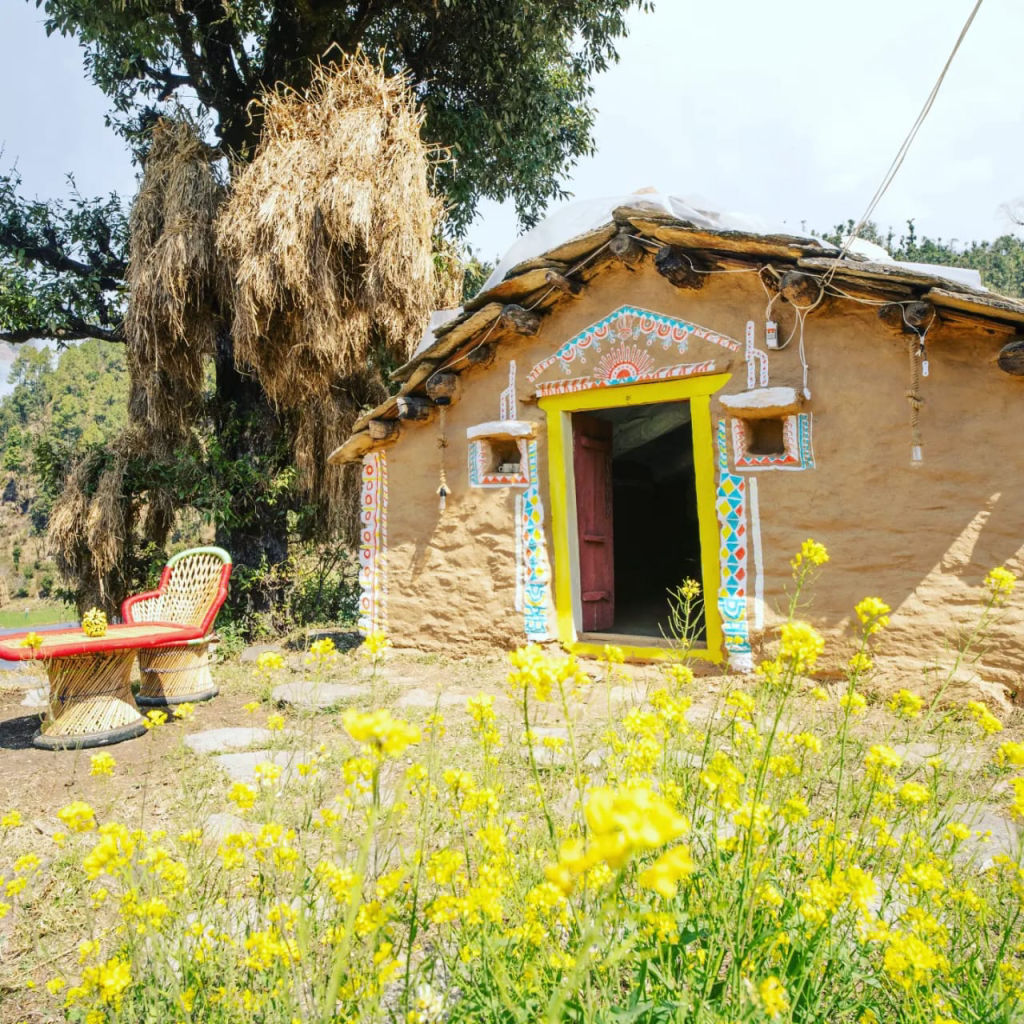
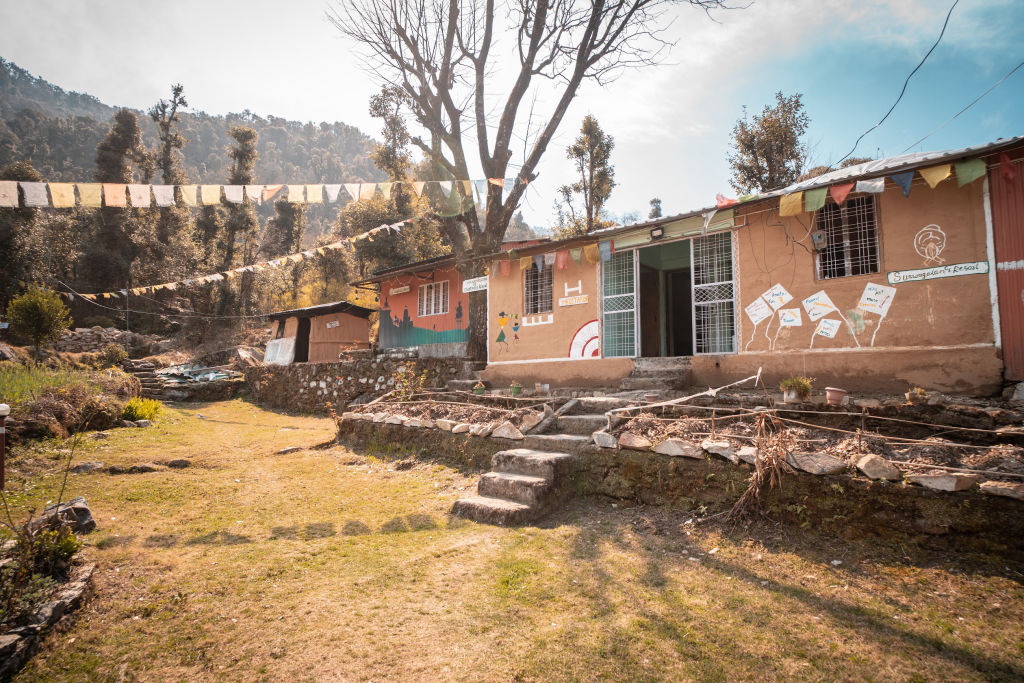
Guptkashi offers a variety of accommodation suited to different styles of travel, from basic lodges meant for overnight transit to tranquil homestays tucked away on valley-facing slopes. Staying in or around the town allows you to experience traditional Garhwali hospitality and savour locally cooked meals prepared with regional grains and pulses.
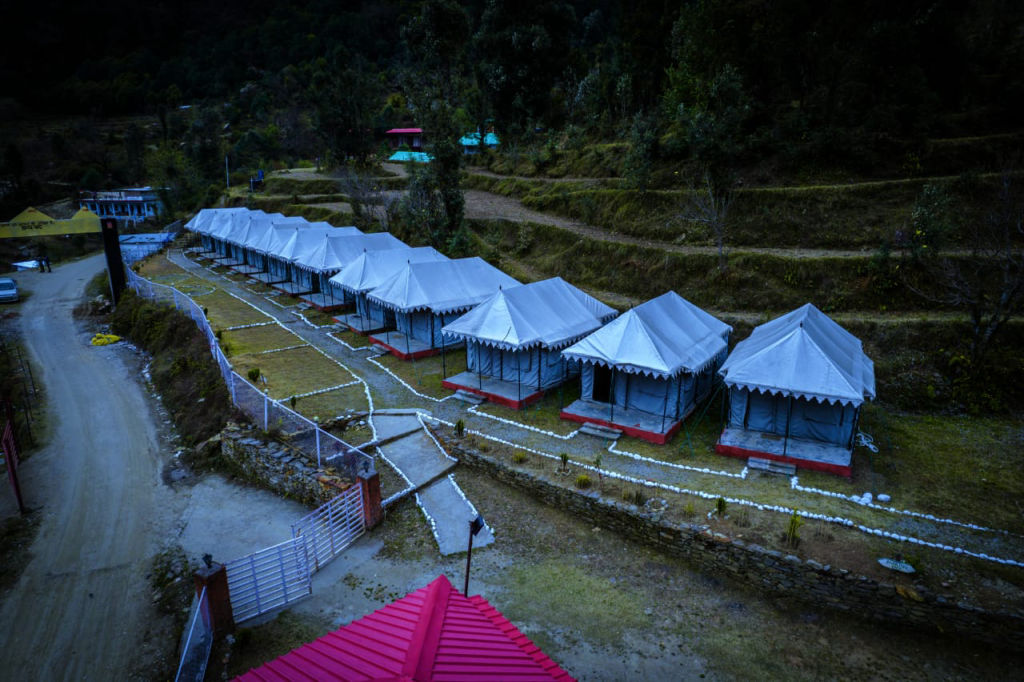
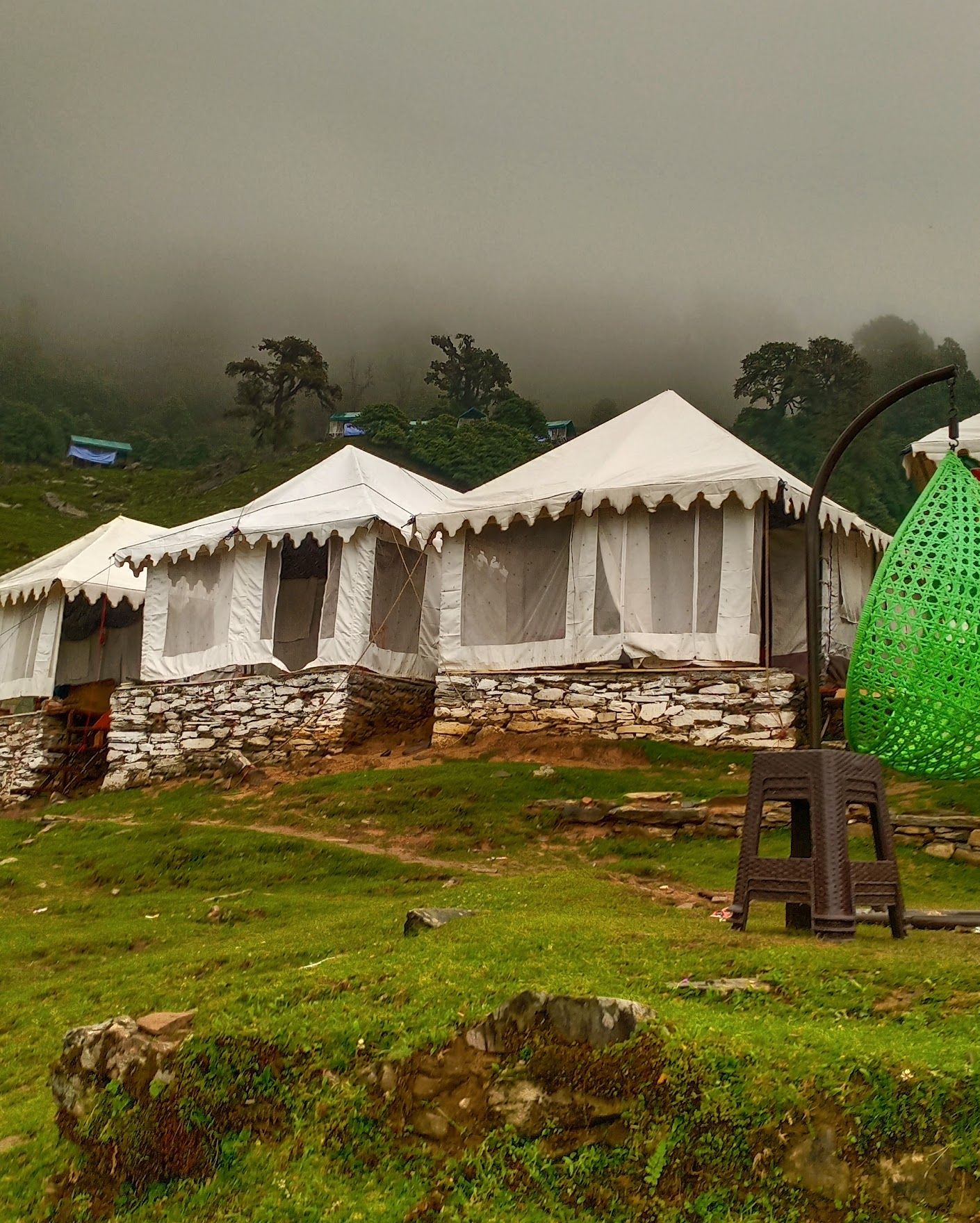
Those looking for immersion in nature can find pleasant riverside campsites, hillside cottages, and rural homestays located along the outskirts of the town and neighboring hamlets. You can find well-curated camps, homestays, and other verified stays in and around Guptkashi on HireACamp to suit your travel schedule.
Frequently asked questions
Why is Guptkashi famous?
Guptkashi is famous for its ancient Vishwanath and Ardhanarishwar temples, the Manikarnik Kund, and its role as a key stopover for travellers heading to Kedarnath.
How far is Kedarnath from Guptkashi?
Gaurikund, the starting point for the trek to Kedarnath, is roughly thirty kilometres up the valley from Guptkashi, followed by the uphill mountain trail to the shrine.
Can you see snow peaks from Guptkashi?
Yes, on clear days, Guptkashi offers magnificent views of the snow-clad Chaukhamba peaks across the Mandakini valley.
Does it snow in Guptkashi?
Guptkashi rarely experiences heavy snow due to its moderate altitude, but the winter weather is cold and nearby higher places like Chopta receive significant snowfall.
How can I book stays in Guptkashi?
You can explore and book local camps, nature retreats, and verified homestays in and around Guptkashi directly on HireACamp.
Where you'll be
4 stays nearby shown with prices
Stays near Guptkashi
Book a place to stay close by
Things to do in Guptkashi
48 places creators recommend within 30 km
Built from 0 Instagram posts by 0 creators. Every tip links back to the post it came from, and where creators disagree we show both sides.






