
Kalimath Temple
Temple near Guptkashi, Uttarakhand
4.4 km from Guptkashi
The nearest town, for stays, food and fuel.
Kalimath Temple is a sacred Hindu shrine dedicated to Goddess Kali, located near Ukhimath in the Rudraprayag district of Uttarakhand. Situated along the banks of the Saraswati River in the Garhwal Himalayas, it is revered as a significant Shakti Peetha where the deity is worshipped in a unique form without an idol. Pilgrims and travellers visit to experience its ancient spiritual aura and the tranquil mountain environment.
Getting there
By road
- From GuptkashiNearest town33 min · 13 km
- From Dehradun4 hr 50 min · 223 km
- From New Delhi8 hr 10 min · 435 km
- From Chandigarh8 hr 30 min · 392 km
Typical drive times without traffic. Stations and airports from OLA Maps; distances and typical drive times from OpenStreetMap (© OpenStreetMap contributors); notes from creators' Reels.
About Kalimath Temple
Written with AI from map data and general knowledge. Check prices and timings locally before you go.
About Kalimath Temple
Kalimath Temple is one of the most prominent Shakti shrines situated in the Garhwal Himalayan region of Uttarakhand. Located along the Kalimath Kotma Road near Ukhimath, the temple sits at an elevation that offers clean mountain air, sweeping views of verdant slopes, and the soothing sound of the nearby Saraswati River tributary. Unlike typical Hindu shrines, Kalimath does not house a stone or metal idol of Goddess Kali. Instead, worship takes place above a sacred subterranean pit covered by a consecrated silver plate known as the Sri Yantra, which is lifted only once a year on the night of Ashtami during the autumn Navratri.
The complex also holds smaller temples dedicated to Goddess Lakshmi, Goddess Saraswati, and Lord Shiva. A perpetual sacred flame, or Akhand Jyoti, is maintained within the temple premises. Because it lies slightly off the primary Kedarnath highway, Kalimath retains a calm and unhurried spiritual atmosphere, drawing seekers who wish to spend reflective moments in prayer away from heavy pilgrimage crowds.
Spiritual significance and mythology
According to regional lore and traditional Puranic accounts, Kalimath is the hallowed ground where Goddess Kali vanquished the demon Raktavija. Legends narrate that every drop of Raktavija's blood that touched the earth produced another clone of the demon, prompting the goddess to drink his blood before it reached the ground. Following the fierce battle, she is said to have rested beneath the earth at this exact location, which is why the temple features the sacred kund rather than a sculpted deity.
Kalimath is also closely associated with the celebrated Sanskrit poet Kalidasa. Local tradition holds that Kalidasa worshipped Goddess Kali at this shrine and attained divine intellect and literary prowess through her blessings. Due to its status as a core Siddha Peetha, devotees believe that prayers offered here with pure intent help overcome spiritual obstacles and inner negativities.
Read more
Best time to visit Kalimath Temple
The best time to visit Kalimath Temple is during the spring and summer months from April to June, as well as the post-monsoon autumn period between September and November. During spring and summer, the weather in the Rudraprayag district is pleasant, with daytime temperatures comfortable for road journeys and outdoor exploration around the riverbank.
The monsoon season from July through August brings heavy rainfall to the Garhwal region, leading to landslides and temporary road disruptions along mountain corridors. If travelling during these months, check local weather and road advisories beforehand. Autumn brings crisp mountain views, clear blue skies, and the auspicious celebration of Sharad Navratri, which is one of the most significant periods to witness religious observances at the temple. Winters, running from December through February, bring sharp cold and low temperatures, though the temple typically remains accessible by road even when higher shrines like Kedarnath are closed.
How to reach Kalimath Temple
Kalimath Temple is located in the Mandakini river valley and is accessible by road from nearby hubs such as Ukhimath and Guptkashi. The nearest major railway stations and domestic airport are located down in Rishikesh, Haridwar, and Dehradun. From these foothill gateways, travellers can travel up the mountain route following the Badrinath and Kedarnath highway corridors past Devprayag and Rudraprayag.
From Rudraprayag, the road branches towards Augustmuni, Kund, and Guptkashi. From Guptkashi or Ukhimath, a local link road branches across the valley towards Kalimath along the Kalimath Kotma Road. Local shared jeeps, regional buses, and private taxis run regularly between the major valley towns and the temple approach. It is advisable to commence your mountain road journey early in the day to navigate hilly curves comfortably before sunset.
Places to visit around Kalimath
A trip to Kalimath can naturally be combined with several prominent cultural and natural landmarks in the Rudraprayag district. Ukhimath, just across the valley, is home to the Omkareshwar Temple, which serves as the winter seat for the idols of Kedarnath and Madhyamaheshwar when those high-altitude temples are blanketed in snow.
Further up the route lies the town of Guptkashi with its ancient Vishwanath Temple and Manikarnik Kund. High-altitude trekking destinations like Chopta Valley, known as a base for climbing towards Tungnath Temple and the summit of Chandrashila Peak, are within reasonable driving distance. The sacred village of Triyuginarayan, famed for its perpetual fire and ancient temple, also lies in the upper section of the valley. For those looking for peaceful riverside walks, the quiet stretches along the Saraswati and Mandakini rivers offer quiet corners away from busy transit stops.
Tips for your visit
When planning a visit to Kalimath Temple, dress modestly out of respect for local temple customs. Sturdy, comfortable walking shoes are helpful as you may need to walk down steps leading from the parking area to the temple courtyard and the riverbank.
Weather conditions in the hills can shift quickly, so carry a light jacket or shawl even during summer evenings, and pack comprehensive thermal wear if visiting between late October and March. Mobile network connectivity can fluctuate along interior valley roads, and automated teller machines are sparse beyond larger settlements like Guptkashi and Ukhimath, so carry sufficient physical currency for your daily transit and food expenses.
Where to stay near Kalimath
Accommodation directly adjacent to the temple is limited to basic pilgrim guesthouses. Most visitors choose to base themselves in nearby settlements such as Ukhimath, Guptkashi, or the higher meadows around Chopta, where a wider range of lodging options is available.
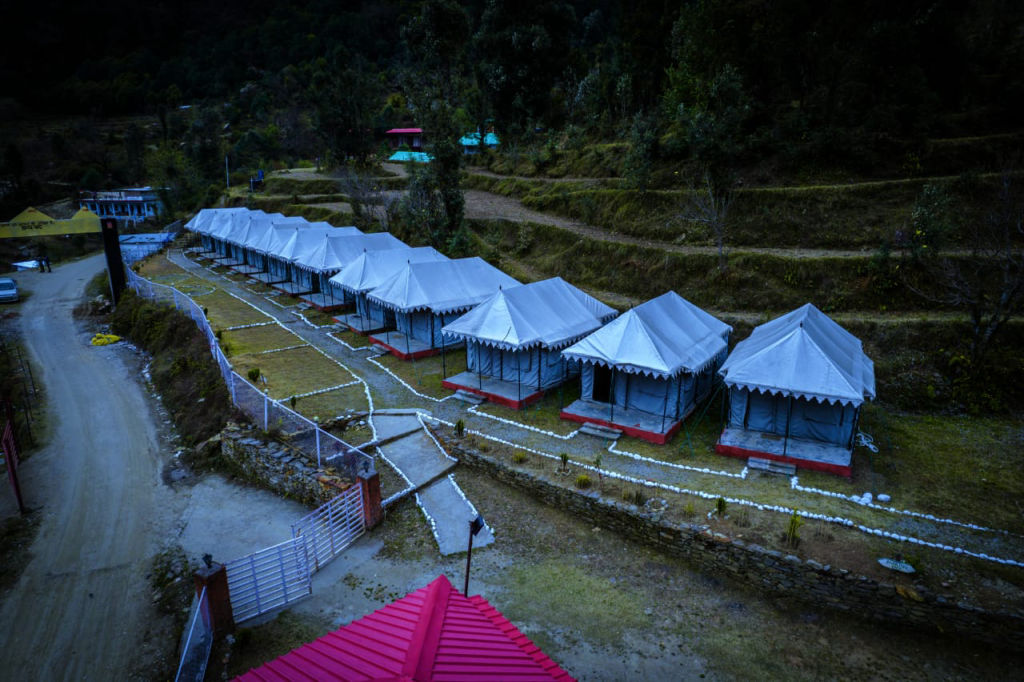
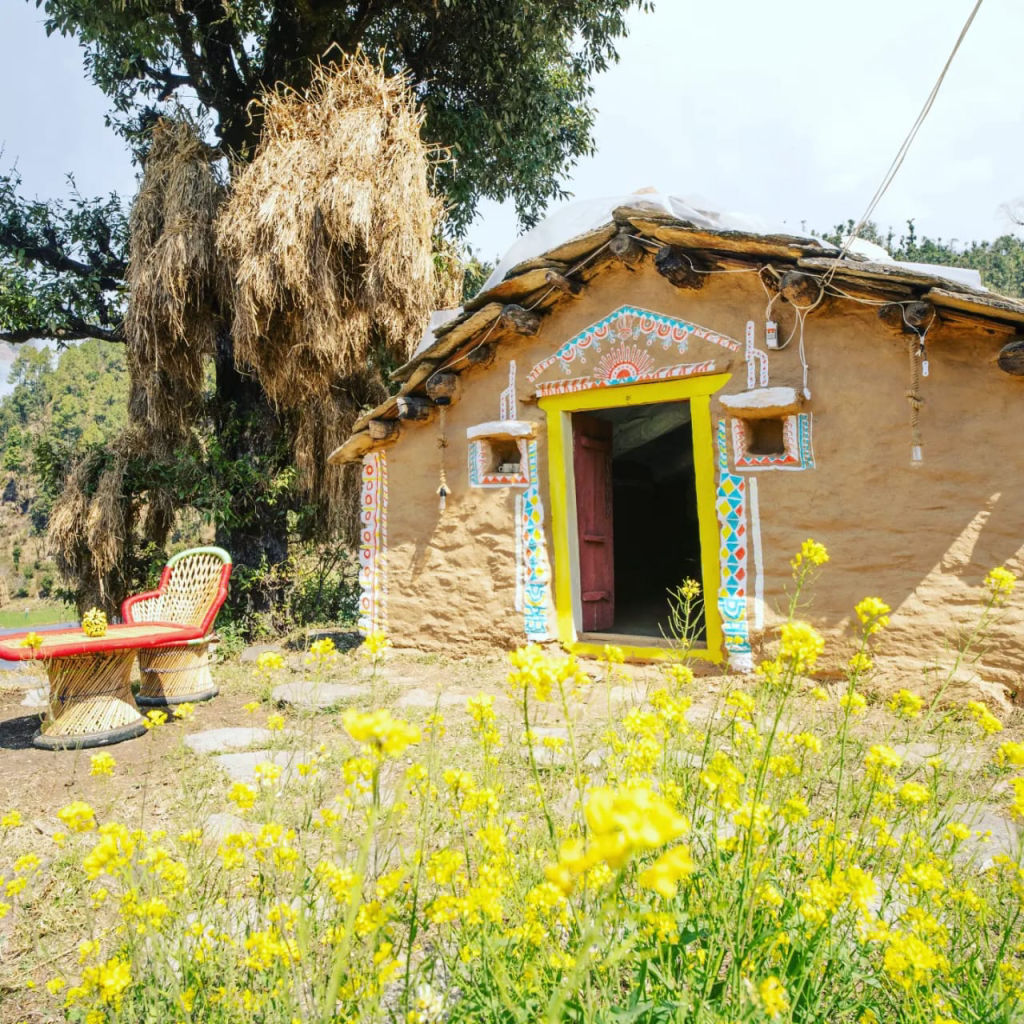
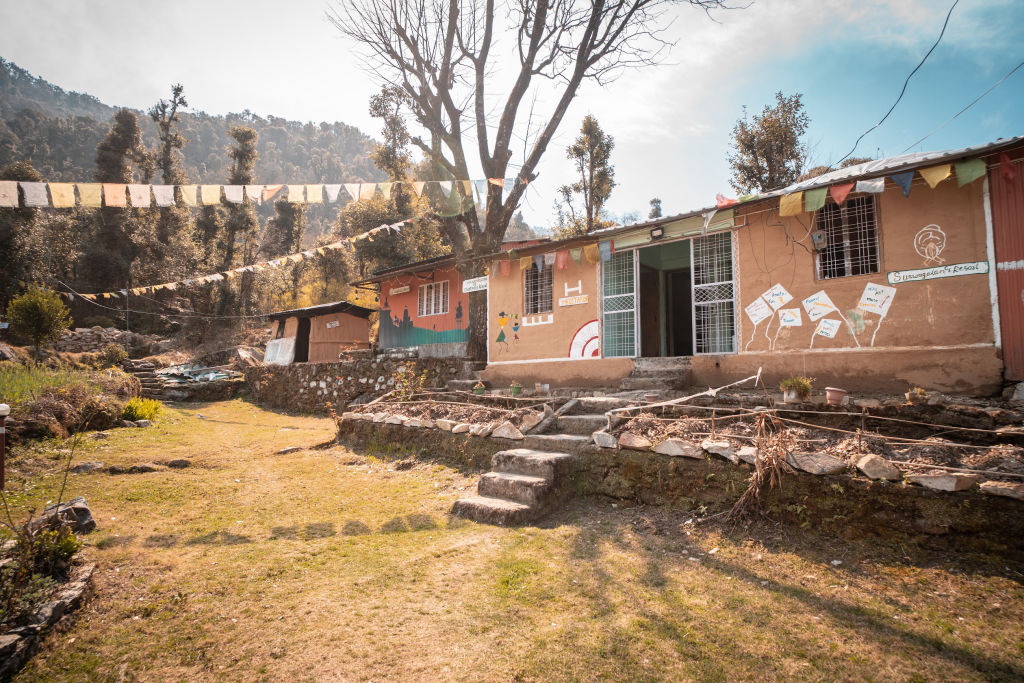
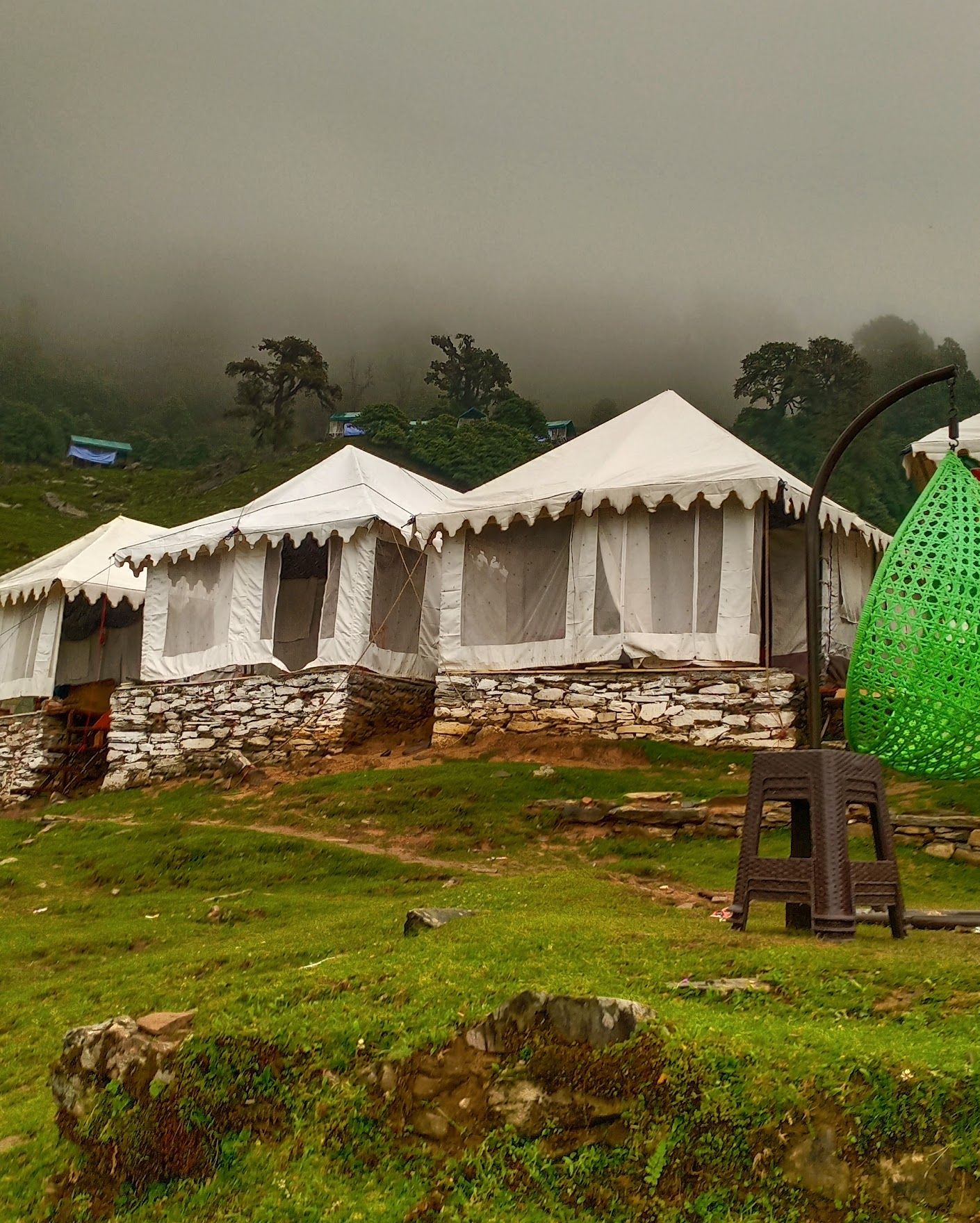
For those who prefer peaceful outdoor stays, riverside campsites, scenic farmsteads, and cosy homestays can be found throughout the surrounding valley on HireACamp. Staying with local families offers a warm glimpse into traditional Garhwali hospitality and delicious home-cooked meals made with regional mountain ingredients.
Frequently asked questions
Where is Kalimath Temple located?
Kalimath Temple is located along the Kalimath Kotma Road near Ukhimath in the Rudraprayag district of Uttarakhand, India, along the banks of the Saraswati River.
Why is there no idol inside Kalimath Temple?
In accordance with local tradition, Goddess Kali is worshipped at a sacred natural pit covered by a consecrated silver Sri Yantra rather than an anthropomorphic stone idol.
What is the best season to visit Kalimath?
The most pleasant months to visit are from April to June and from September to November, when mountain roads are generally clear and the valley climate is comfortable.
Can Kalimath Temple be visited during the winter?
Yes, unlike higher-altitude shrines such as Kedarnath and Tungnath, Kalimath Temple is located at a lower elevation in the valley and generally stays accessible throughout the winter.
Which towns provide the closest base for visiting Kalimath?
Guptkashi and Ukhimath are the two closest transit hubs, offering regular local road connections, basic amenities, and varied stay options within convenient driving reach of the temple.
Where you'll be
Kalimath Kotma Road, Ukhimath · 4 stays nearby shown with prices
Stays near Kalimath Temple
Book a place to stay close by
More places near Kalimath Temple
Within 20 km


Built from 0 Instagram posts by 0 creators. Every tip links back to the post it came from, and where creators disagree we show both sides.






