
Tungnath Temple
Temple near Ukhimath, Uttarakhand
100 m from Ukhimath
The nearest town, for stays, food and fuel.
Tungnath Temple, situated high on the mountain ridges near Ukhimath in Uttarakhand, is celebrated as the highest Shiva temple in the world and one of the revered Panch Kedar shrines. Travellers and pilgrims visit to admire its ancient stone architecture, pay homage at the sacred sanctum, and take in panoramic views of the Garhwal Himalayas. The steady trek through rhododendron woodlands and alpine meadows makes it a landmark destination for nature lovers and spiritual seekers alike.
Getting there
By road
- From Dehradun4 hr 30 min · 216 km
- From New Delhi7 hr 45 min · 428 km
- From Chandigarh8 hr 10 min · 385 km
Typical drive times without traffic. Stations and airports from OLA Maps; distances and typical drive times from OpenStreetMap (© OpenStreetMap contributors); notes from creators' Reels.
About Tungnath Temple
Written with AI from map data and general knowledge. Check prices and timings locally before you go.
Significance and History of Tungnath Temple
Tungnath Temple holds a prominent place in Himalayan lore as the highest among the Panch Kedar shrines dedicated to Lord Shiva. According to Hindu mythology, the temple is linked to the Pandavas of the Mahabharata epic, who set out to seek forgiveness from Shiva following the Kurukshetra war. Legend holds that Shiva took the form of a bull to evade them, with different parts of his form emerging at five sacred sites across Garhwal. His hands and arms are believed to have surfaced at the site where Tungnath stands today.
The shrine is built from massive, weathered stone blocks in the North Indian Nagara style, engineered to withstand centuries of freezing temperatures, driving rain, and winter snow. Inside the inner sanctum, a low black rock lingam represents the deity, accompanied by smaller shrines dedicated to regional deities and sages. During the winter, when the ridge is blanketed under deep drifts of snow, the symbolic idol of Lord Shiva is ceremonially carried down to the village of Makkumath, returning to the high mountain shrine only when the spring snow melts.
The Trek to Tungnath Temple
The journey to Tungnath Temple begins from the roadside hamlet of Chopta, reached via mountain roads from Ukhimath or Gopeshwar. From Chopta, a paved stone pathway ascends steadily up the mountainside. The trail rises through dense forests before opening out into vast alpine meadows known as bugyals, giving hikers sweeping perspectives of the valley floor below.
While the path is paved and well marked, the climb is steep and the altitude increases quickly. Walking at an unhurried, measured pace helps prevent breathlessness. Along the route, resting spots and seasonal tea stalls offer hikers warm tea and simple food. The switchbacks provide changing views with every turn, revealing craggy ridgelines and distant snowfields as you approach the temple entrance.
Read more
Best Time to Visit Tungnath Temple
The trekking season for Tungnath generally spans from May to November, coinciding with the period when the temple is open and trails are clear of deep snow. May and June bring pleasant daytime temperatures and blooming rhododendron forests that paint the lower hillsides in shades of red, pink, and white. Nights remain quite cold, but daytime hiking conditions are often sunny and clear.
The monsoon months of July and August transform the surrounding valleys into deep green landscapes carpeted with mountain flora. However, heavy rains can make the stone paths slick and cause temporary road closures on the approach routes to Ukhimath and Chopta, so travellers during this period must prepare for variable conditions. Autumn, particularly September and October, brings crisp air and some of the clearest skies of the year, making it an exceptional time for mountain photography and unobstructed views of Himalayan peaks before early winter snows arrive in November.
Natural Surroundings and Wildlife
The slopes around Tungnath lie within the Kedarnath Musk Deer Sanctuary, an extensive conservation reserve established to safeguard the fragile high-altitude ecosystem and native wildlife of the region. The lower stretches of the mountain feature dense stands of deodar, oak, birch, and rhododendron, which gradually give way to open tussock grass and rocky crags above the tree line.
This rich alpine habitat supports diverse birdlife and animals adapted to cold mountain conditions. Trekkers frequently spot the Himalayan monal, Uttarakhand's state bird, searching for food among the meadows, along with lammergeiers and Himalayan griffons soaring on thermals above the cliffs. The sanctuary is also home to musk deer, high-altitude pikas, and occasional sightings of mountain foxes among the rock piles.
Places to Visit near Tungnath Temple
A popular continuation of the Tungnath trek leads directly behind the temple up to the summit of Chandrashila Peak. The trail ascends the rocky ridge above the shrine, offering an expansive 360-degree panorama of prominent Himalayan peaks including Chaukhamba, Nanda Devi, Trishul, and Kedarnath Peak, especially striking in early morning light.
Lower down the mountain, Chopta Valley serves as a peaceful base with rolling grasslands and shaded forest walks. Further down the mountain road, Ukhimath provides a cultural stop as the winter seat of the Kedarnath and Madhyamaheshwar deities, filled with historic shrines like the Omkareshwar Temple. Travellers exploring the wider area can also visit sacred regional shrines such as Basukedar and Jakh Devta Temple, or explore quiet village trails throughout the Mandakini and Alaknanda river valleys.
Tips for Your Visit
Because Tungnath sits at high altitude, acclimatization is an essential part of a successful trip. Spend a night in Ukhimath, Sari, or Chopta before tackling the uphill climb, and stay hydrated throughout the walk. A steady pace will keep your energy levels consistent against the thinner air.
Weather on the ridge changes rapidly, so dressing in layers is crucial. Carry a windproof outer jacket, warm thermal innerwear, gloves, a warm hat, and a lightweight waterproof layer. Sturdy walking shoes with reliable tread are recommended for walking on the damp stone paths. There are no banking facilities or card machines on the trail, so carry adequate cash for food and local purchases. Always practice responsible travel by packing out all plastic waste and respecting the quiet sanctity of the temple grounds.
Where to Stay near Tungnath Temple
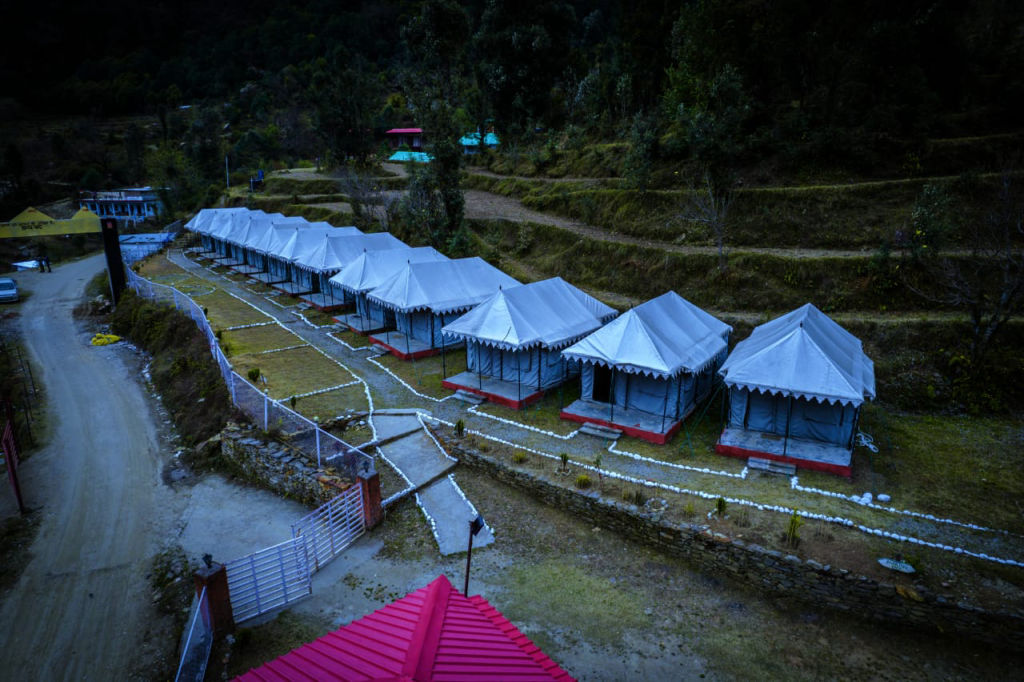
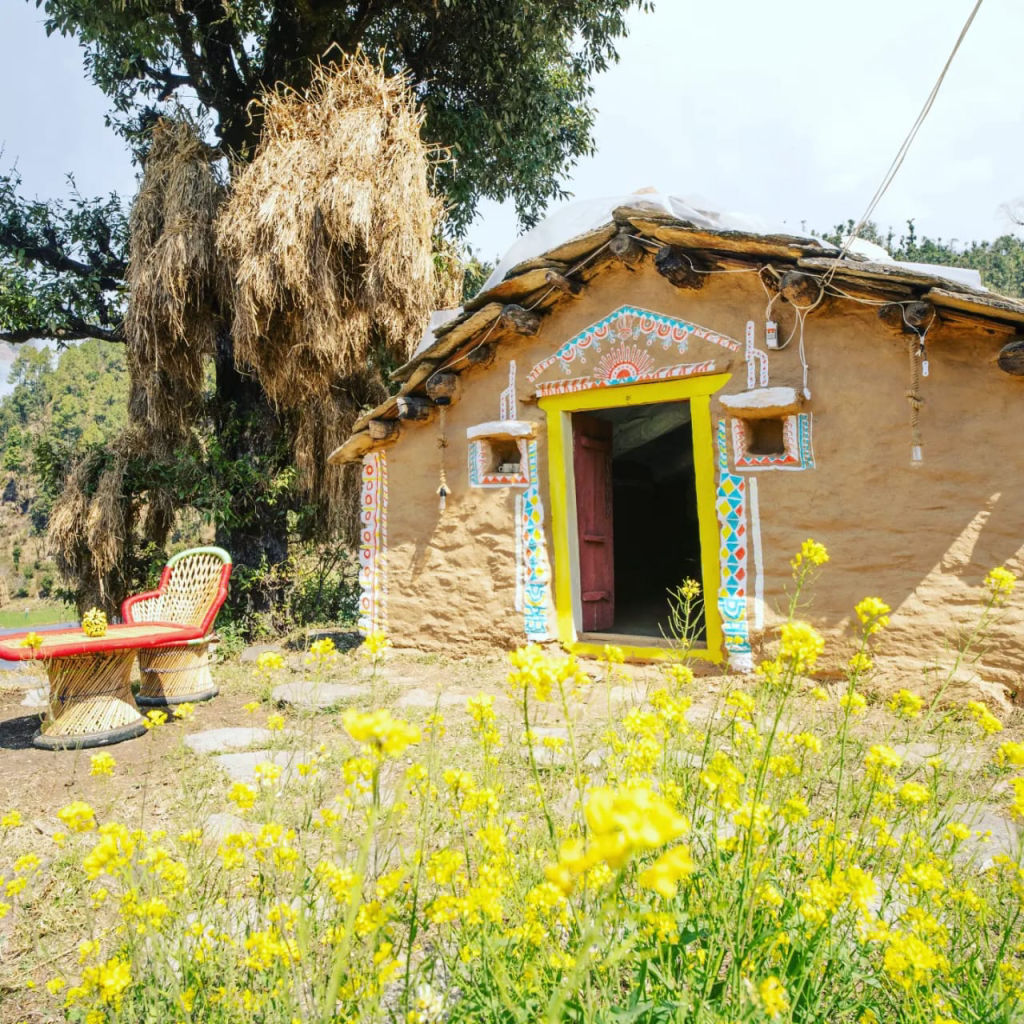
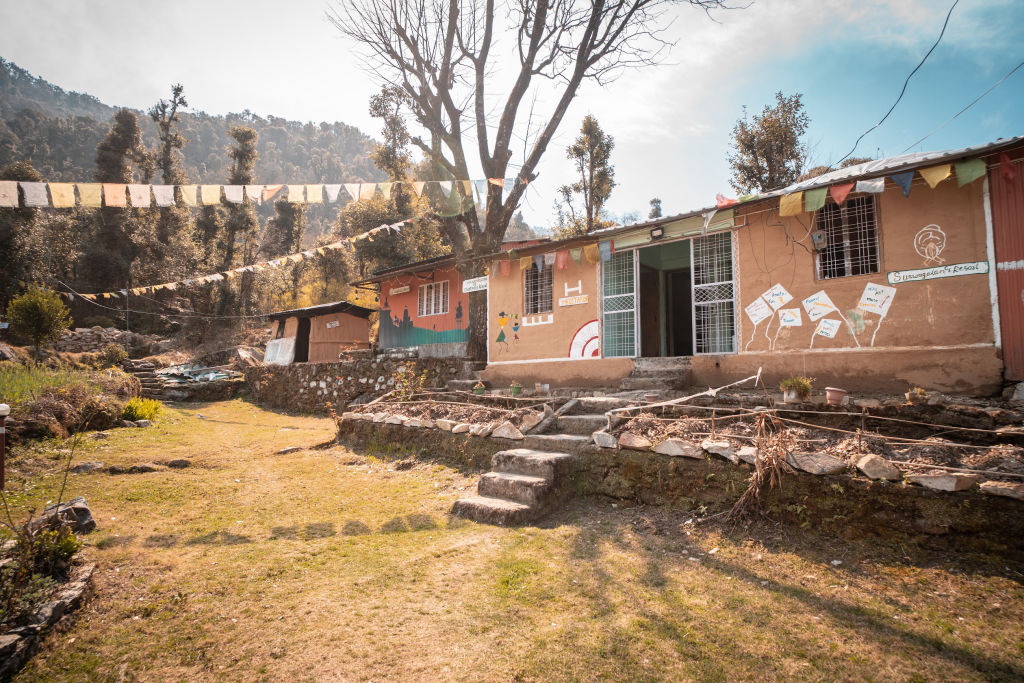
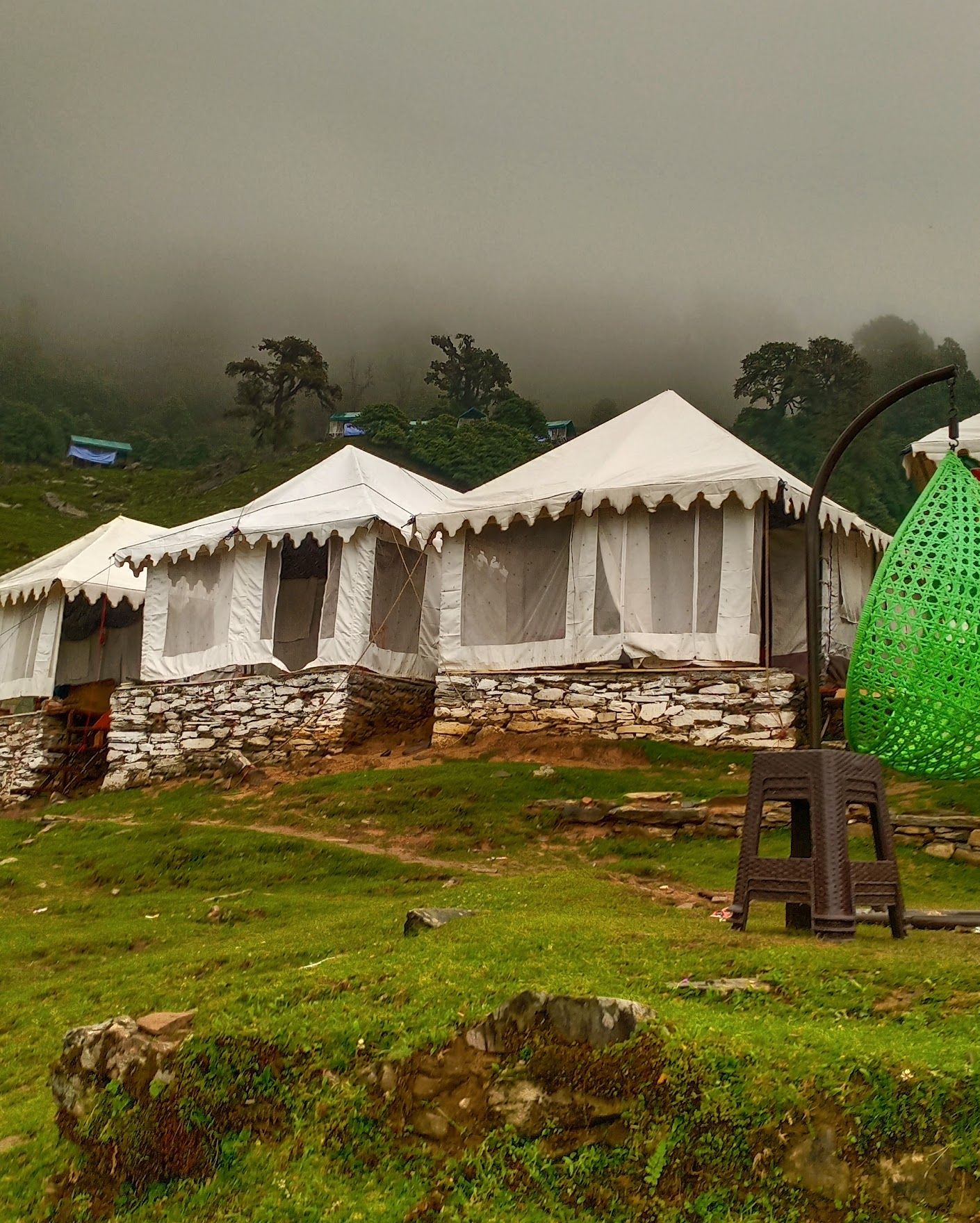
Accommodations are situated along the lower valleys and roadheads rather than on the high temple ridge. Chopta, Duggalbitta, and the neighbouring village of Sari offer rustic homestays and outdoor camps that serve as convenient bases for starting early morning hikes.
For travellers seeking conventional village lodges and reliable road connections, Ukhimath offers standard guesthouses and access to regional transit. You can find beautiful campsites, welcoming homestays, and outdoor stays across the Ukhimath and Chopta region on HireACamp to suit your travel style.
Frequently asked questions
Where does the trek to Tungnath Temple start?
The trek to Tungnath Temple starts from Chopta, a small high-altitude settlement situated along the route between Ukhimath and Gopeshwar in Uttarakhand.
How difficult is the hike to Tungnath Temple?
The hike is considered easy to moderate. The trail is paved and straightforward, though the steep incline and high altitude require a slow pace and basic physical fitness.
Can I visit Tungnath Temple in winter?
The temple sanctum is closed during the winter months due to heavy snowfall, and the deity is moved to Makkumath. Travellers should check locally for exact opening and closing dates before planning a visit.
How long does it take to walk to Chandrashila from Tungnath?
The trail to Chandrashila Peak continues directly from behind the Tungnath Temple complex and usually takes an additional 45 minutes to an hour of uphill hiking depending on your pace.
What should I pack for a day hike to Tungnath Temple?
Pack warm clothing layers, a windproof and waterproof jacket, sturdy footwear, drinking water, and sun protection. It is also wise to carry cash and personal medications, as there are no pharmacy or banking facilities on the trail.
Where you'll be
Ukhimath · 4 stays nearby shown with prices
Stays near Tungnath Temple
Book a place to stay close by
More places near Tungnath Temple
Within 20 km

Built from 0 Instagram posts by 0 creators. Every tip links back to the post it came from, and where creators disagree we show both sides.






