
Chandrashila
Peak near Ukhimath, Uttarakhand
800 m from Ukhimath
The nearest town, for stays, food and fuel.
Chandrashila is a prominent Himalayan summit rising above the revered shrine of Tungnath in the Garhwal region of Uttarakhand, near Ukhimath. At an altitude of roughly 4,000 metres, it is celebrated for offering dramatic 360-degree panoramas of northern India's grandest peaks, including Nanda Devi, Trishul, Chaukhamba, and Kedarnath. Outdoor enthusiasts and pilgrims make the steep trek to the peak to experience expansive alpine vistas, changing seasonal colours, and a tranquil vantage high above the timberline.
Getting there
By road
- From UkhimathNearest town12 min · 9.9 km
- From Dehradun4 hr 25 min · 214 km
- From New Delhi7 hr 40 min · 426 km
- From Chandigarh8 hr 5 min · 383 km
Typical drive times without traffic. Stations and airports from OLA Maps; distances and typical drive times from OpenStreetMap (© OpenStreetMap contributors); notes from creators' Reels.
About Chandrashila
Written with AI from map data and general knowledge. Check prices and timings locally before you go.
About Chandrashila Peak
Chandrashila, translating literally to Moon Rock, is one of the most accessible high-altitude summits in the Western Himalayas. Situated in the Rudraprayag district of Uttarakhand, it towers above the alpine meadows of Chopta and the historic stone shrine of Tungnath. The peak occupies a dramatic vantage point along a ridgeline that separates the valleys of Mandakini and Alaknanda, providing hikers with an uninterrupted sightline to major Himalayan massifs.
Local lore associates the summit with both the Moon God Chandra, who is said to have spent time here in penance, and Lord Rama, who according to legend meditated at the summit after the battle of Lanka. Beyond its mythical resonance, the landscape itself is a study in vertical ecology. The trail climbs swiftly out of thick temperate woodlands of oak, pine, and rhododendron, transitions across broad subalpine grasslands, and terminates on a jagged, wind-carved rocky summit where vegetation yields to stone and seasonal snow.
The Trek from Chopta to Chandrashila
The journey to Chandrashila typically begins at the small hamlet of Chopta, which serves as the traditional roadhead and base camp for the region. From Chopta, a paved, stone-laid path ascends gradually for around three to four kilometres up to the Tungnath temple complex. This initial section meanders through lush rhododendron groves that burst with red, pink, and white blossoms in the spring before giving way to wide open bugyals, or alpine pastures, where livestock graze during the warmer months.
Past Tungnath, the path changes character noticeably. The final kilometre from the temple to the Chandrashila summit is an unpaved, rugged footpath carved into scree, loose rock, and steep earth. Switchbacking along the ridgeline, this stretch demands steady footing and deliberate pacing, particularly at dawn when summit seekers gather to watch the sunrise. At the top, a small stone shrine marks the highest point, surrounded by prayer flags that flutter in the mountain winds.
Read more
Best Time to Visit Chandrashila
The experience at Chandrashila shifts dramatically across the seasons, making timing an essential consideration when planning a trip. Spring, spanning from April to early June, is among the most popular periods. During these months, daytime temperatures are comfortable, trail conditions are mostly clear of impassable snow, and the lower forests are filled with blooming rhododendrons. The weather is generally stable, although afternoons can bring brief high-altitude cloud cover.
Autumn, from late September through November, offers arguably the crispest mountain views of the year. Following the monsoon rains, the atmosphere is washed clean of dust and haze, creating razor-sharp visibility that extends hundreds of kilometres along the Himalayan crest. Winter, running from December to March, transforms the peak into a snowbound wonderland. While winter trekking requires proper cold-weather gear and often microspikes or crampons for icy stretches, reaching the snow-blanketed summit against a pale blue winter sky remains an unforgettable experience. Mid-monsoon, between July and August, brings heavy rainfall and landslip risks across the region, making travel slower and trails muddy.
Things to Know Before You Trek
Although the trail to Chandrashila is considered accessible compared to many technical Himalayan routes, it reaches an elevation of around 4,000 metres, meaning acute mountain sickness can affect travellers who gain altitude too quickly. Spending a night in lower transit towns like Ukhimath, Sari, or Chopta helps your body adapt to the thinner air before you undertake the final climb. Drink plenty of water throughout the ascent, maintain a steady rhythm, and avoid rushing up the steeper sections above Tungnath.
Weather conditions in the high Himalayas can change within an hour, even on seemingly clear mornings. Always carry multiple layers of clothing, including a windproof and waterproof outer shell, thermal base layers, and warm headwear. Sturdy trekking shoes with good grip are crucial, especially for the loose stones near the summit or lingering patches of ice. Carrying trekking poles will reduce strain on your knees during the steep descent back to Chopta. There are very few facilities directly on the upper trail, so carrying sufficient water and trail snacks is advised.
Places to Visit around Chandrashila
The geography surrounding Chandrashila contains several notable natural and cultural landmarks that warrant a visit. Sitting directly below the summit is Tungnath Temple, recognised as the highest Shiva temple in the world and an essential stop along the Panch Kedar pilgrimage trail. The ancient stone masonry and weathered courtyards of Tungnath sit against a stark, high-altitude cliff face that feels worlds away from the lower valleys.
Downhill from the peak lies the expansive Chopta Valley, often used as a quiet base for nature walks and birdwatching. The surrounding area borders the Kedarnath Musk Deer Sanctuary, an extensive protected forest that shelters rare Himalayan fauna including the musk deer, monal pheasant, and leopard. Nearby, travellers often explore the quiet mountain town of Ukhimath, home to traditional winter seats of pilgrimage deities, as well as ancient regional shrines like Basukedar and Jakh Devta Temple nestled in terraced rural valleys.
Where to Stay near Chandrashila
There are no permanent accommodations at the summit of Chandrashila itself, and overnight stays on the peak are neither customary nor practical due to exposed conditions and cold winds. Most travellers choose to base themselves in Chopta or in the nearby settlements of Ukhimath, Duggalbitta, and Sari.
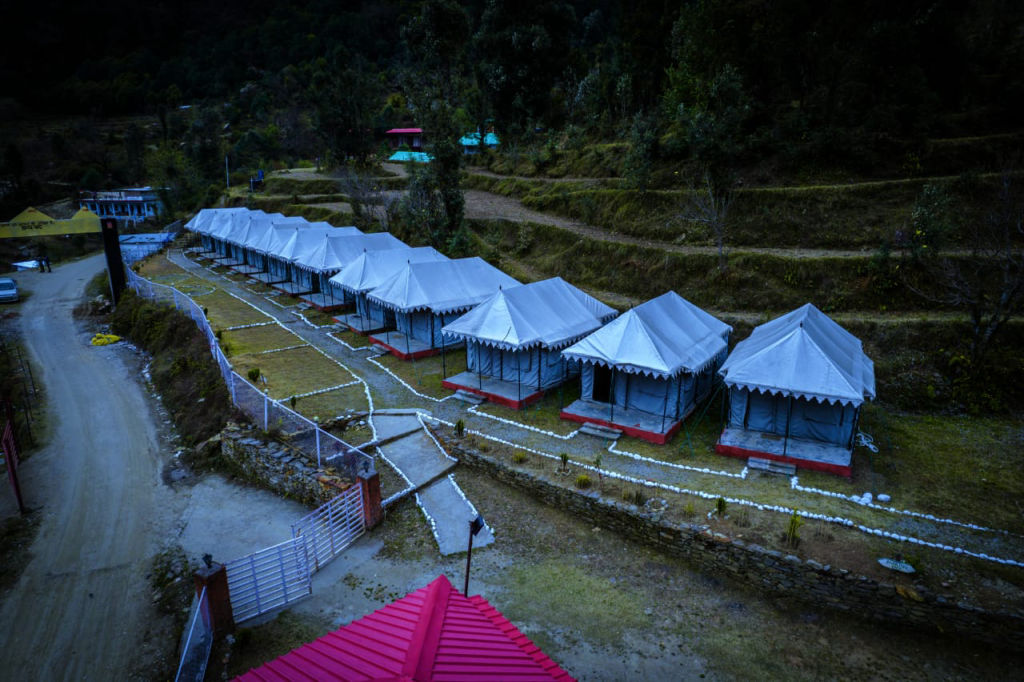
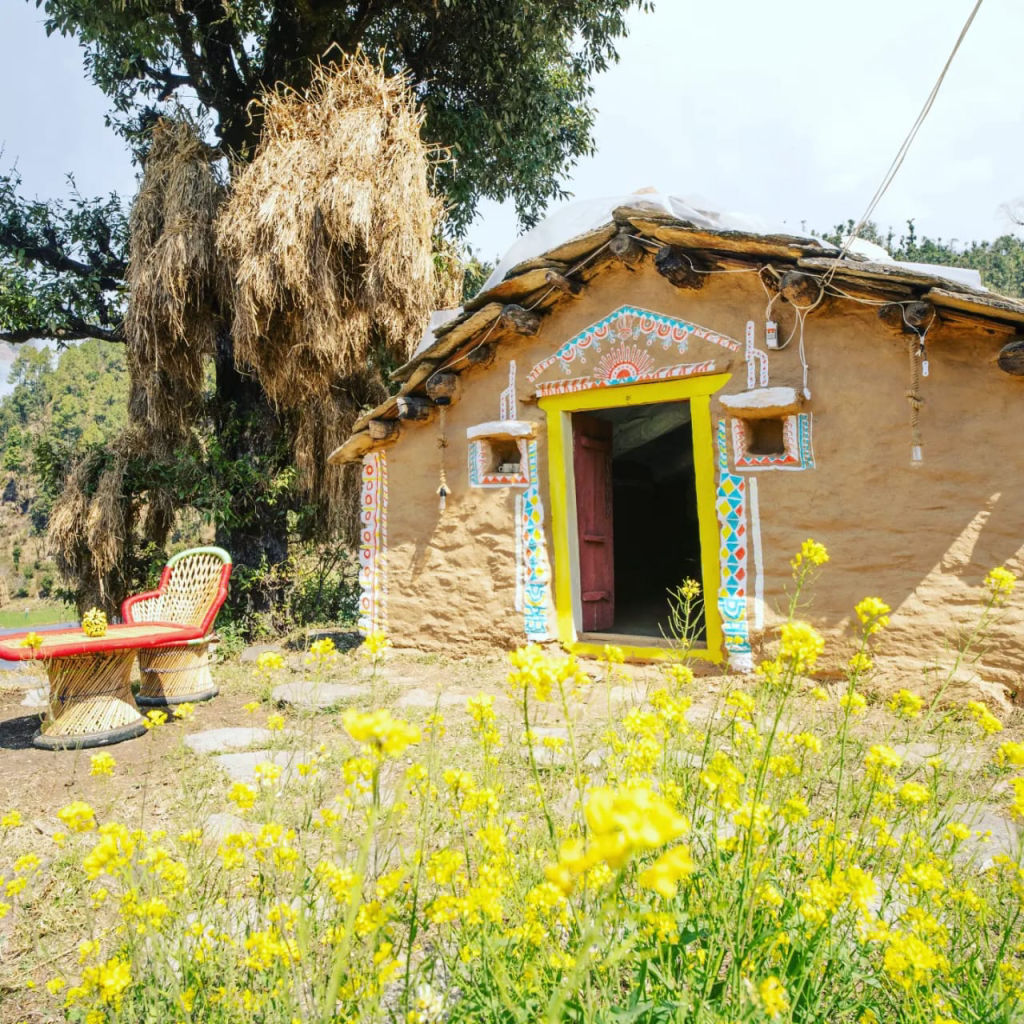
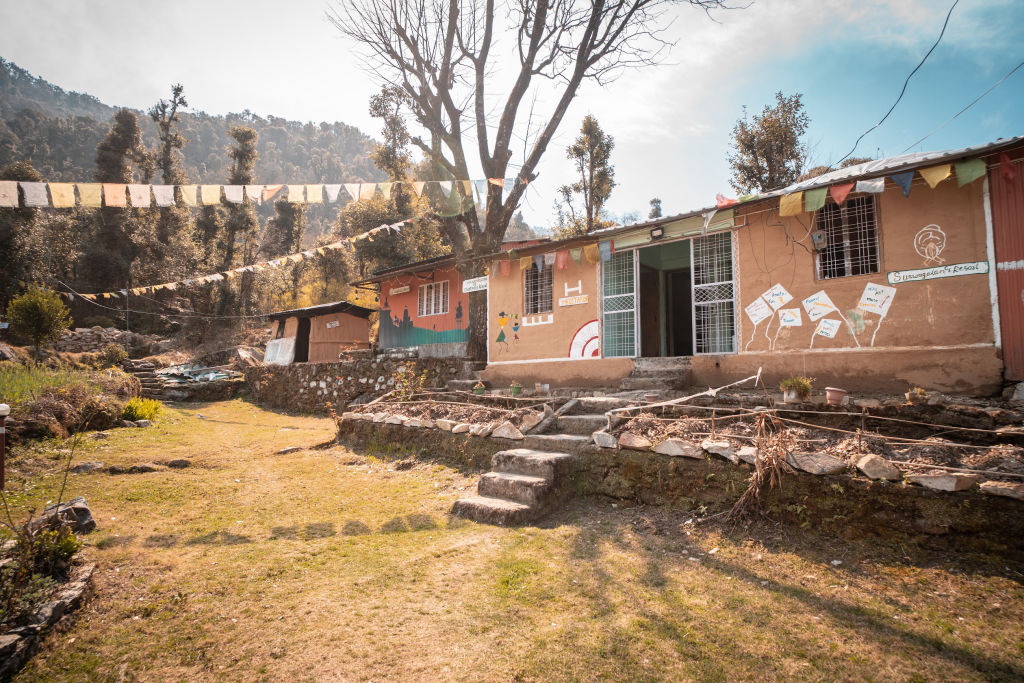
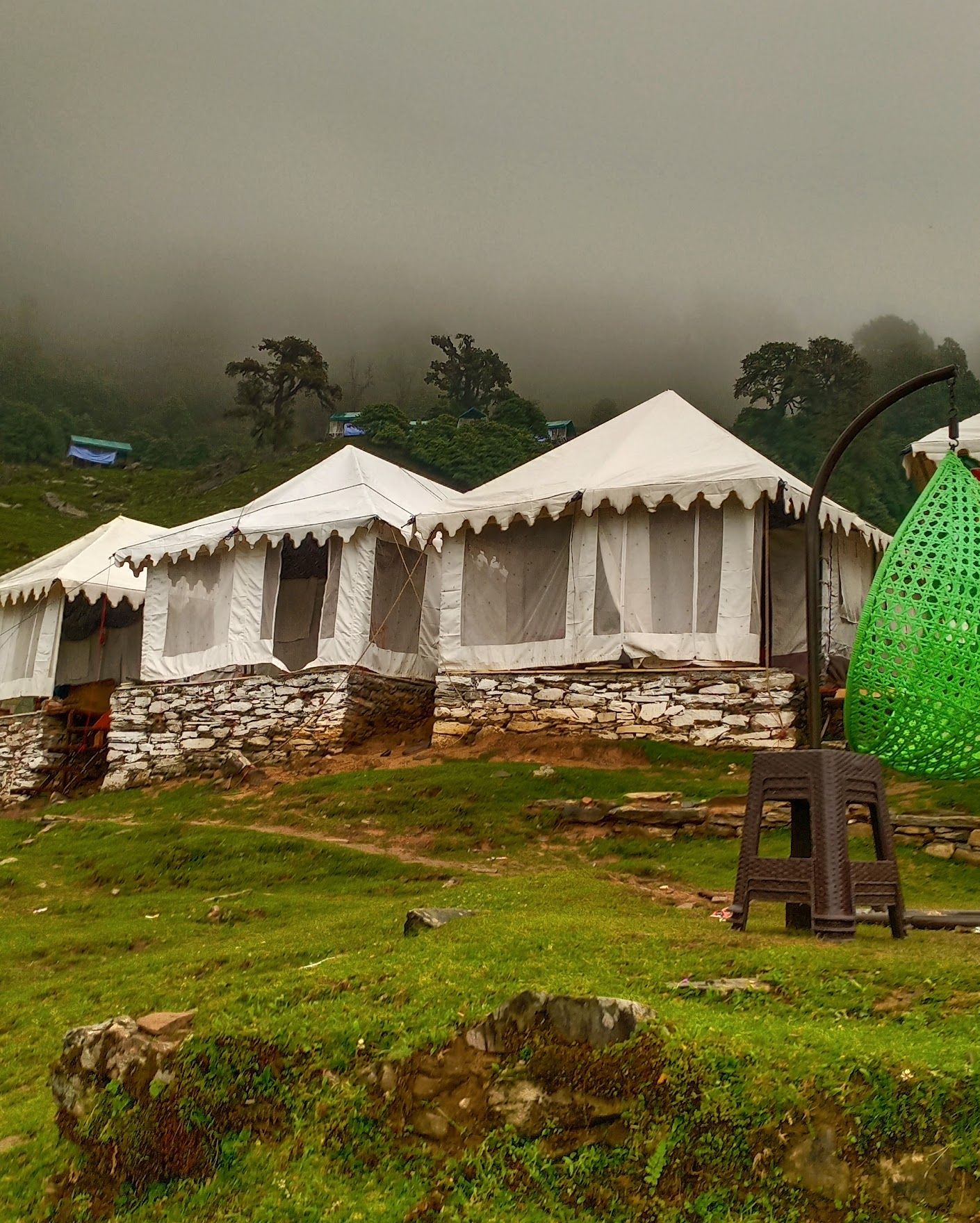
Around Chopta, seasonal alpine tented camps and rustic cabins operate during the warmer months, allowing you to sleep close to the trailhead for an early morning departure. For those looking for warmer shelter, traditional mountain hospitality, and reliable village amenities, Ukhimath and its adjoining hamlets offer comfortable homestays, guesthouses, and scenic lodges. You can find well-curated camps, homestays, and outdoor stays near Chandrashila and Ukhimath on HireACamp to match your itinerary and comfort preferences.
Frequently asked questions
How difficult is the trek to Chandrashila Peak?
The trek from Chopta to Chandrashila is rated easy to moderate. The trail is paved up to Tungnath Temple, while the final one-kilometre section to the summit is a steep, rocky ridge trail that requires basic physical fitness and careful footing.
Can beginners attempt the Chandrashila trek?
Yes, beginners with reasonable cardiovascular fitness can complete the trek comfortably. Taking regular breaks, staying hydrated, and allowing time to acclimatise in Chopta or Ukhimath will help ensure a safe climb.
What peaks are visible from Chandrashila summit?
On a clear day, the summit offers an unbroken panoramic view of major Himalayan peaks, including Chaukhamba, Nanda Devi, Trishul, Kedar Dome, and Bandarpoonch.
Is it possible to visit Chandrashila during the winter?
Yes, Chandrashila can be visited in winter, but the route is often covered in thick snow and ice. Hikers should be prepared with proper winter layers, sturdy waterproof boots, and traction gear like microspikes.
How long does it take to climb Chandrashila from Chopta?
The uphill trek typically takes between three to five hours depending on your walking pace and rest stops, with the descent back down to Chopta taking around two to three hours.
Where you'll be
about 1 km from Tungnath, Ukhimath · 4 stays nearby shown with prices
Stays near Chandrashila
Book a place to stay close by
More places near Chandrashila
Within 20 km
Built from 0 Instagram posts by 0 creators. Every tip links back to the post it came from, and where creators disagree we show both sides.






