
Madmaheshwar Valley
Valley near Ukhimath, Uttarakhand
100 m from Ukhimath
The nearest town, for stays, food and fuel.
Madmaheshwar Valley is a serene Himalayan river valley tucked into the Rudraprayag district of Uttarakhand, accessible via the pilgrim town of Ukhimath. Famed for its ancient stone temple dedicated to Lord Shiva as part of the sacred Panch Kedar pilgrimage, the valley draws both devoted pilgrims and avid trekkers. Surrounded by dense rhododendron forests, alpine meadows, and the snow-crested peaks of the Garhwal Himalayas, it offers an untouched mountain escape.
Getting there
By road
- From Dehradun4 hr 30 min · 216 km
- From New Delhi7 hr 45 min · 428 km
- From Chandigarh8 hr 10 min · 385 km
Typical drive times without traffic. Stations and airports from OLA Maps; distances and typical drive times from OpenStreetMap (© OpenStreetMap contributors); notes from creators' Reels.
About Madmaheshwar Valley
Written with AI from map data and general knowledge. Check prices and timings locally before you go.
Understanding Madmaheshwar Valley
Madmaheshwar Valley sits in the upper reaches of the Garhwal Himalayas, cradled by alpine ridges and watered by glacier-fed streams. The valley is best known for housing the Madhyamaheshwar temple, which is revered as the fourth temple in the revered Panch Kedar circuit. According to local lore and Himalayan tradition, the navel or middle torso of Lord Shiva is worshipped here amidst pristine mountain isolation.
Beyond its profound spiritual significance, the valley is characterized by deep river gorges, terraced hillsides, and dense patches of oak and rhododendron. As you ascend, the forest cover yields to expansive high-altitude bugyals, or alpine meadows, offering striking panoramas of peaks like Chaukhamba. The valley remains relatively quiet compared to better-known pilgrimage circuits, preserving an unhurried, traditional way of mountain life.
Trekking through the valley
The trek to Madmaheshwar is one of the classic walking routes in Uttarakhand. The trail traditionally begins from base villages near Ukhimath, such as Ransi or Uniana, winding along the Madhyamaheshwar Ganga river. Along the way, trekkers pass through quaint hamlets like Gaundhar and Bantoli, where traditional wooden houses and suspension bridges dot the landscape.
The trail presents a steady ascent, transitioning from humid river valleys to crisp, cool mountain forests. Hikers navigate stone-paved steps, forested dirt tracks, and occasional steep switchbacks. Reaching the temple settlement at the head of the valley rewards walkers with rolling green lawns set against dramatic rocky crags. For experienced trekkers with adequate stamina, an additional steep climb leads higher up to Buda Madhyamaheshwar, a high meadow known for its small tarns and reflective views of Chaukhamba.
Read more
Flora and wildlife in the region
The slopes framing Madmaheshwar Valley fall within the broader Himalayan ecosystem that overlaps with the Kedarnath Musk Deer Sanctuary. This dense vegetative cover provides a vital sanctuary for diverse montane wildlife. Trekkers and birdwatchers frequently spot Himalayan monals, laughingthrushes, and various species of eagles and raptors riding mountain thermals.
The forests are dominated by tall deodar, chir pine, birch, and several varieties of rhododendron that burst into shades of crimson and pink in early spring. In the upper reaches of the valley, delicate alpine herbs, wildflowers, and medicinal plants carpet the pastures. Larger mammals such as the elusive musk deer, Himalayan black bear, and barking deer inhabit the surrounding forests, though they generally avoid human trails.
Best time to visit Madmaheshwar Valley
The valley follows a distinct Himalayan seasonal cycle, remaining accessible primarily between May and November. The summer months from May to June bring comfortable daytime temperatures, clear morning skies, and blooming meadows, making it an ideal window for hiking and temple visits.
The monsoon season, extending through July and August, brings heavy rainfall across the lower Garhwal hills. While the landscape turns extraordinarily lush and waterfalls swell, the route can become slippery and prone to localized landslides. Travel during these months requires extra caution and flexibility in scheduling. Autumn, from September to late October, is widely considered the finest season for photography and long views. The skies clear completely, the air turns crisp, and the surrounding peaks stand out with remarkable clarity. By November, winter begins to set in, bringing heavy snowfall that closes the trail and prompts the winter relocation of the temple deity to Ukhimath.
How to reach the valley
To reach Madmaheshwar Valley, travellers must first make their way to Ukhimath, which serves as the primary regional road head. Ukhimath is well-connected by road to major transit hubs in Uttarakhand, including Rishikesh, Haridwar, and Dehradun. Buses and shared taxis run regularly along the route following the Alaknanda and Mandakini river valleys via Devprayag and Rudraprayag.
From Ukhimath, local roads lead further up the mountain toward Ransi village, which marks the typical end of the motorable road. From Ransi onwards, access into the interior of Madmaheshwar Valley is strictly on foot. Travellers should plan for multiple days of trekking to reach the valley, spend time exploring, and walk back comfortably.
Places to visit around Madmaheshwar
The region around Ukhimath is packed with significant cultural and natural landmarks. The town of Ukhimath itself is worth exploring, particularly the Omkareshwar Temple, where the winter seats of both Kedarnath and Madhyamaheshwar are housed with great reverence.
A short drive away lies Chopta Valley, famous as a scenic meadow destination and the launch point for the trek to Tungnath Temple and Chandrashila Peak. Nature enthusiasts can also explore the margins of the Kedarnath Musk Deer Sanctuary or plan extended routes toward other high-altitude shrines such as Rudranath and Basukedar, making this part of Rudraprayag a rich hub for outdoor and cultural exploration.
Where to stay in and around the valley
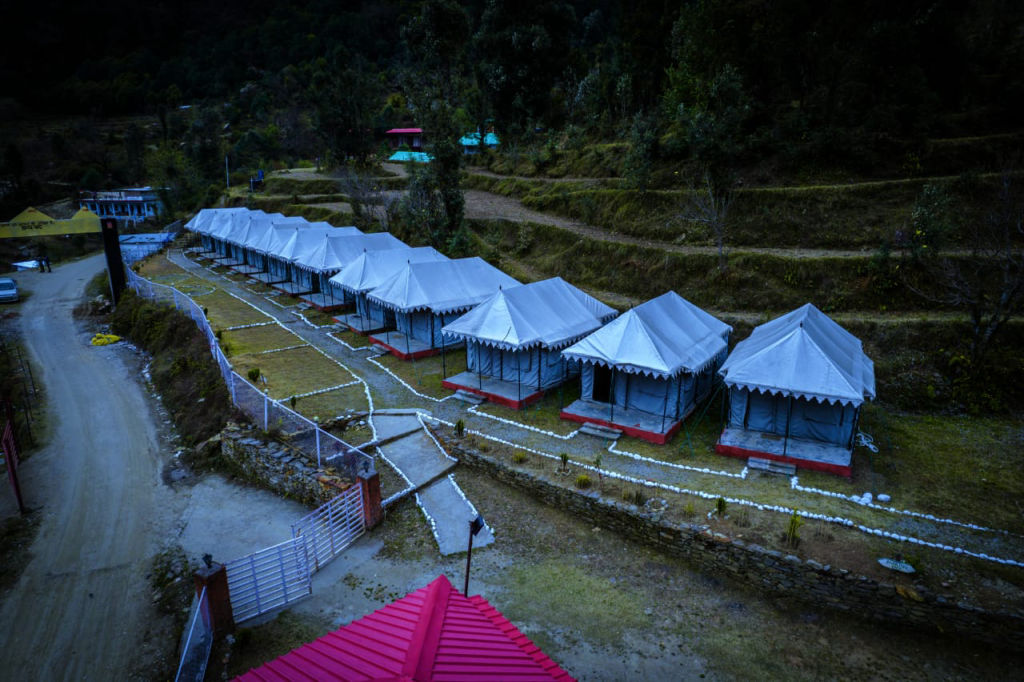
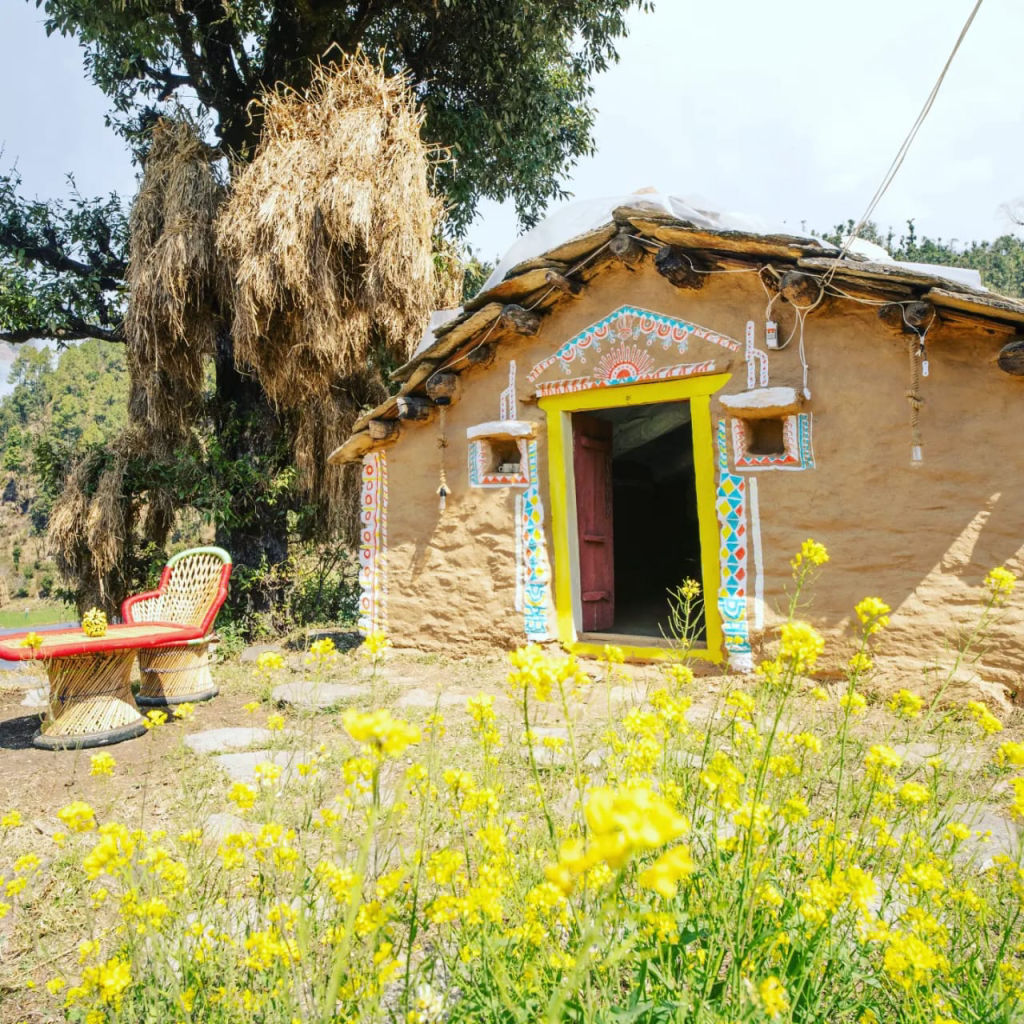
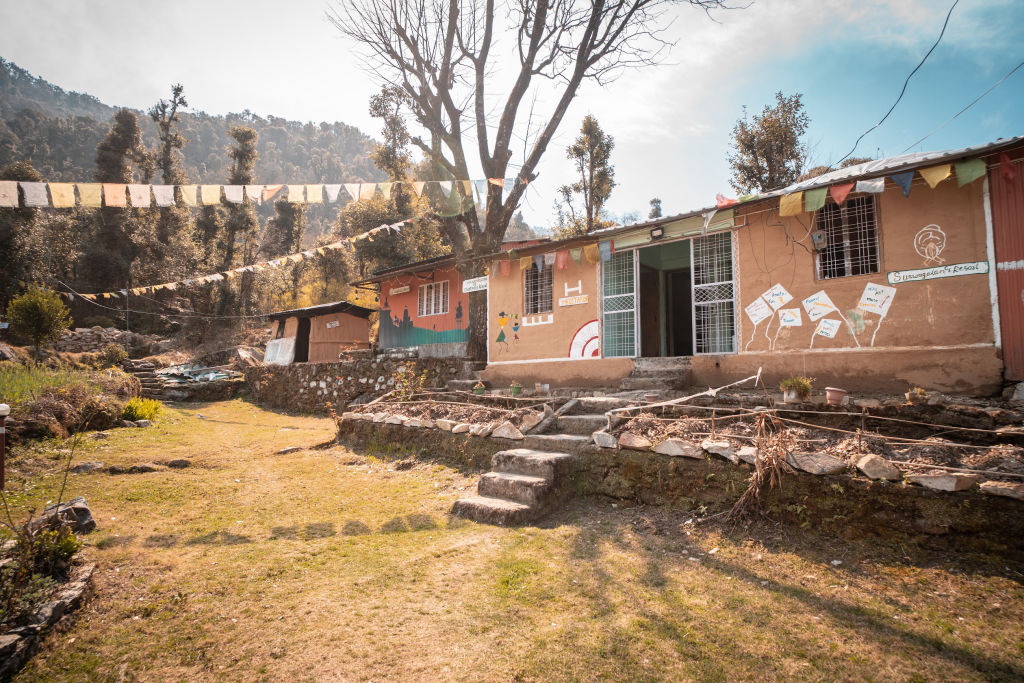
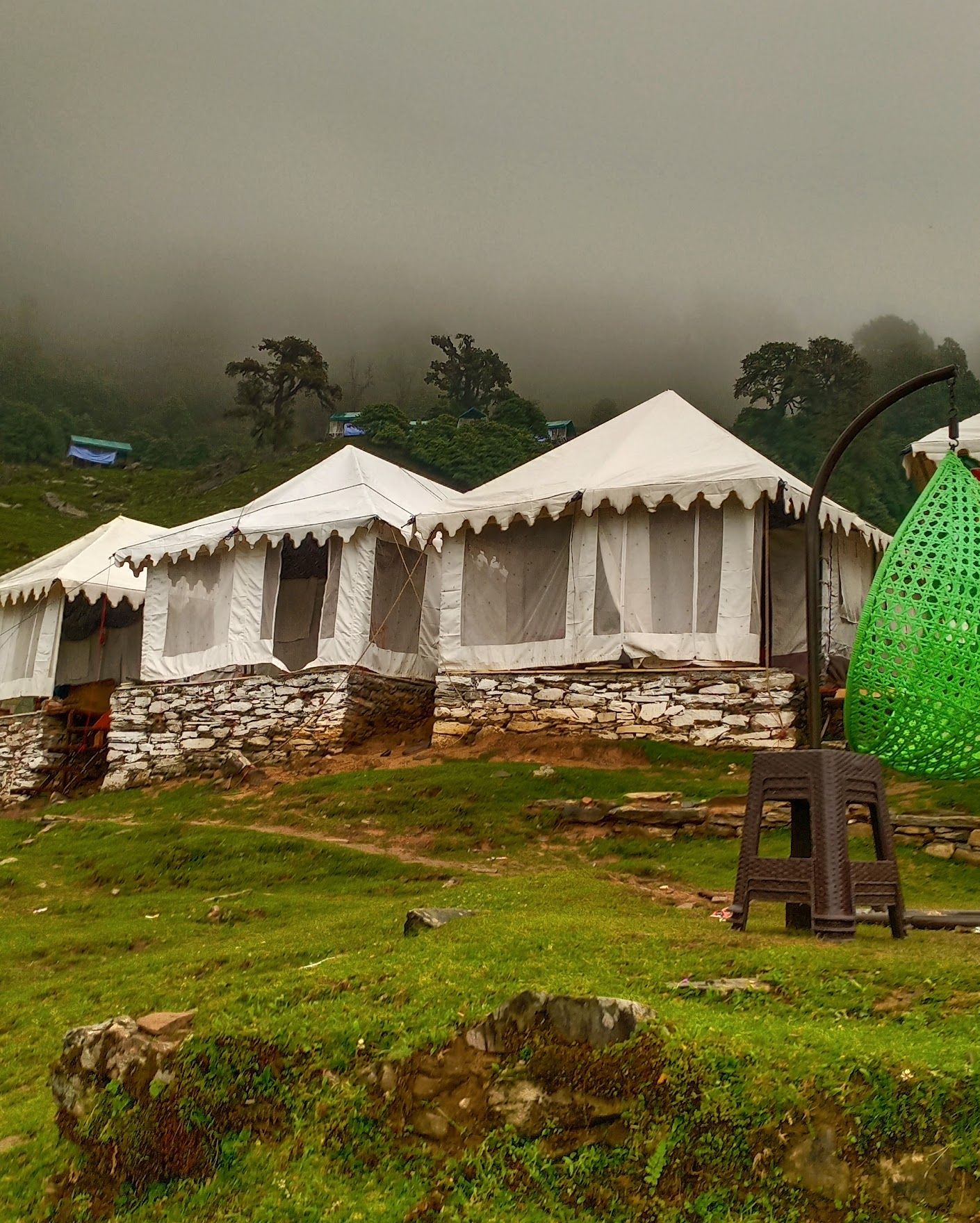
Accommodation within the deep interior of Madmaheshwar Valley is straightforward and community-focused. The villages along the trekking path, such as Gaundhar, Bantoli, and the meadow settlements near the temple, offer rustic homestays and basic guesthouses maintained by local families.
For travellers seeking a broader variety of comfort before or after their trek, Ukhimath and the nearby meadows around Chopta provide diverse options. Stays, riverside camps, and traditional mountain homestays can be booked through HireACamp. Staying locally provides a warm glimpse into Garhwali hospitality, simple home-cooked meals, and valuable insights from residents who know the terrain best.
Frequently asked questions
How difficult is the trek to Madmaheshwar Valley?
The trek is considered moderate in difficulty. While it does not require technical mountaineering skills, it involves long distances and steep ascents along stone paths, making good physical fitness and endurance essential.
When does the temple in Madmaheshwar Valley open and close?
The temple typically opens in May and closes around November, coinciding with early winter snowfall. Exact opening and closing dates are decided each year by temple authorities based on traditional calendars, so check locally before travelling.
Can I visit Madmaheshwar Valley during the winter?
During the winter months from December to April, the upper valley receives heavy snow and the temple remains closed. The idol is moved to the Omkareshwar Temple in Ukhimath, where pilgrims can pay their respects.
What should I pack for a trip to Madmaheshwar Valley?
Pack sturdy trekking shoes with good grip, warm layers for chilly mountain evenings, a reliable rain jacket, a basic first-aid kit, and sufficient cash, as there are no ATMs on the trekking trail.
Where you'll be
Ukhimath · 4 stays nearby shown with prices
Stays near Madmaheshwar Valley
Book a place to stay close by
More places near Madmaheshwar Valley
Within 20 km

Built from 0 Instagram posts by 0 creators. Every tip links back to the post it came from, and where creators disagree we show both sides.






