
Gushaini
Destination in Himachal Pradesh
Gushaini is a quiet riverside settlement set along the banks of the Tirthan River in Himachal Pradesh. Renowned as the primary gateway to the Great Himalayan National Park, it attracts anglers, hikers, and travellers looking for unhurried mountain life amidst cedar woods and apple orchards.
Getting there
By road
- From Chandigarh5 hr 45 min · 223 km
- From Ludhiana6 hr 20 min · 253 km
- From Amritsar7 hr 50 min · 366 km
- From Dehradun9 hr 20 min · 395 km
By train, bus or air
- Inter State Bus Terminal Sarvari KulluNearest bus stand1 hr 10 min · 63 km
- Bhuntar AirportNearest airport57 min · 52 km
Typical drive times without traffic. Places, distances and typical drive times from OLA Maps; notes from creators' Reels.
Gushaini Itinerary
A curated itinerary exploring Gushaini and the surrounding Tirthan Valley, featuring mountain viewpoints and quiet valley destinations.
Highlights of Tirthan and Surrounding Valleys
Best for day travellers wanting a mix of valley scenic drives, high passes, and quiet villages
Day 1
Exploring Tirthan Valley, Jalori Pass, and Shangarh
morning
Tirthan Valley RoadAbout 2 hr
Tirthan Valley is approximately 280 km from Chandigarh, taking 6 to 7 hours of travel time.
midday
Jalori PassAbout 2 hr · 12 km from the last stop
Jalori Pass is located roughly 295 km from Chandigarh, with a drive time of 7 to 8 hours.
afternoon
Shangarh valleyAbout 2 hr · 25 km from the last stop
Shangarh is an offbeat village destination with few visitors.
- Shangarh is an offbeat destination with relatively few visitors compared to main tourist hubs.
- Driving to Tirthan Valley from Chandigarh covers around 280 km and typically takes 6 to 7 hours.
- Reaching Jalori Pass from Chandigarh involves a 295 km journey taking around 7 to 8 hours.
Visit lengths are suggestions; distances are straight-line between stops.
About Gushaini
Written with AI from map data and general knowledge. Check prices and timings locally before you go.
About Gushaini and the Tirthan Valley
Gushaini is perched along the emerald waters of the Tirthan River in the Kullu district of Himachal Pradesh. Surrounded by terraced fields, dense deodar groves, and traditional Himachali homes constructed from stone and wood, the village maintains a peaceful pace of life distinct from the busier tourist hubs of the state.
The village serves as the heart of the lower Tirthan Valley. Its altitude and sheltered topography give it a temperate microclimate where orchards flourish and river waters remain cold and oxygen-rich throughout the year. For decades, Gushaini has been a sanctuary for nature enthusiasts, landscape painters, and wanderers drawn to pristine Himalayan scenery without urban clutter.
Things to do in Gushaini
Life in Gushaini revolves around the river and the surrounding forests. One of the central pursuits here is angling for brown and rainbow trout in the cold, fast-moving currents of the Tirthan River. Anglers from across the country travel here for sport fishing, which is monitored carefully by state authorities to maintain healthy fish populations. Local regulations apply, so it is necessary to check fishing rules and acquire seasonal permits in the area before casting a line.
For those who prefer walking, trails fan out from the riverbanks up into nearby hamlets and ridge lines. You can spend mornings birdwatching along forest edges, looking out for species like the Himalayan monal, western tragopan, whistling thrush, and various flycatchers. Sitting by the river pebble beds, listening to the rushing current, reading, or photographing village life are among the simplest and most rewarding ways to spend time in Gushaini.
Read more
Trekking into the Great Himalayan National Park
Gushaini is widely recognised as the starting point for expeditions into the Great Himalayan National Park, a UNESCO World Heritage site known for its undisturbed biodiversity and rugged alpine landscapes. The trail into the park begins just beyond the village, following the course of the Tirthan River past the ecozone hamlets of Ropa and Sai Ropa before crossing the formal park boundary.
Day hikes to the park gate and nearby waterfalls offer casual walkers a glimpse of ancient oak and spruce forests without demanding multi-day logistics. For committed backpackers, Gushaini serves as the assembly point for multi-day treks climbing toward the river's source at Tirath, Rolla camp, or the high-altitude passes leading toward Sainj Valley. Trekkers should arrange local guides and inquire at the local forest office regarding entry procedures before setting off into the reserve.
Places to visit around Gushaini
The road network around Gushaini provides access to several tranquil mountain destinations and cultural landmarks within short driving distances. Approximately 12 kilometres away lies Jalori Pass, a high mountain saddle connecting the Kullu and Shimla regions. Jalori offers broad panoramic vistas of the surrounding ranges and serves as the trailhead for walks to Serolsar Lake and the ancient Raghupur Fort ruins.
A short drive up through pine-clad side valleys leads to Gadagushaini, a secluded village set in a green meadow alongside a babbling stream. Further north across the ridge, around 14 kilometres away, lies the open meadow landscape of Shangarh in the Sainj Valley, home to the historically significant Shangchul Mahadev Temple. Deeper within the broader Parvati watershed, roughly 40 kilometres out, sits the village of Pulga, known for its dense fairy forests and rustic wooden architecture.
Best time to visit Gushaini
Gushaini experiences distinct seasons, each offering a different atmosphere. Spring and summer, stretching from late March through June, bring pleasant temperatures, blooming wild flowers, and daytime warmth that makes river walks and long hikes very comfortable. This period is the most popular time for outdoor activities and family holidays.
The monsoon months of July and August bring heavy downpours that turn the valley intensely green, though mountain roads can be vulnerable to landslides and the river runs high and muddy. Autumn arrives in September and lasts into November, bringing clear blue skies, crisp air, and golden foliage across the valley floor. Winter, running from December through February, brings cold nights and frosty mornings, with snow regularly settling on the surrounding ridges and occasionally dusting the village itself.
How to reach Gushaini
Gushaini is connected by mountain roads branching off the main Chandigarh-Manali national highway at Aut. Travellers driving or taking buses generally turn off before the Aut tunnel and proceed along the Sainj-Larji road through Banjar to reach Gushaini.
From Chandigarh, the drive covers approximately 223 kilometres and typically takes around 5 hours and 40 minutes under normal traffic conditions. Travellers starting from Ludhiana have a journey of about 253 kilometres taking roughly 6 hours and 20 minutes, while the road from Amritsar spans about 366 kilometres and takes close to 7 hours and 50 minutes. Those visiting from Dehradun can expect a trip of about 395 kilometres, requiring around 9 hours and 20 minutes. From New Delhi, the road distance is roughly 481 kilometres, with an estimated driving time of about 9 hours and 50 minutes. Mountain driving times can fluctuate with weather and road repairs, so leaving early in the morning is recommended.
Where to stay in Gushaini
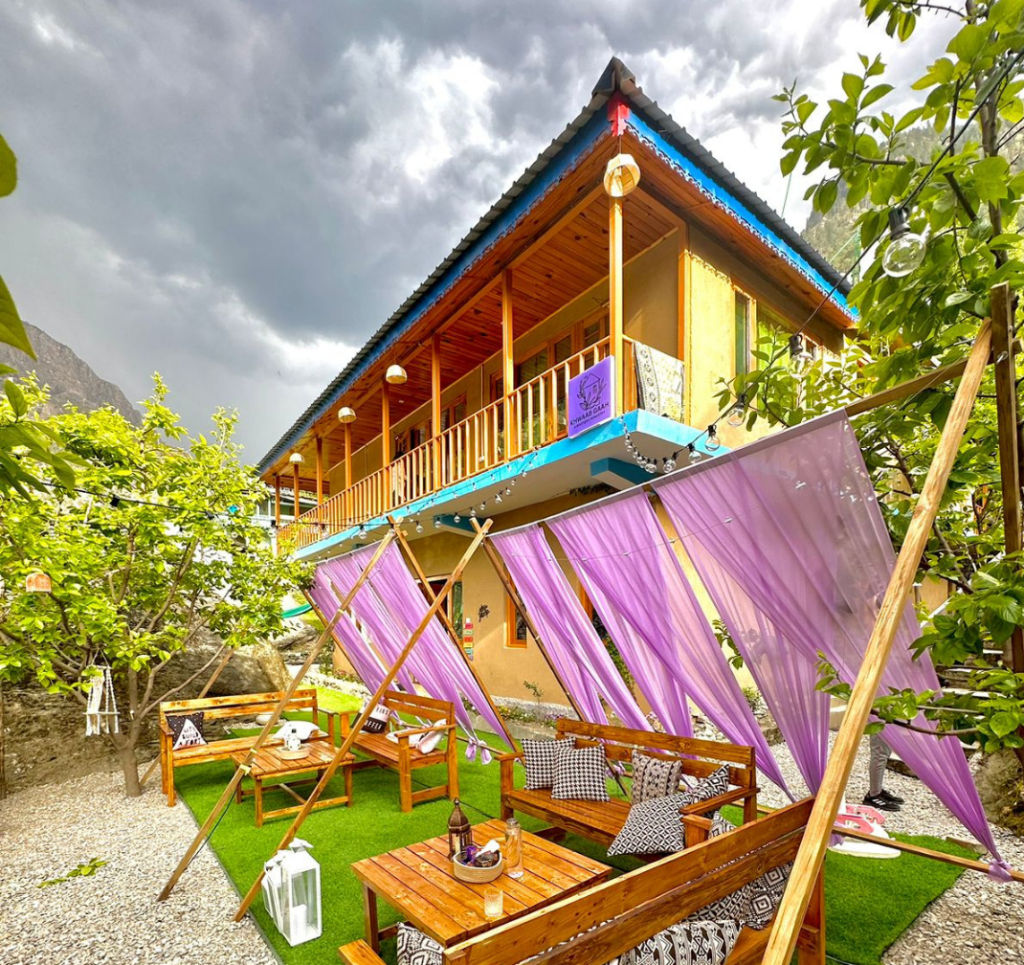
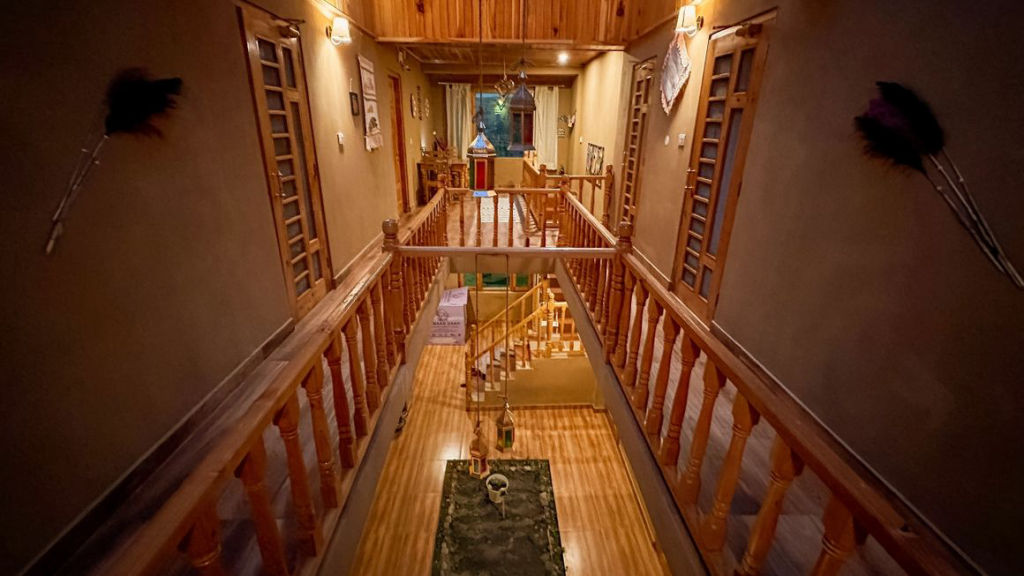
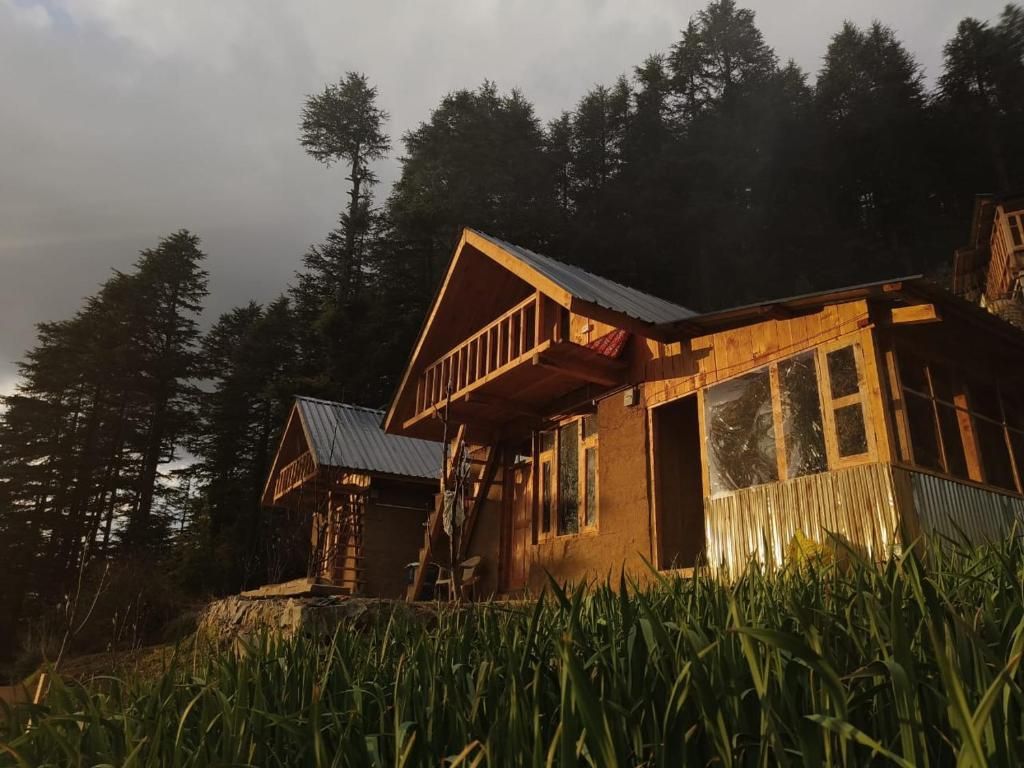
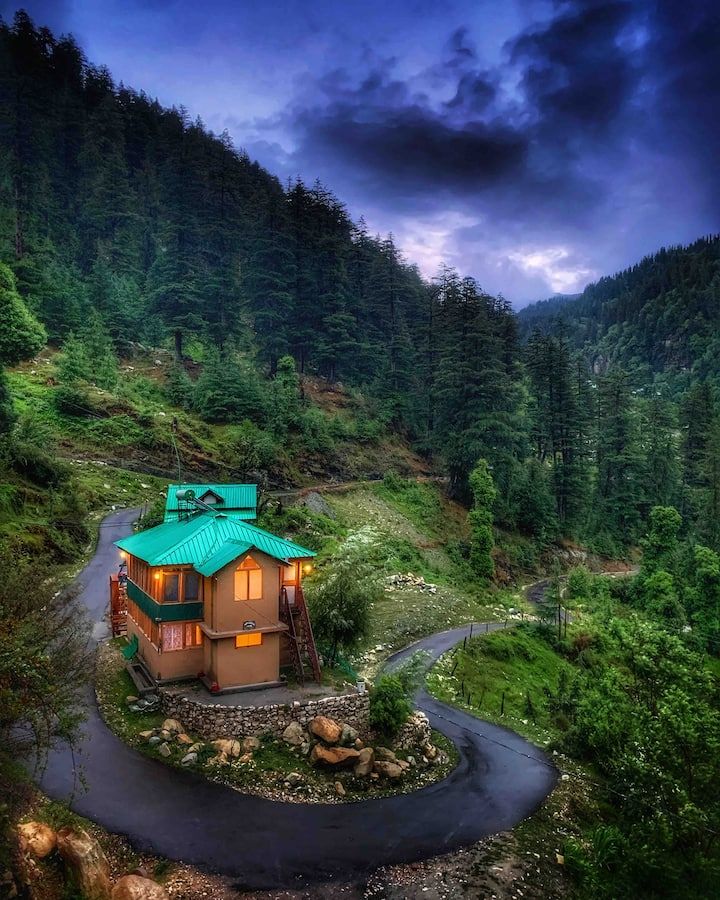
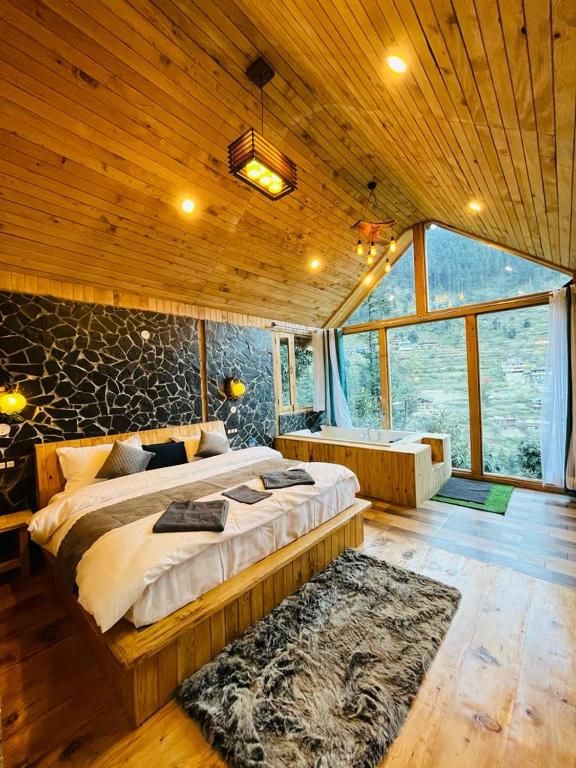
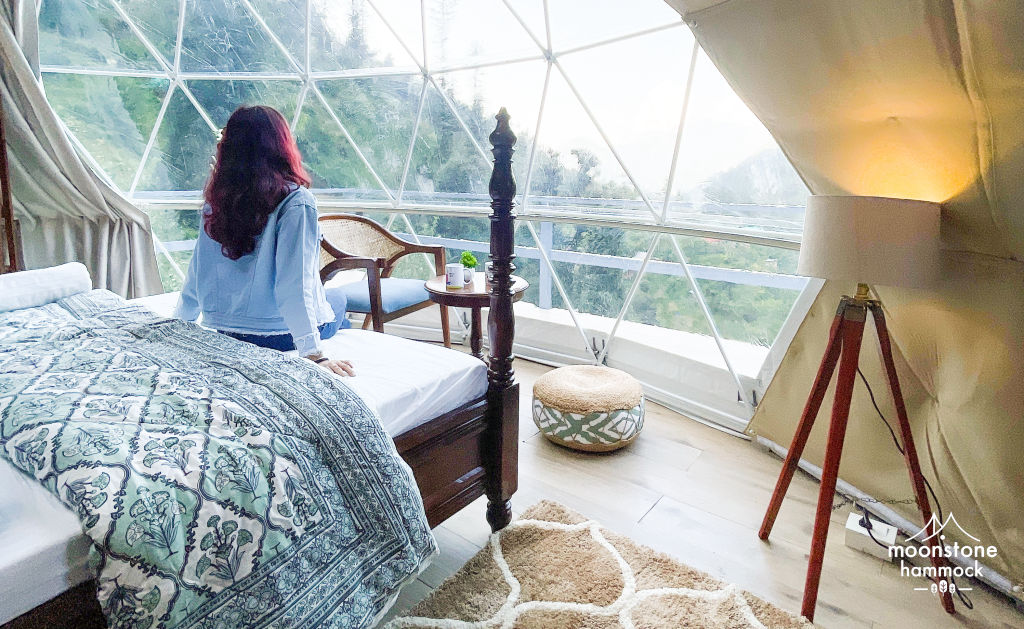
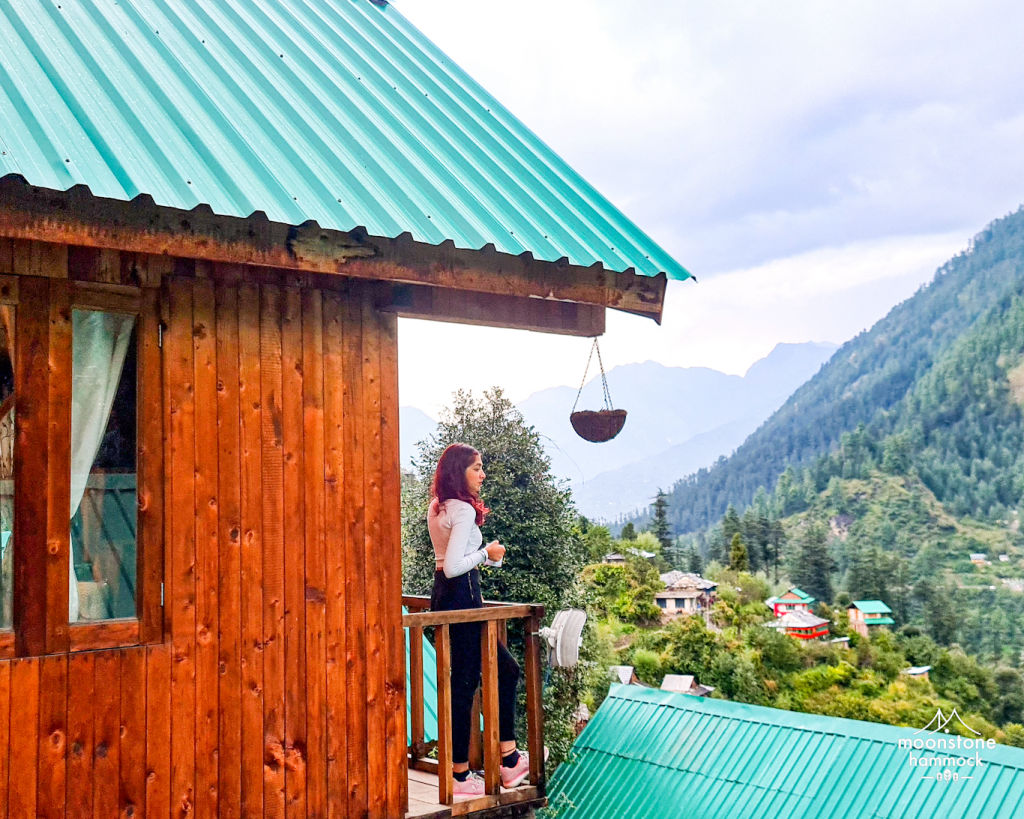
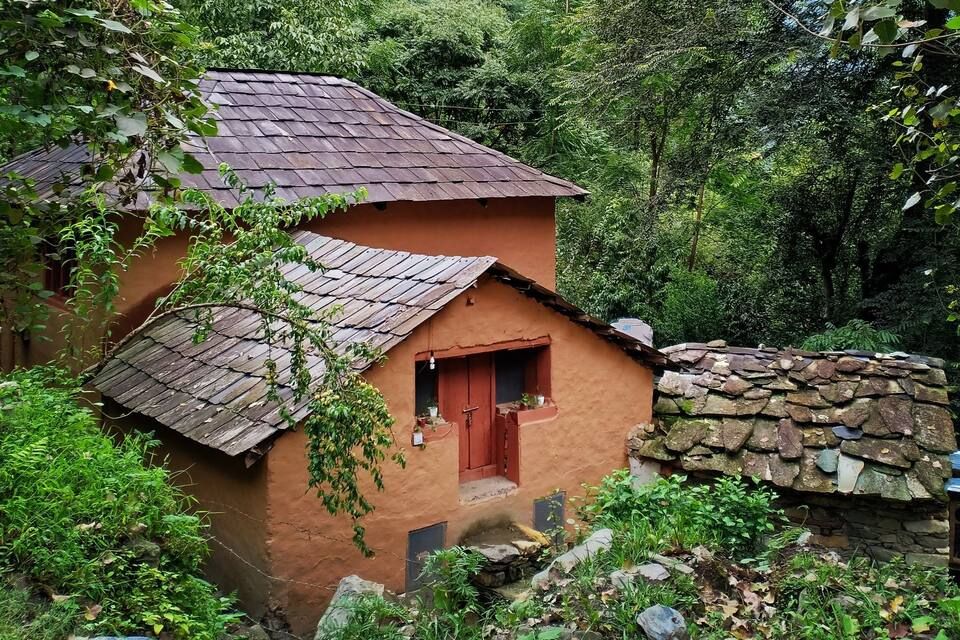
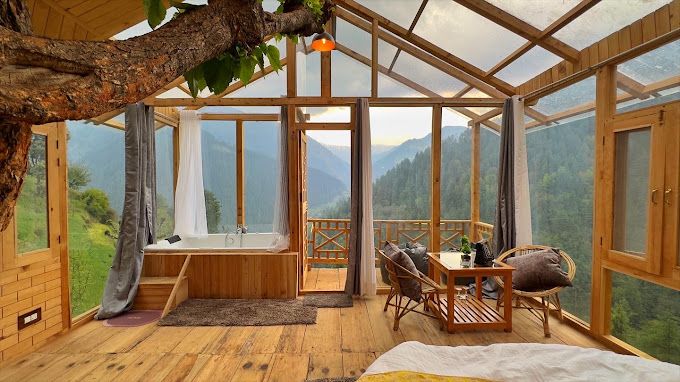
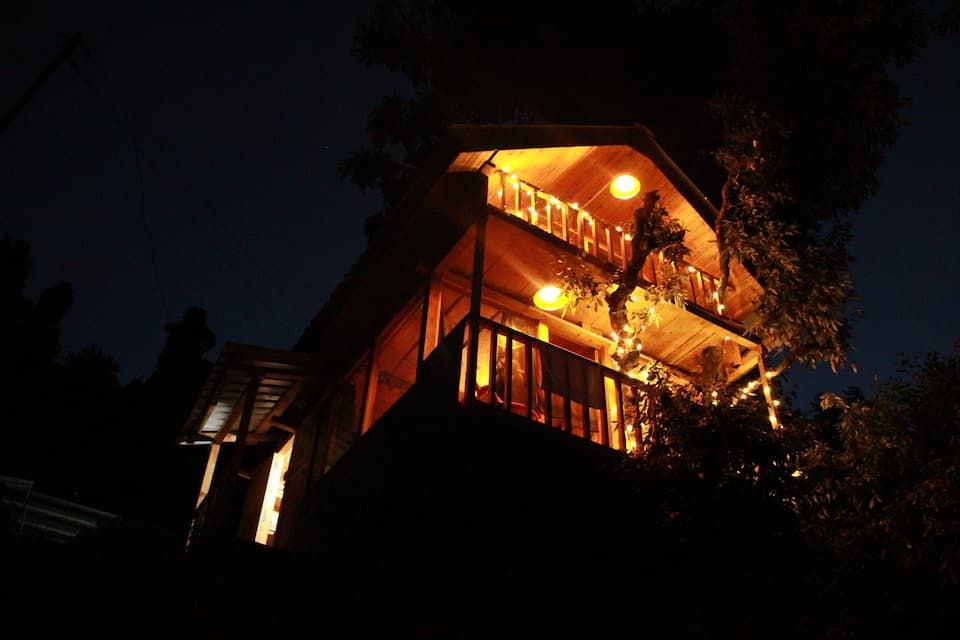
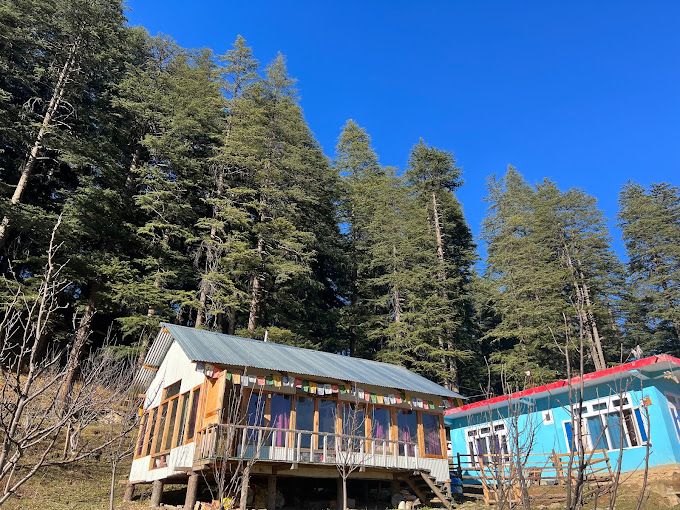
Accommodations in Gushaini reflect the natural and architectural spirit of the valley. Visitors can choose from traditional riverside cottages, community-run homestays, and rustic wooden lodges tucked into apple orchards. Staying in a local homestay offers travellers warm mountain hospitality and simple home-cooked regional meals made from locally sourced ingredients.
For those who prefer sleeping outdoors closer to the water, riverside camping options provide clear views of the stars and the continuous sound of the river. You can explore and book verified camps, homestays, and unique nature stays in and around Gushaini directly on HireACamp.
Frequently asked questions
What is Gushaini known for?
Gushaini is best known as the entry gateway to the Great Himalayan National Park and as a premier trout-fishing and birdwatching destination along the Tirthan River.
Does it snow in Gushaini?
Gushaini receives occasional light snowfall during the coldest mid-winter months between late December and February, while higher ridges nearby like Jalori Pass experience heavy snow.
Can beginners trek into the Great Himalayan National Park from Gushaini?
Yes, beginners can undertake day hikes up to the ecozone boundaries, local waterfalls, and park gates from Gushaini, though multi-day expeditions deeper into the core zone require good fitness and a local guide.
How do I reach Gushaini by road from Delhi?
From New Delhi, you drive approximately 481 kilometres toward Manali via Chandigarh and Mandi, turning off before the Aut tunnel toward Larji and Banjar to reach Gushaini in roughly 10 hours.
Is trout fishing allowed in Gushaini throughout the year?
Trout angling is strictly regulated by the state fisheries department and is typically restricted during the annual breeding season, so you must check current local regulations and secure permits before fishing.
Where you'll be
11 stays nearby shown with prices
Stays near Gushaini
Book a place to stay close by
Things to do in Gushaini
48 places creators recommend within 30 km


Built from 0 Instagram posts by 0 creators. Every tip links back to the post it came from, and where creators disagree we show both sides.






