
Harishchandreshwar Mandir
Temple near Thitabi Tarf Vaishakhare, Maharashtra
5 km from Thitabi Tarf Vaishakhare
The nearest town, for stays, food and fuel.
Harishchandreshwar Mandir is an ancient rock-cut temple dedicated to Lord Shiva, located atop the Harishchandragad plateau in the Western Ghats of Maharashtra. Surrounded by rugged basalt cliffs and misty valleys near Malshej Ghat, it is one of the most prominent historical and spiritual landmarks in the Sahyadris. Trekkers and pilgrims make the journey here to admire its medieval stone craftsmanship, natural mountain caverns, and expansive views.
Getting there
By road
- From Nashik2 hr 35 min · 98 km
- From Thitabi Tarf VaishakhareNearest town2 hr 40 min · 107 km
- From Pune4 hr 5 min · 165 km
- From Mumbai 4 hr 35 min · 214 km
Typical drive times without traffic. Stations and airports from OLA Maps; distances and typical drive times from OpenStreetMap (© OpenStreetMap contributors); notes from creators' Reels.
About Harishchandreshwar Mandir
Written with AI from map data and general knowledge. Check prices and timings locally before you go.
Architecture and heritage of Harishchandreshwar Mandir
Harishchandreshwar Mandir stands as a testament to medieval Indian temple craftsmanship. Built in the Hemadpanthi architectural style, the temple is constructed out of locally quarried dark basalt stone without the use of mortar. The intricate relief work on the external walls displays carvings of various deities, mythical beasts, and floral motifs that have endured centuries of harsh montane weather.
The sanctum sanctorum houses a stone Shiva lingam, situated below the ground level of the main hall. Natural mountain springs seep into the temple precincts, ensuring that the inner sanctum often retains a shallow pool of cold water. Stepping into the interior reveals cool, shadowed corridors supported by heavy, sculpted stone pillars that create a quiet and contemplative atmosphere high above the surrounding plains.
The temple complex and Kedareshwar Cave
The area immediately around Harishchandreshwar Mandir features several ancient structures that form a larger archaeological complex. Right outside the primary shrine lies a stepped water tank known locally as a pushkarini. Its stone steps and decorative niches once served as the ritual bathing area for pilgrims visiting the plateau, and it still collects rainwater from the higher ridges.
A short walk from the temple brings visitors to the famous Kedareshwar Cave. Inside this cavern sits a massive Shiva lingam completely submerged in waist-deep water throughout the year. The roof of the cave is supported by a single massive stone pillar. According to local folklore, four pillars originally supported the ceiling, representing four cosmic epochs, with only one remaining in modern times. The water inside the cave is fed by subterranean springs and remains icy cold even during warmer summer afternoons.
Read more
Best time to visit Harishchandreshwar Mandir
The atmosphere at Harishchandreshwar Mandir shifts dramatically with the changing seasons of Maharashtra. The post-monsoon months from October to February offer the most pleasant conditions for travelling and hiking. During these winter months, temperatures on the plateau drop pleasantly, skies remain clear, and the valleys below are often covered in soft morning mist.
The monsoon season from June to September transforms the plateau into a lush green landscape wrapped in thick fog and driving rain. Cascades emerge along every rocky face, and the walk up can be slippery and windy. While dramatic and green, monsoon visits require extra caution on exposed mountain trails. The summer months from March to May bring dry heat and strong sunshine during the day, though early mornings and nights remain relatively cool due to the altitude.
Trek routes and how to reach Harishchandreshwar Mandir
Reaching Harishchandreshwar Mandir requires a trek, as there is no motorable road leading directly to the temple. The two most common starting points are the villages of Pachnai and Khireshwar. Pachnai is located on the eastern side and provides the shortest and most gradual ascent, making it popular for those looking for a relatively straightforward walk through rock-cut steps and meadows.
The route starting from Khireshwar passes near Pimpalgaon Joga Dam and climbs up through the Tolar Khind pass. This trail is longer, steeper, and demands greater physical endurance, offering views across the rugged ridges of the Sahyadri range. For public transport, regional buses and shared vehicles run from larger transit hubs like Kalyan, Pune, and Nashik toward Otur, Alephata, or Akole, from where local transport connects to the base villages. Travellers driving private vehicles can reach base villages via the highway networks traversing Malshej Ghat.
Places to visit around Harishchandreshwar Mandir
The Harishchandragad plateau contains several other dramatic viewpoints within walking distance of the temple. The most famous is the Konkan Kada, a colossal concave cliff that drops thousands of feet down toward the Konkan plains. On clear evenings, the sunset from Konkan Kada provides a panoramic spectacle across the lower valleys, and during the monsoon, strong updrafts blow mist upward against the cliff edge.
Tarakmati, the highest point on the fort ridge, provides expansive 360-degree vistas across neighboring Sahyadri peaks. Looking out across the horizon, hikers can spot Ratangad, Kalsubai Peak, and Pabargad on clear days. Descending the plateau toward the road opens up visits to Malshej Ghat, known for its monsoon waterfalls, and the expansive backwaters of Pimpalgaon Joga Dam, where migratory birds often gather in the winter months.
Tips for your visit
Because Harishchandreshwar Mandir is located on an isolated mountain plateau, visiting requires thoughtful preparation. Footwear with reliable grip is essential, as the trails involve walking over loose scree, wet stone steps, and uneven bedrock. Sturdy trekking shoes prevent slipping, particularly during the rainy months.
Carry sufficient drinking water and high-energy snacks for the ascent. While small temporary tea stalls run by villagers can sometimes be found along popular routes and near the temple, their availability varies depending on the season and day of the week. Always carry a dependable flashlight or headlamp if you plan to walk during early morning or late evening hours. Visitors should practice responsible outdoor ethics by carrying back all non-biodegradable waste, as high-altitude ecosystems are sensitive and do not have municipal waste services.
Where to stay near Harishchandreshwar Mandir
Travellers planning an overnight journey usually stay either on the plateau or at the base villages before starting their trek. Many visitors choose to camp on the open grounds near the temple or rest inside the ancient rock caves that provide natural shelter from wind and rain. Simple local meals are often available through villagers who reside on the mountain during busier trekking seasons.
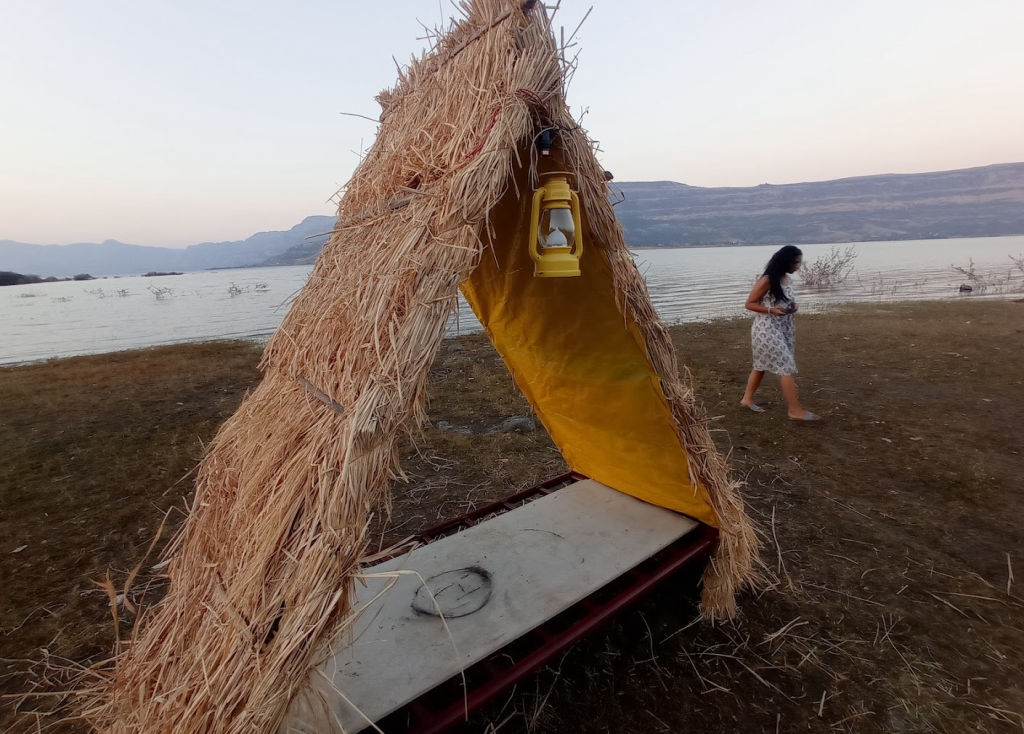
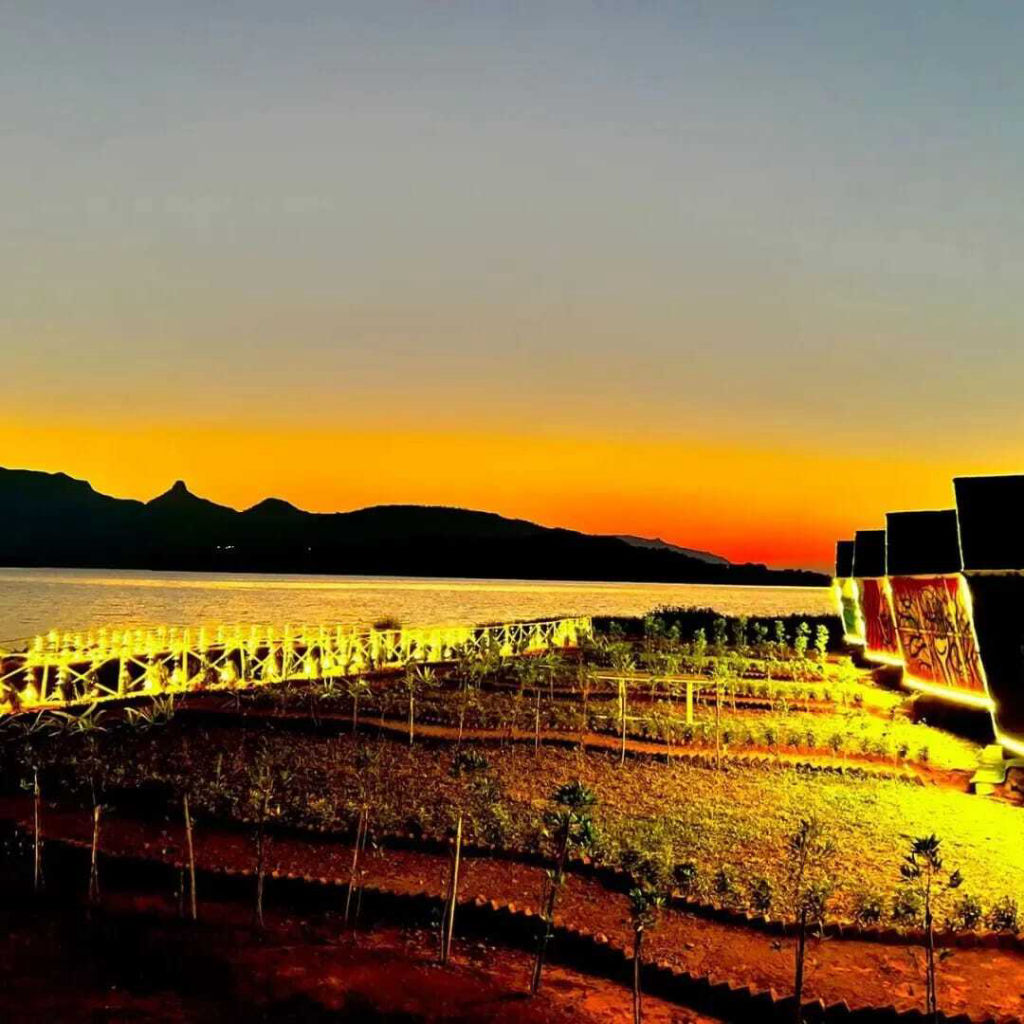
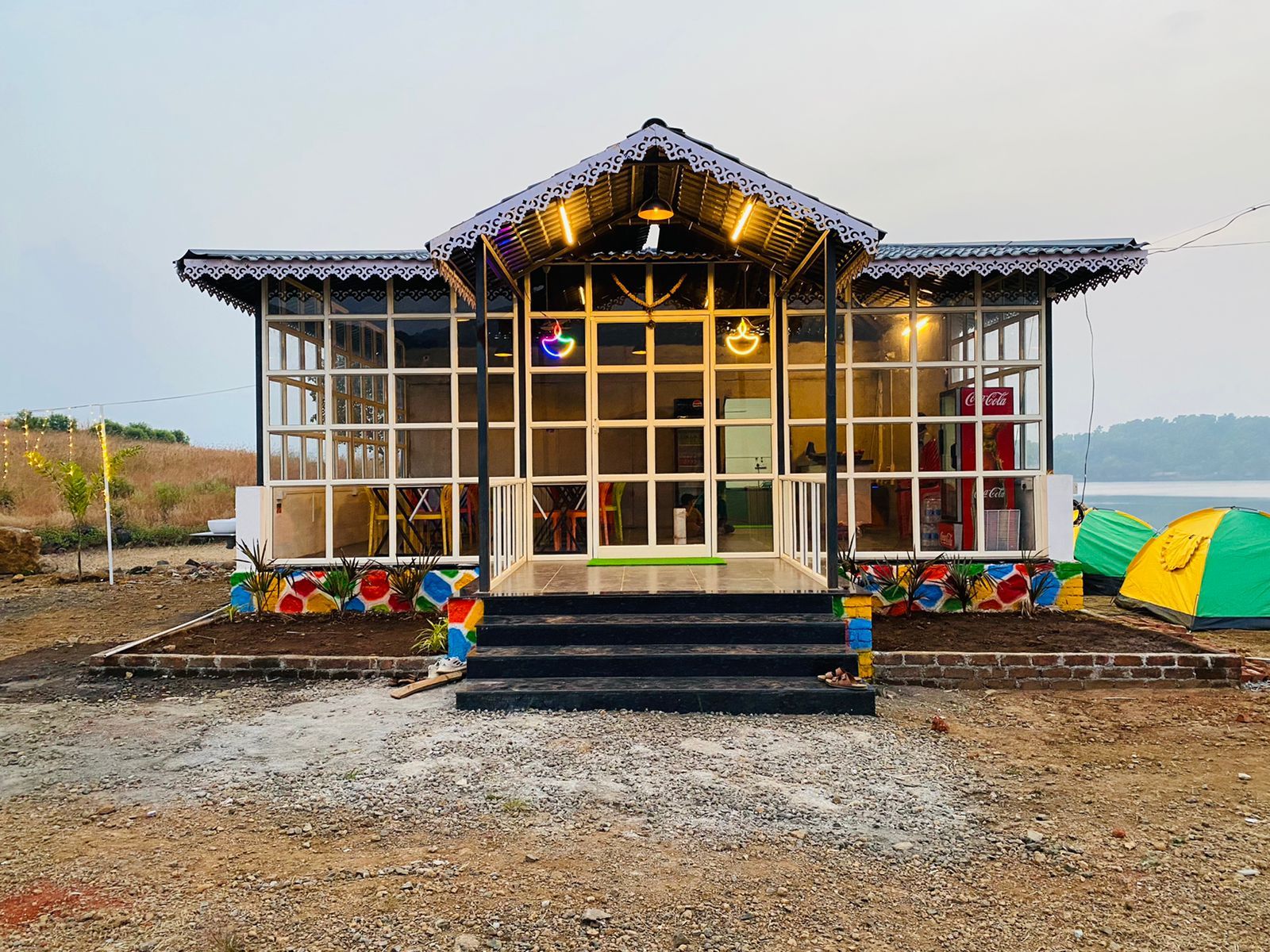
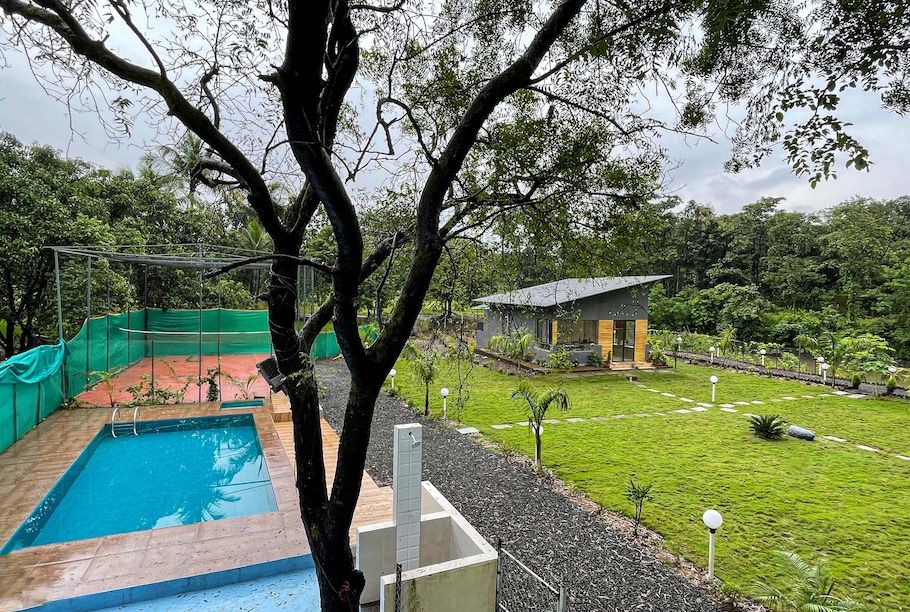
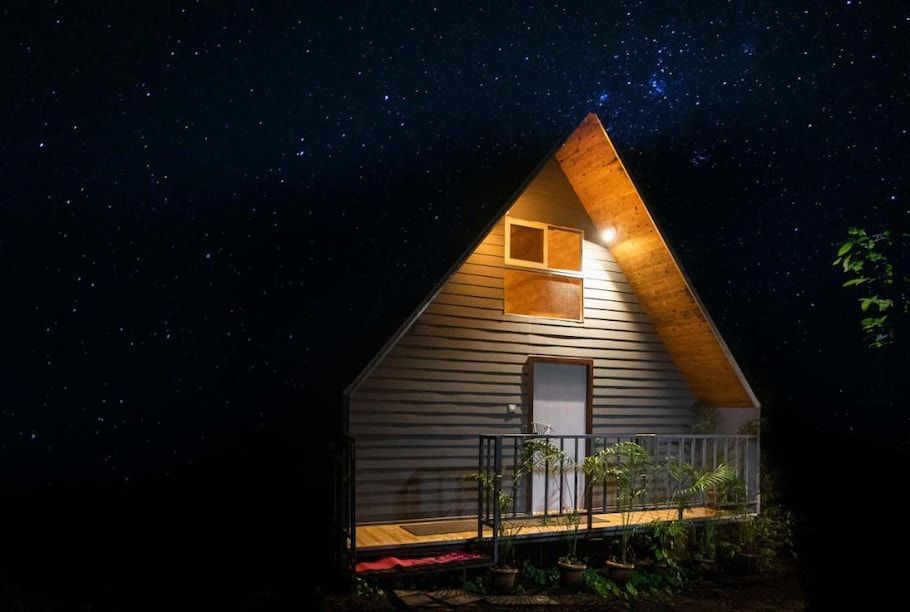
For those seeking structured accommodations with proper amenities, homestays, rural retreats, and established campsites are available in the base hamlets and along the main roads near Malshej Ghat. You can explore a variety of nearby stays, rural cottages, and outdoor campsites on HireACamp to suit your travel schedule.
Frequently asked questions
Where is Harishchandreshwar Mandir located?
Harishchandreshwar Mandir is situated on the Harishchandragad fort plateau in the Western Ghats of Maharashtra, close to Malshej Ghat in the Akole region.
Can you drive directly to Harishchandreshwar Mandir?
No, there is no road leading directly to the temple. Visitors must trek up from base villages such as Pachnai or Khireshwar.
What is the easiest trek route to the temple?
The route starting from Pachnai village is the easiest and most direct trail to reach the temple plateau.
What is unique about the Kedareshwar Cave near the temple?
Kedareshwar Cave features a large Shiva lingam submerged in natural cold spring water, supported by a single massive carved stone pillar.
Which season is ideal for visiting Harishchandreshwar Mandir?
The post-monsoon and winter months from October to February offer cool temperatures, clear skies, and comfortable trekking conditions.
Where you'll be
Malshej, Akola, MH · 6 stays nearby shown with prices
Stays near Harishchandreshwar Mandir
Book a place to stay close by

More places near Harishchandreshwar Mandir
Within 20 km


Lists for this area
Ranked by how many creators recommend each place


Built from 0 Instagram posts by 0 creators. Every tip links back to the post it came from, and where creators disagree we show both sides.


