
Girijatmaj Temple
Temple near Thitabi Tarf Vaishakhare, Maharashtra
4.6 km from Thitabi Tarf Vaishakhare
The nearest town, for stays, food and fuel.
Girijatmaj Temple is a revered rock-cut shrine situated inside the ancient Lenyadri cave complex near Junnar in Maharashtra. It holds a distinct place among Maharashtra's sacred Ashtavinayak circuit as the only Ganpati temple set within a mountain cave. Pilgrims and travellers visit to experience its remarkable rock-hewn architecture, spiritual heritage, and panoramic views over the surrounding Kukadi valley.
Getting there
By road
- From Thitabi Tarf VaishakhareNearest town30 min · 19 km
- From Pune2 hr 40 min · 114 km
- From Nashik3 hr 5 min · 142 km
- From Mumbai 3 hr 30 min · 175 km
Typical drive times without traffic. Stations and airports from OLA Maps; distances and typical drive times from OpenStreetMap (© OpenStreetMap contributors); notes from creators' Reels.
About Girijatmaj Temple
Written with AI from map data and general knowledge. Check prices and timings locally before you go.
Understanding Girijatmaj Temple
Girijatmaj Temple occupies Cave 7 of the Lenyadri cave group, an ancient series of Buddhist rock-cut caves carved into a high cliff face near Junnar. The name Girijatmaj translates to the son of Girija (Parvati), reflecting the local legend that Parvati performed severe penance in these hills to beget Lord Ganesha. Unlike modern temples, the shrine here is carved directly out of the basalt bedrock of the Sahyadri ranges.
The temple hall is an expansive pillared chamber without any supporting central pillars, an engineering feat accomplished many centuries ago. The image of Lord Ganesha is not a freestanding idol but an engraved relief carving directly on the stone wall. The cave faces south, letting natural daylight illuminate the shrine throughout the day, creating a tranquil atmosphere that blends spiritual devotion with ancient rock-cut craftsmanship.
The climb to Girijatmaj Temple
Reaching Girijatmaj Temple requires climbing approximately three hundred rock-cut steps leading up the sheer cliff from the base of the hill. The flight of stairs is well-maintained and broad, but the incline can be demanding under the hot sun. Railings are present along several stretches to assist devotees during the ascent.
Along the steps, visitors can catch wide views of the lush farmlands and winding streams around Junnar. Because the cave complex is inhabited by local troops of bonnet macaques, it is best to keep bags zipped and refrain from carrying loose food items in hand. Taking a steady pace with regular pauses allows travellers of all fitness levels to manage the climb comfortably.
Read more
Best time to visit Girijatmaj Temple
The cooler months from October to February offer the most comfortable weather for visiting Girijatmaj Temple. During this period, the days are bright and clear with pleasant temperatures, making the outdoor climb enjoyable. Early mornings are especially refreshing before the midday sun warms the stone steps.
The monsoon months from late June to September bring a dramatic transformation to the landscape. The hill slopes turn vivid green, and distant seasonal waterfalls cascade down the cliff faces of the surrounding Western Ghats. While the stairs may become slick with rain, the dramatic cloud cover and mist make the journey scenic. The summer months between March and May tend to be dry and hot, so any climb during that season is best completed in the early morning or late afternoon.
How to reach Girijatmaj Temple
Girijatmaj Temple is located just north of Junnar in Pune district. Junnar is well-connected by road to major cities in Maharashtra, including Pune, Mumbai, and Nashik. Regular state transport buses and private vehicles operate along the state highways heading into Junnar.
Travellers arriving from Pune generally take the Pune-Nashik highway route, while those coming from Mumbai typically drive through Kalyan, Murbad, and ascend via the scenic Malshej Ghat. From the central bus stand in Junnar, local auto-rickshaws and taxis provide quick and frequent transit to the base of the Lenyadri hill. The nearest major railway stations are at Pune and Kalyan, while Pune International Airport serves as the closest air hub.
Tips for your visit
Sturdy footwear with good grip is recommended for climbing the rock steps, especially if visiting during or shortly after the rainy season when surfaces can be damp. Carrying a bottle of drinking water is advisable, though water stalls and refreshments are generally available at the foothills.
Modest clothing suited for religious sites is appreciated. Since the temple is located within an active archaeological and sacred complex, visitors should follow designated pathways and avoid leaving litter behind. Temple timings and daily rituals can vary on festive occasions like Ganesh Jayanti and Vinayaka Chaturthi, so checking locally with temple authorities or resident guides on arrival is the best approach.
Places to explore around Junnar
The region surrounding Girijatmaj Temple is rich in natural beauty and Maratha history. Just a short drive away lies Pimpalgaon Joga Dam, a popular resting ground for migratory waterfowl and an ideal spot for peaceful lakeside walks. Manikdoh Dam and the nearby leopard rescue centre offer further insights into the local ecology and conservation efforts in the foothills.
Those interested in trekking and hill forts can head toward the imposing ramparts of Shivneri Fort, the birthplace of Chhatrapati Shivaji Maharaj, located within the Junnar valley. Further west toward the edge of the Deccan plateau, the dramatic pass of Malshej Ghat and the towering heights of Harishchandragad offer hiking trails, deep valleys, and expansive viewpoints across the Western Ghats.
Where to stay near Girijatmaj Temple
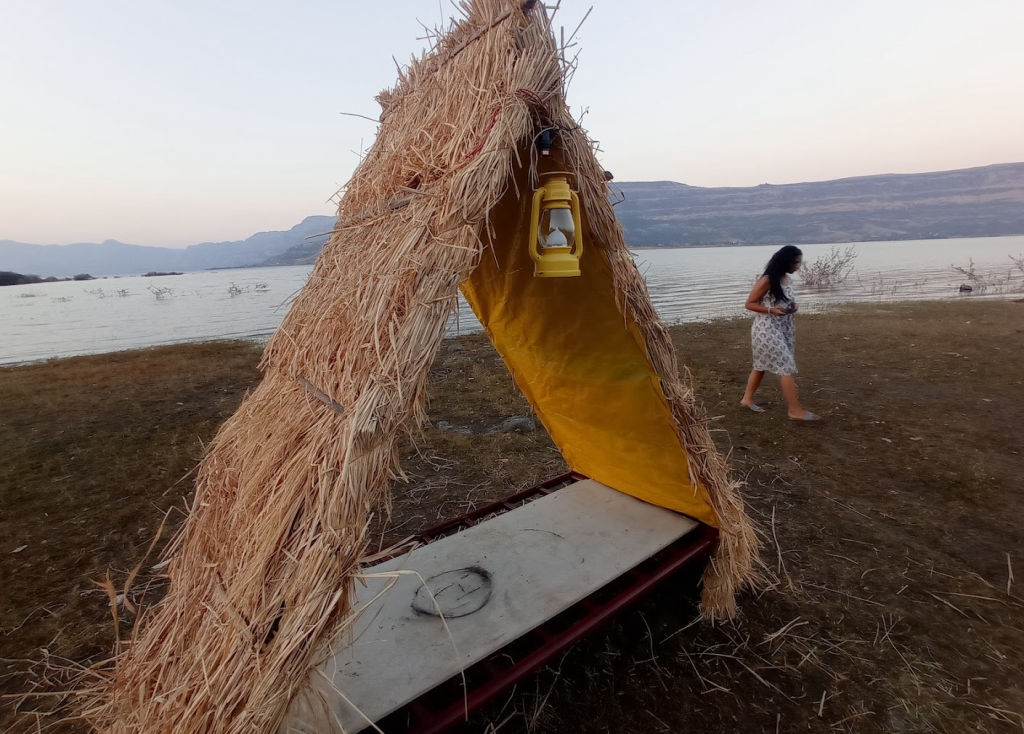
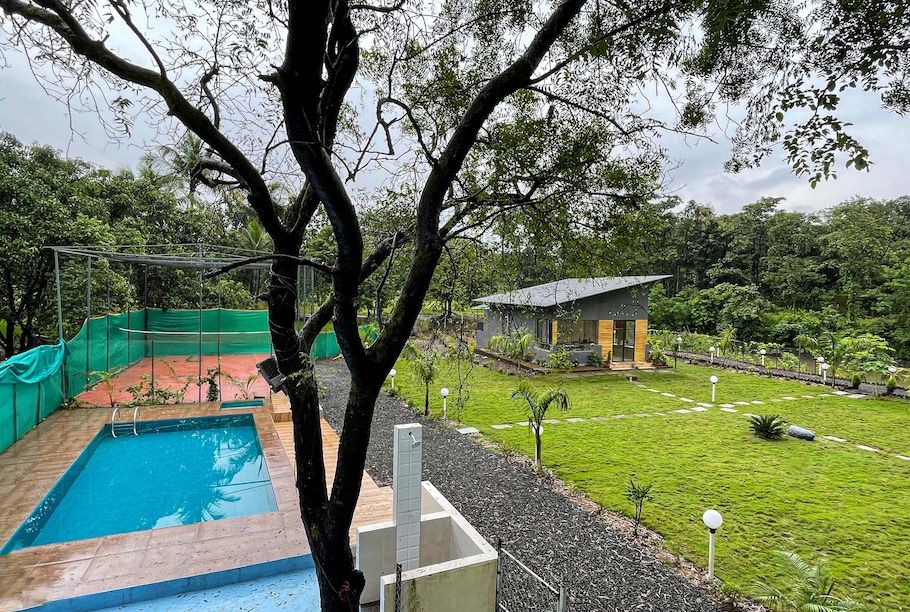
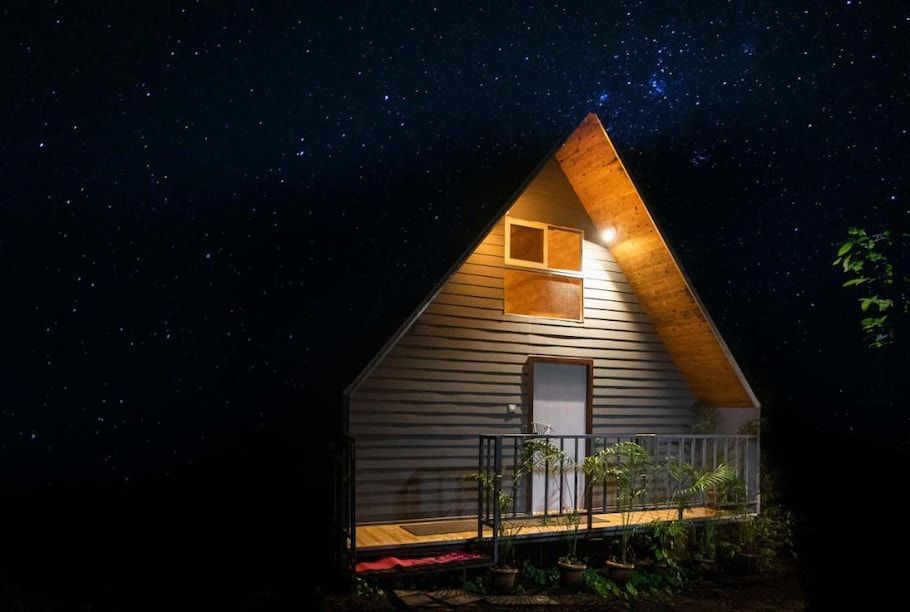
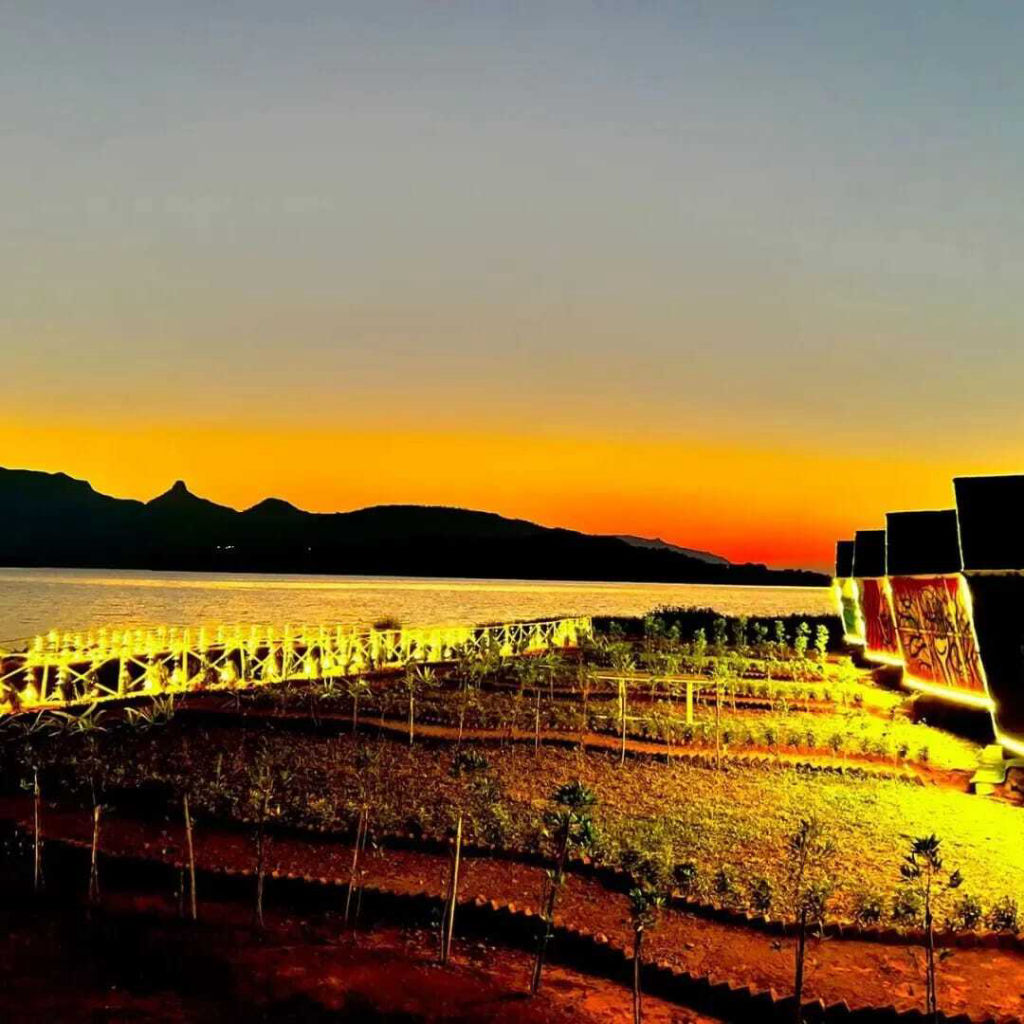
Visitors planning an overnight stay or an extended weekend around Junnar can choose from several options ranging from simple town lodges to nature retreats. Travellers who enjoy open-air living, rustic farm stays, and riverside camping can find curated stays and campsites around Junnar and the neighbouring hills on HireACamp.
Staying around Junnar allows you to explore the local caves and forts early in the morning before daytime temperatures rise and day visitors arrive from larger cities.
Frequently asked questions
How many steps lead to Girijatmaj Temple?
Visitors need to climb roughly three hundred rock-cut steps from the base of the hill to reach the temple entrance in Cave 7.
What makes Girijatmaj Temple unique among the Ashtavinayak shrines?
It is the only Ashtavinayak temple carved inside a natural rock-cut cave within a mountain complex, featuring an engraved relief deity rather than a separate idol.
Can elderly visitors manage the climb to the temple?
The steps are wide with railings along parts of the route, allowing an unhurried ascent. Palanquin (doli) services operated by local porters are often available at the base for elderly or less mobile visitors.
Is Girijatmaj Temple part of a Buddhist cave complex?
Yes, Girijatmaj Temple is housed in Cave 7 of the Lenyadri caves, a historic series of Buddhist rock-cut viharas and chaityas dating back over a thousand years.
How far is Girijatmaj Temple from Junnar town?
The temple complex is located about five kilometres from the heart of Junnar and is easily reached via local auto-rickshaws or private cars.
Where you'll be
Junnar, MH · 6 stays nearby shown with prices
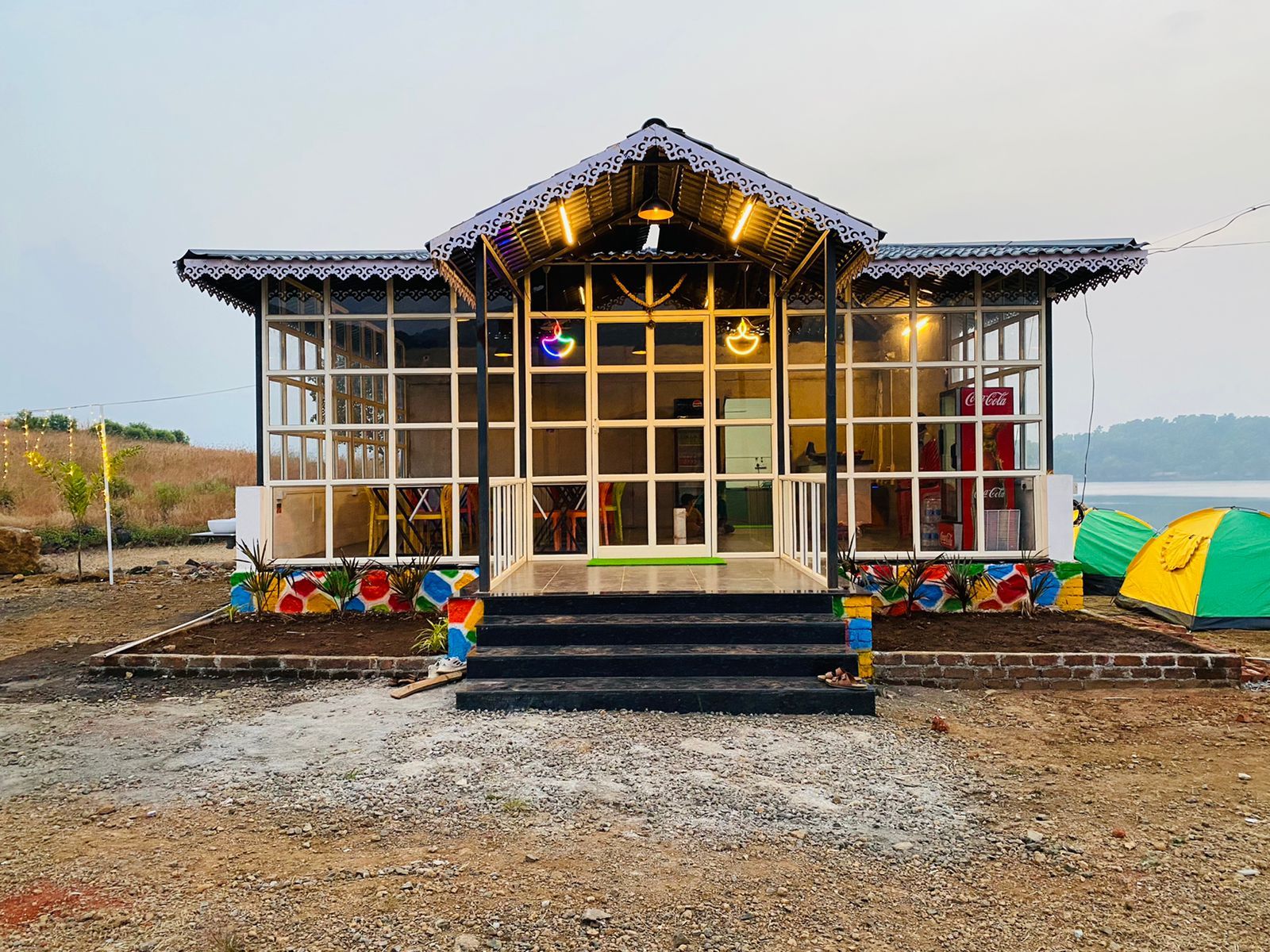
Stays near Girijatmaj Temple
Book a place to stay close by

More places near Girijatmaj Temple
Within 20 km


Lists for this area
Ranked by how many creators recommend each place


Built from 0 Instagram posts by 0 creators. Every tip links back to the post it came from, and where creators disagree we show both sides.


