
Kalsubai Wildlife Sanctuary
Wildlife sanctuary near Thitabi Tarf Vaishakhare, Maharashtra
6.1 km from Thitabi Tarf Vaishakhare
The nearest town, for stays, food and fuel.
Kalsubai Wildlife Sanctuary is a protected reserve situated along the rugged Sahyadri ranges in the Ahmednagar district of Maharashtra. Spanning steep mountain ridges, dense deciduous forests, and perennial streams, it shelters diverse flora and fauna of the northern Western Ghats. Outdoor travellers, hikers, and nature lovers visit the sanctuary to experience its rich biodiversity, expansive valley views, and scenic mountain trails.
Getting there
By road
- From Nashik2 hr 35 min · 98 km
- From Thitabi Tarf VaishakhareNearest town2 hr 40 min · 107 km
- From Pune4 hr 5 min · 165 km
- From Mumbai 4 hr 35 min · 214 km
Typical drive times without traffic. Stations and airports from OLA Maps; distances and typical drive times from OpenStreetMap (© OpenStreetMap contributors); notes from creators' Reels.
About Kalsubai Wildlife Sanctuary
Written with AI from map data and general knowledge. Check prices and timings locally before you go.
About Kalsubai Wildlife Sanctuary
Nestled high in the Western Ghats of Ahmednagar district, Kalsubai Wildlife Sanctuary encompasses some of the most dramatic mountain terrain in Maharashtra. The sanctuary was designated to safeguard the fragile ecology of the Sahyadri range, an internationally recognized biodiversity hotspot. Its geography is characterized by towering basalt cliffs, plateau grasslands, deep wooded ravines, and seasonal waterways that drain into nearby reservoirs.
The forest cover within the reserve shifts from moist deciduous to semi-evergreen along sheltered valleys and stream banks. Trees such as teak, jambhul, hirda, and beheda dominate the canopy, creating a protective haven for diverse regional fauna. Animals residing here include the Indian leopard, barking deer, wild boar, sambar, jungle cat, and palm civet. The reserve is equally celebrated for its avian life, sheltering resident forest birds, high-altitude raptors riding the thermals, and seasonal visitors across surrounding wetlands.
Things to do in Kalsubai Wildlife Sanctuary
Hiking and nature walks are among the most rewarding ways to experience the sanctuary. Foot trails pass through quiet woodland patches, traditional farming hamlets, and high ridges that reveal sweeping views of the surrounding valleys. Paths range from gentle explorations along the fringes of forest water bodies to demanding hill treks that climb toward neighbouring historical peaks.
Birdwatching and wildlife photography thrive in the sanctuary, particularly during the early morning and late afternoon hours. Patient observers can look out for flycatchers, hornbills, woodpeckers, and sunbirds darting through the foliage. During the post-monsoon period, the sanctuary floor blooms with wild flora, attracting a diverse range of butterflies and native insects. Exploring tranquil spots around nearby backwaters like Ambit Dam also provides peaceful settings for quiet observation and landscape photography.
Read more
Best time to visit Kalsubai Wildlife Sanctuary
The climate in the sanctuary changes dramatically with the seasons, each offering a distinct mood in the mountains. The monsoon months, from late June through September, transform the entire landscape into a lush green paradise filled with cascading streams and rolling fog. While the heavy rains create stunning scenery, mountain trails can become slick, making good footwear essential for anyone travelling during this time.
The post-monsoon and winter seasons, running from October to February, are generally considered the best period for outdoor exploration, birdwatching, and trekking. During these months, the rains subside, temperatures turn cool and pleasant, and valley visibility is at its clearest. The summer months between March and May are warmer and dry out the foliage, though early mornings remain comfortable and wildlife sightings around perennial water sources can be fruitful.
How to reach Kalsubai Wildlife Sanctuary
Kalsubai Wildlife Sanctuary is well connected by road from major cities in Maharashtra, including Mumbai, Pune, and Nashik. The sanctuary can be approached via routes leading toward Akole, Rajur, or Otur, depending on which trailhead or section you intend to visit. Travellers driving from Mumbai typically take the Kalyan-Murbad-Malshej Ghat route or travel along the Mumbai-Nashik highway before turning off toward Ghoti or Igatpuri.
From Pune, the most straightforward drive goes north via the Pune-Nashik highway, branching off near Narayangaon toward Otur or continuing up toward Sangamner and Akole. For those travelling by public transit, regular state transport buses connect major city depots to Akole and Rajur. From these central hubs, shared jeeps and local buses run to the outlying base villages. Kasara and Igatpuri serve as the most convenient railheads for rail travellers approaching from the central railway line.
Places to visit near Kalsubai Wildlife Sanctuary
The area surrounding the sanctuary is filled with remarkable natural landmarks and historic sites. Harishchandragad sits directly alongside the sanctuary borders, celebrated for its ancient rock-cut caves, medieval temple architecture, and the legendary Konkan Kada cliff that drops vertically into the Konkan plains. Nearby Malshej Ghat offers scenic viewpoints, winding hill roads, and dramatic valley vistas that draw travellers throughout the monsoon.
Water reservoirs in the vicinity, such as Ambit Dam and Pimpalgaon Joga Dam, offer peaceful waterscapes against backdrops of rugged mountains. Pimpalgaon Joga Dam is particularly well known for welcoming migratory bird species, including flamingos during winter. History and architecture enthusiasts can make a detour to the twelfth-century Shree Amruteshwar Temple, noted for its ornate stone carvings. Adventurous travellers can also venture toward Sandhan Valley, a dramatic water-carved slot canyon, or explore the neighboring heights of Pabargad.
Tips for visiting Kalsubai Wildlife Sanctuary
A little preparation goes a long way toward ensuring a smooth and safe trip to the sanctuary. Sturdy footwear with reliable traction is essential, as trail surfaces can be rocky and loose, turning slick when wet. If you plan to visit during the monsoon, be prepared for leeches in wet grassland patches, and carry adequate rain protection for both yourself and your electronics.
Mobile network coverage can be weak or absent within deep valleys and forested corridors, so it is best to download offline navigation maps and share your plans before arriving. Always carry sufficient drinking water and light refreshments, as shops are limited outside of main base villages. Visitors should practice responsible outdoor habits by staying on designated paths, avoiding loud noises that disrupt wildlife, and taking all trash and plastic waste back to city disposal facilities. Check locally with forest department checkpoints regarding current trail conditions and visitor guidelines before entering protected areas.
Where to stay near Kalsubai Wildlife Sanctuary
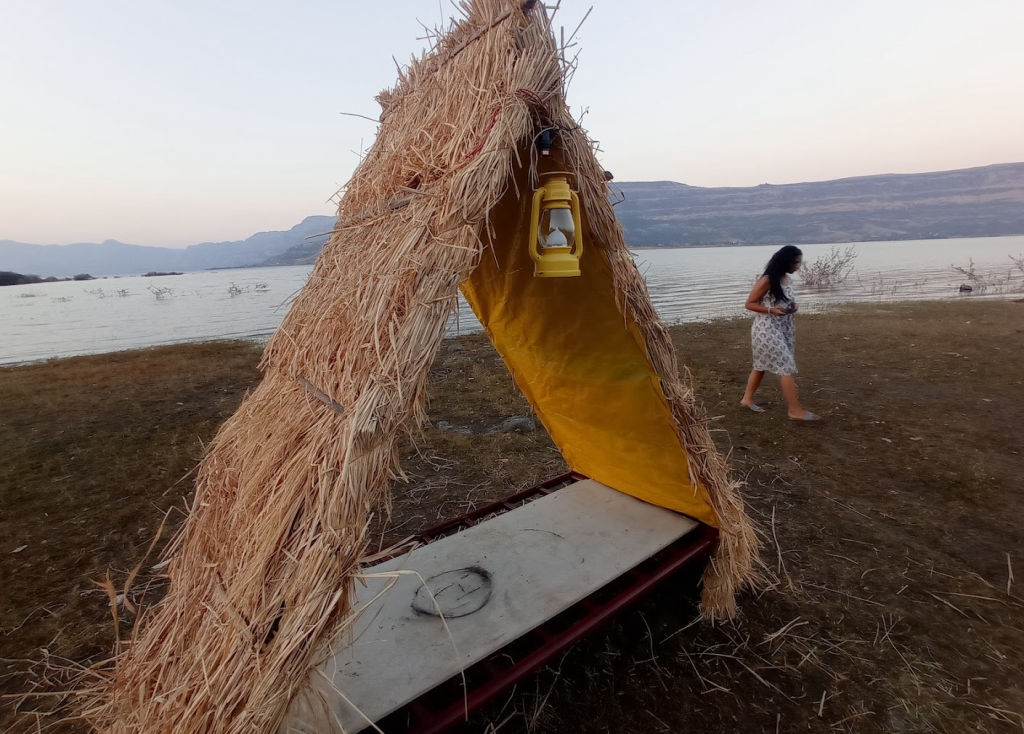
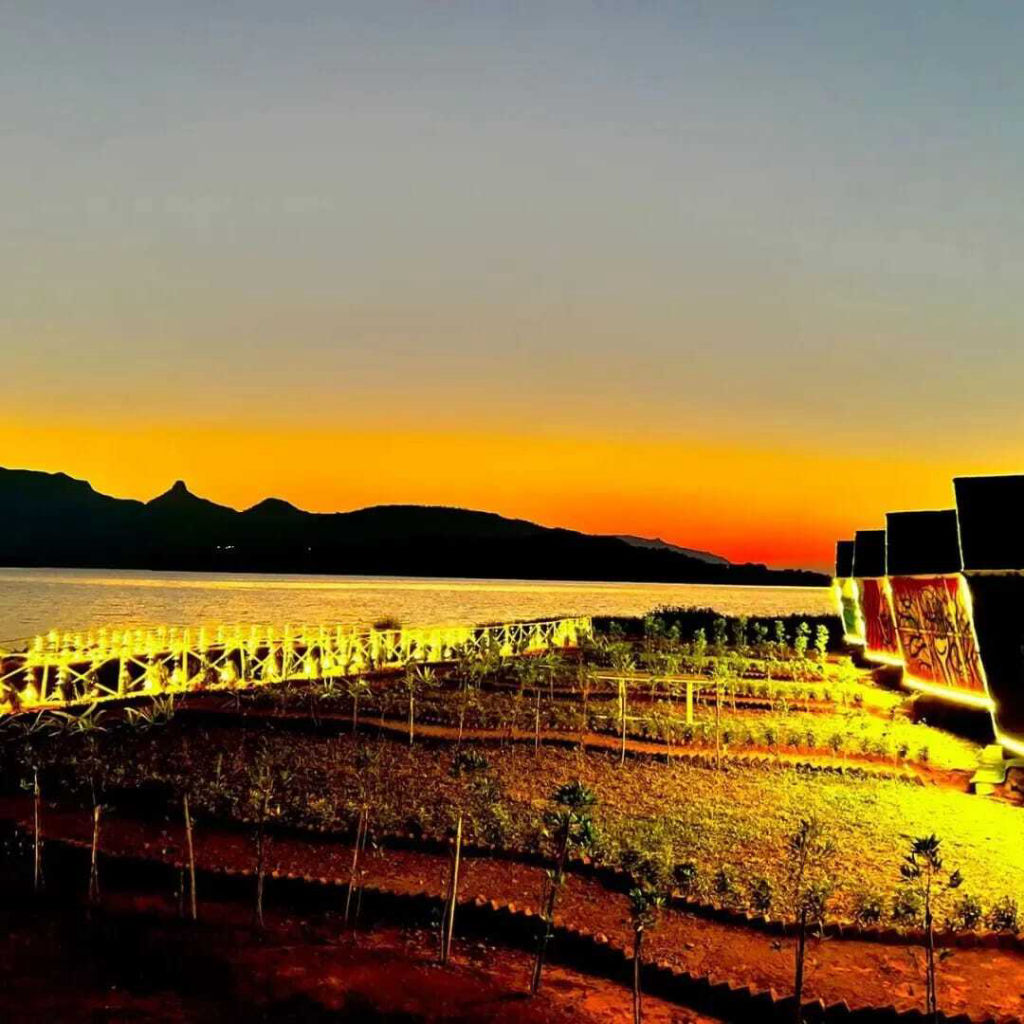
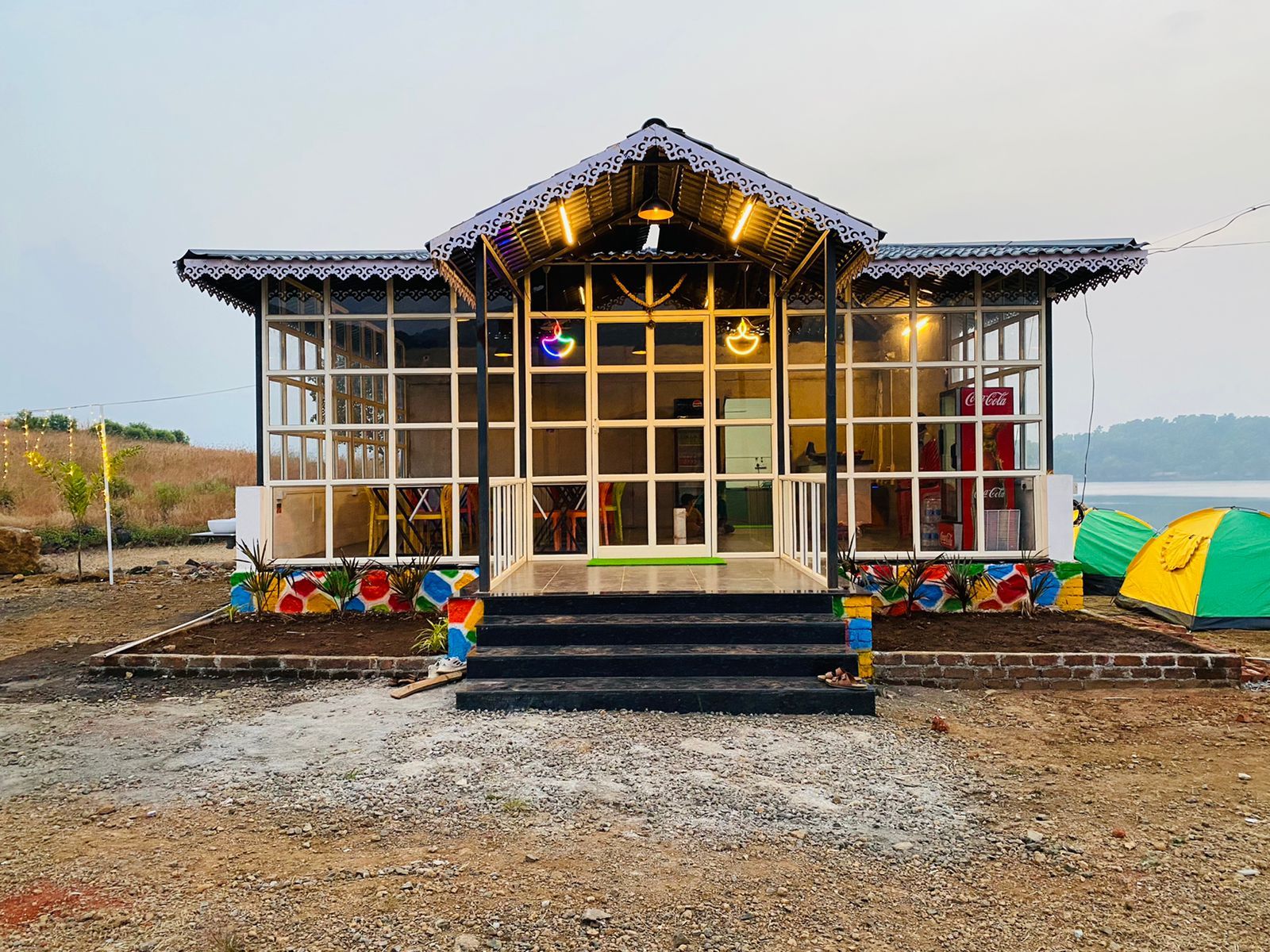
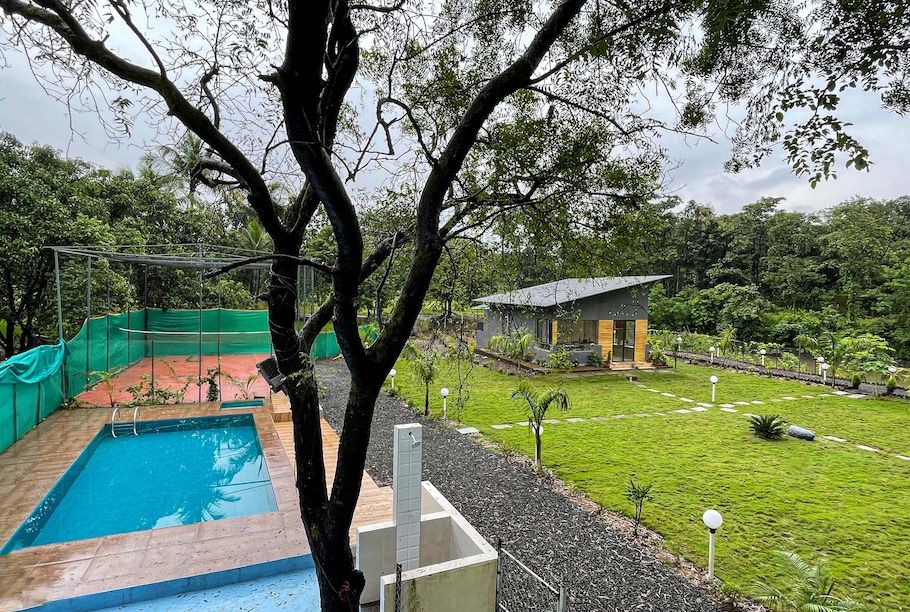
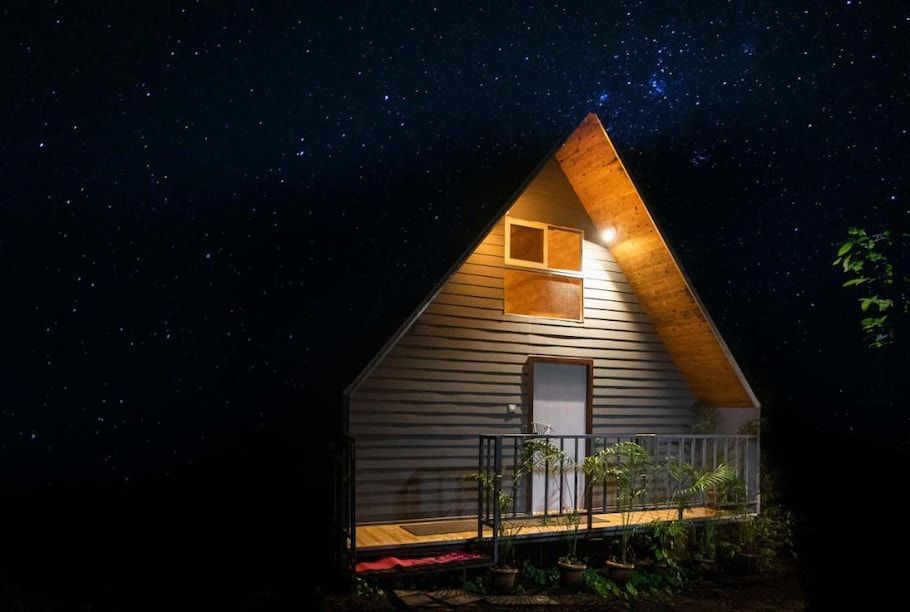
Accommodation options around Kalsubai Wildlife Sanctuary cater to travellers who appreciate simple, rural, and nature-focused stays. Base villages scattered around the sanctuary perimeter offer authentic homestays and village rooms, giving guests the opportunity to experience local culture and traditional home-cooked Maharashtrian meals. For those who want to spend their nights outdoors, scenic campsites and quiet rural stays are situated near surrounding lakes and foothill regions. Travellers can find and book vetted camps, homestays, and outdoor getaways around the sanctuary on HireACamp.
Frequently asked questions
Where is Kalsubai Wildlife Sanctuary located?
Kalsubai Wildlife Sanctuary is located in the Sahyadri mountain range of Ahmednagar district in Maharashtra, near the town of Akole.
What wildlife species can be seen in Kalsubai Wildlife Sanctuary?
The sanctuary is home to animals such as Indian leopards, barking deer, sambar, wild boar, jungle cats, and palm civets, as well as a diverse array of woodland birds and raptors.
What is the best season to explore the sanctuary?
The best time to visit is from October to February, when the weather is cool and clear for hiking and wildlife viewing. The monsoon months between June and September are ideal for experiencing lush green scenery and waterfalls.
Can visitors hike inside Kalsubai Wildlife Sanctuary?
Yes, several trails and trekking paths traverse the sanctuary hills and lead to nearby landmarks such as Harishchandragad, though hikers should stay on marked routes and check local regulations before heading out.
Are there places to stay close to Kalsubai Wildlife Sanctuary?
Rustic homestays, village rooms, and nature campsites are available in the base villages and reservoir areas near the sanctuary, which can be booked on HireACamp.
Where you'll be
Ahmednagar District, Akola, MH · 6 stays nearby shown with prices
Stays near Kalsubai Wildlife Sanctuary
Book a place to stay close by

More places near Kalsubai Wildlife Sanctuary
Within 20 km


Lists for this area
Ranked by how many creators recommend each place


Built from 0 Instagram posts by 0 creators. Every tip links back to the post it came from, and where creators disagree we show both sides.


