
Naneghat
Monument near Malshej Ghat, Maharashtra
900 m from Malshej Ghat
The nearest town, for stays, food and fuel.
Naneghat is a historic mountain pass carved through the rugged cliffs of the Western Ghats near Murbad, Maharashtra. Established over two thousand years ago during the Satavahana dynasty, it served as a vital trade link connecting coastal ports with inland market towns on the Deccan plateau. Today, travelers and trekkers visit Naneghat to marvel at its rock-cut inscriptions, ancient toll jar, and sweeping views across the Konkan plains.
Getting there
By road
- From Malshej GhatNearest town4 min · 3.9 km
- From Nashik2 hr 50 min · 130 km
- From Pune2 hr 55 min · 127 km
- From Mumbai 3 hr 15 min · 163 km
Typical drive times without traffic. Stations and airports from OLA Maps; distances and typical drive times from OpenStreetMap (© OpenStreetMap contributors); notes from creators' Reels.
About Naneghat
Written with AI from map data and general knowledge. Check prices and timings locally before you go.
The history and heritage of Naneghat
Naneghat holds a unique place in Indian antiquity as a flourishing mountain pass and trade toll station that dates back more than two thousand years. Commissioned during the reign of the Satavahana dynasty around the second to first century BCE, the pass connected ancient coastal harbors like Kalyan and Sopara with prosperous Deccan trading hubs such as Junnar and Paithan. Caravans laden with textiles, spices, salt, and precious metals traversed this narrow cleft to transport goods across the formidable wall of the Sahyadri mountains.
The centerpiece of Naneghat is a spacious rock-cut cave carved into the cliff face, which served as a resting shelter for travelers and a ceremonial chamber. Inside this cave are extensive stone inscriptions written in the ancient Brahmi script and Prakrit language. Attributed to Queen Naganika, wife of King Satakarni I, these inscriptions detail the lineage of the dynasty, military conquests, and generous Vedic sacrifices. Crucially, the cave walls contain some of the world's oldest recorded examples of early Brahmi numerals. Outside the cave sits an enormous, hollowed-out stone pot historically used to collect tolls from passing traders, giving the pass its name, which translates to coin pass.
Trekking through the Naneghat pass
Trekking up Naneghat is one of the classic outdoor routes in the Western Ghats, blending scenic mountain beauty with living history. The traditional foot trail begins at the base near Vaishakhare in the Konkan lowlands. Hikers ascend steadily through deciduous forest cover, rocky pathways, and stream crossings before reaching the final approach where the trail enters the deep, hand-carved stone gorge. Walking between these towering, vertical rock faces provides an unforgettable glimpse into the sheer engineering effort undertaken by ancient builders.
For those who prefer a less strenuous visit, the top of the pass is accessible by road from the Junnar plateau side, leaving only a short and gentle stroll to reach the historic pass and caves. The plateau itself offers magnificent vantage points across the surrounding valleys and precipitous escarpments. On clear days, visitors can easily spot neighboring peaks, including the formidable Jivdhan fort standing guard nearby and the iconic finger-like pinnacle of Vanar Lingi.
Read more
Climate and best time to visit
The landscape around Naneghat transforms dramatically through the cycle of the seasons. The monsoon months, spanning June to September, drape the entire mountain range in vivid shades of green. Countless seasonal waterfalls tumble down the black basalt cliffs, and thick blankets of mist sweep across the pass. While the rain creates an enchanting atmosphere, the stone steps and trails can become slick, requiring extra caution while hiking.
The post-monsoon and winter window from October to February brings dry, comfortable weather with clear skies and brisk evening breezes. This is widely considered the best time for hiking, exploring the caves, and taking in expansive views of the Sahyadri mountains. The summer months from March to May bring intense heat and dry conditions, making daytime climbs demanding. However, early mornings and late afternoons on the high plateau remain airy and open.
How to reach Naneghat
Naneghat sits along the border of Thane and Pune districts in Maharashtra, with the town of Murbad acting as a major transit point on the Konkan side. Travelers starting from Mumbai or Thane typically drive via Kalyan and Murbad along the highway heading toward Malshej Ghat. Base villages like Vaishakhare are situated along this route, serving as the starting points for the uphill trek.
Travelers arriving from Pune or central Maharashtra generally approach Naneghat from Junnar. This route leads across the Deccan plateau along rural roads directly to the upper rim of the pass, making it the preferred route for those who wish to avoid the steep foot climb. State transport buses run frequently between major hubs like Kalyan, Murbad, and Junnar, from where local shared vehicles or private taxis can drop visitors at the trailheads.
Practical tips for your visit
Because Naneghat is an open heritage site with limited commercial infrastructure, coming prepared will ensure a smooth trip. Wear supportive footwear with reliable grip, as the ancient rock-cut stairs and forest paths can be uneven and slick, especially in damp conditions. Carry sufficient drinking water and food, as options on the plateau and along the trail are minimal beyond small seasonal stalls in nearby villages.
Treat the ancient monument with care. The rock-cut Brahmi inscriptions are irreplaceable archaeological treasures; refrain from touching, leaning against, or marking the stone surfaces. In addition, help preserve the natural environment by carrying all personal trash back down the mountain. If planning a trek during the peak of the monsoon, check local weather updates beforehand, as mountain gullies can fill rapidly during heavy downpours.
Places to explore around Naneghat
The region around Naneghat offers several rewarding natural and historical stops. Just a short drive away lies Malshej Ghat, an expansive mountain pass celebrated for its sweeping viewpoints, dense cloud cover, and seasonal waterfalls. Nature lovers can also visit Pimpalgaon Joga Dam, whose vast reservoir attracts flocks of migratory waterbirds, including flamingos, during the cooler months.
For trekkers and history enthusiasts, the surrounding hills are filled with notable landmarks. Harishchandragad fort, renowned for its dramatic cliff edge at Kokankada and carved temple structures, sits further into the range. Closer to Junnar, the ancient rock-hewn Tulja Caves and the historic hilltop citadel of Shivneri Fort offer deep insight into the region's Buddhist and Maratha heritage. Nearby reservoirs such as Manikdoh Dam and Ambit Dam provide quiet waterside settings set against the rolling hills of the Western Ghats.
Where to stay near Naneghat
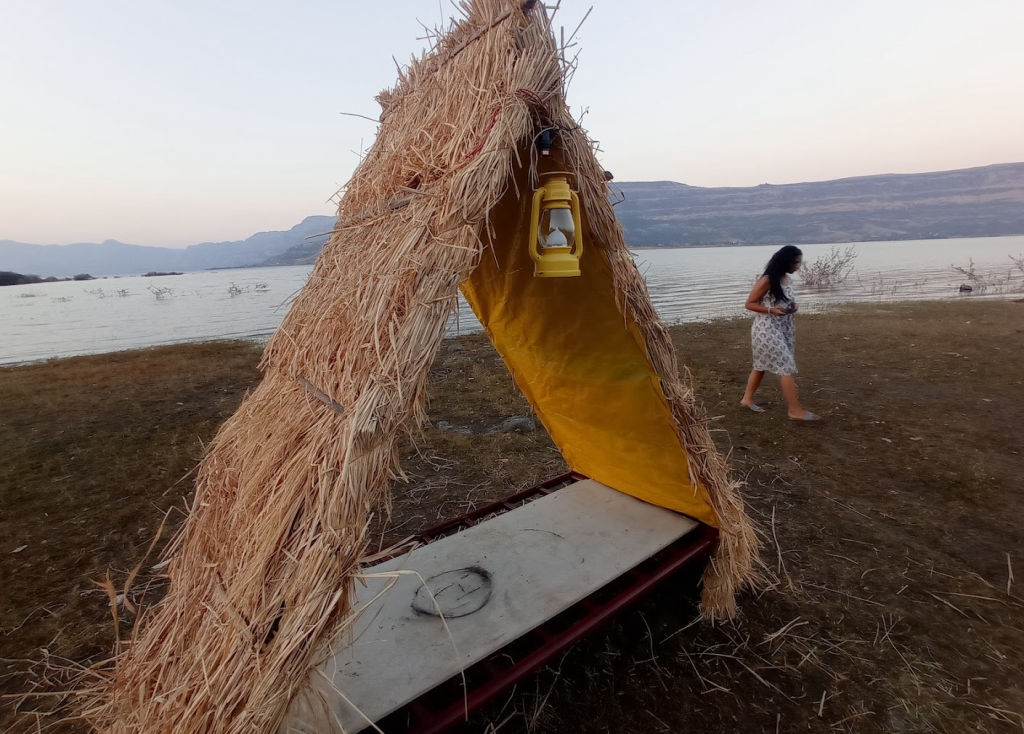
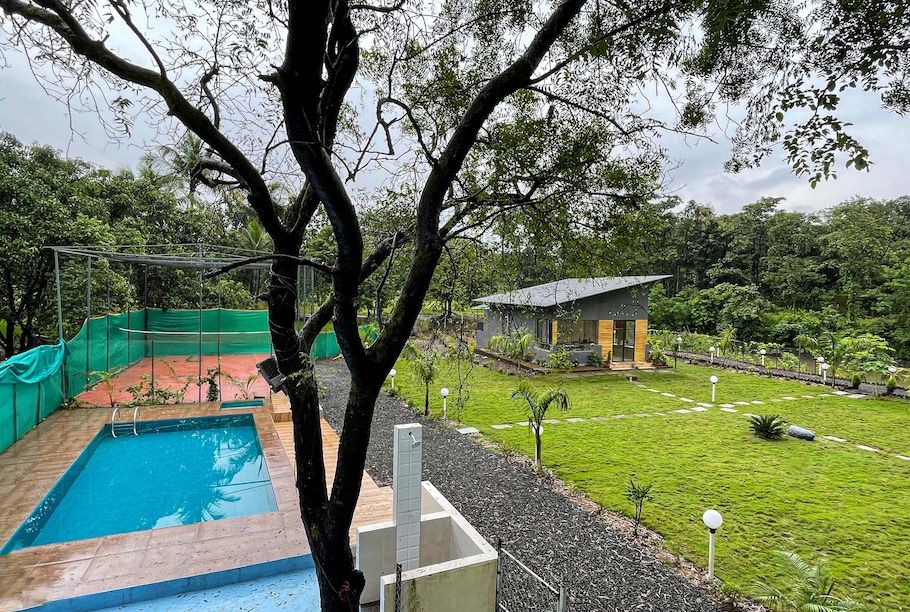
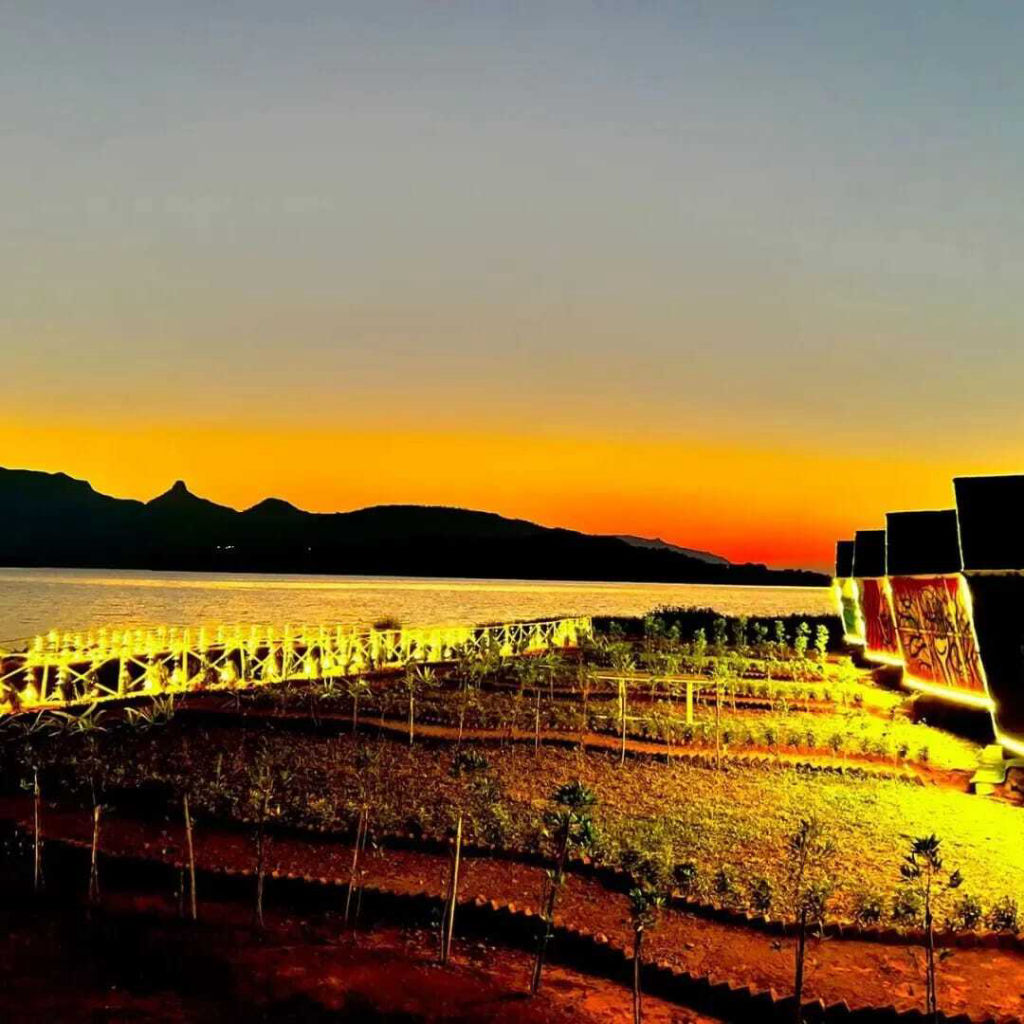
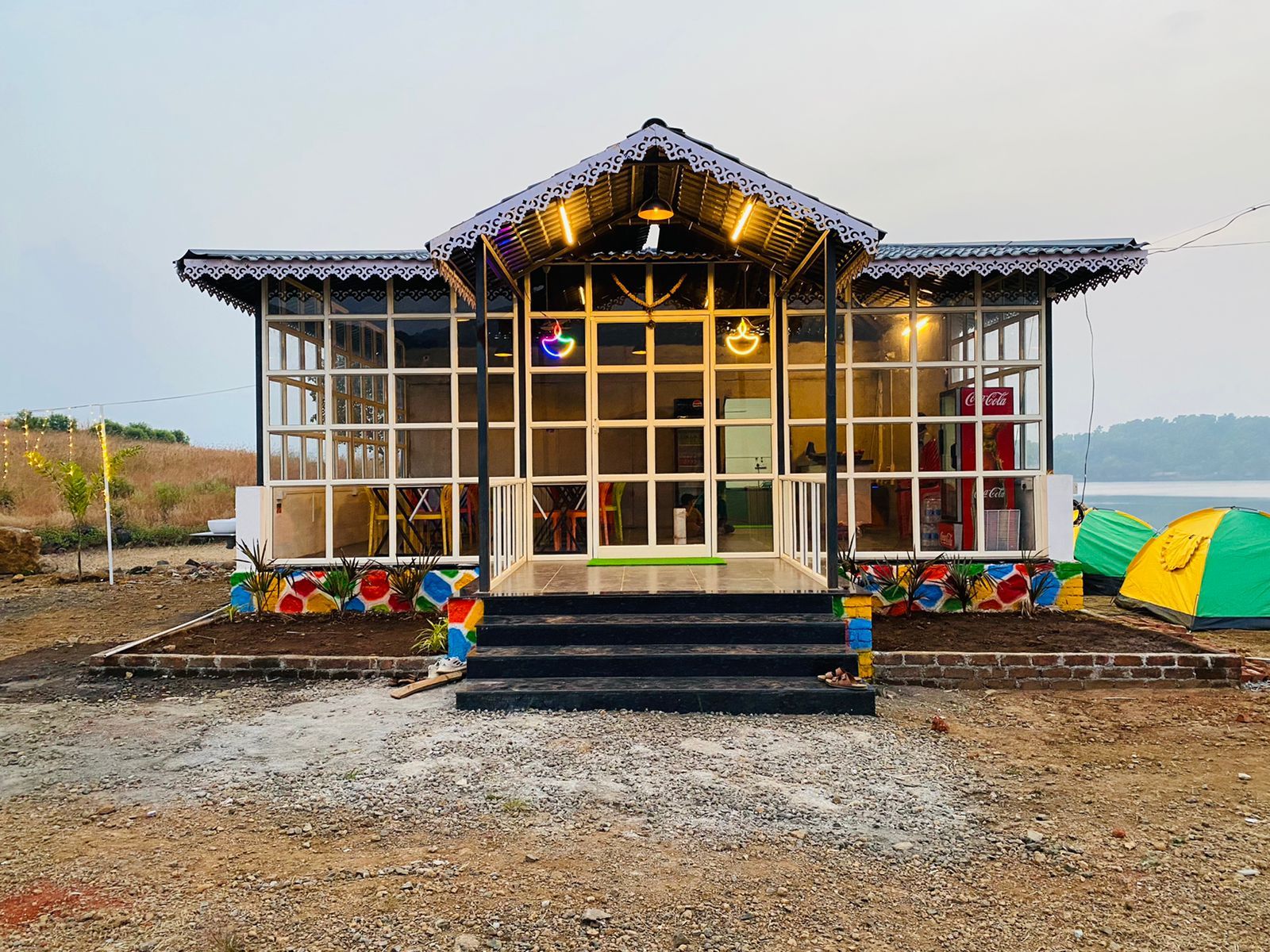
Accommodations near Naneghat cater well to outdoor lovers and travelers seeking quiet, nature-focused getaways. Village homestays around Junnar and along the Murbad road offer simple comfort, warm local hospitality, and authentic regional meals. Open-air camping on the high plateaus and near surrounding water bodies is especially popular during the pleasant winter months. You can find and book verified campsites, peaceful nature stays, and homestays near Naneghat on HireACamp.
Frequently asked questions
What is the historical significance of Naneghat?
Naneghat was an ancient trade corridor established during the Satavahana era to link the Konkan coast with the Deccan plateau. It is famous for its 2,000-year-old rock-cut Brahmi inscriptions that document early numerals and royal sacrifices, as well as a stone pot once used for collecting tolls.
How difficult is the trek to Naneghat?
The trek from the base village of Vaishakhare is moderately challenging and typically takes two to three hours. Those looking for an easier visit can drive directly to the upper plateau from the Junnar side and walk down to the pass.
When is the best time of year to visit Naneghat?
The most comfortable time to visit is from October to February, when temperatures are pleasant and skies are clear. The monsoon from June to September is ideal for travelers wanting to see lush greenery and waterfalls, though paths become slippery.
Can you drive all the way to Naneghat?
Yes, a motorable road from the Junnar side reaches the top of the plateau near the upper entrance of the pass, allowing visitors to view the site without doing the full uphill hike from the base.
What should I carry when visiting Naneghat?
It is best to pack sturdy trekking shoes, plenty of drinking water, light snacks, sun protection, and a raincoat or waterproof cover if visiting during the monsoon season.
Where you'll be
Murbad · 6 stays nearby shown with prices
Stays near Naneghat
Book a place to stay close by


More places near Naneghat
Within 20 km


Lists for this area
Ranked by how many creators recommend each place


Built from 0 Instagram posts by 0 creators. Every tip links back to the post it came from, and where creators disagree we show both sides.


