
Dev Pashakot Mandir
Temple near Jhatingri, Himachal Pradesh
1.9 km from Jhatingri
The nearest town, for stays, food and fuel.
Dev Pashakot Mandir is a revered mountain shrine located in Jhatingri within the hilly landscapes of Himachal Pradesh. Dedicated to the regional deity Dev Pashakot, the temple serves as a central place of worship and community gathering for surrounding mountain villages. Visitors come here to experience the tranquil cedar-clad surroundings, traditional Himachali architectural craft, and rich local folklore.
Getting there
By road
- From JhatingriNearest town9 min · 4.3 km
- From Chandigarh4 hr 35 min · 204 km
- From Ludhiana5 hr 10 min · 245 km
- From Amritsar6 hr · 287 km
Typical drive times without traffic. Stations and airports from OLA Maps; distances and typical drive times from OpenStreetMap (© OpenStreetMap contributors); notes from creators' Reels.
About Dev Pashakot Mandir
Written with AI from map data and general knowledge. Check prices and timings locally before you go.
About Dev Pashakot Mandir
Dev Pashakot Mandir holds deep spiritual significance for the people of the Jhatingri and Mandi valleys. In the Western Himalayas, village life often revolves around village deities, locally known as devtas, who are believed to protect the community, crops, and surrounding natural resources. Dev Pashakot is one of the most venerated deities of this belt, revered across generations with distinct customs and festive rituals.
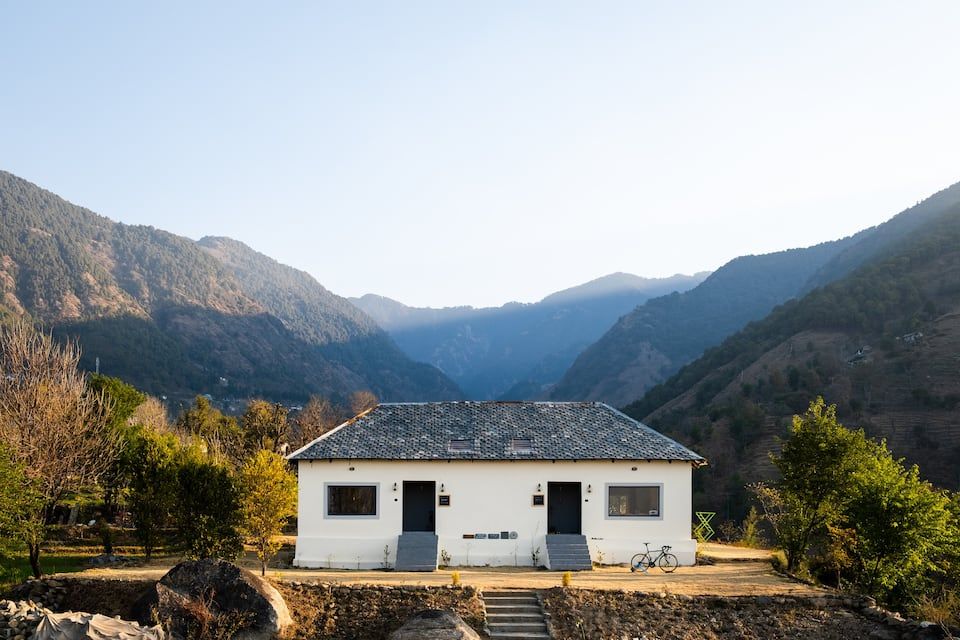
The temple structure reflects the vernacular hill architecture typical of Himachal Pradesh, featuring sturdy stone masonry, slate roofing, and carved timber embellishments. Set against mountain slopes and evergreen forests, the temple complex offers a quiet, contemplative atmosphere where the cadence of daily village worship continues largely unchanged by modern commercialization.
The Setting and Landscape of Jhatingri
Jhatingri is situated on a high ridge that offers sweeping views across pine-covered slopes, terraced fields, and distant snowy ranges on clear days. The region marks a peaceful transition zone between the bustling lower valleys of Mandi and the tranquil heights of the Uhl Valley. The forests surrounding Dev Pashakot Mandir are dominated by tall deodar cedar and Himalayan pine, filling the air with a crisp, resinous scent throughout the year.
Unlike heavily visited tourist circuits, the landscape around Jhatingri retains an unhurried, pastoral quality. Terraced agricultural fields step down the hillsides, bordered by narrow mountain tracks and stone-built farmsteads. Walking through this landscape to reach the temple grounds allows visitors to observe rural Himalayan life closely, from grazing livestock to traditional step farming.
Read more
Best Time to Visit Dev Pashakot Mandir
The temple and its surrounding ridges can be visited across most months of the year, though each season brings a distinct climate and atmosphere. Spring and summer, spanning from April to June, provide comfortable daytime temperatures and clear skies, making it an ideal period for walking and outdoor exploration around Jhatingri. Wildflowers bloom along the paths, and the mountain air remains comfortably cool compared to the northern plains.
The monsoon months from July to September bring heavy rainfall to this part of Himachal Pradesh. While the hills turn lush green and mist swirls through the deodar woods, road conditions can become unpredictable due to landslides. Autumn, from October to November, brings crisp weather, high visibility, and golden light, offering some of the clearest panoramas of the year. Winter brings sharp drops in temperature, cold mountain breezes, and occasional snowfall on the higher ridges, creating a serene, quiet landscape for travellers prepared for the cold.
How to Reach Dev Pashakot Mandir
Dev Pashakot Mandir is reached via Jhatingri in Himachal Pradesh. The area is connected by mountain roads leading from regional hubs like Mandi and Joginder Nagar. Mandi is well connected by long-distance buses and road networks from major northern cities such as Chandigarh and Delhi. From Mandi or Joginder Nagar, travellers can hire local taxis or board state transport buses travelling toward Jhatingri.
The nearest broad-gauge railway hub is in Pathankot or Chandigarh, while the historic narrow-gauge Kangra Valley railway runs up to Joginder Nagar. For air travel, the regional airports at Kullu-Bhuntar and Kangra-Gaggal are the closest air links. Once in Jhatingri, the temple is accessed by local village roads and walking paths. It is advisable to verify local road conditions and bus timings in advance, especially during rainy or snowy weather.
Tips for Your Visit
Dev Pashakot Mandir is an active sacred site, so maintaining respect for local customs is essential. Dress modestly and remove footwear before stepping into temple courtyards or sanctums. Always seek permission before photographing the inner sanctum, priests, or local devotees during prayers.
Wear sturdy walking shoes with reliable grip, as the terrain around the temple includes uneven stone walkways and sloping earthen paths. Mountain weather can change quickly even during clear summer afternoons, so carrying an extra warm layer and basic rain protection is recommended. Carry water and modest essentials with you, and ensure that all personal rubbish is packed out, helping preserve the cleanliness of the village and its forested surroundings.
Places to Visit Near Dev Pashakot Mandir
Travellers visiting Dev Pashakot Mandir can explore several notable natural and cultural landmarks within the surrounding valley. The scenic Lapas Waterfalls lie around eight kilometres away, offering a pleasant outdoor walk through wooded valleys. Further downhill lies the historic town of Mandi, renowned for its ancient stone temples, as well as the revered Baglamukhi Temple located approximately twenty-eight kilometres away.
Those interested in mountain lakes can plan day excursions toward Rewalsar Lake, an important pilgrimage hub shared by Hindu, Buddhist, and Sikh traditions, or journey toward the high-altitude Parashar Lake with its floating island and traditional pagoda-style temple. The Uhl Valley and neighbouring village pathways also host quiet nature walks, small streams, and birdwatching trails through pristine cedar groves.
Where to Stay Near Dev Pashakot Mandir
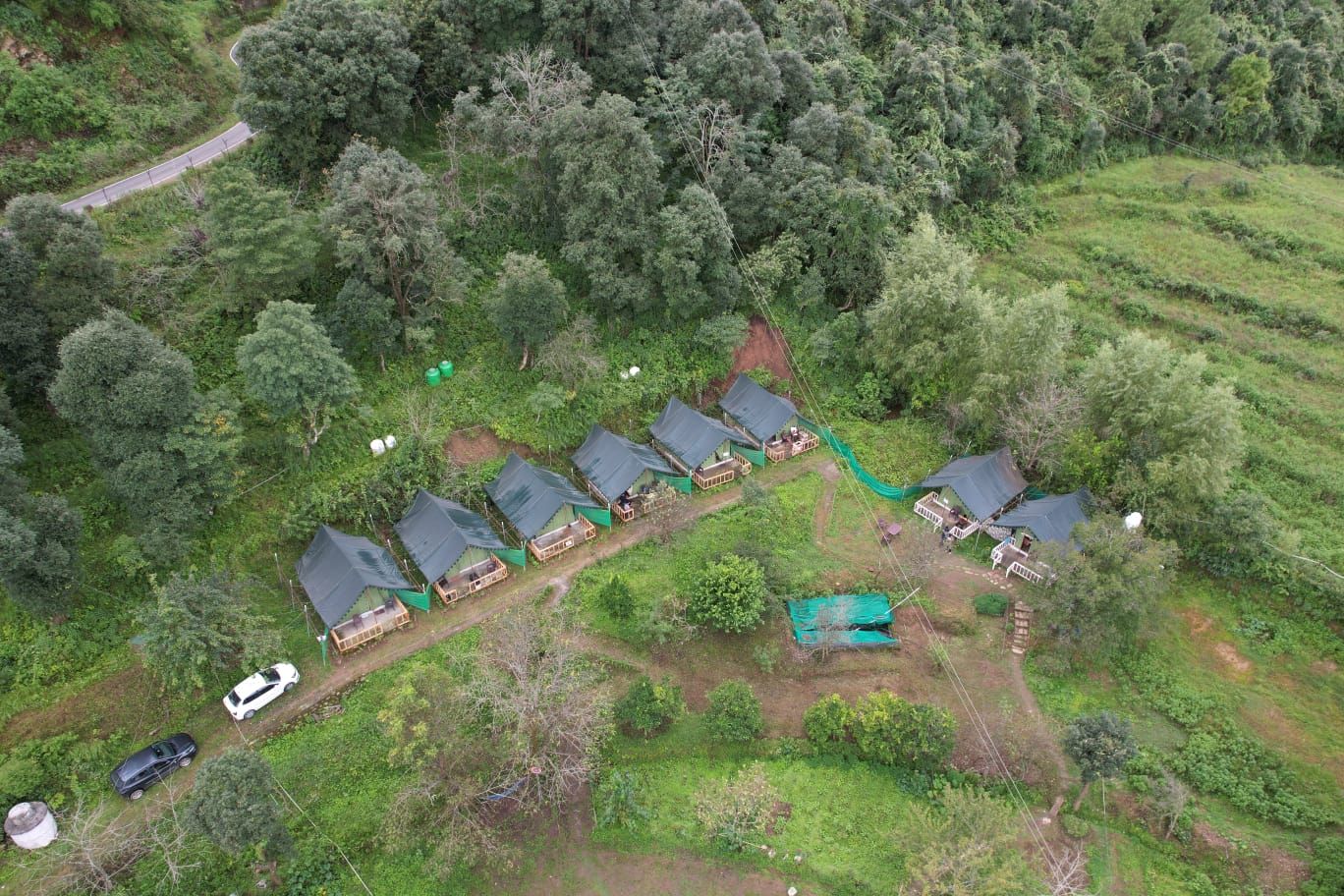
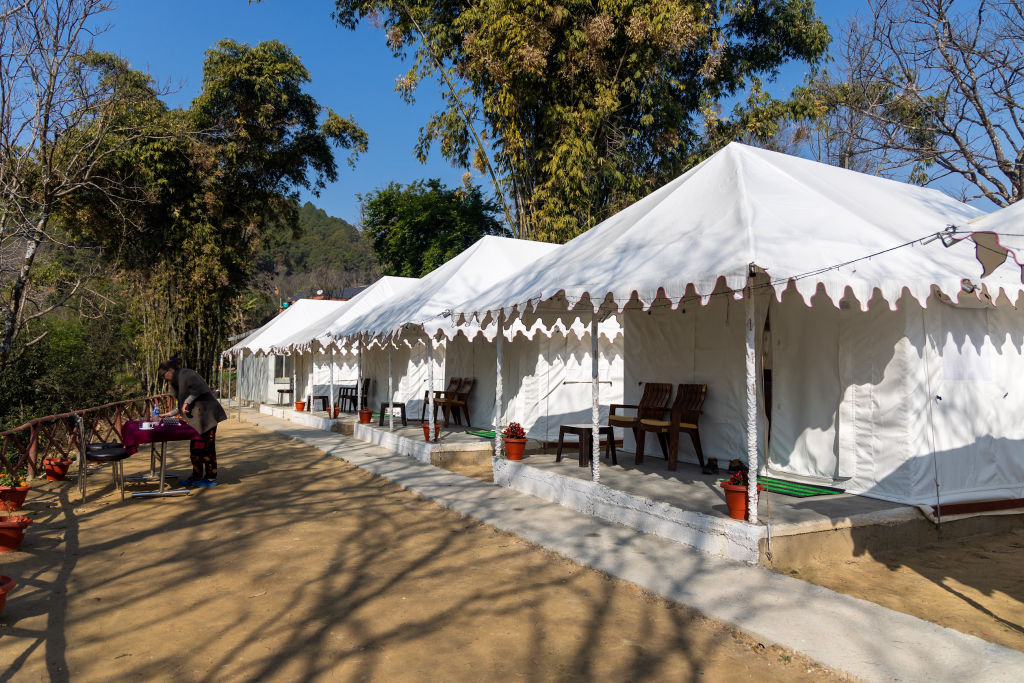
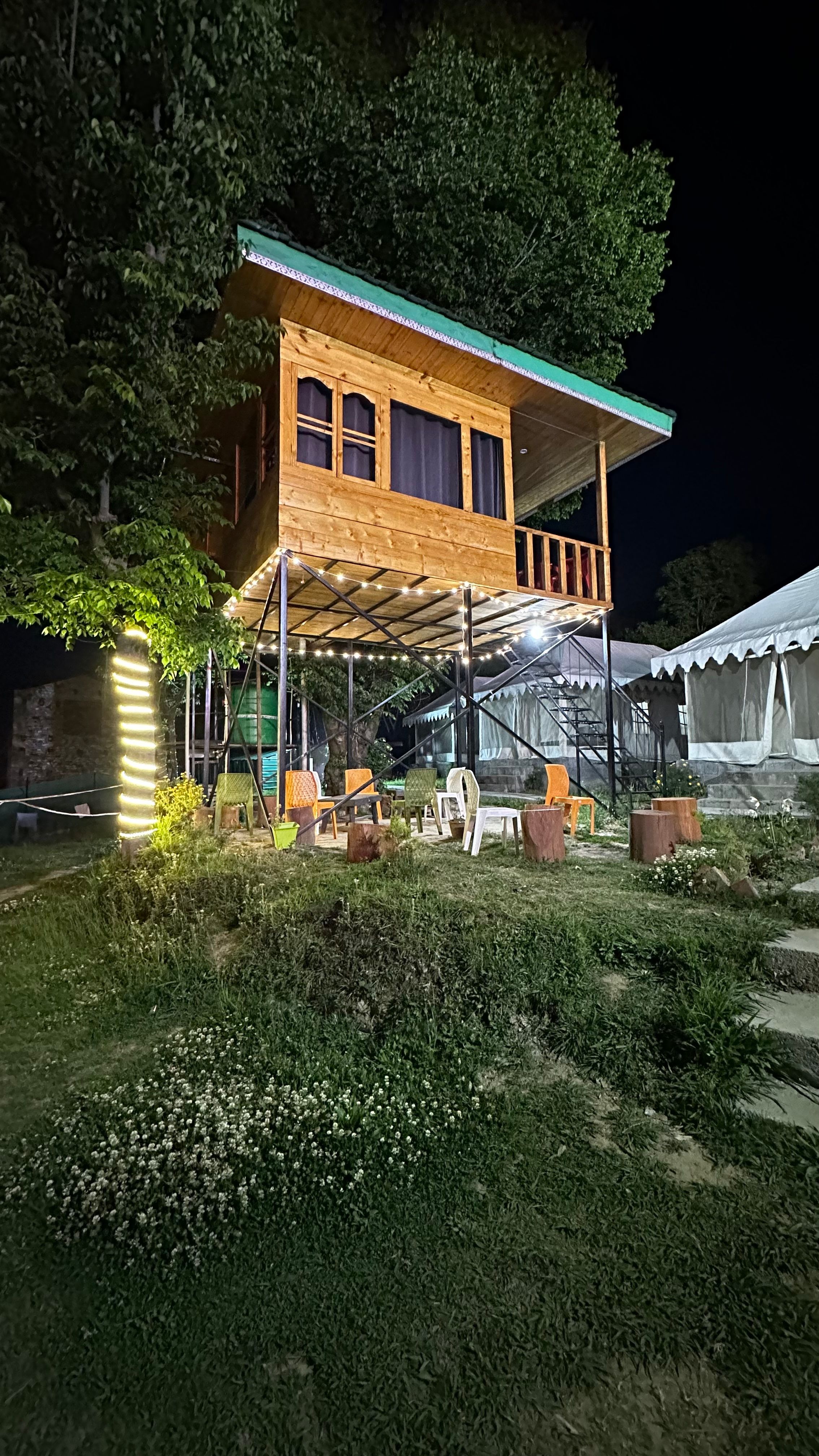
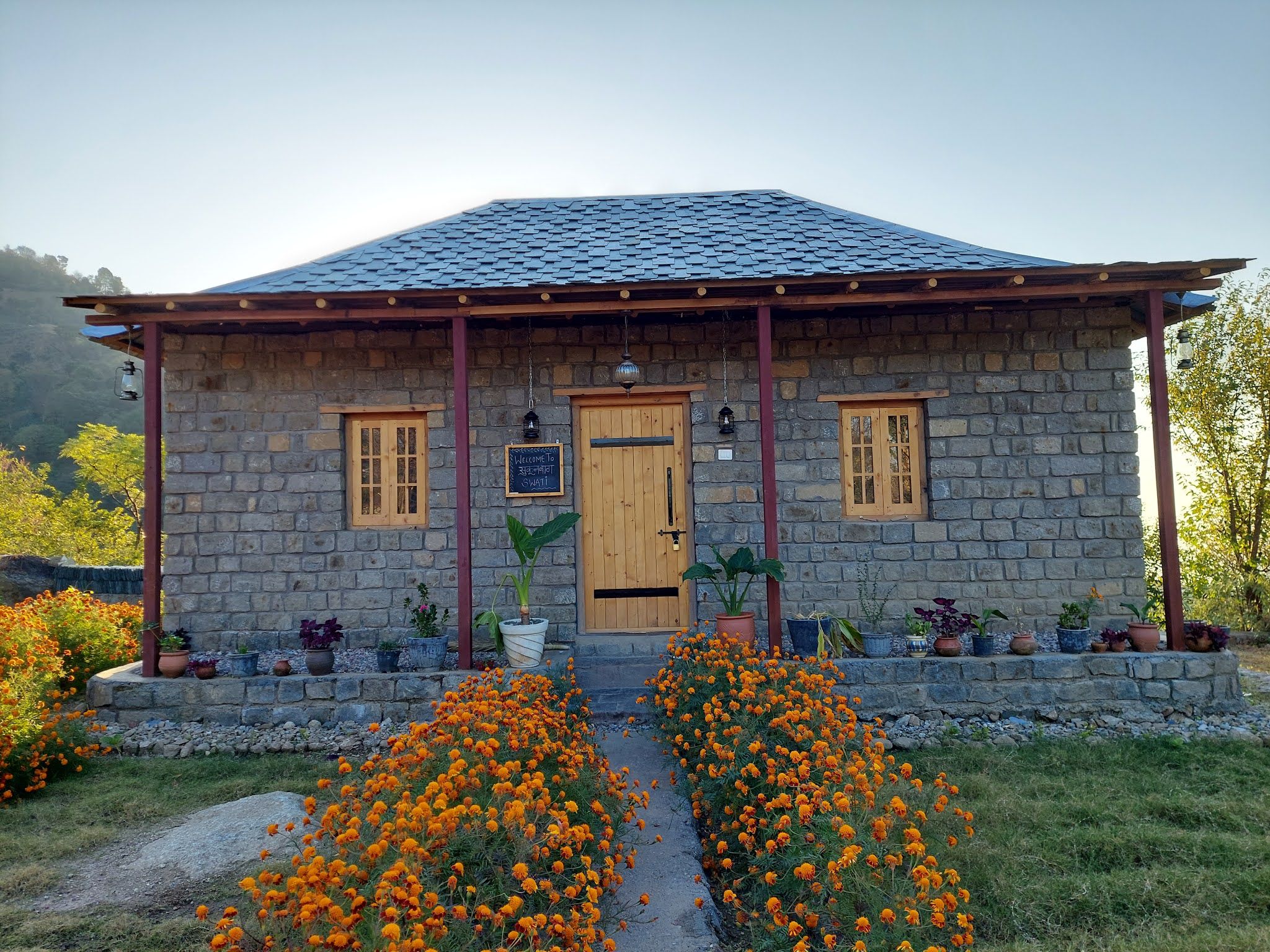
Accommodations around Jhatingri range from modest village homestays to rustic hillside retreats that allow travellers to immerse themselves in mountain living. Staying in a local homestay provides a firsthand glimpse into traditional Himachali hospitality, regional home-cooked meals, and stories of community life.
For travellers seeking outdoor getaways, riverside camping sites, woodland camps, and scenic homestays across the region can be booked through HireACamp. Staying near Jhatingri or in nearby hamlets allows for an early morning visit to Dev Pashakot Mandir when the temple bells ring amidst rising forest mists.
Frequently asked questions
Where is Dev Pashakot Mandir located?
Dev Pashakot Mandir is located in Jhatingri, within the scenic mountain district of Himachal Pradesh, India.
What is the best time of year to visit Dev Pashakot Mandir?
The best months to visit are from April to June for pleasant summer weather and from October to November for crisp air and clear mountain panoramas.
Are there specific etiquette rules to follow at the temple?
Visitors should dress modestly, remove footwear before entering the temple spaces, and avoid photographing inside the sanctum without asking the local priest for permission.
What attractions can be explored near Jhatingri?
Nearby highlights include Lapas Waterfalls, Baglamukhi Temple, Rewalsar Lake, and the scenic mountain trail leading toward Parashar Lake.
Where can I find accommodation near Dev Pashakot Mandir?
Travellers can find verified village homestays, nature retreats, and outdoor campsites around Jhatingri and surrounding valleys on HireACamp.
Where you'll be
Jhatingri, HP · 5 stays nearby shown with prices
Stays near Dev Pashakot Mandir
Book a place to stay close by
More places near Dev Pashakot Mandir
Within 20 km

Built from 0 Instagram posts by 0 creators. Every tip links back to the post it came from, and where creators disagree we show both sides.






