
Jakha Village
Heritage & Culture near Dodra, Himachal Pradesh
7.1 km from Dodra
The nearest town, for stays, food and fuel.
Jakha Village is a traditional mountain settlement perched dramatically on a steep cliffside above the Rupin River in Himachal Pradesh's remote Dodra Kwar valley. Often referred to as the hanging village because of how its wooden houses appear stacked vertically against the sheer mountain face, it is one of the most memorable milestones along the trail to Rupin Pass. Visitors journey to Jakha to experience centuries-old Himalayan architecture, warm community life, and pristine views of forested alpine ridges.
Getting there
By road
- From DodraNearest town33 min · 12 km
- From Dehradun7 hr 35 min · 313 km
- From Chandigarh7 hr 35 min · 306 km
- From Ludhiana9 hr 35 min · 407 km
Typical drive times without traffic. Stations and airports from OLA Maps; distances and typical drive times from OpenStreetMap (© OpenStreetMap contributors); notes from creators' Reels.
About Jakha Village
Written with AI from map data and general knowledge. Check prices and timings locally before you go.
About Jakha Village
Tucked away in the upper reaches of the Rupin valley within the Dodra Kwar sub-division of Himachal Pradesh, Jakha Village stands at an elevation of roughly 2,600 metres. The village earned its widespread reputation as the hanging village due to its dramatic geographical setting. When approached from the valley floor or the riverbed below, the entire settlement appears to cling precariously to an almost perpendicular mountain slope, with timber homes layered one above the other amidst terraced fields and stands of deodar.
Historically, Jakha served as an essential stopover along pastoral pathways and trade routes traversing the high passes connecting Uttarakhand and the Kinnaur and Shimla regions of Himachal Pradesh. Surrounded by dense conifer woodlands, birch groves, and alpine waterways, the village remains an authentic mountain community where ancestral agrarian lifestyles continue largely undisturbed by rapid modern expansion.
Architectural Heritage and Local Culture
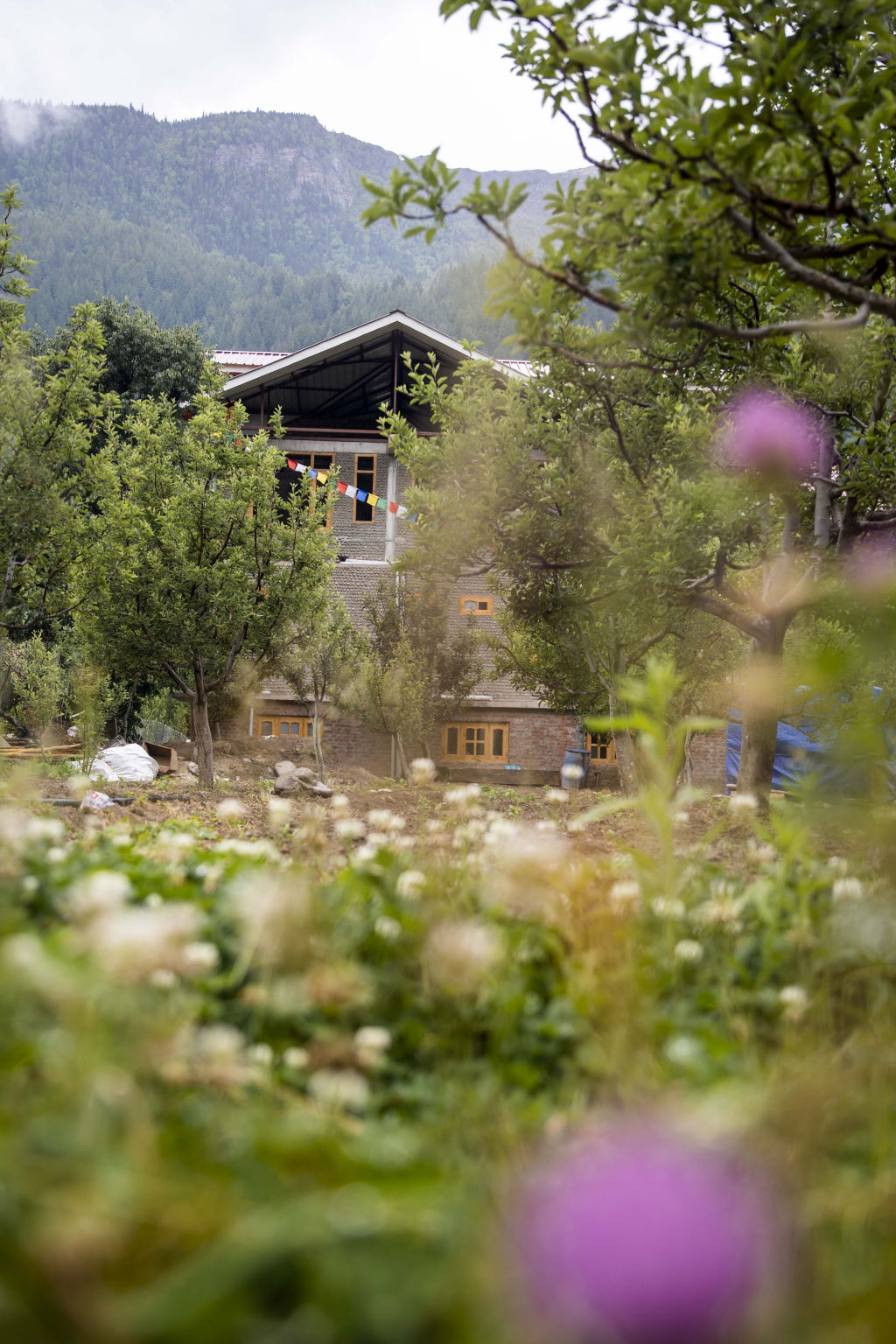
The architecture of Jakha Village is a testament to ingenious local craftsmanship designed to withstand harsh Himalayan weather and seismic movement. Homes are built using indigenous stone and thick interlocking deodar cedar timbers, similar to the Kath-Kuni architectural style widespread in the region. Most buildings feature carved wooden verandas, overhanging balconies, and sloped roofs lined with heavy natural slate tiles, which allow winter snow to slide off effortlessly.
Cultural life in Jakha is closely tied to nature, seasonal agriculture, and indigenous village deity worship. Shrines in and around the village display elaborate wood carvings and reflect the spiritual traditions of the region, where local devtas govern customary law and seasonal festivities. Village courtyards often serve as communal gathering places where residents dry grain, spin wool, and manage apple and buckwheat harvests, offering travellers an unhurried look at community solidarity in high mountain terrain.
Read more
Things to Do in Jakha Village
Wandering through the steep, stone-paved lanes of Jakha is the most rewarding way to experience the village. Narrow pathways wind between two-storey wooden homes, cattle sheds, and small apple orchards, giving you direct insight into daily village life. Photographers will appreciate the distinct textures of weathered timber, intricately carved doorframes, and the valley views opening out toward snow-dusted peaks on clear mornings.
Beyond the village boundaries, short day walks along the roaring Rupin River provide access to cascading waterfalls, hanging footbridges, and shaded pine forest trails. For active adventurers, Jakha serves as an important acclimatisation and resting station along the multi-day Rupin Pass trail. Birdwatchers can often spot regional Himalayan birds such as the monal, verditer flycatcher, and yellow-billed chough gliding along the valley drafts.
Best Time to Visit Jakha Village
The ideal period to visit Jakha is from May to June and again from September to October. During the late spring and early summer months of May and June, snow has retreated from the lower trails, daytime temperatures are comfortable, and mountain meadows are alive with wildflowers. This window is also the peak season for outdoor walkers and trekkers following routes through the valley.
Autumn, covering September and October, brings crisp air, exceptionally clear mountain horizons, and vibrant amber foliage as the apple and buckwheat harvests conclude. The monsoon months of July and August bring heavy rain, which significantly increases the risk of landslides along access roads and footpaths. Winters, spanning late November through March, bring heavy snowfall and sub-zero temperatures, rendering roads through high passes impassable and isolating the area for extended periods.
How to Reach Jakha
Reaching Jakha Village requires a mix of mountain road transit and walking, as there is no direct vehicular highway leading into the village heart. The primary overland approach begins from Shimla, traversing through Rohru and over the high Chanshal Pass before descending into the Dodra and Kwar valley. The road past Rohru consists largely of rough gravel tracks that demand a sturdy, high-clearance vehicle and experienced mountain driving.
From the end of the road near Dodra or from the Uttarakhand side starting at Dhaula and Sewa, travellers walk on established trails along the Rupin River gorge to enter Jakha. Because road access through the Chanshal Pass depends on weather and snow conditions, it is always recommended to check locally regarding route clearances before departing from Rohru or Shimla.
Places to Visit Nearby
The surrounding landscape offers numerous high-altitude points of interest. Immediately above the village lies the extended trail of the Rupin Pass trek, leading up through glacial basins, high waterfalls, and alpine meadows. Further to the south and west sits the dramatic Chanshal Pass, celebrated for its expansive views of the Greater Himalayas and surrounding valleys.
Across the regional border in Uttarakhand, Govind Pashu Vihar National Park and Sanctuary lies nearby, sheltering rich biodiversity including musk deer, black bears, and diverse flora. Cultural explorers can also plan visits to the historic wooden temples of the Tons and Pabbar valleys, such as the ancient Mahasu Devta temple complex at Hanol and village shrines around Masli.
Tips for Your Visit and Where to Stay
Jakha has minimal urban infrastructure, meaning travellers must plan carefully. There are no commercial banks, automated teller machines, or major retail stores in the village, so carry sufficient cash for your entire stay. Cellular network coverage is very limited or entirely unavailable depending on your mobile operator. Bring comfortable, broken-in trekking footwear for the steep cobbled pathways, as well as layered woollens, windbreakers, and rain protection regardless of the season.
Accommodation within Jakha Village primarily consists of family-run village homestays and basic guesthouses run by locals, offering authentic home-cooked food and warm hospitality. Camping along designated grounds on the outskirts of the village is also popular among groups following mountain trails. Verified homestays and outdoor camping stays in the surrounding valleys can be booked through HireACamp.
Frequently asked questions
Why is Jakha called the hanging village?
Jakha earned this name because of its location on an extremely steep mountain cliff above the Rupin River. When viewed from down in the gorge, the tiered wooden houses appear suspended against the sheer slope.
Can you drive directly to Jakha Village?
No, you cannot drive directly into the centre of Jakha. Visitors typically travel by road toward the Dodra Kwar region or approach on foot via the Rupin Pass trail from Sewa, walking the final stretch along the mountain path.
What is the best season to visit Jakha Village?
The best times to visit are summer from May to June and autumn from September to October. These months offer moderate daytime temperatures, safe trail conditions, and clear mountain vistas.
Are there medical and banking facilities in Jakha?
Facilities in Jakha are very rudimentary, with no ATMs, banks, or large medical centres. Travellers should withdraw adequate cash in larger towns like Rohru and carry a personal medical kit.
What accommodation options are available in Jakha?
Jakha offers simple community-run homestays and designated camping areas near the village. You can find and book homestays and camping experiences across the region on HireACamp.
Where you'll be
Jakha, Dodra Kwar · 1 stay nearby shown with prices
Stays near Jakha Village
Book a place to stay close by
More places near Jakha Village
Within 20 km
Built from 0 Instagram posts by 0 creators. Every tip links back to the post it came from, and where creators disagree we show both sides.






