
Nalgan Pass
Nature near Sangla, Himachal Pradesh
13 km from Sangla
The nearest town, for stays, food and fuel.
Nalgan Pass is a remote high-altitude mountain pass located in the rugged highlands of Himachal Pradesh, near the transition zone between Kinnaur and the Garhwal Himalaya. Surrounded by glaciated ridges, expansive alpine pastures, and deep glacial valleys, it is sought out by seasoned trekkers seeking raw mountain wilderness. Crossing or approaching the pass rewards visitors with panoramic vistas of towering Himalayan peaks, dramatic scree slopes, and untouched river gorges.
Getting there
By road
- From SanglaNearest town4 min · 1.3 km
- From Chandigarh6 hr 55 min · 334 km
- From Ludhiana8 hr 55 min · 436 km
- From Dehradun9 hr · 450 km
Typical drive times without traffic. Stations and airports from OLA Maps; distances and typical drive times from OpenStreetMap (© OpenStreetMap contributors); notes from creators' Reels.
About Nalgan Pass
Written with AI from map data and general knowledge. Check prices and timings locally before you go.
About Nalgan Pass
Nalgan Pass stands as a formidable mountain crossover set against the towering backdrop of the Greater Himalaya in Himachal Pradesh. Situated in a borderland region flanked by the Kinnaur district and the boundary forests of neighbouring Uttarakhand, the pass forms part of an ancient network of high passes that shepherds and villagers historically used to move between alpine valleys.
Unlike lower tourist trails, the area around Nalgan Pass remains thoroughly wild and sparsely charted. The surrounding landscape transitions quickly from temperate mixed woodlands to open alpine bugyals, and eventually into a moonscape of loose boulders, moraines, and snowfields. It appeals most to experienced mountaineers and self-sufficient trekkers who value pristine trails, solitude, and the raw beauty of high-elevation Himalayan terrain.
The Landscape and Trekking Route
The approach to Nalgan Pass winds through dramatic changes in ecology and topography. Lower sections of the trail pass along gushing glacial streams, cutting through dense stands of deodar, silver birch, and rhododendron. As the trail climbs higher, the tree line recedes, opening up to vast high-altitude meadows that are carpeted with wild herbs and vibrant seasonal alpine flowers during early summer.
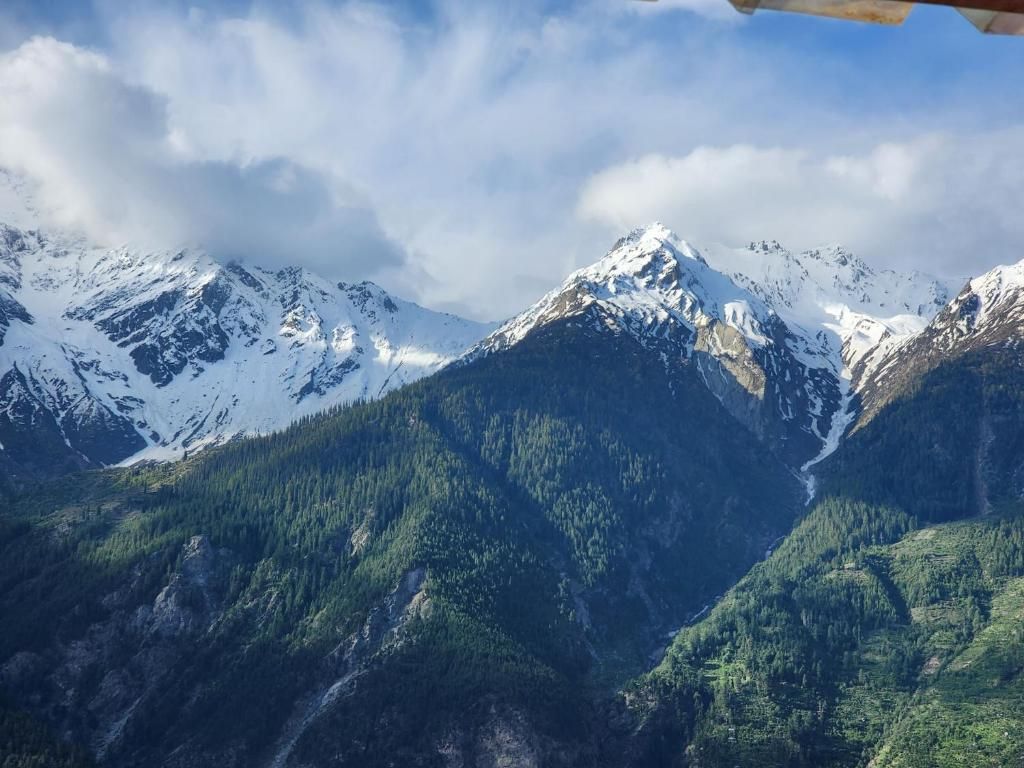
Higher up, the route demands careful route-finding across moraine shelves, exposed ridges, and loose talus. Trekkers cross snow gullies and glacial runoffs that shift depending on the time of day and seasonal melting. From the crest of Nalgan Pass, the horizon unfolds in a jagged wall of glaciated summits, providing sweeping viewpoints across the Kinnaur Kailash massif, neighbouring ridges like Rupin Pass and Borasu Pass, and the deep valleys below.
Read more
Best Time to Visit Nalgan Pass
Trekking to Nalgan Pass is only possible during specific weather windows when high-altitude snow has consolidated or cleared, and mountain paths are free of extreme winter conditions. The primary trekking windows are pre-monsoon from late May to late June, and post-monsoon from September to mid-October.
Early summer brings crisp mornings, blooming alpine flora across the meadows, and remaining snow bridges that can make crossing scree fields easier for prepared mountaineers. July and August bring heavy monsoon rains to Himachal Pradesh, leading to swollen streams, slippery slopes, and elevated risks of landslides in the lower valleys, making travel inadvisable during these months.
Autumn, beginning in September, is often considered the ideal time for technical high-altitude passes in this region. The monsoon clouds dissipate, leaving behind razor-sharp visibility, deep blue skies, and dry trails. By late October, temperatures plummet rapidly and early winter blizzards begin sealing the high passes until the following summer.
How to Reach Nalgan Pass
Reaching the base camps for Nalgan Pass involves a scenic journey through the valleys of Himachal Pradesh or adjoining Garhwal routes. Most overland journeys begin from major northern transit hubs such as Shimla, Dehradun, or Chandigarh, which are connected by road, rail, and regional airports.
From these cities, travellers take mountain highways via Rohru, Sangla, or border corridors that trace the Pabbar and Baspa river systems to reach the last motorable villages. These remote settlements serve as trailheads where trekkers organise local guides, porters, and trail provisions before venturing into the wilderness.
Because roads in the interior of Himachal Pradesh are subject to weather delays, winding terrain, and maintenance work, travel times vary considerably. Trekkers should plan generous buffer days to accommodate long road journeys and necessary acclimatisation stops before starting the uphill trek.
Tips for Trekking Nalgan Pass
Trekking near or over Nalgan Pass requires thorough preparation, appropriate alpine gear, and solid mountain sense. Because the altitude is substantial, spending a couple of days acclimatising at intermediate base villages is critical to avoiding altitude-related illnesses.
Pack comprehensive multi-layered clothing that includes technical moisture-wicking base layers, an insulating mid-layer, and a reliable wind- and waterproof shell. Sub-zero temperatures are common after nightfall, even in the middle of summer. Sturdy, waterproof trekking boots with ankle support are essential for negotiating shifting scree and boulder fields.
Always travel with experienced local guides who know the regional geography, water points, and alternate escape routes. Forest and local administrative permits are often required for crossing high wilderness zones and sanctuaries; trekkers should enquire locally at regional administrative offices or forest check posts before heading onto the trail. Finally, practice strict Leave No Trace principles by carrying all non-biodegradable waste back to base villages.
Places to Explore Nearby
The territory surrounding Nalgan Pass is among the richest wilderness corridors in the Western Himalaya. Nearby lies the famous Rupin Pass trail, renowned for its hanging villages, amphitheatre-like snow bowls, and dramatic three-stage waterfall. Further to the east, the Borasu Pass connects Himachal’s Baspa Valley with Uttarakhand’s Har Ki Dun region, traversing through ancient glaciated pathways.
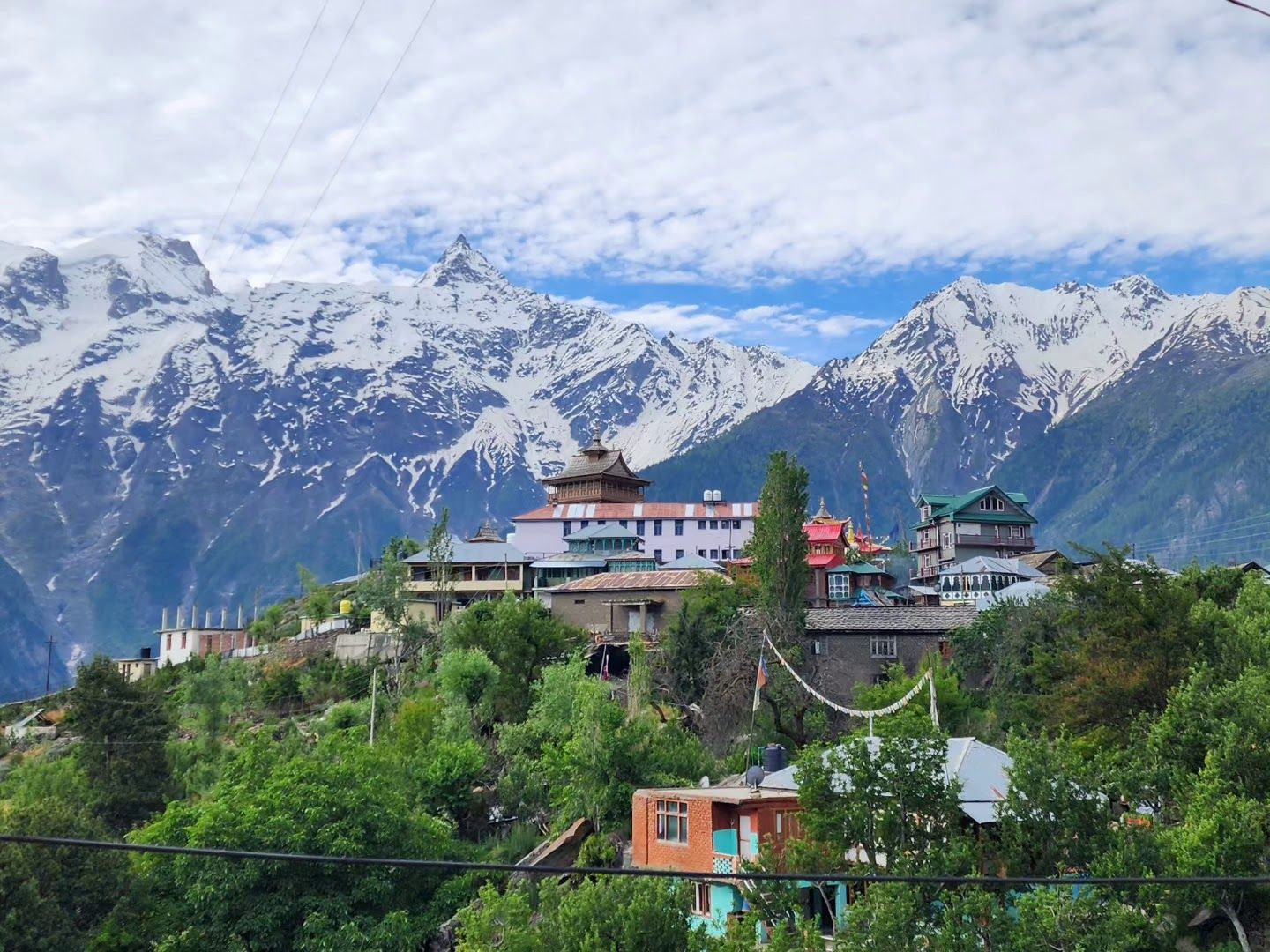
Towards the Kinnaur side, the sacred peak of Kinnaur Kailash dominates the skyline, overlooking historic high-altitude settlements like Kalpa and Sangla, which are famous for their ancient wooden architecture, apple orchards, and sweeping views of snow peaks. On the Uttarakhand flank, Govind Pashu Vihar National Park and Sanctuary protects fragile high-altitude ecosystems populated by rare alpine wildlife and pristine glacial lakes such as Ruinsara Tal.
Where to Stay near Nalgan Pass
Along the trekking route itself, accommodation is strictly wilderness camping. Trekkers must carry high-quality four-season tents, warm sleeping bags rated for negative temperatures, and self-sufficient cooking arrangements, as there are no permanent shelters or tea-houses at the higher camps.
Before and after the trek, base towns and neighbouring hamlets in Kinnaur and the Pabbar Valley offer welcoming places to rest. You can find rustic village homestays, riverside campgrounds, and comfortable valley lodges through HireACamp. Staying with local hosts provides a wonderful opportunity to experience traditional mountain hospitality, eat local food, and rest well before or after an arduous Himalayan crossing.
Frequently asked questions
Where is Nalgan Pass located?
Nalgan Pass is a high-altitude mountain pass located in Himachal Pradesh, positioned near the border corridors that connect the Kinnaur and Shimla districts with the Garhwal region.
What is the best season to trek to Nalgan Pass?
The best months to visit are June for early summer trekking, and September to mid-October for clear autumn skies and stable mountain weather.
Is Nalgan Pass suitable for beginner trekkers?
No, Nalgan Pass is a demanding high-altitude trek that requires prior trekking experience, strong physical fitness, acclimatisation, and technical wilderness gear.
Are permits required for the Nalgan Pass trek?
Permit regulations can change depending on seasonal forestry rules and border-zone administration, so trekkers should check locally with district administrative and forest department offices before beginning the expedition.
Where can I find accommodation near Nalgan Pass?
While on the trail you will need to camp in tents, but you can find charming homestays, local guest homes, and riverside campsites in the gateway towns and valleys through HireACamp.
Where you'll be
Himachal Pradesh · 3 stays nearby shown with prices
Stays near Nalgan Pass
Book a place to stay close by
More places near Nalgan Pass
Within 20 km

Built from 0 Instagram posts by 0 creators. Every tip links back to the post it came from, and where creators disagree we show both sides.






