
Rupin Pass
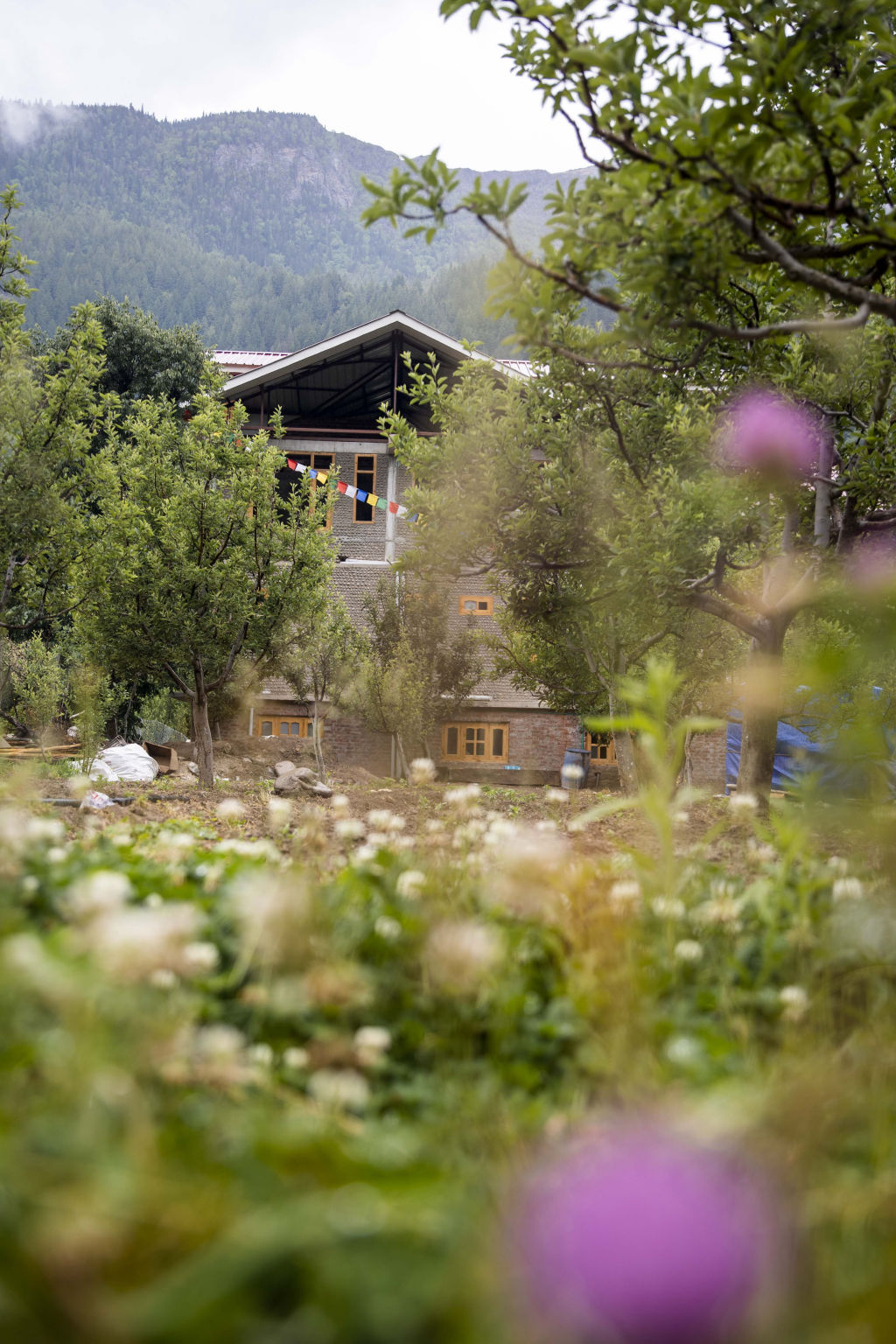
Nature near Sangla, Himachal Pradesh
13 km from Sangla
The nearest town, for stays, food and fuel.
Rupin Pass is a classic high-altitude crossover mountain pass perched in the Garhwal and Kinnaur Himalayas, linking Uttarakhand to Himachal Pradesh. Renowned for its dramatic, ever-changing scenery, the trail climbs alongside the gushing Rupin River, cutting through hanging villages, dense pine woodlands, vast snowfields, and rugged glacial gullies. Trekkers and nature lovers seek out Rupin Pass to experience one of the most varied alpine journeys in northern India, culminating in commanding views of the Kinnaur Kailash range.
Getting there
By road
- From SanglaNearest town26 min · 7.4 km
- From Chandigarh7 hr 5 min · 333 km
- From Ludhiana9 hr 5 min · 435 km
- From Dehradun9 hr 10 min · 449 km
Typical drive times without traffic. Stations and airports from OLA Maps; distances and typical drive times from OpenStreetMap (© OpenStreetMap contributors); notes from creators' Reels.
About Rupin Pass
Written with AI from map data and general knowledge. Check prices and timings locally before you go.
The landscape and terrain of Rupin Pass
Rupin Pass sits along the natural ridgeline dividing the states of Uttarakhand and Himachal Pradesh, rising to an elevation of over 15,000 feet. What makes this alpine pass extraordinary is the remarkable shift in topography that unfolds over the course of a single journey. The lower reaches follow the Rupin River as it carves through deep gorges shaded by blue pines, silver firs, and deodar trees, passing traditional wooden villages that seem suspended on steep hillside terraces.
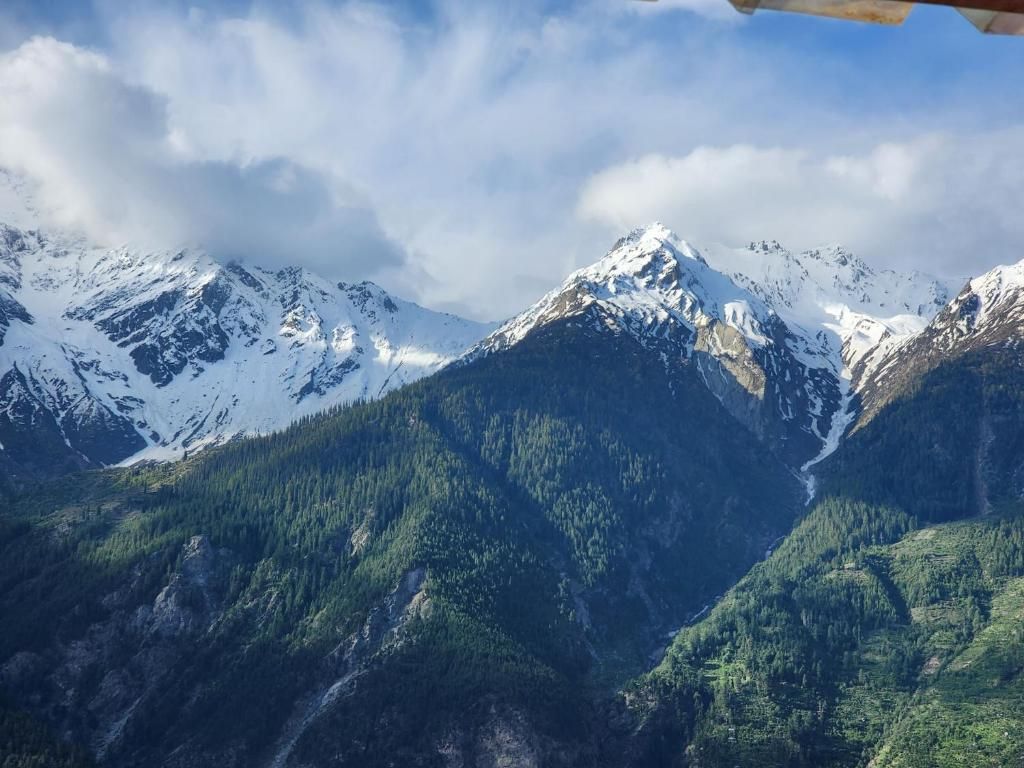
As you climb higher, the thick forest gives way to expansive meadows and sweeping amphitheaters of glacial moraine. One of the defining natural landmarks on the trail is the multi-tiered Rupin waterfall, a massive cascade that plunges hundreds of feet down sheer rock faces. Above the waterfall, the terrain transforms into a rugged, windswept high-altitude alpine bowl. The final ascent to the pass leads through a narrow, steep snow-and-scree gully known locally as the Rupin Gully, opening up at the saddle to an expansive vista of the snowbound Kinnaur Himalayas.
Best time to visit Rupin Pass
Rupin Pass is accessible during two distinct seasons each year: early summer from late May to late June, and autumn from mid-September to late October. The pass remains entirely closed throughout the winter and early spring months due to intense snowfall, sub-zero conditions, and the risk of avalanches.
The summer window in May and June is ideal for adventurers looking to traverse extensive snow cover. During these months, the upper reaches, glacial bowls, and the gully itself are blanketed in thick snow, requiring steady footing and snow gear. The days are moderately warm, though nights at upper camps regularly dip below freezing. The lower meadows begin to carpet with fresh green turf and alpine wildflowers as the winter snow retreats.
By contrast, the autumn season in September and October brings clear skies, crisp mountain air, and virtually no snow along the lower approaches. The alpine meadows turn golden brown, and the river flows in shades of clear turquoise. The atmospheric clarity during autumn is exceptional, providing unobstructed, razor-sharp panoramas of the Kinnaur Kailash peaks from the top of the pass. However, temperatures drop sharply toward October, making nights bitterly cold.
Read more
Experiencing the crossover journey
Crossing Rupin Pass is celebrated as a classic trans-Himalayan route because it takes you from the verdant, pastoral valley of the Tons and Rupin rivers in the Garhwal region directly into the rugged, arid cultural landscape of Kinnaur in Himachal Pradesh. The cultural contrast between the starting and ending points is as dramatic as the shifting terrain.
The initial stages introduce travellers to traditional Himalayan hamlets, where intricately carved wooden houses and temples showcase the distinct architecture of the remote borderlands. As you push deeper toward the pass, human settlements drop away, replaced by the sheer scale of the mountain wilderness. Camping under high alpine skies surrounded by sheer granite walls is an integral part of the experience.
Upon crossing the crest into Himachal Pradesh, the descent leads down toward the Sangla Valley. The landscape here takes on a starker, Tibetan-influenced quality, with red apple orchards, poplars, and winding roads that lead toward the historic outposts of Kinnaur.
How to reach the Rupin Pass trailheads
The Rupin Pass journey typically starts on the Uttarakhand side and finishes in Himachal Pradesh, though experienced mountaineers occasionally tackle the route in reverse. The most common starting village is reached by road from Dehradun, which has the nearest major railway station and an airport connecting to major Indian cities.
From Dehradun, mountain roads travel through Mussoorie, Purola, and Mori before reaching the traditional trailhead near the edge of Govind Pashu Vihar National Park. Because road conditions in these remote valleys depend heavily on weather, driving time can vary, and travellers should allocate a full day for the road journey from Dehradun.
The Himachal Pradesh side of the pass terminates in the Baspa Valley near Sangla. From Sangla, regional roads connect outward through Reckong Peo and along the Sutlej River valley toward Shimla, which serves as the primary transport gateway for returning travellers with bus and private taxi connections.
Essential gear and preparation
Navigating a high-altitude pass like Rupin Pass requires deliberate physical fitness and careful gear preparation. The ascent involves significant altitude gain over successive days, making cardiovascular endurance, leg strength, and proper acclimatisation critical to prevent acute mountain sickness. Trekkers should practice endurance activities, such as jogging, stair climbing, and loaded walking, well before their trip.
Layering is essential for managing the wide temperature swings encountered on the route. Bring high-performance moisture-wicking base layers, an insulating fleece, a heavy down jacket rated for sub-zero temperatures, and a windproof, waterproof outer shell. Sturdy trekking boots with deep lug soles and good ankle support are non-negotiable for handling loose scree, boulders, and slippery snow.
Other necessary items include UV-protective sunglasses to prevent snow blindness, trekking poles to stabilise ascents and descents, a warm sleeping bag rated for high-altitude cold, thermal gloves, and a reliable headlamp. Because natural water sources are fed by glacial streams, carrying water purification tablets or a portable filter is essential.
Places to explore nearby
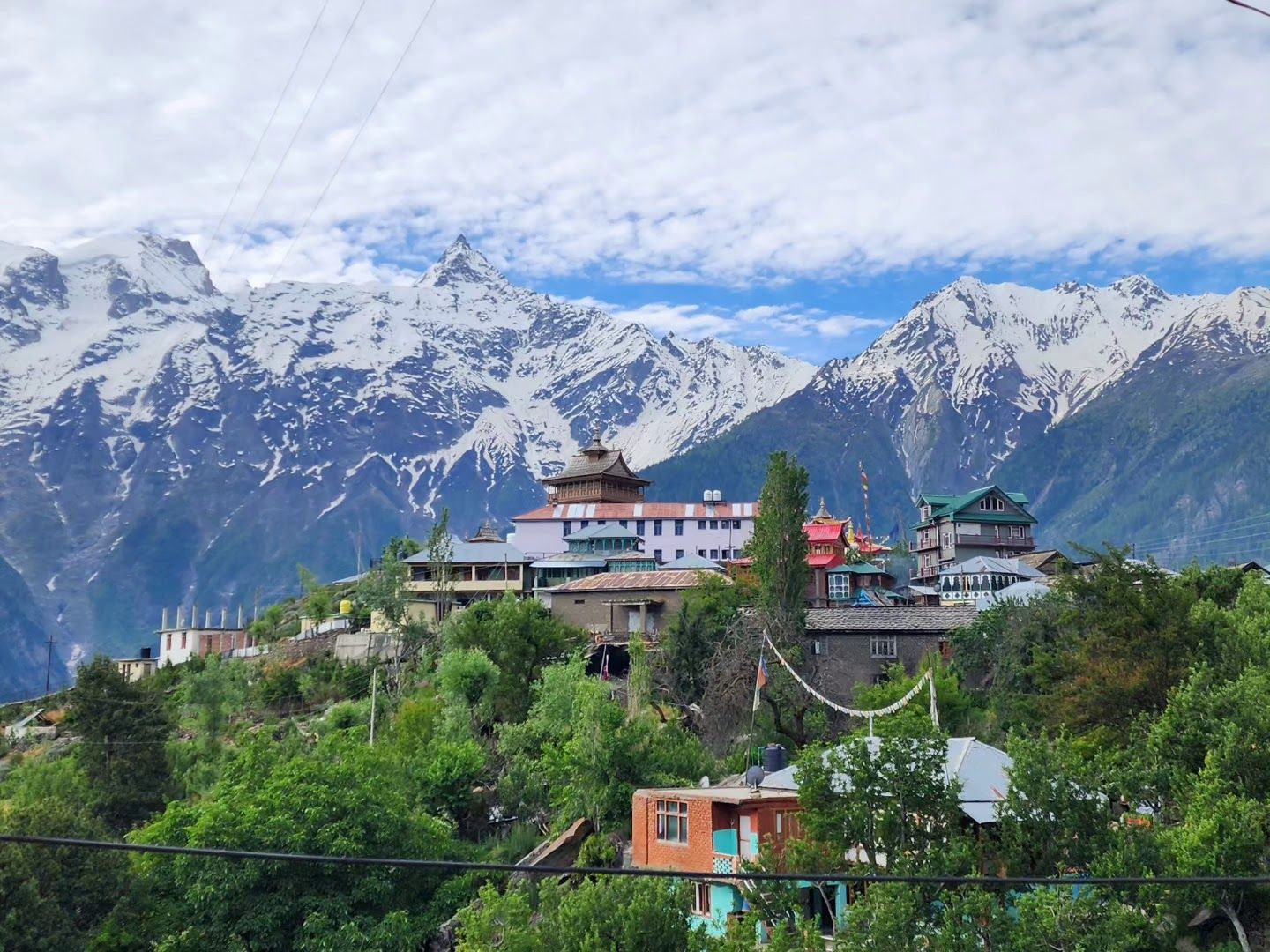
The regions flanking Rupin Pass hold several remarkable natural and cultural destinations. In Himachal Pradesh, the picturesque village of Kalpa is perched high above Reckong Peo and offers spellbinding views of Kinnaur Kailash, a sacred mountain venerated by both Hindu and Buddhist traditions. Strolling through Kalpa reveals apple orchards, ancient monasteries, and traditional wood-and-stone Kinnauri homes.
Further south along the ridge, Chanshal Pass stands as another high mountain gateway offering sprawling meadows and views across the Pabbar Valley. For trekking enthusiasts, nearby high passes such as Borasu Pass link the Har Ki Dun valley to Kinnaur, providing an even more demanding alpine traverse.
On the Uttarakhand approach, the expansive wilderness of Govind Pashu Vihar National Park and Sanctuary protects crucial habitat for Himalayan wildlife, including snow leopards, musk deer, and monal pheasants. The famous Kedarkantha summit and its surrounding forested ridgelines are also located within this broader watershed, offering classic views of the surrounding peaks.
Where to stay around Rupin Pass
While on the high-altitude route of Rupin Pass itself, overnight accommodation is strictly wilderness camping. Trekkers pitch tents at established alpine meadows and campsites along the river and beneath the high pass, carrying all shelter and provisions with them.
At the entry and exit points in Himachal Pradesh and Uttarakhand, you will find rustic village homestays and local guest houses that provide an authentic look into mountain life, warm local meals, and basic comforts. In larger hubs such as Sangla, Kalpa, and Mori, a broader range of accommodations is available. You can discover curated camps, homestays, and unique nature stays in these surrounding mountain valleys by browsing HireACamp.
Frequently asked questions
What is the best time of year to trek Rupin Pass?
The ideal times to visit Rupin Pass are early summer from late May to late June for snow landscapes, and autumn from mid-September to late October for clear skies and crisp mountain views.
How difficult is the crossing at Rupin Pass?
Rupin Pass is considered a moderate to difficult high-altitude trail. It requires strong physical fitness, stamina for sustained climbing, and the ability to navigate steep snow gullies and boulder fields at elevations above 15,000 feet.
Which states does Rupin Pass connect?
Rupin Pass serves as a crossover corridor connecting the Garhwal region of Uttarakhand with the Kinnaur district of Himachal Pradesh.
Are permits required to visit Rupin Pass?
Permits and forest entry registrations are generally required by local authorities and forest departments at the trailheads. It is best to check locally or with your trekking guide for the most current administrative requirements before setting out.
Where can I stay before and after crossing Rupin Pass?
Rustic homestays and village guest houses are available at base settlements like Dhaula on the Uttarakhand side and Sangla in Kinnaur. You can search for camps, homestays, and outdoor getaways in nearby valleys on HireACamp.
Where you'll be
Himachal Pradesh · 3 stays nearby shown with prices
Stays near Rupin Pass
Book a place to stay close by
More places near Rupin Pass
Within 20 km

Built from 0 Instagram posts by 0 creators. Every tip links back to the post it came from, and where creators disagree we show both sides.






