
Kanchenjunga
Peak near Pemayangtse, Sikkim
1000 m from Pemayangtse
The nearest town, for stays, food and fuel.
Standing at 8,586 metres, Kanchenjunga is the third highest peak on Earth and forms the majestic skyline of western Sikkim along the border with Nepal. Travellers and mountaineers journey to vantage points around Gyalshing and Pelling to witness its soaring snow-clad summits and walk its ancient alpine approaches. Deeply revered as a guardian deity by the local communities, the mountain holds profound spiritual significance alongside its status as an iconic Himalayan destination.
Getting there
By road
- From PemayangtseNearest town7 min · 3.8 km
Typical drive times without traffic. Stations and airports from OLA Maps; distances and typical drive times from OpenStreetMap (© OpenStreetMap contributors); notes from creators' Reels.
About Kanchenjunga
Written with AI from map data and general knowledge. Check prices and timings locally before you go.
The Sacred Mountain of Sikkim
Kanchenjunga is far more than a geological giant; it is the spiritual soul of Sikkim. The name translates roughly to 'The Five Treasures of the Great Snow,' symbolising the five natural repositories of gold, silver, gems, grain, and sacred scriptures believed to be guarded within its glaciers. Indigenous Lepcha and Bhutia traditions treat the mountain as an abode of deities rather than merely a peak to be climbed. In accordance with local religious sentiment, expedition summits historically stopped just short of the true crest out of respect for the mountain's sanctity.
Travellers visiting the surrounding districts will often notice prayer flags fluttering from high passes, monasteries, and home terraces, all oriented toward the peak. Monastic festivals throughout the state include rituals dedicated directly to Dzonga, the guardian spirit of Kanchenjunga, reflecting how deeply the mountain shapes everyday life, culture, and architecture across Sikkim.
Prime Viewpoints Near Gyalshing
While the summit itself is remote, western Sikkim offers some of the most unobstructed vistas of the Kanchenjunga range found anywhere in the Himalayas. The district headquarters of Gyalshing and its nearby high ridges provide an expansive panorama of the eastern face of the massif. On clear mornings, the white peaks catch the first light long before the valleys wake, turning from soft slate grey to bright gold, amber, and dazzling silver.
From higher vantage points around Pelling, Pemayangtse, and Rabdentse, the entire Kanchenjunga cluster comes into clear perspective, accompanied by neighbouring giants such as Kabru, Pandim, and Simvo. These vantage ridges make it possible to appreciate the sheer vertical relief of the mountain without embarking on multi-week expeditions. Walking the quiet roads and monastery trails around Gyalshing at daybreak is one of the most rewarding ways to experience the mountain's quiet grandeur.
Read more
Trekking in the Kanchenjunga Biosphere
For outdoor enthusiasts seeking a closer encounter, the region surrounding Kanchenjunga features some of the finest high-altitude trekking trails in the eastern Himalayas. The classic route begins from Yuksam, the historic first capital of Sikkim, and steadily ascends through the Kanchenjunga National Park toward Dzongri and the high viewpoint of Goecha La.
The trail climbs through distinct ecological zones, starting in subtropical forests dense with moss and ferns before giving way to temperate rhododendron and oak canopies. At higher elevations, the landscape transitions into subalpine meadows, rocky moraines, and glacial basins. From vantage points along these routes, trekkers stand face to face with the colossal south and east walls of Kanchenjunga, listening to the distant rumble of seracs and avalanches breaking against remote icefalls.
Best Time to Visit
Clear visibility is essential to experience the full scale of Kanchenjunga. The two main windows for visiting are the post-monsoon autumn months and the spring season.
From October to December, the monsoon rains have cleared the air, leaving sharp, crystal-clear skies and crisp atmospheric conditions. This is the premier period for photography, landscape sightseeing, and high-altitude trekking, though nighttime temperatures begin to drop sharply as winter sets in. From March through May, spring brings warmer daytime weather and blankets the lower forested ridges in vibrant rhododendron, magnolia, and orchid blooms. Haze can occasionally build in the late afternoons during spring, but early mornings remain remarkably clear. The summer monsoon from June through September brings heavy rainfall, cloud-covered peaks, and frequent roadblocks, making it unsuitable for mountain viewing.
How to Reach Gyalshing and the Kanchenjunga Region
Reaching the vantage points of Kanchenjunga in western Sikkim requires traveling by road from the plains of West Bengal. The nearest commercial airport is Bagdogra, and the nearest major railheads are New Jalpaiguri and Siliguri. From these transit hubs, shared and private taxis drive north through the foothills along the Teesta and Rangit rivers.
The drive leads gradually upward into the hills toward Melli and Jorethang, before ascending the winding mountain roads into Gyalshing and the surrounding towns. Because road conditions vary depending on the season and ongoing maintenance, travel times can vary, so it is best to allocate a full day for the journey into western Sikkim. Keep in mind that certain trekking areas close to the international border require special permits that should be arranged in advance.
Tips for Your Visit
Due to the elevation and geographic setting, weather in the shadow of Kanchenjunga changes rapidly. Pack flexible clothing layers, including a thermal base layer, a warm fleece or down jacket, and windproof outer shells. Early morning viewpoints are often freezing, even when daytime hours turn warm and sunny.
Carry good walking shoes with firm grip, as the terrain around monasteries and viewpoints is uneven. Visitors should also carry sufficient cash, as digital payment signals and automated teller machines in hill towns can be intermittent. When visiting sacred viewpoints, chortens, and monasteries, remember to walk clockwise around spiritual structures and adhere to local guidelines regarding photography and environmental conservation.
Where to Stay Around Kanchenjunga
Travellers visiting western Sikkim can base themselves in and around Gyalshing, Pelling, and Yuksam to enjoy scenic mountain outlooks and comfortable access to trailheads. Accommodations in the region range from peaceful village homestays run by local families to hillside eco-cottages and wilderness campsites.
Staying in a homestay allows you to experience warm Sikkimese hospitality, enjoy home-cooked meals prepared with garden-grown organic produce, and wake up to mountain views right outside your window. You can browse and book reliable campsites, homestays, and outdoor getaways in western Sikkim directly on HireACamp.
Frequently asked questions
Can you see Kanchenjunga from Gyalshing?
Yes, Gyalshing and the surrounding ridges in West Sikkim offer clear and expansive views of the Kanchenjunga massif, especially during clear mornings in autumn and spring.
Do I need permits to visit viewpoints around Kanchenjunga?
General sightseeing towns like Gyalshing and Pelling do not require restricted area permits for Indian citizens, though foreign nationals require an Inner Line Permit to enter Sikkim. High-altitude trekking routes inside Kanchenjunga National Park require dedicated trekking permits arranged locally.
What is the best month to see Kanchenjunga clearly?
October and November offer the most consistently clear skies and sharpest views of Kanchenjunga following the retreat of the summer monsoon.
Is Kanchenjunga open for climbing?
Mountaineering on Kanchenjunga from the Sikkim side is restricted out of respect for local religious beliefs that hold the peak sacred. Climbing expeditions generally operate from the Nepal side under strict international mountaineering regulations.
Where you'll be
Gyalshing · 2 stays nearby shown with prices
Stays near Kanchenjunga
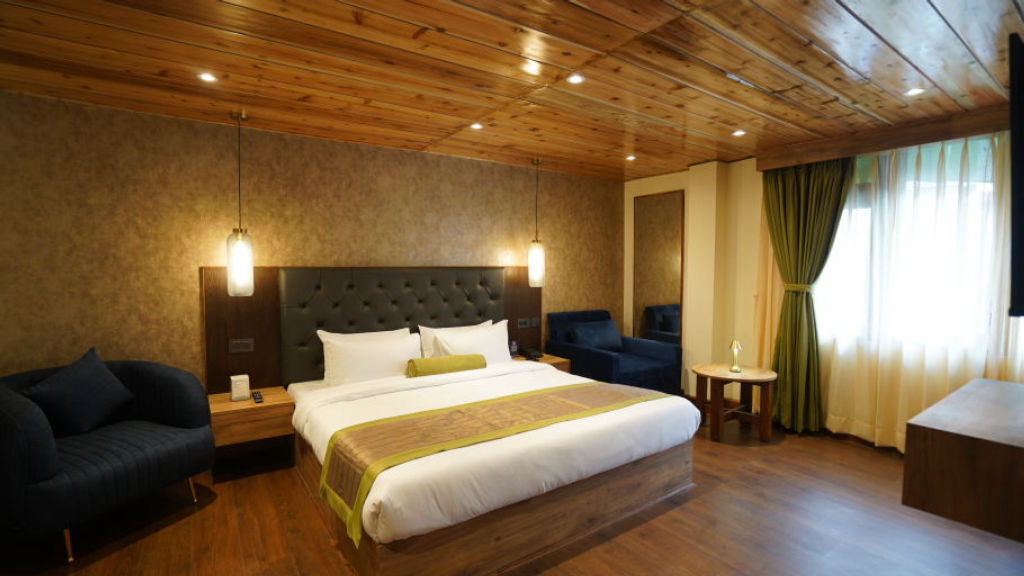
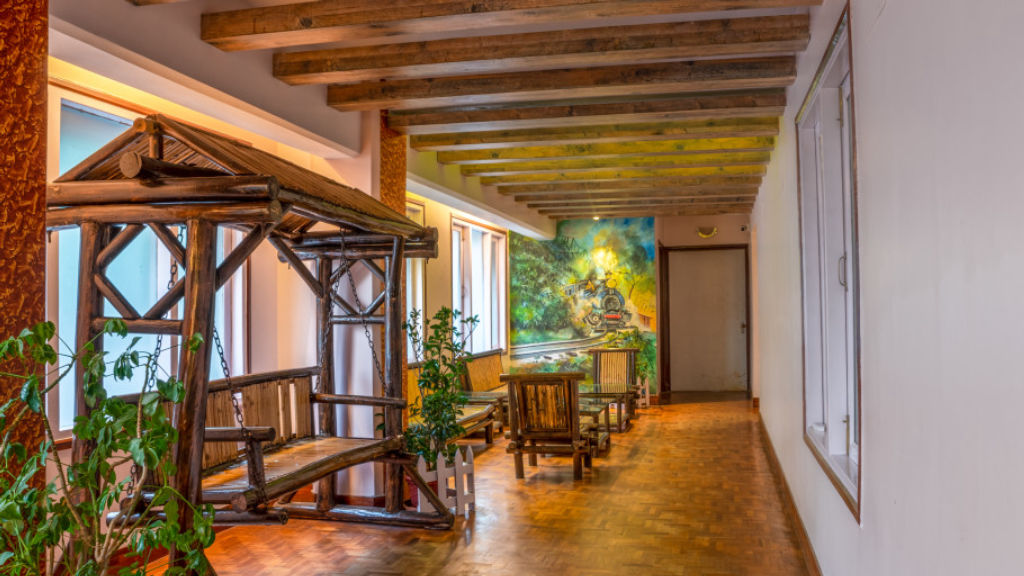
Book a place to stay close by
More places near Kanchenjunga
Within 20 km
Lists for this area
Ranked by how many creators recommend each place


Built from 0 Instagram posts by 0 creators. Every tip links back to the post it came from, and where creators disagree we show both sides.






