
Rabdentse Ruins
Ruins near Pemayangtse, Sikkim
700 m from Pemayangtse
The nearest town, for stays, food and fuel.
Rabdentse Ruins are the stone remains of the second royal capital of the former Kingdom of Sikkim, situated on a high ridge near Gyalshing. Visitors come to walk along a tranquil forested pathway and explore the archaeological remnants of centuries-old palace courtyards, temples, and ceremonial stone thrones. On clear days, the hilltop vantage point provides expansive panoramas across deep river valleys toward the snow-clad peaks of Mount Kanchenjunga.
Getting there
By road
- From PemayangtseNearest town3 min · 1.2 km
Typical drive times without traffic. Stations and airports from OLA Maps; distances and typical drive times from OpenStreetMap (© OpenStreetMap contributors); notes from creators' Reels.
About Rabdentse Ruins
Written with AI from map data and general knowledge. Check prices and timings locally before you go.
History and significance of Rabdentse
Rabdentse served as the capital of the Chogyal kingdom of Sikkim from the late seventeenth century until the early nineteenth century. Established by the second monarch, Tensung Namgyal, in 1670, the fortified city took shape along a high, commanding ridge designed to defend against invasions. For well over a century, royal decrees, spiritual gatherings, and administrative duties for the kingdom played out within these stone quarters.
The capital was eventually ransacked and laid to ruin during prolonged military incursions by the Gurkha army from Nepal. The royal court was forced to abandon Rabdentse and shift its seat eastward, leaving the palace complex exposed to centuries of natural weathering and overgrowth. Today, the Archaeological Survey of India oversees and preserves the remaining foundations, stone stairs, and prayer platforms, offering a direct physical link to medieval Sikkimese statehood.
The forest walk to the complex
The journey to the archaeological site begins long before you reach the stone foundations. Travellers start from an entrance gate located along the main road and follow a paved stone trail that winds gently downhill and then up along a heavily wooded ridge. Dense canopies of towering chestnut, oak, and rhododendron trees shade the path, creating a cool and quiet atmosphere sheltered from roadside noise.
The surrounding woodland forms a natural habitat for diverse bird species, butterflies, and small forest animals. Depending on the time of day, visitors often hear thrushes, flycatchers, and cuckoos calling from the canopy. Walking along this path takes an unhurried fifteen to twenty minutes, serving as a gradual, contemplative transition from modern transit into the stillness of historical ground.
Read more
Exploring the ruins and viewpoint
The archaeological complex is neatly divided into two distinct sectors: the royal residential quarters and the religious sanctuary. As you emerge from the tree line into the open grassy clearing, the outer palace perimeter unfolds. Low, excavated stone walls mark where multi-storey timber and stone buildings once stood, including guard chambers, royal residences, and granaries.
At the northern edge stands the religious complex, known as the Dhab Lhagang, where monks and members of the royal family held private prayer ceremonies. Nearby sits Namphogang, a raised stone throne where the king once sat to dispense justice and listen to his subjects. Beyond the stone masonry, the southern and western perimeters drop off steeply into lush green ravines, offering an unobstructed vista over the valleys of West Sikkim and, weather permitting, the towering summits of Mount Kanchenjunga.
Best time to visit Rabdentse
The best period to plan a visit is between October and May, when the weather in West Sikkim is generally pleasant and rainfall is low. Autumn, running from October to late November, brings exceptionally crisp air and clear skies, presenting optimal conditions for viewing the surrounding Himalayan peaks from the terrace.
Spring, spanning from March to May, sees the surrounding forests wake up with fresh foliage and wild blooms, alongside mild daytime temperatures that make walking comfortable. The monsoon months between June and September bring heavy, persistent rainfall to the Eastern Himalayas. During this time, the stone paths can become slippery, leeches are common in the undergrowth, and low-hanging cloud cover frequently blankets the ridge, obscuring the distant mountains.
How to reach Rabdentse Ruins
Rabdentse Ruins are located near the town of Gyalshing in the western district of Sikkim. Travellers arriving from outside the state typically land at Bagdogra Airport or disembark at the New Jalpaiguri railway station in northern West Bengal. From these transportation hubs, one can hire a private taxi or take shared transit up into the mountains via Siliguri, following roads that run along the Teesta and Rangit rivers.
The ruins sit just off the road connecting Gyalshing with the popular mountain hamlet of Pelling. Local shared jeeps and private cabs operate regularly between these regional towns. The final stretch of the visit requires leaving your vehicle at the roadside parking zone and proceeding on foot down the designated walking path.
Tips for visiting the ruins
Because the approach to the ruins entails a walk along uneven stone paths and steps, comfortable walking shoes with good traction are recommended. Even on sunny days, mountain weather can shift quickly, so carrying an extra light layer or an umbrella is wise.
Facilities inside the archaeological area are minimal, so make sure to carry drinking water and keep the surroundings clean by carrying all trash back out with you. The site holds both historical value and cultural sanctity; walking respectfully around the excavated stupas and remaining wall bases helps preserve the masonry for future visitors. Confirm local opening hours and ticket details at the gate before entering.
Where to stay near Rabdentse
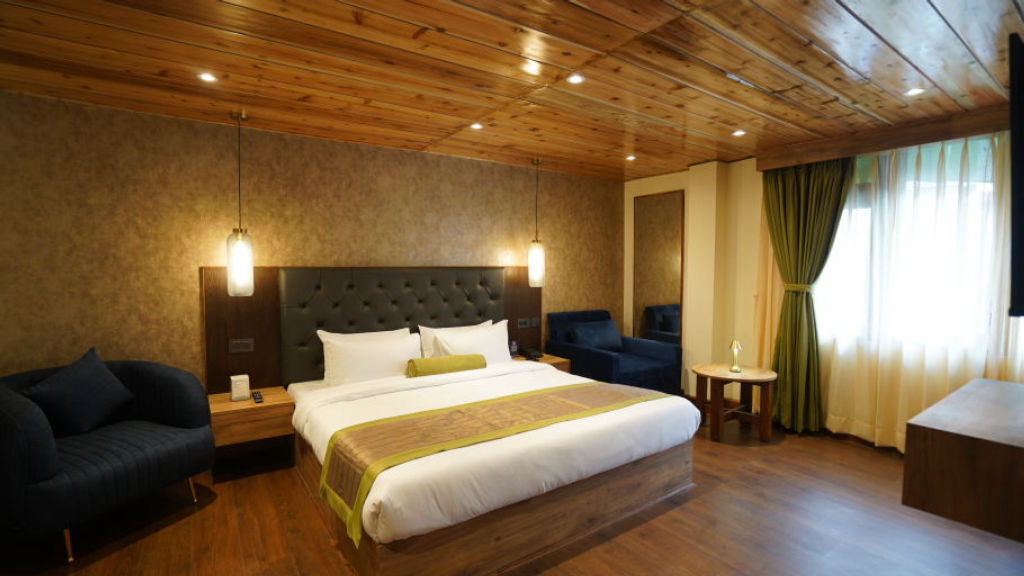
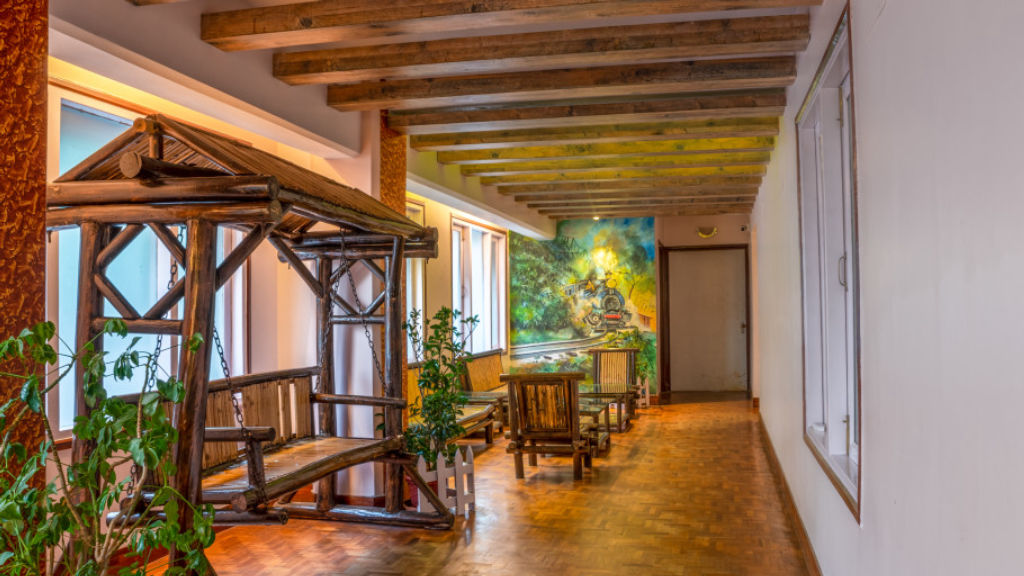
The surrounding hills of West Sikkim, including the ridges around Gyalshing and nearby villages, host a wide variety of peaceful accommodations. Travellers often choose to stay in family-run homestays or rustic camps where they can experience local Sikkimese hospitality, home-cooked regional meals, and morning views of the mountain ranges. A curated selection of camps, heritage farmstays, and homestays nearby can be found and booked directly on HireACamp.
Frequently asked questions
How long does it take to explore Rabdentse Ruins?
Most visitors spend between one and two hours at the site, which includes the fifteen-minute walk each way through the forest path and time spent wandering through the stone ruins.
Is the trail to the ruins difficult to walk?
The trail is a well-laid stone pathway that involves gentle inclines and some steps, making it accessible to most travellers with average fitness. Sturdy footwear is recommended to navigate uneven stones.
Can you see Mount Kanchenjunga from Rabdentse Ruins?
Yes, the ruins are set on a high, open ridge that commands sweeping views of Mount Kanchenjunga and the neighbouring Himalayan summits on clear days, especially during autumn and early winter.
Are there food and water stalls inside the ruins?
There are no commercial stalls or cafes inside the archaeological site itself. It is best to carry your own water bottle and purchase snacks or meals in Gyalshing or nearby settlements.
Where you'll be
Gyalshing · 2 stays nearby shown with prices
Stays near Rabdentse Ruins
Book a place to stay close by
More places near Rabdentse Ruins
Within 20 km
Lists for this area
Ranked by how many creators recommend each place


Built from 0 Instagram posts by 0 creators. Every tip links back to the post it came from, and where creators disagree we show both sides.






