
Pemayangtse Monastery
Monastery near Pemayangtse, Sikkim
600 m from Pemayangtse
The nearest town, for stays, food and fuel.
Pemayangtse Monastery is one of the oldest and most revered Buddhist monasteries in Sikkim, perched on a high ridge near Gyalshing. Established in the early eighteenth century, it serves as the premier seat of the Nyingma order in the state. Travellers visit to appreciate its preserved sacred art, centuries of Himalayan monastic heritage, and sweeping vistas of the Kangchenjunga mountain range.
Getting there
By road
- From PemayangtseNearest town7 min · 2 km
Typical drive times without traffic. Stations and airports from OLA Maps; distances and typical drive times from OpenStreetMap (© OpenStreetMap contributors); notes from creators' Reels.
About Pemayangtse Monastery
Written with AI from map data and general knowledge. Check prices and timings locally before you go.
The Significance of Pemayangtse Monastery
Pemayangtse Monastery occupies a unique position in the religious and cultural history of Sikkim. The name translates roughly to 'Perfect Sublime Lotus', symbolising one of the four traditional religious centres associated with Tibetan Buddhism in the region. Founded under the guidance of Lama Lhatsun Chempo, who played a foundational role in the coronation of Sikkim's first Chogyal, the monastery was originally intended to house celibate monks of pure lineage, historically drawn from the Ta-Sang community.
Over the centuries, the lamas of Pemayangtse held the sole privilege of performing the royal enthronement ceremonies for Sikkim's monarchs. Today, it remains an active centre for monastic training and meditation, where ancient rituals continue without interruption. The complex retains a quiet dignity, set against the backdrop of forested valleys and snow-draped Himalayan crests that inspire inward contemplation.
Architecture and Art Inside Pemayangtse
The main building of Pemayangtse Monastery is a classic example of traditional Tibetan-Sikkimese monastic design. Built across three levels, the structure features whitewashed stone walls, wood-framed windows, and sloping roofs crowned with a traditional golden finial. The surrounding courtyard serves as the stage for sacred cham dances during annual festival periods, where monks don vibrant silk garments and hand-carved wooden masks to enact Buddhist parables.
Inside, the lower levels are lined with antique frescoes, scroll paintings known as thangkas, and statues representing Guru Padmasambhava and various protective deities. The monastery's most famous artistic treasure is housed on the top floor: the Sangtok Palri. This is an intricate, seven-tiered wooden model depicting the celestial abode of Guru Rinpoche. Handcrafted and painted over five years by the late Dungzin Rinpoche, the structure contains hundreds of miniature carved deities, mythical birds, bridges, and pavilions, entirely assembled without modern fasteners. It is regarded as a masterwork of Himalayan woodcraft.
Read more
Best Time to Visit Pemayangtse Monastery
The climate in this part of West Sikkim varies dramatically through the seasons, shaping the overall visitor experience. Spring, stretching from March to May, is widely considered one of the best windows for travel. During these months, the surrounding oak and rhododendron forests break into full bloom, temperatures remain pleasant, and daylight hours are long enough for relaxed exploration.
Autumn, from October to late November, offers the clearest skies of the year. Following the retreat of the summer monsoons, the air turns crisp and transparent, providing unobstructed perspectives of Kangchenjunga and nearby peaks across the valley. Winter runs from December through February, bringing cold mornings and frosty nights. While winter demands warm layering, the monastery courtyard remains peaceful with minimal visitor numbers. The monsoon season from June to September brings heavy rains and frequent road disruptions along mountain highways, making travel challenging.
How to Reach Pemayangtse Monastery
Pemayangtse Monastery is situated in West Sikkim, close to the regional centre of Gyalshing and the ridge settlement of Pelling. The nearest major railway hub is New Jalpaiguri in West Bengal, while the closest commercial airport is Bagdogra. From these transit hubs, travellers typically hire shared or private mountain taxis to travel up into the hills via Siliguri, following the Teesta and Rangit river corridors before climbing into the western hills.
Road journeys from the plains wind through steep terrain and require careful navigation, especially where road widening or repairs are underway. Shared jeeps run regularly between major towns like Gangtok, Jorethang, and Gyalshing, from which local transport can take you directly up the access road to the monastery gate. Verify local road conditions before departure, particularly if you are travelling during transitional weather periods.
Places to Visit Around Pemayangtse
The forested ridge around Pemayangtse is dotted with heritage and nature sites that can be woven into a broader itinerary. A designated walking trail winds through thick woods from near the monastery down to the Rabdentse Ruins. Rabdentse served as the historic second capital of the Kingdom of Sikkim from the late seventeenth century until the early nineteenth century. Today, its stone foundations, royal palace enclosures, and religious chortens stand surrounded by chestnut trees, overlooking deep valleys.
Further outward, the broader Gyalshing district holds sacred lakes such as Khecheopalri, known as a wish-fulfilling lake sacred to both Buddhists and Hindus, as well as cascading hillside waterfalls. Across the state border, the hill station of Darjeeling lies within visual range across the deep gorges. While road travel between West Sikkim and the Darjeeling hills involves descending into river valleys and climbing back up, the proximity links these two regions closely in shared landscape and cultural traditions.
Tips for Your Visit to Pemayangtse
Pemayangtse is an active sanctuary of worship, and visitors are expected to observe quiet decorum at all times. Dress modestly, ensuring shoulders and knees are covered before stepping into the temple halls. Always remove your footwear at the main entrance, and follow the Buddhist custom of walking clockwise around the inner shrines, prayer wheels, and chortens.
Photography is typically prohibited inside the prayer halls to preserve the sacred atmosphere and protect delicate pigment on historic murals; always ask for permission before taking photographs of monks or indoor relics. Carry a warm layer, as stone-floored sanctums remain chilly even on bright days. Because mountain weather can change quickly, keep an umbrella or light waterproof shell in your day pack.
Where to Stay near Pemayangtse Monastery
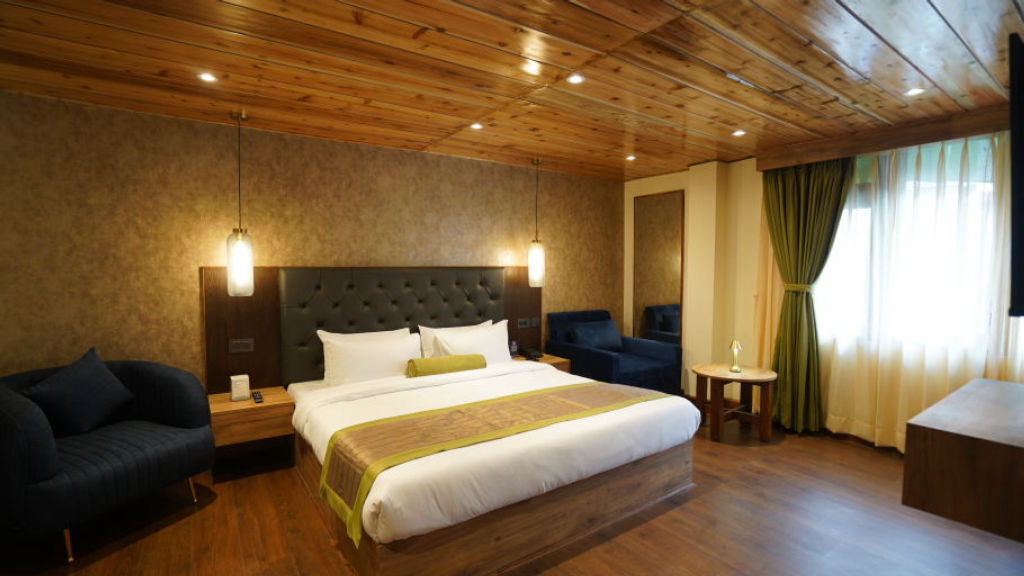
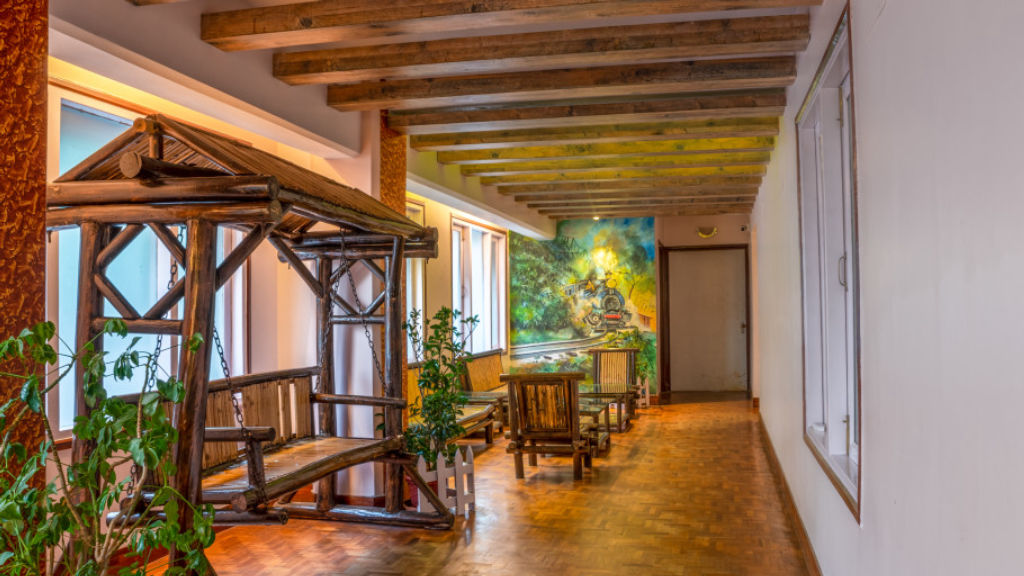
Accommodation options are concentrated along the nearby ridges around Pelling and down towards Gyalshing. Visitors can choose between village homestays, quiet mountain retreats, and traditional lodges that offer warm Sikkimese hospitality. Staying in a homestay provides an opportunity to taste home-cooked local meals made with fresh farm produce, such as fermented soy dishes, bamboo shoots, and seasonal greens.
Outdoor getaways, rustic camps, and independent homestays situated within easy driving distance of the monastery can be booked on HireACamp. Finding a base close to the ridge ensures you can reach Pemayangtse in time for morning prayers or evening light over the peaks.
Frequently asked questions
Where is Pemayangtse Monastery located?
Pemayangtse Monastery is located in West Sikkim, near the town of Gyalshing and the settlement of Pelling, set along a high ridge with views of the Kangchenjunga range.
What is the Sangtok Palri at Pemayangtse?
The Sangtok Palri is a seven-tiered painted wooden model housed on the top floor of the monastery, depicting the celestial realm of Guru Padmasambhava. It was hand-carved over five years by Dungzin Rinpoche without the use of nails.
Can visitors attend morning prayers at Pemayangtse?
Visitors are generally permitted to sit quietly at the back of the prayer hall during chanting sessions, provided they respect the monastic silence and observe local customs. It is wise to inquire locally upon arrival for current prayer schedules.
Is photography allowed inside the monastery?
Photography is usually restricted inside the prayer halls and on the upper floor around the Sangtok Palri to protect ancient murals and preserve the sacred space. You may take photos of the exterior architecture and courtyard.
How far is Pemayangtse Monastery from the Rabdentse Ruins?
The Rabdentse Ruins are located very close to Pemayangtse, connected by a scenic forest walking path as well as a short drive along the main access road.
Where you'll be
Pemayangtse Town, Gyalshing · 2 stays nearby shown with prices
Stays near Pemayangtse Monastery
Book a place to stay close by
More places near Pemayangtse Monastery
Within 20 km
Lists for this area
Ranked by how many creators recommend each place


Built from 0 Instagram posts by 0 creators. Every tip links back to the post it came from, and where creators disagree we show both sides.






