
Rimbi Falls
Waterfall near Pelling , Sikkim
5.3 km from Pelling
The nearest town, for stays, food and fuel.
Rimbi Falls is a scenic mountain waterfall located along the Pelling-Rimbi Road near Gyalshing in West Sikkim. Formed by the swift waters of the Rimbi River, the cascade tumbles over dark rocky ledges surrounded by dense Himalayan greenery. Travellers and day-trippers frequently stop here while exploring the classic sightseeing circuits around Gyalshing and Pelling.
Getting there
By road
- From Pelling Nearest town35 min · 19 km
Typical drive times without traffic. Stations and airports from OLA Maps; distances and typical drive times from OpenStreetMap (© OpenStreetMap contributors); notes from creators' Reels.
About Rimbi Falls
Written with AI from map data and general knowledge. Check prices and timings locally before you go.
What to expect at Rimbi Falls
Rimbi Falls is an accessible natural attraction tucked into the forested valleys of West Sikkim. Located along the winding road between Pelling and the Rimbi River valley, the falls are formed by cold mountain streams that plunge over large boulders before flowing downward to join the main river. Because the waterfall sits directly alongside the roadway, it requires no arduous trekking, making it an easy and family-friendly stop during a day tour of the district.
Visitors are greeted by the steady rush of falling water and cool mountain breezes that carry light spray across the roadside viewpoint. While not among the towering high-altitude drops of North Sikkim, Rimbi Falls has an intimate, rustic appeal. Shallow pools and natural rock channels form below the main drop, where travellers frequently pause to take photographs, stretch their legs, and enjoy the clean mountain air. Local vendors often operate small roadside stalls nearby, offering hot tea and light refreshments to passing travellers.
Landscape and natural surroundings
The landscape surrounding Rimbi Falls exemplifies the rich subtropical and temperate forest belt of the Eastern Himalayas. Dense canopies of broadleaf trees, wild ferns, bamboo groves, and moss-covered stones flank the rocky ravine. The Rimbi River valley below is known for its fertile soil and gentle microclimate, supporting traditional terraced farming, cardamom plantations, and citrus orchards that thrive across the slopes.
Nature lovers and birdwatchers will find much to appreciate in the peaceful pockets of forest enclosing the stream. Species such as whistling thrushes, bulbuls, and fork-tails are regularly seen flitting across the wet boulders and tree limbs near the water. The persistent moisture generated by the waterfall nurtures thick mats of lichens, wild mosses, and riverine plants, keeping the gorge vibrant and green throughout most of the year.
Read more
Best time to visit Rimbi Falls
The appearance of Rimbi Falls shifts significantly across the changing seasons of West Sikkim. The post-monsoon window from October to December is one of the most comfortable times to plan a visit. During these months, the skies are generally clear, the valley roads are dry, and daytime temperatures are pleasant. The water volume in the Rimbi River remains substantial from the recent rains, giving the cascade a full and lively appearance without the muddied runoff common during summer storms.
Spring, spanning March to May, brings mild weather and blooming vegetation across the surrounding hillsides. Fresh leaves emerge on the valley canopy, and mountain flowers add colour to the route from Gyalshing. Winter days from January to February are crisp and sunny, though early mornings and evenings turn quite chilly. The monsoon season from June to September swells the waterfall to its peak volume, creating a dramatic, roaring flow. However, visiting during these months requires extra care, as heavy Himalayan downpours can bring thick fog, wet roads, and occasional localized roadblocks.
How to reach Rimbi Falls
Rimbi Falls is located along the Peling-Rimbi Road within the Gyalshing district of West Sikkim. Gyalshing serves as the primary administrative town in the area and is connected by mountain highways to other major towns across Sikkim and northern West Bengal. Most visitors reach the falls by hiring a taxi or private vehicle from Pelling, which lies uphill and acts as the district's main tourism hub, or directly from Gyalshing town.
Travellers arriving from outside the state generally travel through New Jalpaiguri railway station or Bagdogra airport in West Bengal. From these transit hubs, shared jeeps and private cabs travel up through Teesta Bazar, Jorethang, or Legship before ascending towards Gyalshing and Pelling. Once in the area, booking a local taxi for a half-day or full-day circuit tour is the simplest way to visit Rimbi Falls along with neighbouring sites in the valley.
Places to visit around Rimbi and Gyalshing
A visit to Rimbi Falls fits seamlessly into a broader exploration of the cultural and natural sites around Gyalshing and Pelling. Further along the valley floor, the Rimbi River area features quiet riverside spots where visitors can stroll along the water's edge and observe the surrounding rural landscape. Higher up the mountain roads lies Kanchenjunga Falls, another popular waterfall that drops with greater force over sheer cliff faces.
The region is also rich in spiritual and historical heritage. Khecheopalri Lake, a sacred high-altitude waterbody revered by both Buddhists and Hindus, sits enclosed in deep forest a short drive away. Near Gyalshing, travellers can explore the ancient stone walls of the Rabdentse Ruins, the second capital of the former Kingdom of Sikkim, as well as the historic Pemayangtse Monastery. Combining these destinations provides a well-rounded day of history, spirituality, and nature.
Tips for visiting Rimbi Falls
Planning your stop at Rimbi Falls during the morning or early afternoon ensures good daylight for sightseeing and photography. The rocks surrounding the falls and splash pools remain permanently damp from mist, so wearing footwear with dependable rubber traction is strongly advised to prevent slipping on wet stones.
Visitors should always exercise caution around the water. Mountain currents can run faster than they appear, and underwater rocks are often coated with slick algae, so it is safest to view the falls from the roadside platform or designated stone viewpoints rather than wading deep into the channel. Carry a light jacket or windbreaker, as mountain breezes blowing down the ravine can feel brisk. Finally, help keep the area pristine by carrying any personal rubbish back with you rather than leaving wrappers or bottles behind.
Where to stay near Rimbi Falls
Because Rimbi Falls is a natural roadside attraction, overnight stays are located in the surrounding towns and hillside settlements. Most travellers choose to base themselves around Pelling or Gyalshing, where a broad spectrum of lodging options is available across various budgets. In addition to conventional mountain lodges, the area features family-run homestays and rural retreats nestled among quiet cardamom farms and hillside villages.
Opting for a stay in the surrounding valleys provides a closer look at rural Sikkimese culture, complete with home-cooked regional meals and quiet mountain nights. A variety of camps, homestays, and outdoor stays near Rimbi Falls and Gyalshing can be booked through HireACamp.
Frequently asked questions
Where is Rimbi Falls located?
Rimbi Falls is situated along the Pelling-Rimbi Road in the Gyalshing district of West Sikkim, India, near the flow of the Rimbi River.
How much time is needed to visit Rimbi Falls?
Most visitors spend between 20 and 45 minutes at Rimbi Falls, which is sufficient time to admire the cascade, take photos, and enjoy tea from nearby roadside stalls.
Can you swim in the pool below Rimbi Falls?
Swimming is generally not recommended due to slippery submerged boulders, cold water temperatures, and strong localized currents in the river channel.
What is the best time of year to see Rimbi Falls?
The post-monsoon months of October to December and the spring period from March to May offer clear skies, pleasant weather, and steady, clean water flow.
Is there a long trek required to reach Rimbi Falls?
No trek is required, as the waterfall is situated right beside the paved road, allowing travellers to step out of their vehicles and view the falls directly.
Where you'll be
Peling-Rimbi Road, Gyalshing · 1 stay nearby shown with prices
Stays near Rimbi Falls
Book a place to stay close by
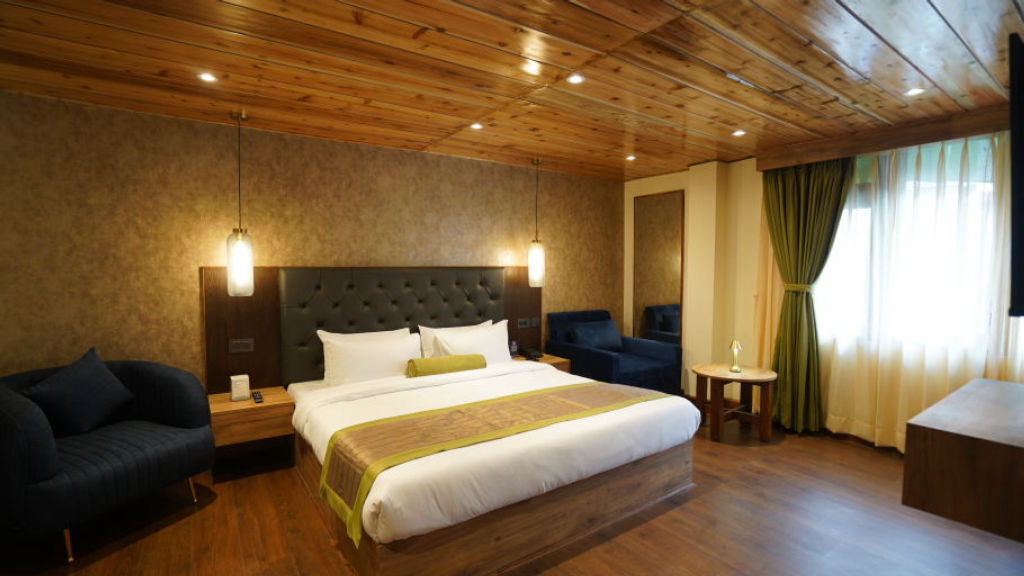
More places near Rimbi Falls
Within 20 km
Lists for this area
Ranked by how many creators recommend each place


Built from 0 Instagram posts by 0 creators. Every tip links back to the post it came from, and where creators disagree we show both sides.






