
Koyna Wildlife Sanctuary
Wildlife sanctuary near Kari, Maharashtra
3.8 km from Kari
The nearest town, for stays, food and fuel.
Koyna Wildlife Sanctuary is a dense forested reserve situated in the Western Ghats of Maharashtra near Koynanagar. Nestled around the catchment area of the Koyna River and Shivsagar Lake, it forms an integral part of the UNESCO World Heritage Western Ghats cluster. Nature lovers and wildlife enthusiasts visit to experience its evergreen shola forests, rich biodiversity, and rugged mountain landscapes.
Getting there
By road
- From KariNearest town25 min · 11 km
- From Pune3 hr · 129 km
- From Mumbai 5 hr 25 min · 275 km
Typical drive times without traffic. Stations and airports from OLA Maps; distances and typical drive times from OpenStreetMap (© OpenStreetMap contributors); notes from creators' Reels.
About Koyna Wildlife Sanctuary
Written with AI from map data and general knowledge. Check prices and timings locally before you go.
About Koyna Wildlife Sanctuary
Spanning across the rugged terrain of the southern Sahyadri mountain range, Koyna Wildlife Sanctuary serves as a vital ecological corridor in western Maharashtra. The sanctuary is framed by the backwaters of the Koyna Dam, known as the vast Shivsagar Lake, and slopes down toward the Konkan plains on its western edge. Due to extreme variations in elevation and high rainfall, the landscape encompasses dense moist deciduous forests, semi-evergreen stretches, and montane grasslands known locally as sadas.
Historically protected as a forest reserve, Koyna later gained sanctuary status and was subsequently merged under the administrative boundary of the Sahyadri Tiger Reserve along with Chandoli National Park. Its relative isolation and difficult terrain have shielded significant portions of the forest from heavy urbanization, leaving deep ravines and river valleys largely pristine. The sanctuary plays a crucial hydrological role by protecting the catchment of the Koyna River, which powers one of the state's largest hydroelectric projects.
Flora and wildlife in Koyna
The rich vegetation of Koyna Wildlife Sanctuary supports an exceptional array of endemic and vulnerable wildlife. The dense canopy is composed of indigenous trees such as anjan, jambhul, haritaki, and kinjal, interspersed with thick bamboo thickets and climbing epiphytes. In higher clearings, seasonal wildflowers bloom during and immediately after the monsoon, creating temporary floral carpets.
Among the larger mammals, the sanctuary provides habitat to the Bengal tiger, Indian leopard, dhole, sloth bear, gaur, and sambar deer. Smaller carnivores like the civet, leopard cat, and smooth-coated otter thrive around the riverbanks and backwaters. Koyna is also an important sanctuary for the Indian giant squirrel, the state animal of Maharashtra, easily spotted leaping among high tree branches. Birdwatchers can encounter a wide spectrum of species including the Malabar pied hornbill, heart-spotted woodpecker, crested serpent eagle, and various migratory waterfowl along the edge of Shivsagar Lake during the cooler months.
Read more
Things to do around Koyna
Exploring the fringes of the reserve and taking boat rides on Shivsagar Lake are among the most rewarding outdoor activities in Koyna. Boating across the tranquil backwaters offers clear vistas of the surrounding densely forested hills and permits quiet wildlife viewing along the lake's edges, where deer and monkeys regularly come down to drink.
Nature walks and supervised trekking on permitted fringe routes allow visitors to observe the rich birdlife, butterflies, and diverse forest trees up close. Because large areas of the core zone have restricted access to protect wildlife, trekking is primarily confined to designated buffer trails and forest checkpoints. In addition, travellers often spend time visiting scenic lake viewpoints, quiet forest streams, and nearby historic hill lookouts that overlook the Konkan cliff drop.
Best time to visit Koyna
The most pleasant time to visit Koyna Wildlife Sanctuary is between October and February. Following the heavy monsoon downpours, the forests remain vibrant green, streams run full, and the cooler daytime temperatures make outdoor exploration and lake activities very comfortable. Winter nights in the Sahyadris can be noticeably chilly, making warm clothing necessary.
Monsoon season brings intense rainfall between June and September, transforming the region into an amphitheatre of cloud-covered peaks and gushing waterfalls. While the lush green scenery is dramatic, forest trails often become inaccessible and leech-heavy, and water levels rise swiftly. The summer months from March to May see rising temperatures and drier scrubland, which reduces scenic foliage but improves chances of spotting mammals congregating near the receding lake shores.
How to reach Koyna Wildlife Sanctuary
Koynanagar is the primary base and transit hub for accessing Koyna Wildlife Sanctuary. Travellers arriving by road can take the Mumbai-Bengaluru highway up to Karad or Chiplun and branch off toward Koynanagar along regional mountain roads that wind through the Sahyadris. State transport buses run frequent services to Koynanagar from major towns including Karad, Satara, and Chiplun.
The nearest railway stations are located at Chiplun on the Konkan Railway line and Karad on the Central Railway network. Both stations offer local bus and private taxi connections for the onward journey up into the hills. The nearest domestic and international airports are in Pune and Mumbai, from where travellers can rent a private vehicle or catch an express train down toward the region.
Places to visit nearby
The Satara and Koyna region is filled with renowned nature and heritage destinations that pair well with a wildlife itinerary. Just a short drive away lies Thoseghar Waterfall, a spectacular cascade that plunges hundreds of feet down steep cliff faces, particularly impressive during the monsoon season. Nearby sits the historic Sajjangad Fort, perched atop an isolated flat-topped hill known for its panoramic views of the Urmodi basin and its spiritual heritage.
Further north, visitors can explore the Kaas Plateau, a UNESCO-recognized bio-diversity hotspot celebrated for its rare seasonal wildflowers that blossom in late August and September. Urmodi Dam View Point and Kanher Dam offer expansive water views framed by mountain ridges. Travellers interested in water sports and leisurely boating frequently head toward Tapola Lake, often called the mini Kashmir of Maharashtra, which connects seamlessly to the wider network of backwaters in the Western Ghats.
Tips for your visit
Much of Koyna Wildlife Sanctuary falls under strict forest department conservation management. Visitors should obtain necessary forest permits and check operational guidelines at the local forest range office in Koynanagar before venturing along internal trails or booking boat rides. Forest entry rules must be strictly respected, including sticking to designated paths and leaving no litter behind.
Pack sturdy walking shoes with strong grip, as forest tracks and damp river banks can be slick. Earth-toned clothing in shades of brown, green, or khaki is recommended to blend into the natural surroundings without disturbing resident animals. Carry your own refillable water bottles, insect repellent, and a basic first aid kit, as commercial amenities and shops are scarce once you leave the main town area.
Where to stay around Koyna
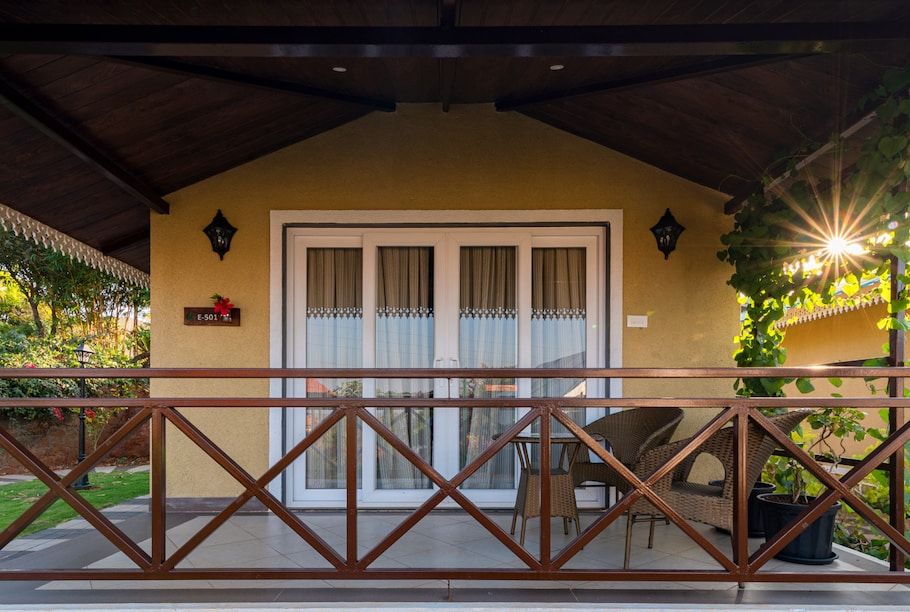
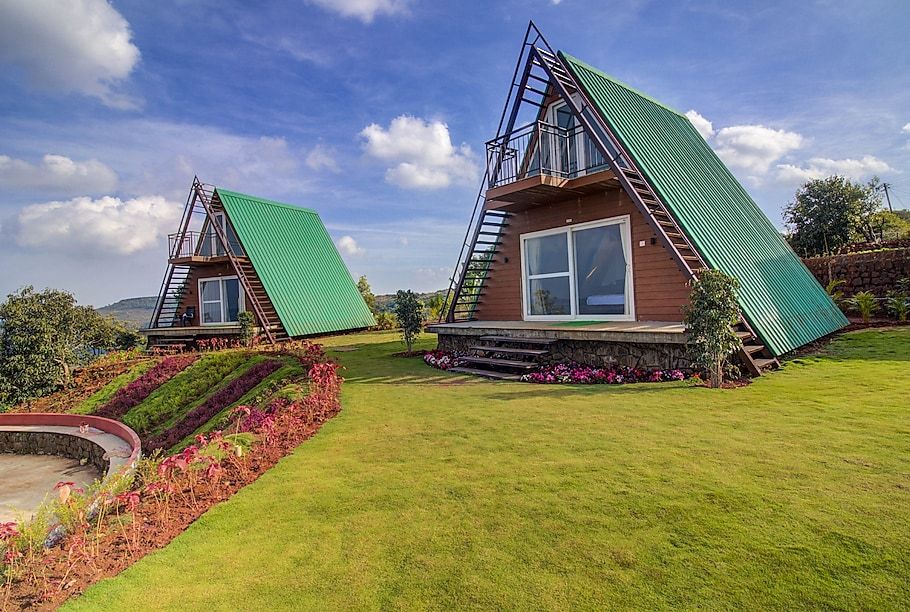
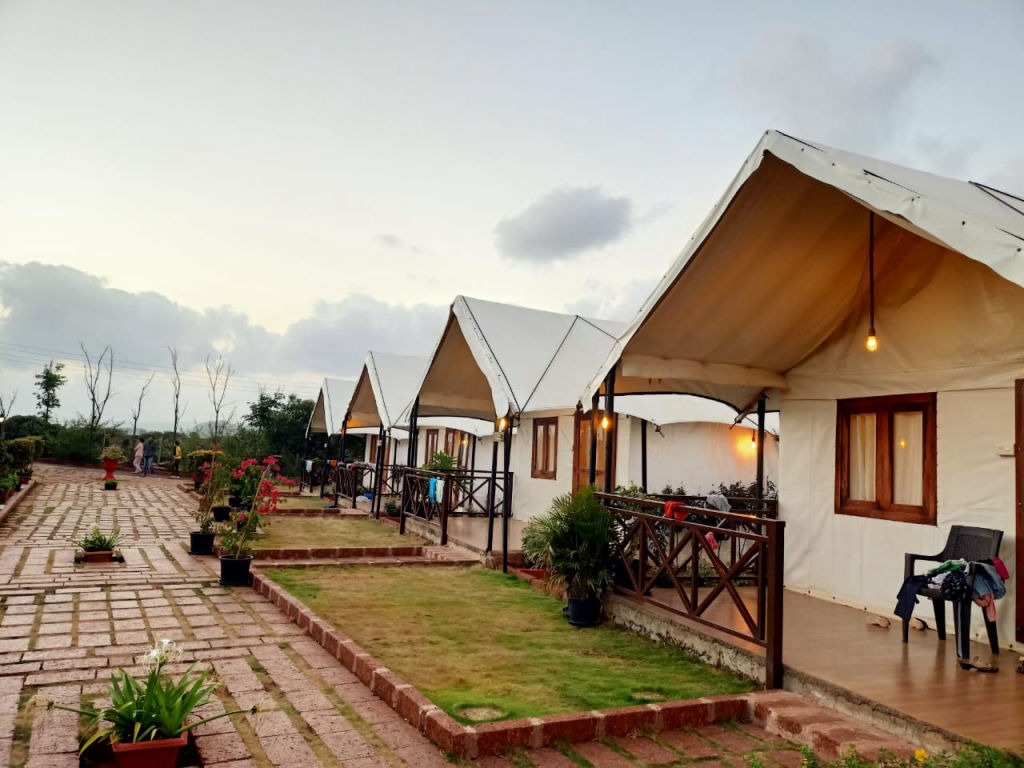
Accommodations near the sanctuary range from simple guesthouses around Koynanagar to rustic rural farmstays and lakeside nature retreats dotted along the backwaters. Many travellers prefer staying close to the water or along the tranquil village edges to wake up to uninterrupted birdsong and mountain views.
Those looking for experiential stays, countryside homestays, and outdoor camps around Koyna and the broader Satara district can explore curated options directly on HireACamp. Booking in advance is recommended during long holiday weekends and the peak post-monsoon travel period.
Frequently asked questions
Where is Koyna Wildlife Sanctuary located?
Koyna Wildlife Sanctuary is located in the Satara district of Maharashtra, India, nestled within the Western Ghats near the town of Koynanagar.
Which animals can be seen at Koyna Wildlife Sanctuary?
The sanctuary is home to tigers, leopards, Indian gaurs, sambar deer, sloth bears, and the Indian giant squirrel, alongside a diverse variety of reptiles and forest birds.
Is Koyna Wildlife Sanctuary open during the monsoon?
While the surrounding region is open, interior forest trails and safari routes may be restricted during the heavy monsoon months between June and September due to safety concerns. Visitors should confirm entry conditions locally.
How do I reach Koyna Wildlife Sanctuary from Pune or Mumbai?
You can drive or take a train to Chiplun or Karad, and then travel by road to Koynanagar. Regular state transport buses and private taxis connect nearby railway stations to the sanctuary's entry points.
What attractions can I visit near Koyna Wildlife Sanctuary?
Popular nearby attractions include Thoseghar Waterfall, Sajjangad Fort, Urmodi Dam, Kaas Plateau, and the scenic backwaters of Tapola Lake.
Where you'll be
Rajnandini Farm House, near Kusavde, Koynanagar · 4 stays nearby shown with prices
Stays near Koyna Wildlife Sanctuary
Book a place to stay close by

More places near Koyna Wildlife Sanctuary
Within 20 km


Lists for this area
Ranked by how many creators recommend each place

Built from 0 Instagram posts by 0 creators. Every tip links back to the post it came from, and where creators disagree we show both sides.






