
Kurinjimala Sanctuary
Wildlife sanctuary near Koyilur, Kerala
5.2 km from Koyilur
The nearest town, for stays, food and fuel.
Kurinjimala Sanctuary is a protected wildlife haven situated in the high-altitude hills of Vattavada near Devikolam in Kerala. Established primarily to safeguard the rare Strobilanthes kunthiana, or Neelakurinji flower, the sanctuary encompasses unique shola forests and montane grasslands. Travellers and naturalists visit to experience its mist-clad terrain, vibrant endemic biodiversity, and the rugged mountain landscapes of the Western Ghats.
Getting there
By road
- From KoyilurNearest town38 min · 12 km
- From Kochi4 hr 30 min · 183 km
- From Madurai5 hr 35 min · 210 km
- From Coimbatore5 hr 40 min · 209 km
Typical drive times without traffic. Stations and airports from OLA Maps; distances and typical drive times from OpenStreetMap (© OpenStreetMap contributors); notes from creators' Reels.
About Kurinjimala Sanctuary
Written with AI from map data and general knowledge. Check prices and timings locally before you go.
About Kurinjimala Sanctuary
Kurinjimala Sanctuary covers approximately thirty-two square kilometres in the Vattavada and Kottakamboor villages within the Devikolam taluk of Idukki district. Perched on the eastern slopes of the Western Ghats along Kerala's border with Tamil Nadu, the sanctuary was notified to preserve the delicate ecological pocket that fosters the legendary Neelakurinji plant.
The terrain here is characterised by undulating hills, rolling montane grasslands, and patches of dense shola forests nestled in the folds of the valleys. This specialised habitat creates a microclimate that supports numerous endemic plants, birds, and animals that are rarely found outside this elevation belt. The region also plays an important role as a watershed, feeding several perennial hill streams that run down towards the plains.
Unlike traditional tiger reserves or expansive flat-forest wildlife parks, Kurinjimala Sanctuary is primarily about botanical preservation and the fragile balance of high-altitude montane ecology. Its rugged character, swept by mountain winds and sudden banks of cloud, offers visitors a glimpse into an ancient landscape that has evolved over thousands of years.
Flora and wildlife in Kurinjimala Sanctuary
The primary claim to fame of Kurinjimala Sanctuary is the Neelakurinji shrub, Strobilanthes kunthiana. This botanical wonder blooms synchronously only once every twelve years, blanketing the hill slopes in vivid shades of purplish blue. Outside the mass-blooming cycles, the sanctuary remains home to numerous related Strobilanthes species and a vast variety of alpine grasses, rhododendrons, and wild hill orchids.
Beyond its rare flora, the sanctuary provides refuge to several threatened animal species. The open, rocky ridges are frequented by the endangered Nilgiri tahr, which can often be seen grazing along precipitous crags. Indian gaur, sambar deer, barking deer, and wild boars roam the grassy hollows and forest fringes.
Carnivores such as leopards, jungle cats, and dholes move through these interconnected forest corridors, while Asian elephants frequently pass through the boundary between Kerala and the adjoining rain-shadow regions of Tamil Nadu. Avian life is equally rich, featuring high-altitude endemics including the Nilgiri pipit, Kerala laughingthrush, white-bellied sholakili, and various raptors that ride the mountain thermals above the crests.
Read more
Best time to visit Kurinjimala Sanctuary
The most pleasant period to plan a trip to Kurinjimala Sanctuary runs from October to March. During these post-monsoon and winter months, the heavy rains taper off, leaving behind vivid green slopes, crystal-clear skies, and brisk, cool breezes. Daytime temperatures remain mild, making walking and outdoor exploration comfortable, though early mornings and evenings can get sharply cold.
From June to September, the sanctuary receives intense downpours from the southwest monsoon. Heavy rainfall can cause slippery trails, thick fog, and occasional landslides on the steep approach roads from Devikolam and Munnar. Unless you are specifically drawn to the dramatic monsoon scenery of the Western Ghats, travel during this window requires cautious planning.
The summer months between April and May bring warmer days and relatively dry conditions before the clouds gather again. Wildlife sightings around water holes tend to pick up during late spring, although the vegetation dries down to golden hues across the ridgelines.
How to reach Kurinjimala Sanctuary
Kurinjimala Sanctuary is accessed primarily through Devikolam and Munnar in Idukki district. Munnar serves as the principal hub, from where mountain roads head east toward Top Station and descend slightly into the agricultural valley of Vattavada, which borders the sanctuary.
For those arriving by train, the nearest major railway stations are Aluva and Ernakulam on the Kerala side, as well as Madurai and Coimbatore across the border in Tamil Nadu. From any of these railheads, travellers can hire taxis or use public transport buses heading towards Munnar and onwards to Devikolam and Vattavada.
Cochin International Airport and Madurai Airport are the closest air gateways, both roughly equal driving distances from the high ranges. The roads in the final stretch leading to Vattavada and the sanctuary perimeter are narrow and wind through terraced farms, vegetable plantations, and eucalyptus groves, so driving during daylight hours is strongly recommended.
Tips for your visit to Kurinjimala Sanctuary
Because Kurinjimala Sanctuary is a sensitive and protected ecological habitat, entry and exploration are subject to guidelines set by the Kerala Forest and Wildlife Department. Travellers should always consult local forest check-posts or tourism offices in Munnar and Devikolam to confirm current access regulations, permitted routes, and any local guides required for walking within sanctuary fringes.
Weather conditions in the high ranges can change rapidly. Carry warm layers, including windbreakers and fleece jackets, regardless of the season, as temperatures dip substantially once the sun goes down or when fog rolls in. A lightweight waterproof outer layer is always sensible in these hills.
Wear sturdy trekking shoes with good grip, as the terrain consists of unpaved paths, steep inclines, and loose soil. Strict environmental ethics must be observed: avoid littering, carry all plastic back with you, stay on established paths to prevent damaging fragile shola undergrowth, and never pluck flowers or disturb the plants.
Places to visit around Kurinjimala Sanctuary
The region surrounding the sanctuary offers an engaging mix of mountain landscapes, heritage sites, and wild reserves. Just north lies Marayur, celebrated for its ancient megalithic dolmens and the only natural sandalwood forest reserve in Kerala. Nearby, the Chinnar Wildlife Sanctuary offers dry deciduous forest drives and chances to spot the grizzled giant squirrel and spotted deer.
Waterfalls are scattered across the surrounding slopes. Karimutty Waterfalls is a scenic stopping point near Marayur, while Attukad Waterfalls near Pallivasal provides dramatic torrents surrounded by tea gardens. If you venture towards the Tamil Nadu border, Kumbakkarai Falls and the reservoirs at Thirumoorthy Dam and Kadamparai Dam illustrate the diverse hydrography shaped by these hills.
For panoramic ridgeline views, the peaks of Kumarikkal Mala and Kattu Malai provide stunning vantage points over the Anamalai and Palani ranges. You can also explore the traditional vegetable terraces of Vattavada village, renowned for cool-season crops like carrots, cabbage, garlic, and strawberries that thrive alongside the forest border.
Where to stay near Kurinjimala Sanctuary
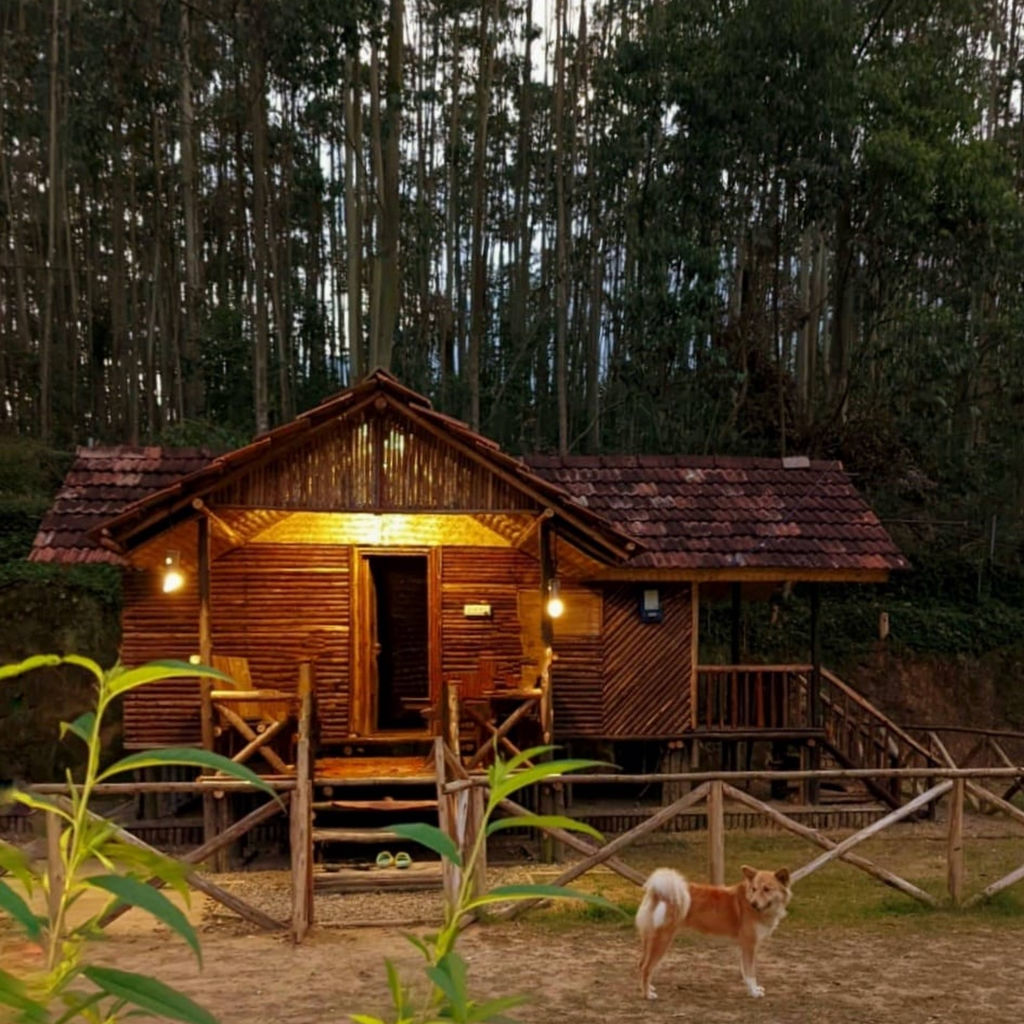
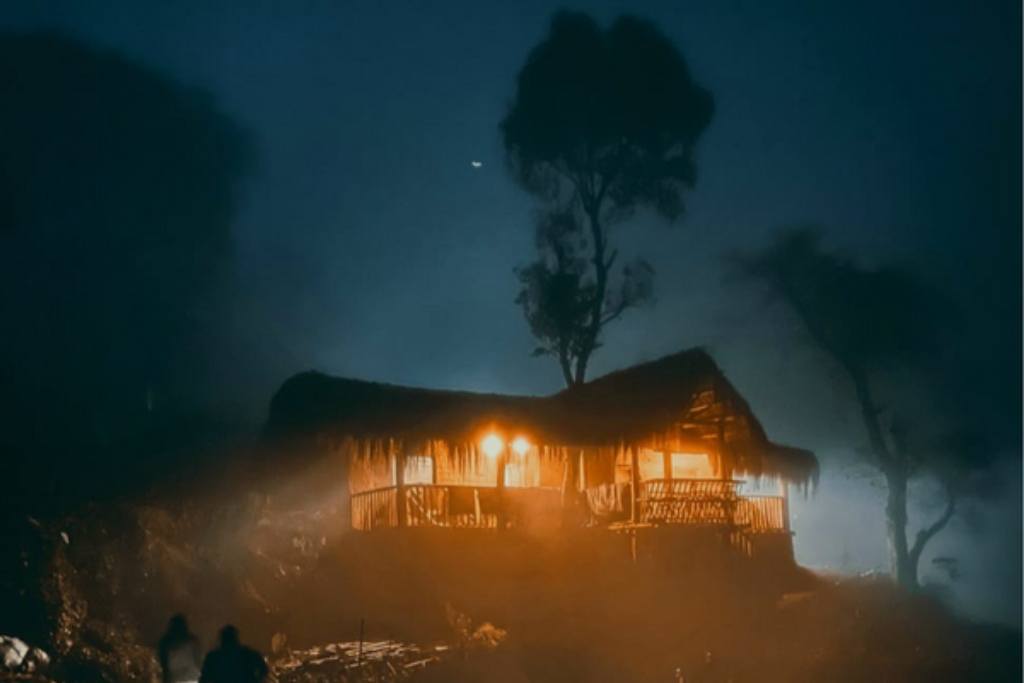
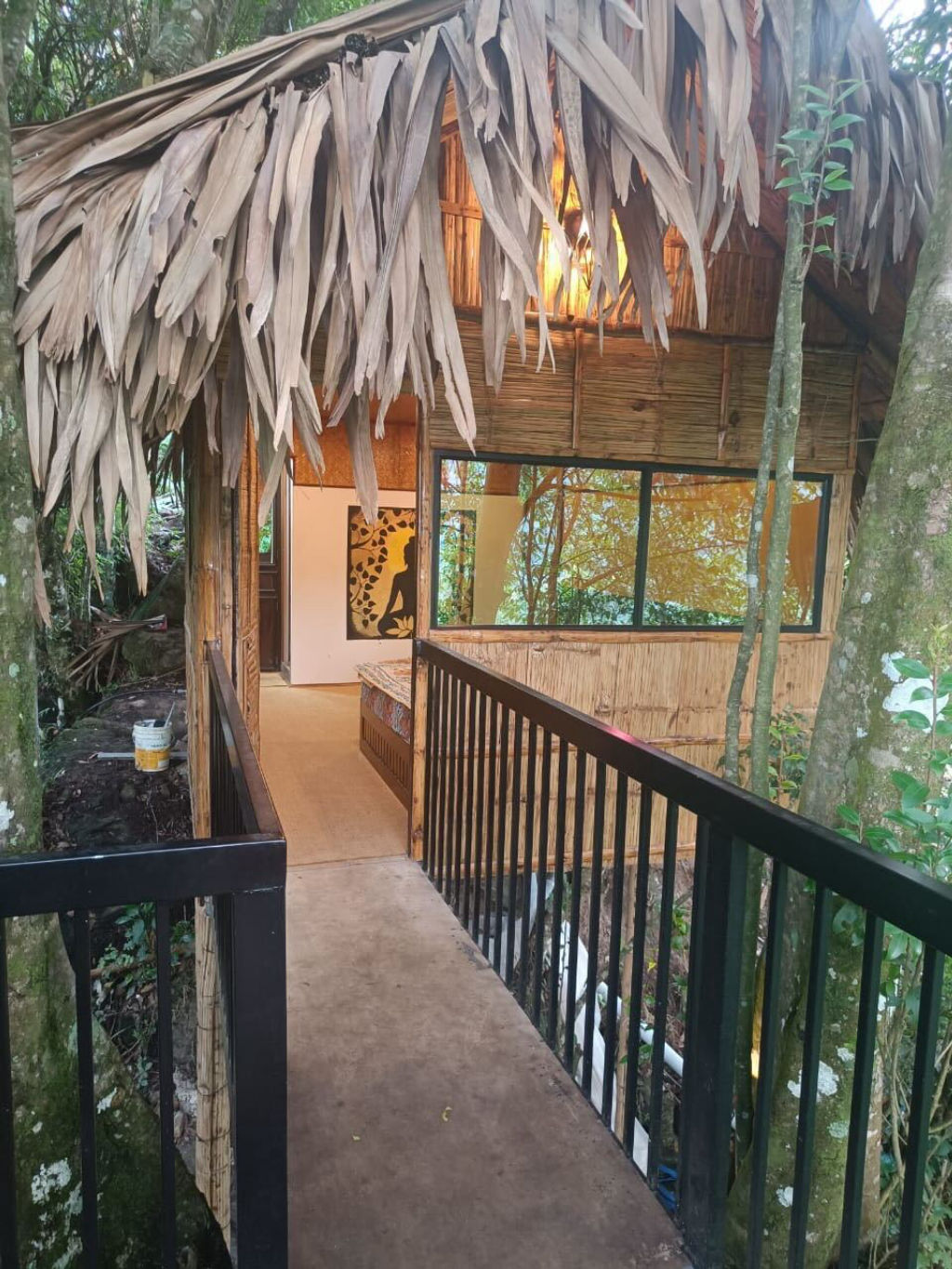
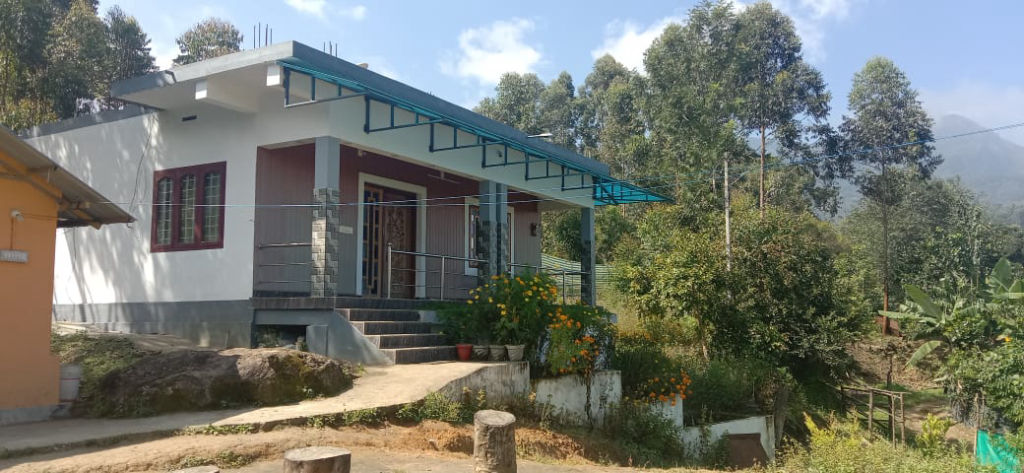
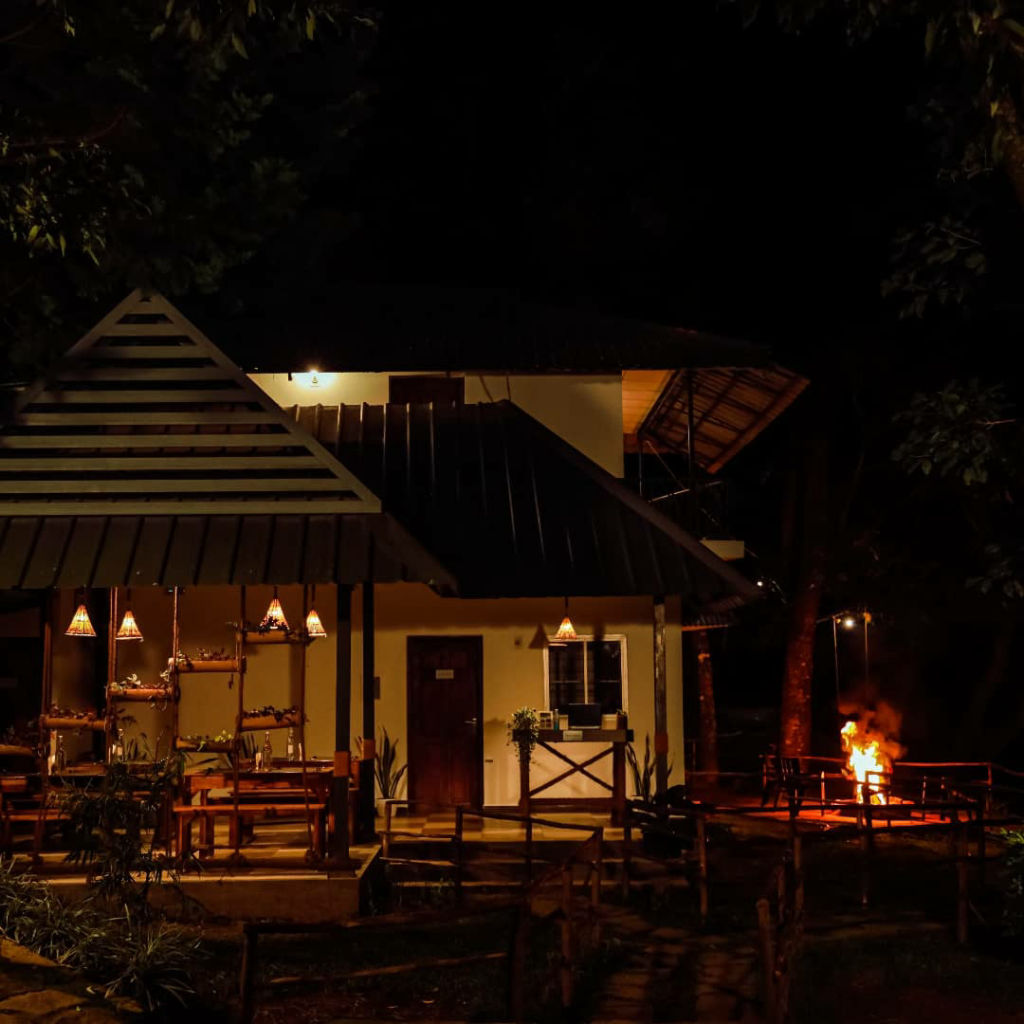
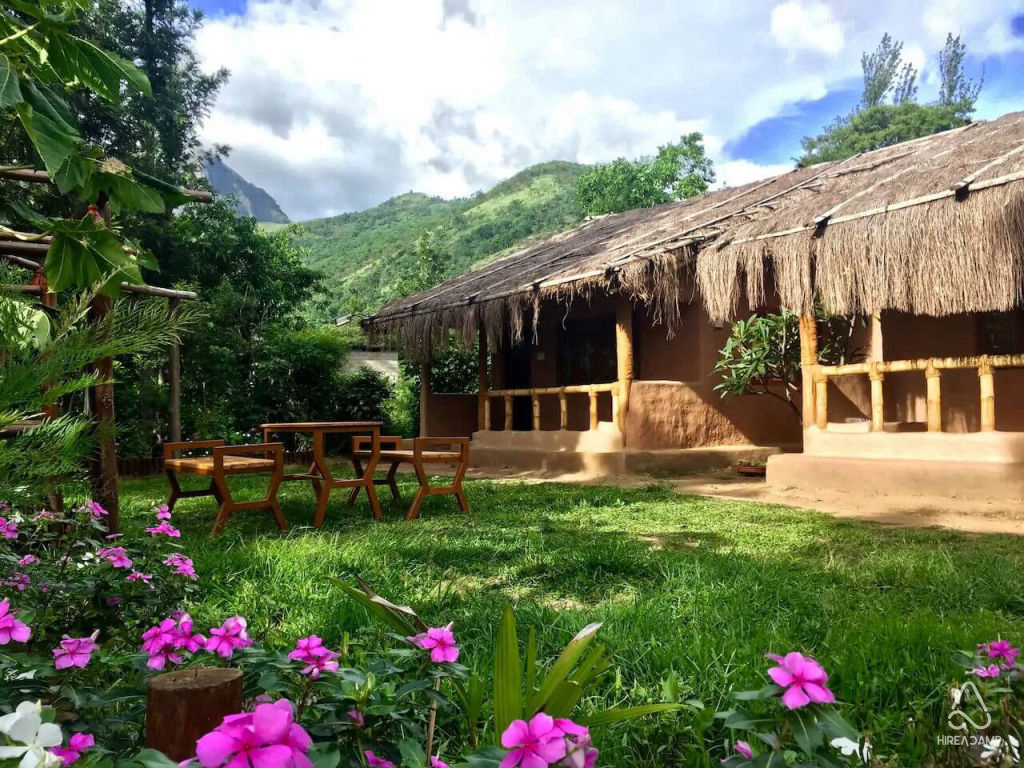
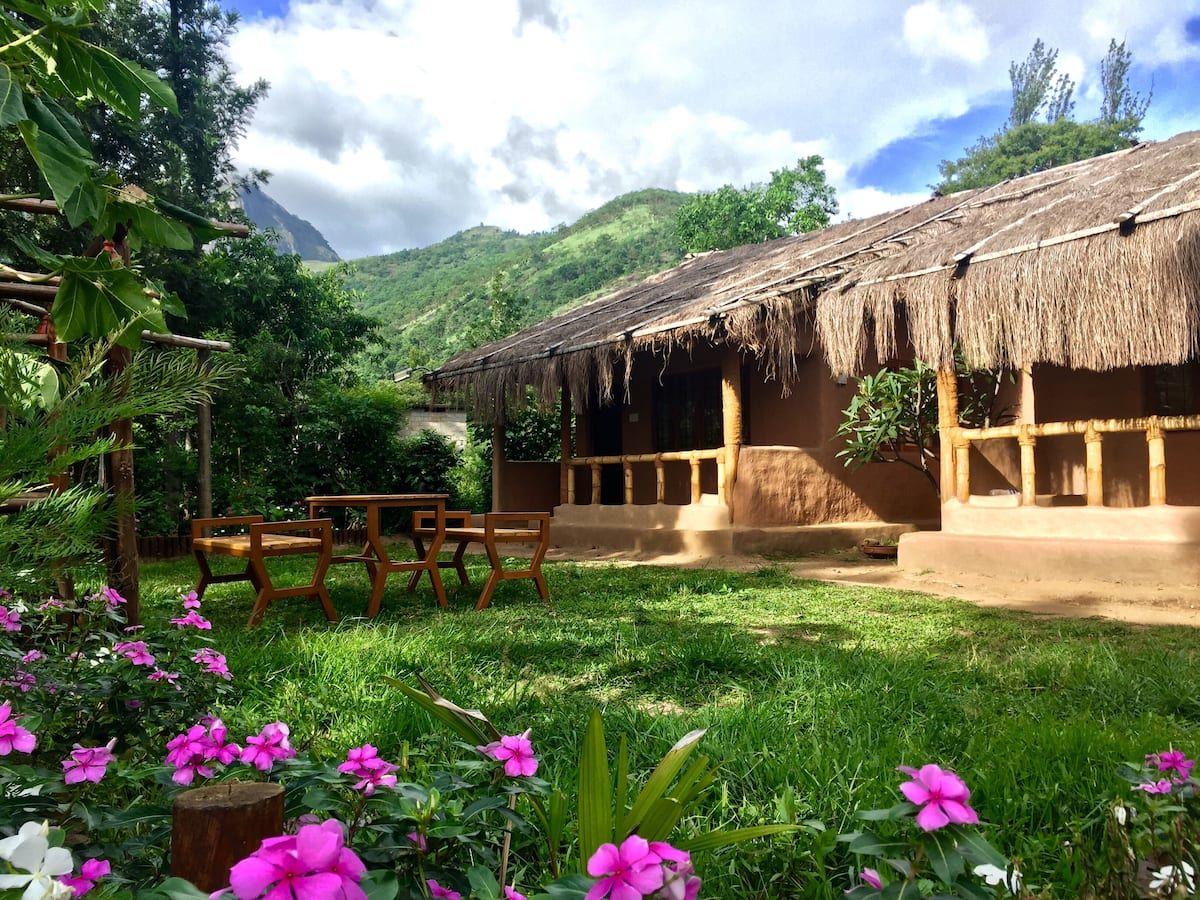
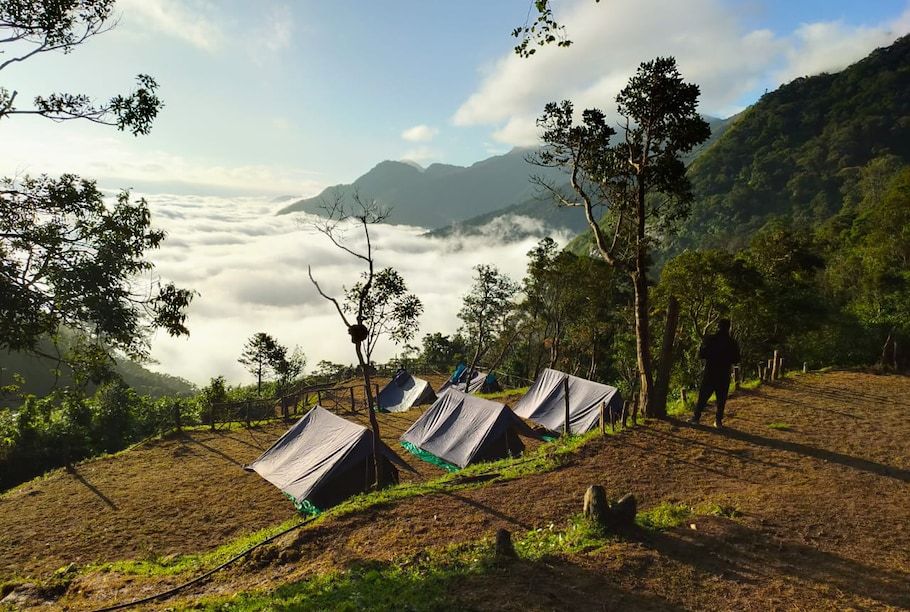
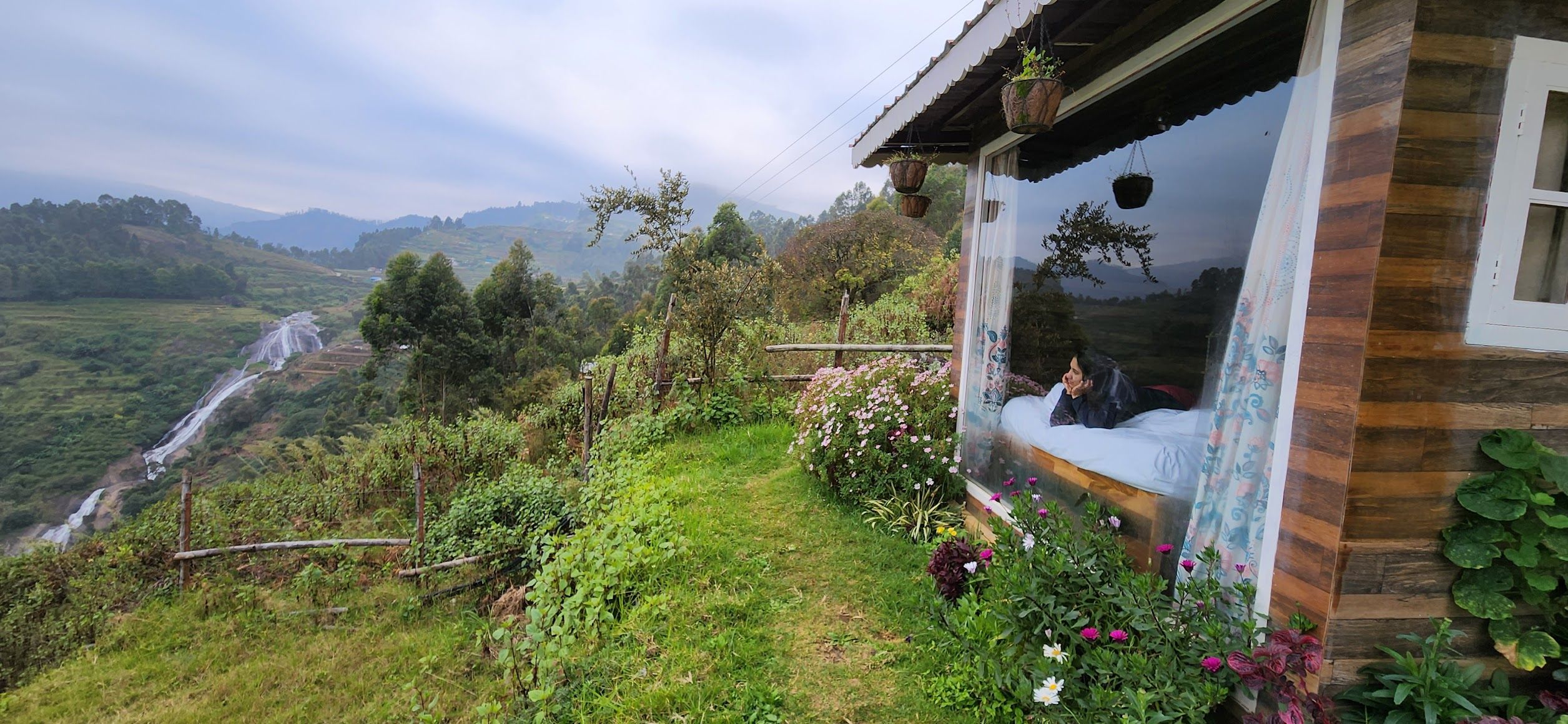
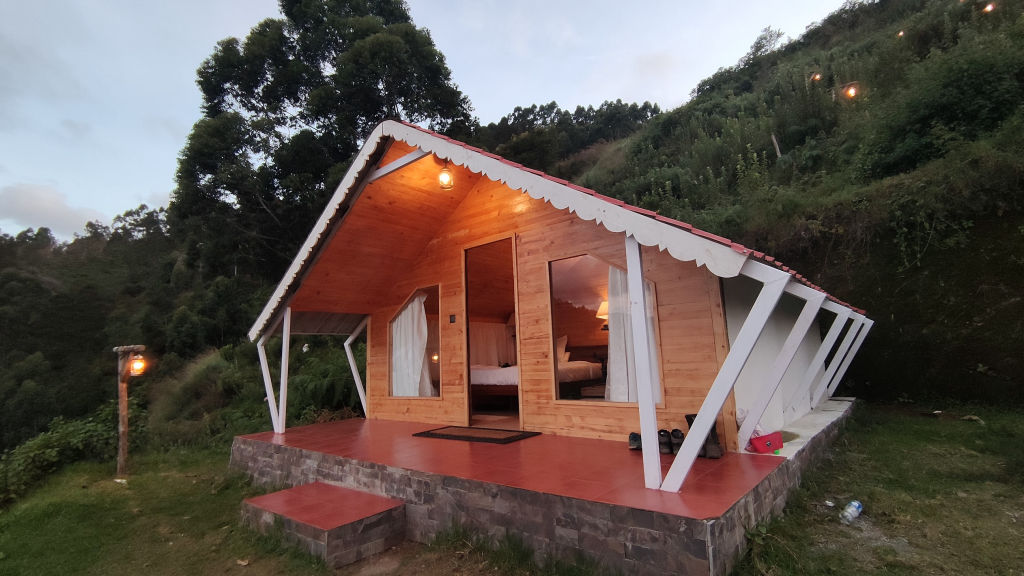
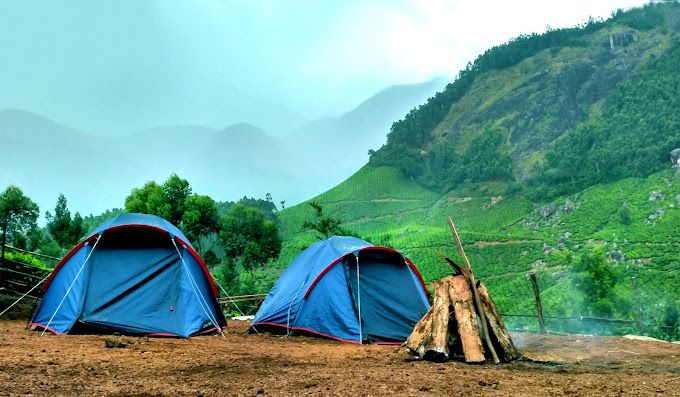
Accommodation options are clustered around Vattavada, Devikolam, and the wider Munnar area. Vattavada offers peaceful farm stays, traditional village homestays, and tranquil campsites tucked into vegetable valleys and hill fringes, ideal for travellers seeking a quiet rural setting close to the sanctuary gates.
For travellers seeking a broader range of amenities, Devikolam and Munnar host numerous hillside properties, plantation stays, and guesthouses with views of rolling tea plantations and mist-filled valleys. Staying in these nearby towns allows easy daytime access to Kurinjimala while keeping you connected to key services and dining options.
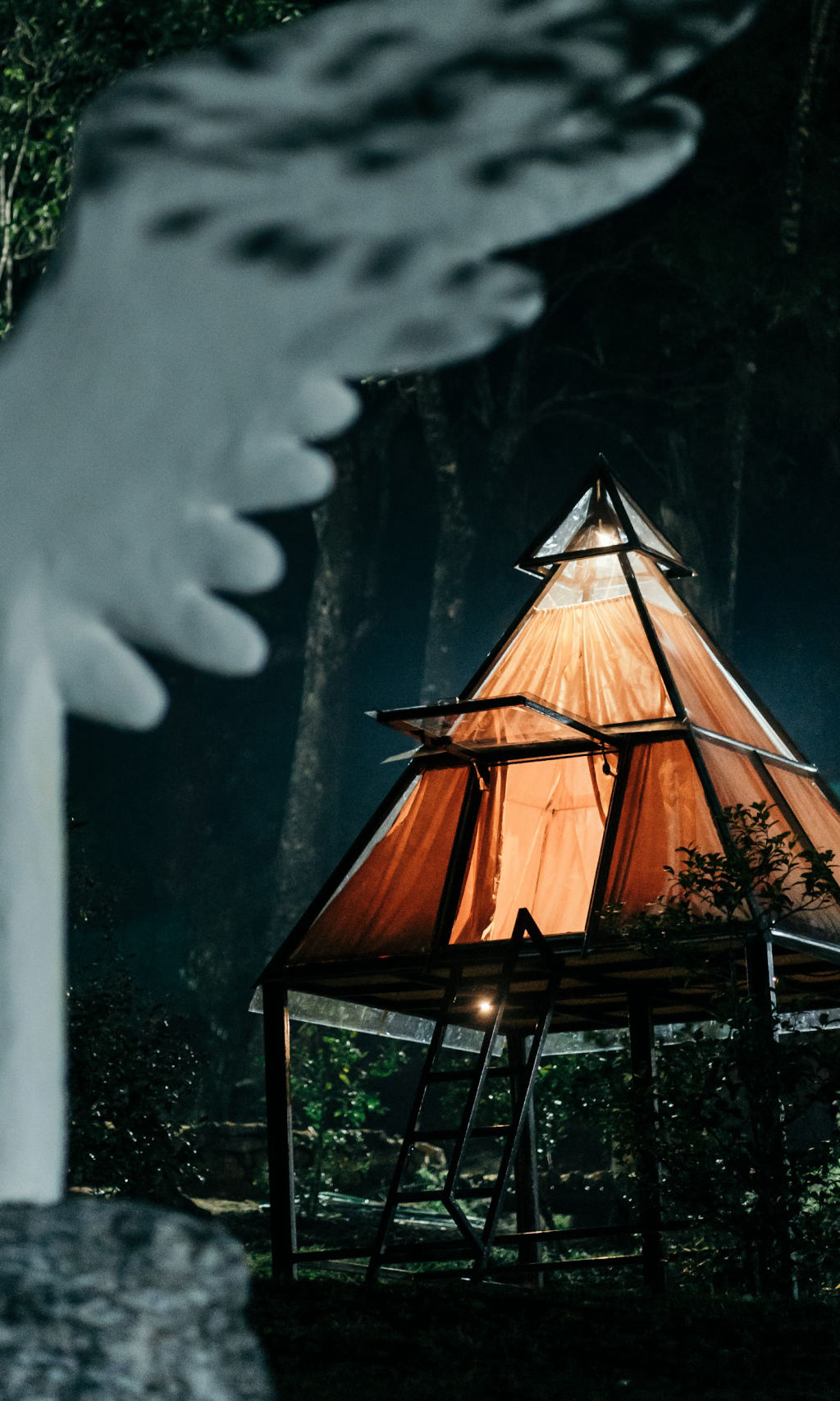
You can explore and book handpicked campsites, local homestays, and outdoor stays around Devikolam and Vattavada on HireACamp to suit your travel style and itinerary.
Frequently asked questions
Why was Kurinjimala Sanctuary established?
The sanctuary was established primarily to protect the core habitat of the rare Neelakurinji flower, which blooms once every twelve years, alongside the fragile shola grassland ecosystem of the Western Ghats.
Where is Kurinjimala Sanctuary located?
It is situated in the Vattavada and Kottakamboor villages of Devikulam taluk in the Idukki district of Kerala, near the border with Tamil Nadu.
Can I visit Kurinjimala Sanctuary during non-blooming years?
Yes, the sanctuary can be visited throughout the year for its scenic high-altitude landscapes, diverse shola forests, mountain trekking routes, and resident wildlife like the Nilgiri tahr and Indian gaur.
Do I need permission to enter Kurinjimala Sanctuary?
Because it is a protected wildlife zone, access is regulated by the Kerala Forest Department. It is advisable to check at local forest offices in Munnar or Devikolam before heading into the sanctuary.
What is the best time of year to visit?
The best months to visit are between October and March, when the monsoon has passed, skies are generally clear, and temperatures are pleasant for exploring.
Where you'll be
Vattavada, Devikulam · 12 stays nearby shown with prices
Stays near Kurinjimala Sanctuary
Book a place to stay close by
More places near Kurinjimala Sanctuary
Within 20 km


Built from 0 Instagram posts by 0 creators. Every tip links back to the post it came from, and where creators disagree we show both sides.






