
Manjampatti Valley
Valley near Marayur, Kerala
10 km from Marayur
The nearest town, for stays, food and fuel.
Tucked away in the rugged folds of the Western Ghats along the border of Kerala and Tamil Nadu, Manjampatti Valley is a pristine river valley known for its wild topography and rich biodiversity. Positioned near the historic hamlet of Marayur, the valley forms an essential ecological corridor connecting protected sanctuaries across state lines. Nature lovers and wilderness enthusiasts are drawn to the region for its untouched deciduous forests, quiet mountain rivers, and rare native wildlife.
Getting there
By road
- From MarayurNearest town1 hr 35 min · 26 km
- From Coimbatore3 hr 35 min · 105 km
- From Kochi5 hr 10 min · 194 km
- From Madurai5 hr 20 min · 178 km
Typical drive times without traffic. Stations and airports from OLA Maps; distances and typical drive times from OpenStreetMap (© OpenStreetMap contributors); notes from creators' Reels.
About Manjampatti Valley
Written with AI from map data and general knowledge. Check prices and timings locally before you go.
Landscape and Setting of Manjampatti Valley
Manjampatti Valley occupies a secluded expanse within the high-elevation slopes of the Western Ghats. Situated along the junction where Kerala's Idukki district borders the Tiruppur region of Tamil Nadu, the valley serves as a critical natural bridge between prominent protected habitats, including the Chinnar Wildlife Sanctuary and the Anamalai Tiger Reserve. Unlike the humid tropical evergreen zones deeper in southern Kerala, this valley sits within a rain-shadow region, resulting in a fascinating mix of dry deciduous woodlands, thorny scrub forests, and lush riparian belts flanking seasonal watercourses.
The topography here is sculpted by rolling hills, rocky outcrops, and descending river streams that eventually nourish the Amaravathi river basin. Because human settlements inside the valley are minimal and human traffic is closely monitored by state forest authorities, the landscape retains a wild, archaic feel. Dense riverine vegetation lines the riverbanks, offering shaded canopies beneath towering native trees, while the surrounding hillsides showcase rugged, sun-drenched slopes.
Wildlife and Nature in Manjampatti Valley
The isolation and varied foliage of Manjampatti Valley make it an exceptional haven for endemic and vulnerable species of the Western Ghats. The riverbank canopies and tall trees are famed for supporting healthy populations of the grizzled giant squirrel, a rare tree-dwelling mammal often heard chattering high above the forest floor. The area also hosts large herbivores such as the Indian gaur, sambar deer, spotted deer, and herds of wild Asian elephants that move through the valley along age-old migratory paths connecting the hills of Kerala to the plains of Tamil Nadu.
Predators such as leopards, dholes or Indian wild dogs, and occasional tigers roam the wider reserve area, supported by abundant prey. Birdwatchers visiting the perimeter and surrounding sanctuaries can spot a remarkable variety of avian life, including the Malabar whistling thrush, grey hornbills, crested serpent eagles, and numerous species of flycatchers and warblers. During warm afternoons, butterflies congregate in bright clusters along moist riverbeds, adding sudden bursts of color against the dry stone.
Read more
Best Time to Visit Manjampatti Valley
The weather across the valley follows the rhythm of the Western Ghats, with notable differences caused by the leeward rain-shadow effect. The post-monsoon and winter months from October to February offer the most agreeable conditions for travelling in this area. During this time, the waterways carry fresh runoffs, the forest canopy is refreshed and green, and daytime temperatures remain comfortably mild. Evenings during winter can turn surprisingly crisp and chilly, making layered clothing essential.
From March to May, the region enters its summer season. Temperatures can climb considerably during midday, and the deciduous trees shed much of their foliage, giving the terrain an arid look. While wildlife sightings can be frequent around remaining water pools during summer, the dry heat makes long walks strenuous. The southwest monsoon sweeps in between June and August, bringing rain and sporadic road disruptions, while the northeast monsoon brings secondary showers through October and November. Travellers looking for clear skies and balanced temperatures should focus their plans on the late autumn and winter seasons.
How to Reach Manjampatti Valley
Manjampatti Valley is approached through the mountain gateways of either Marayur in Kerala or Udumalpet and Pollachi in Tamil Nadu. The nearest significant transit hub on the Kerala side is Munnar, situated approximately forty kilometers southwest of Marayur along a winding mountain highway passing through scenic tea country. From Kochi or Coimbatore, public and private buses connect regularly to Marayur and Udumalpet.
Travellers arriving by train can disembark at Udumalpet or Pollachi railway stations in Tamil Nadu, or at Aluva and Ernakulam on the Kerala side. From Udumalpet, the scenic ghat road ascends toward the Kerala border, entering the Chinnar wildlife stretch and Marayur. Because the inner valley is an ecologically sensitive forest territory under reserve protection, direct vehicular access inside the core valley is not possible. Visitors journey by road to base villages or forest checkpoints near Marayur, from where regulated walking paths or sanctioned nature excursions operate.
Places to Visit Near Manjampatti Valley
The perimeter of Manjampatti Valley is packed with diverse natural and cultural attractions. Just around eight to ten kilometers away lies the Chinnar Wildlife Sanctuary, known for watchtower trails, medicinal plant gardens, and treehouse viewpoints. Bordering Chinnar is the Kurinjimala Sanctuary, which preserves the delicate habitat of the Neelakurinji flower and the endangered Nilgiri tahr.
Around eleven kilometers away is Marayur, an ancient settlement famous for its prehistoric megalithic dolmens, known locally as Muniyaras, carved stone cists perched atop granite hills. Marayur is equally celebrated for its sprawling natural sandalwood reserve, where fragrant groves stand guarded under state conservation. Travellers can also explore the cascading Karimutty Waterfalls, visit traditional sugarcane farms producing famous Marayur jaggery, or plan excursions toward Thirumoorthy Dam and Aliyar Dam on the northern foothills.
Tips for Travellers Visiting the Valley
Because Manjampatti Valley lies within protected forest reserves, planning ahead and following local conservation guidelines is critical. Always check locally with the forest department offices in Marayur or Chinnar regarding permitted routes, day walks, and required permissions before attempting to venture into forested paths. Unsupervised roaming inside core reserve areas is strictly prohibited to protect wildlife habitats and prevent forest fires.
When exploring the trails and surrounding valleys, wear sturdy trekking boots with good ankle support to navigate loose gravel and rocky streams. Carry sufficient drinking water in reusable bottles, as single-use plastic is actively banned across protected forest corridors. A light rain jacket, sun protection, insect repellent, and earthy-colored clothing will make your excursion comfortable while minimizing disturbance to wildlife. Keep your distance from wild animals, never leave behind food scraps, and always travel with a certified local forest guide whenever you step onto woodland paths.
Where to Stay around Manjampatti Valley
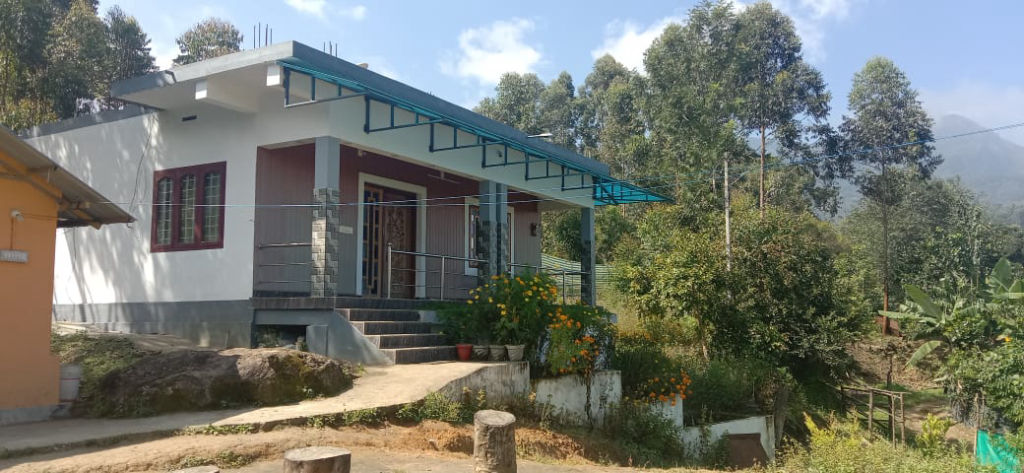
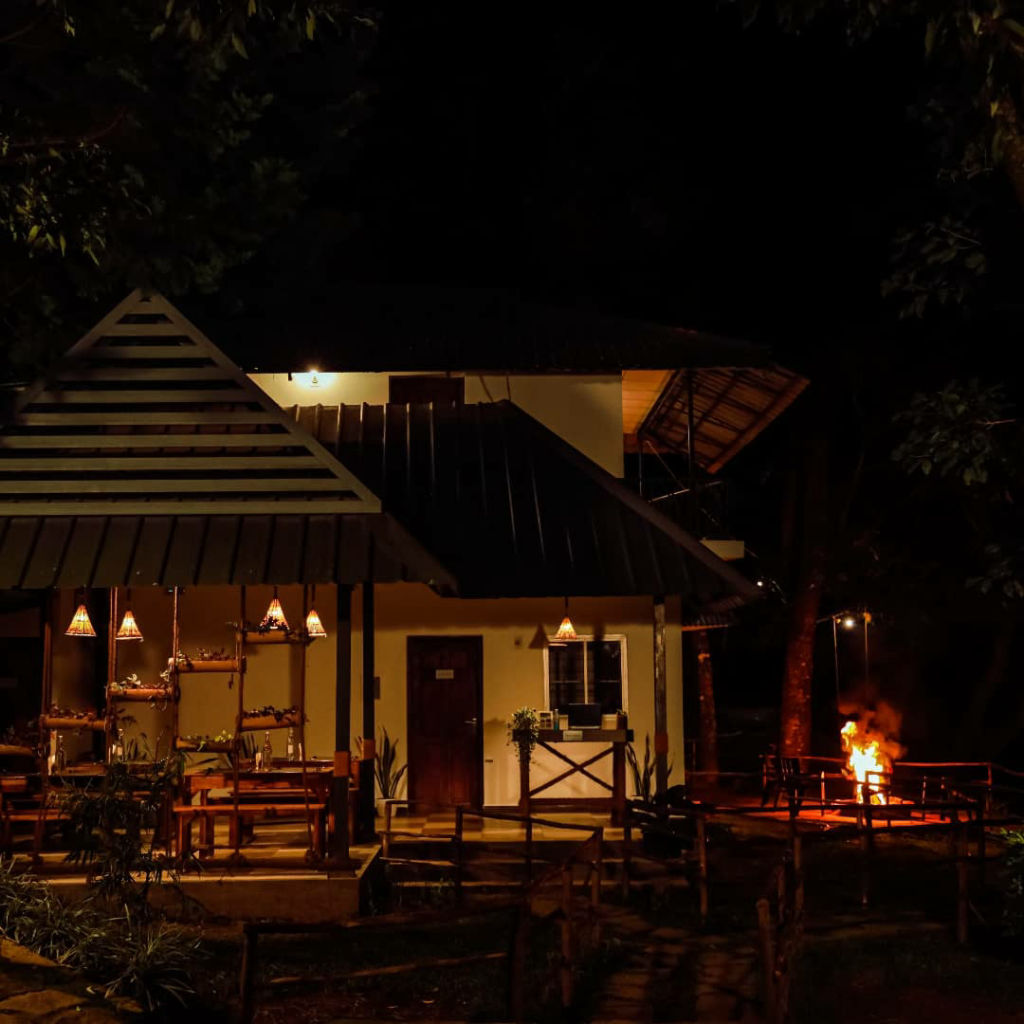
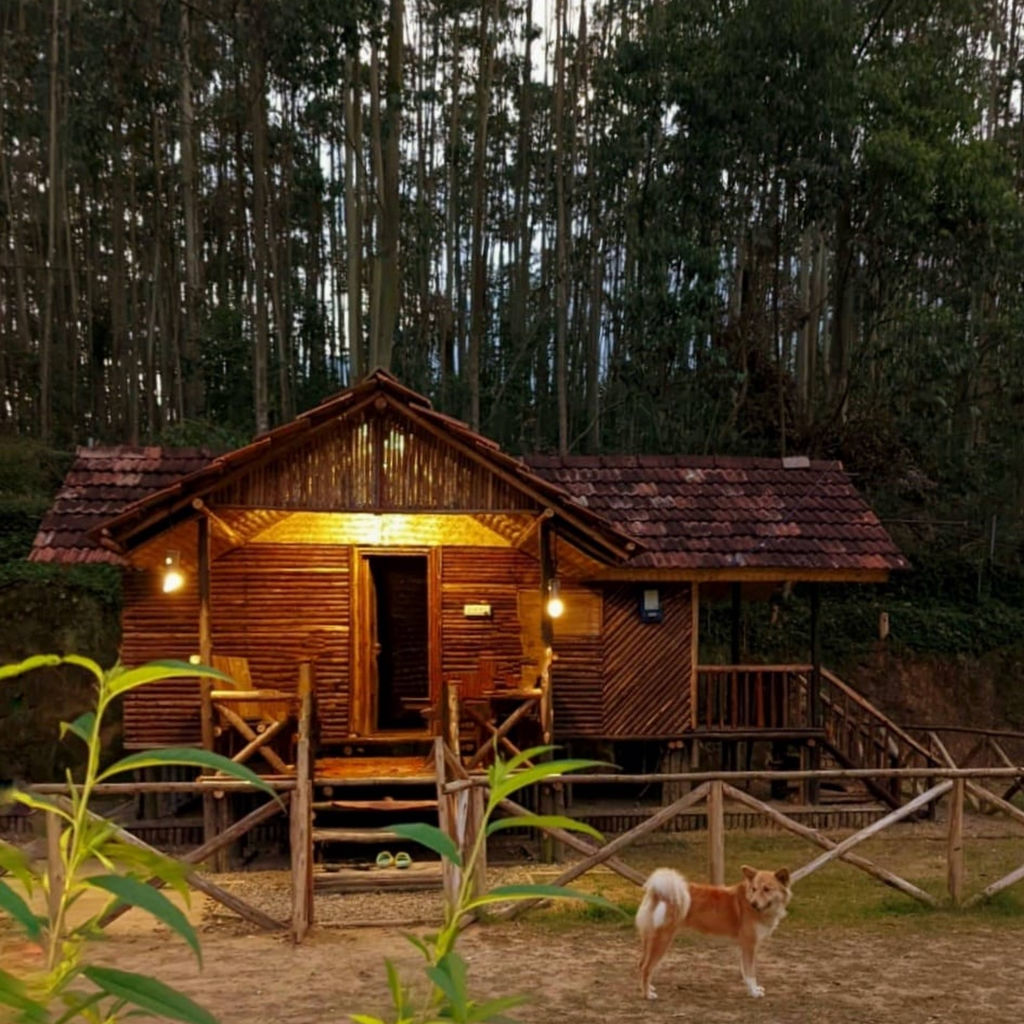
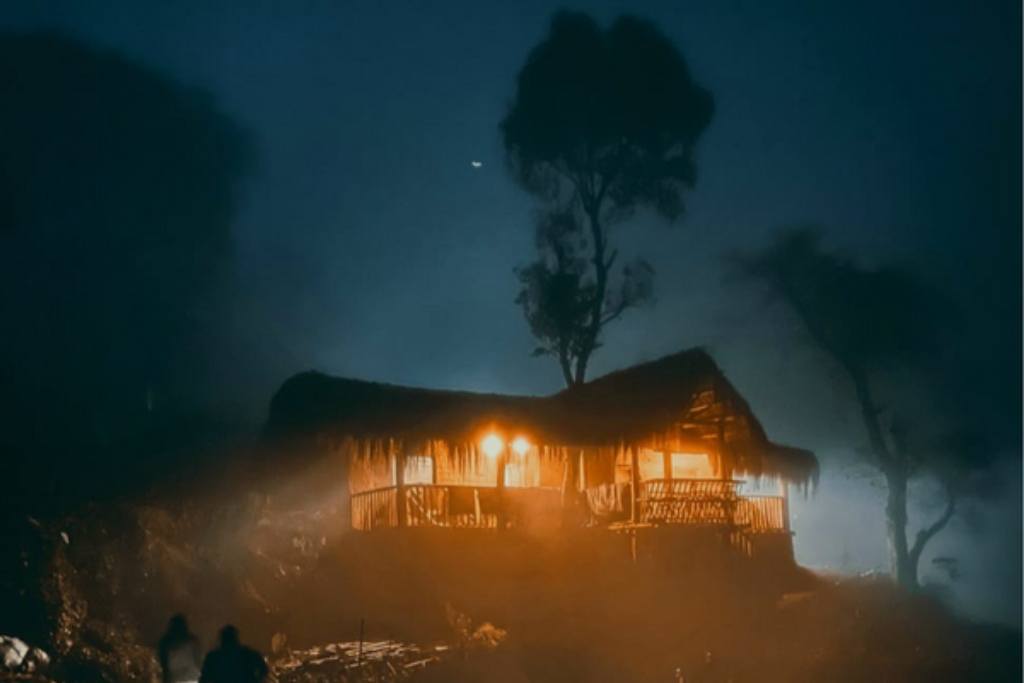
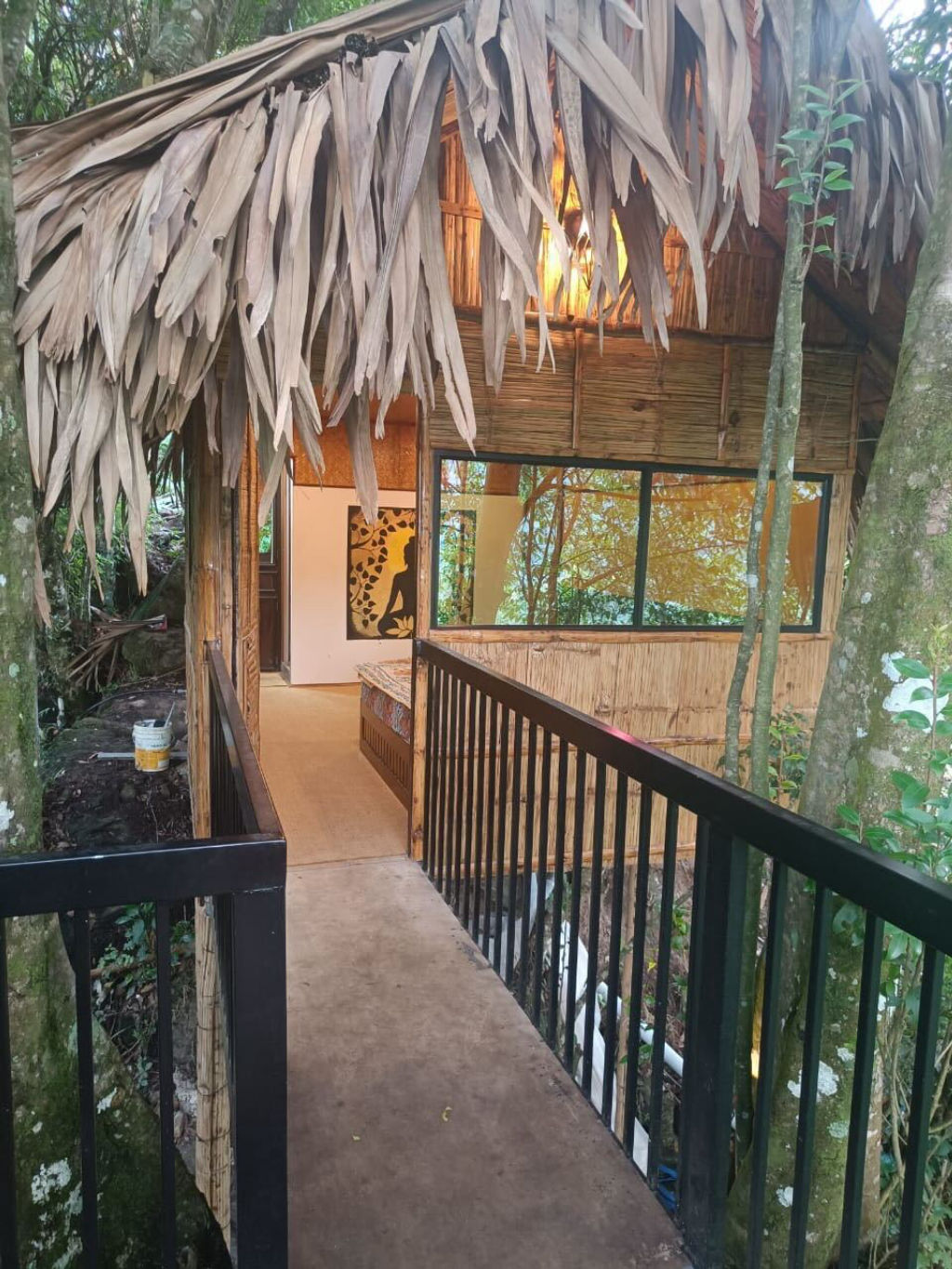
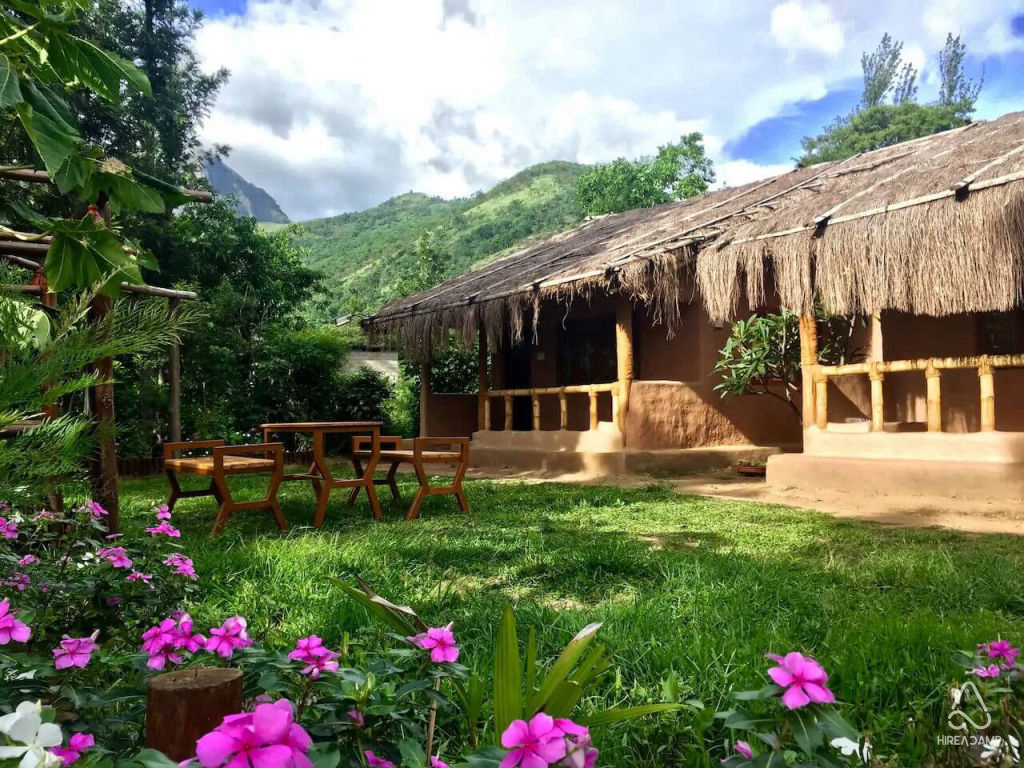
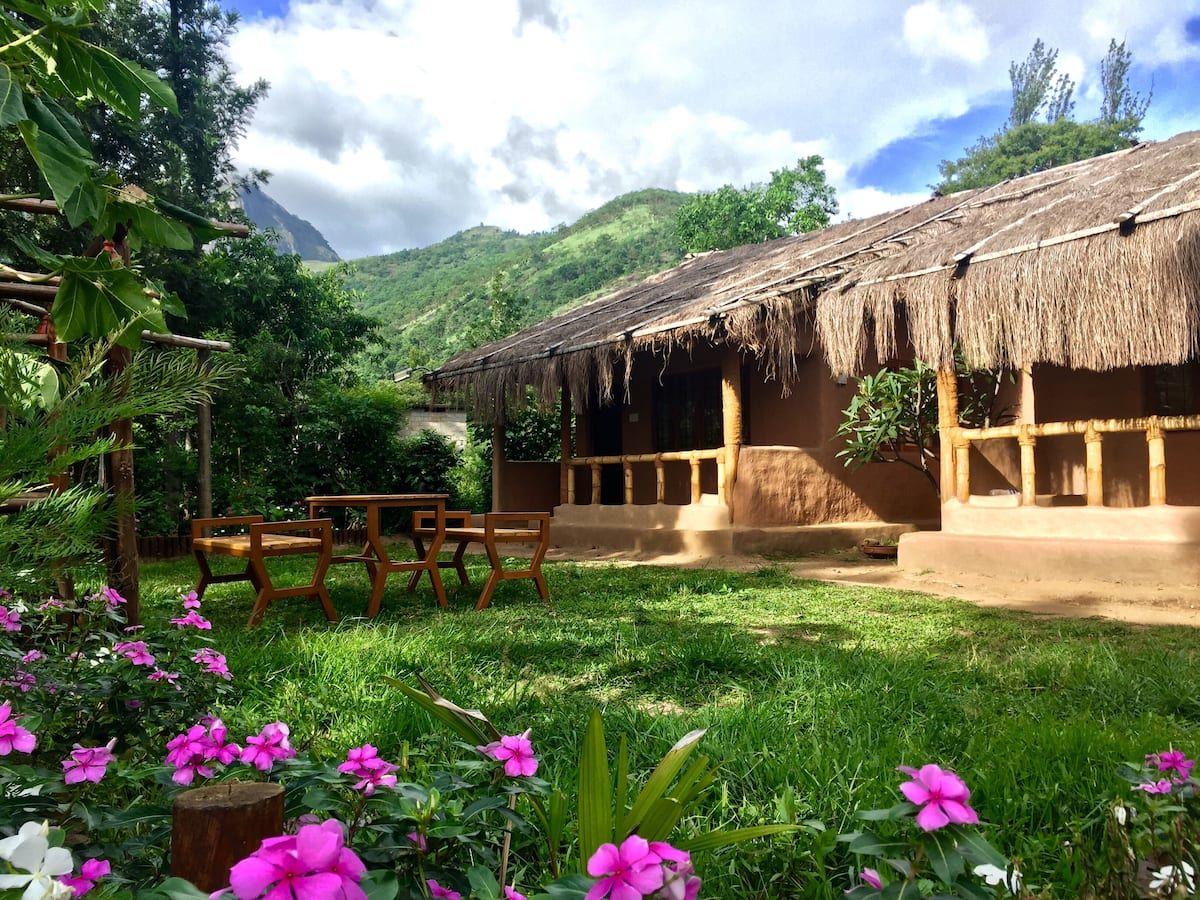
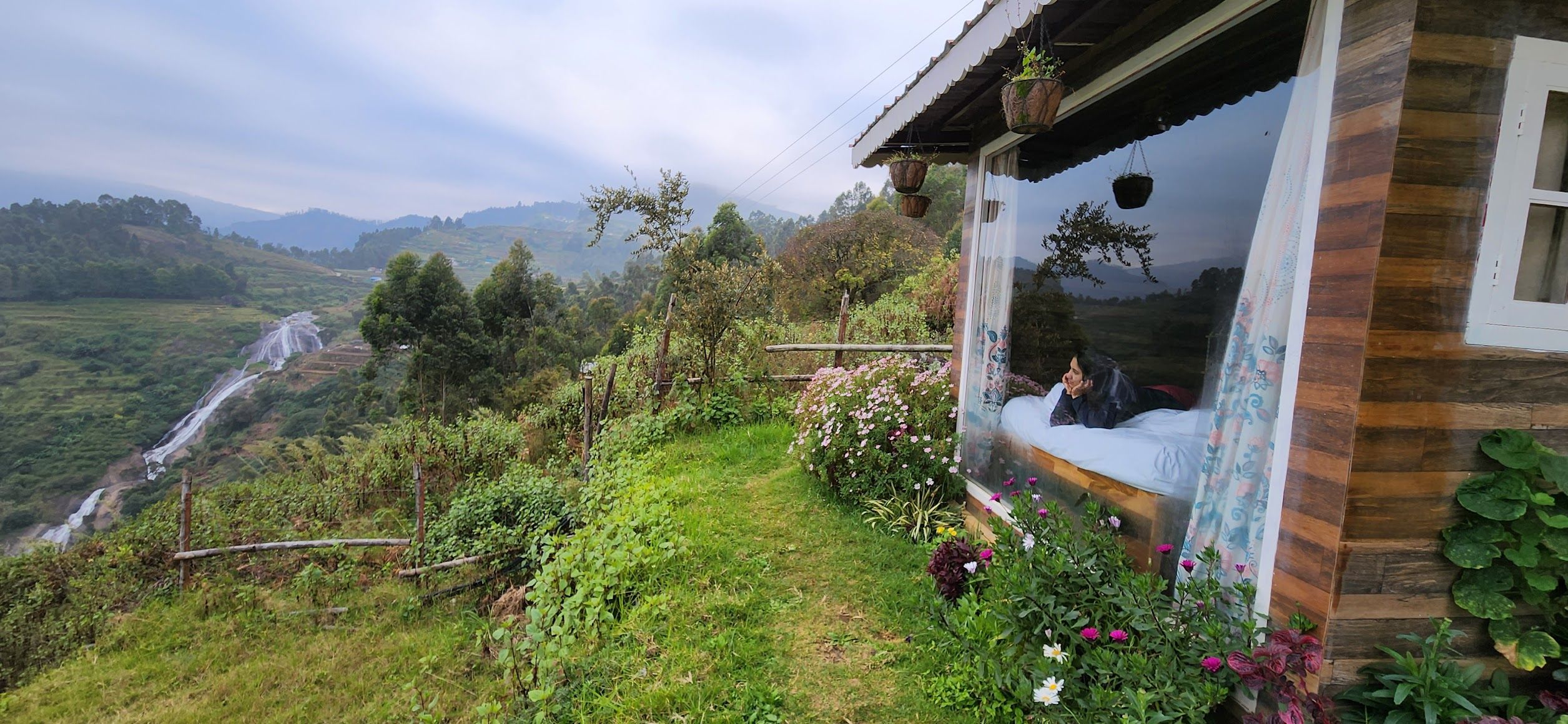
Due to strict forest protection policies, commercial accommodations are not built inside the core wilderness of Manjampatti Valley. Instead, travellers use nearby towns and peripheral villages as their base. The rural town of Marayur, surrounded by sugarcane fields and sandalwood patches, offers the closest and most convenient hub, while the higher elevations of Kanthalloor and Munnar provide peaceful highland retreats a short drive away.
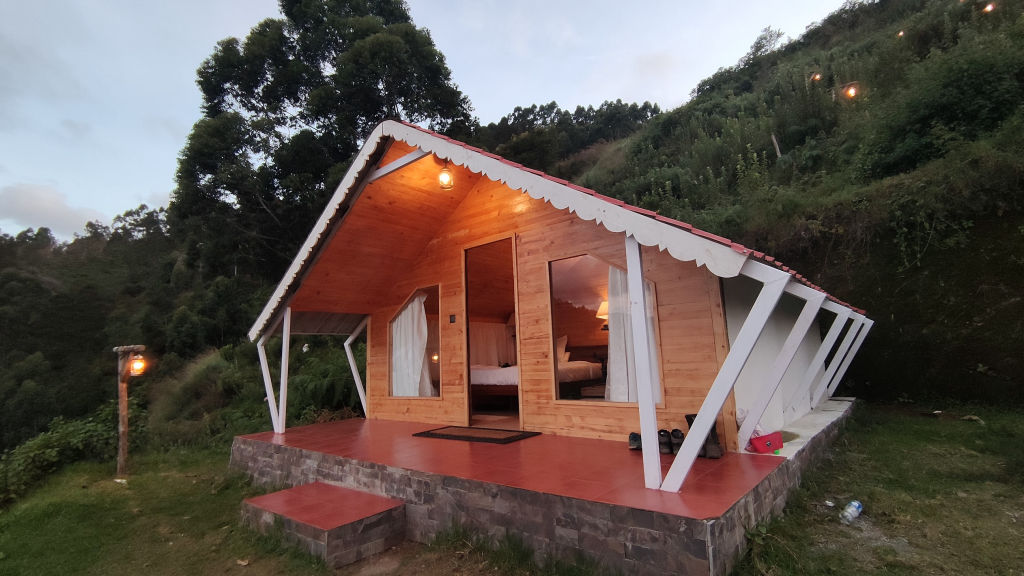
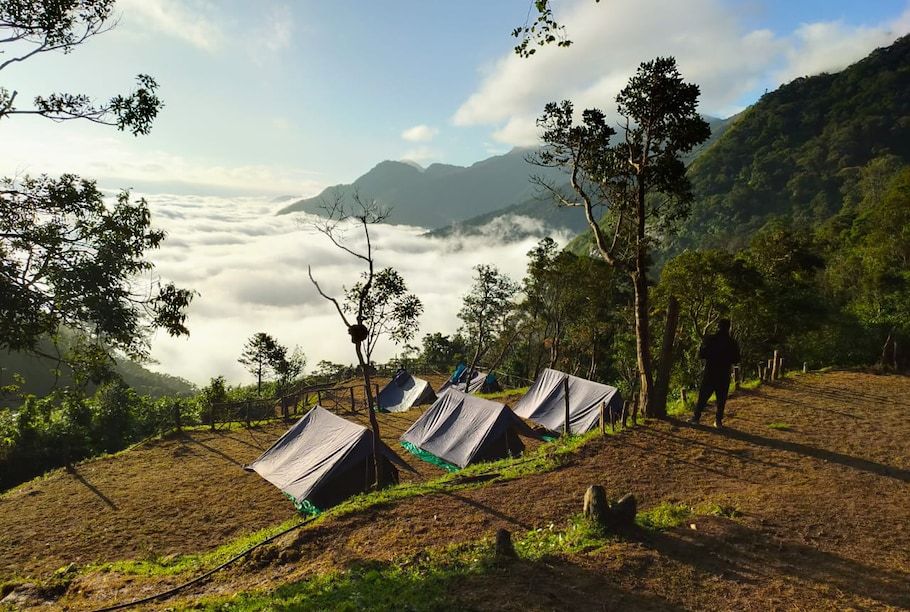
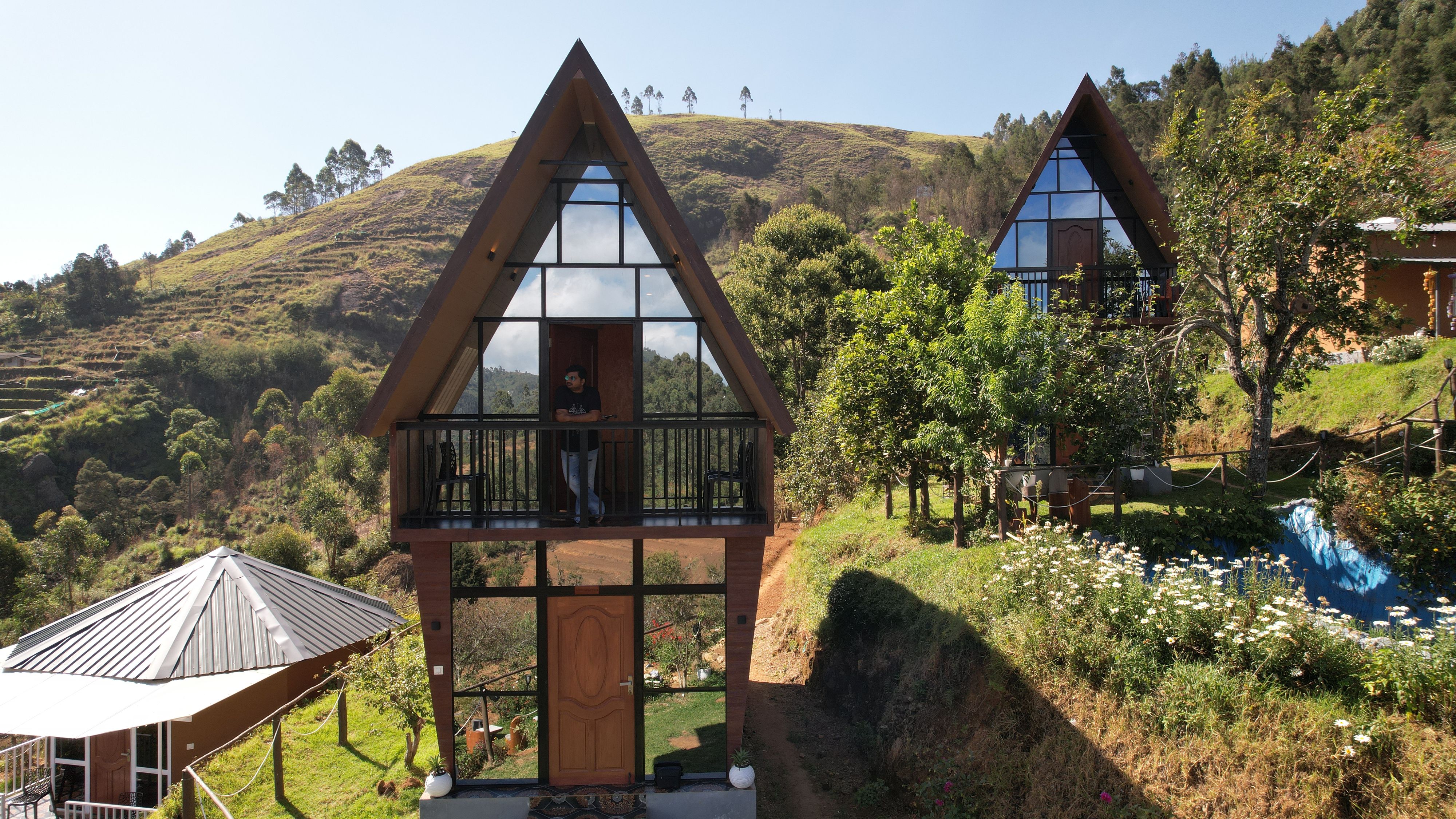
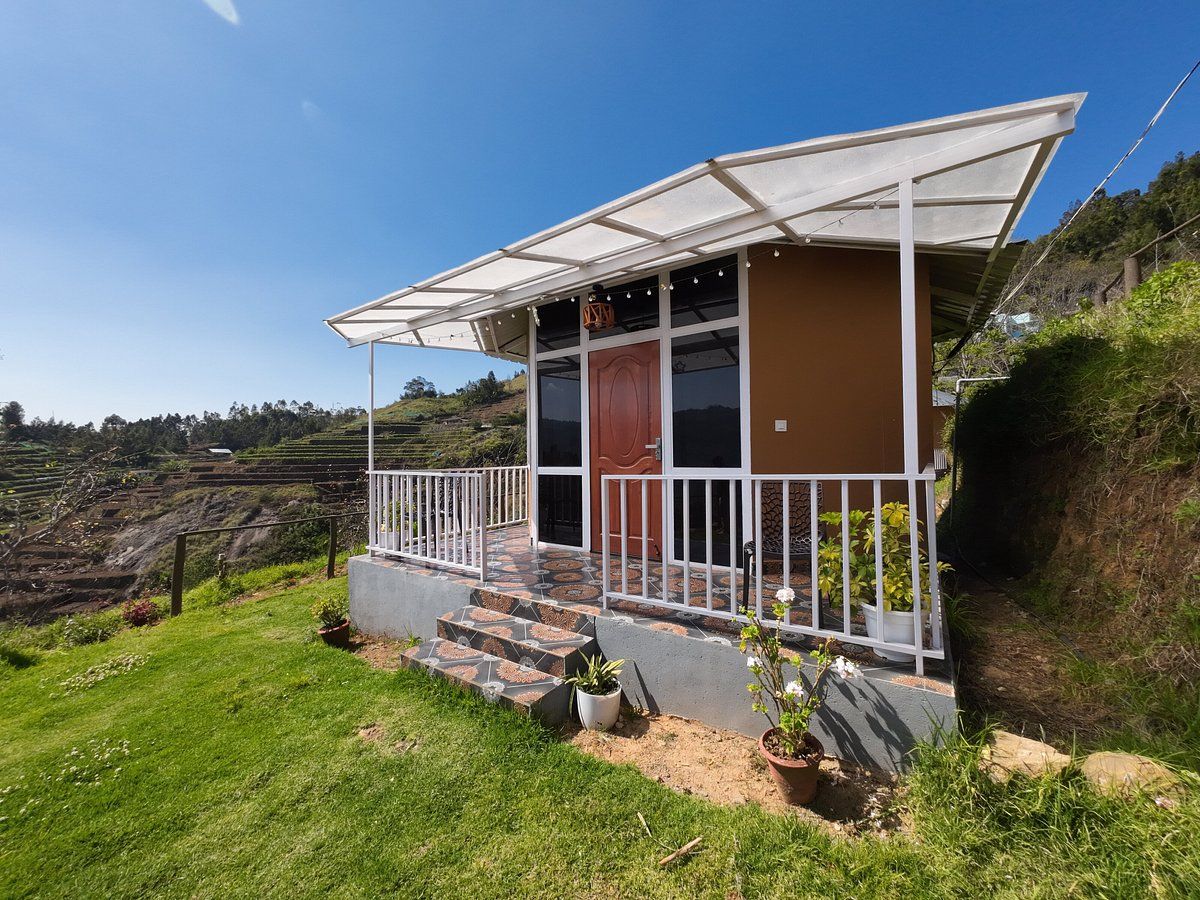
Whether you are looking for rustic riverside campsites, eco-friendly forest homestays, or traditional planters' cottages set among orchards, you can browse and book verified stays near the valley on HireACamp. Staying with local hosts in Marayur or nearby hamlets also gives you the chance to savor regional home-cooked cuisine and arrange day visits into surrounding reserves with knowledgeable local guides.
Frequently asked questions
Where is Manjampatti Valley located?
Manjampatti Valley is situated in the Western Ghats along the border of Tiruppur district in Tamil Nadu and Idukki district in Kerala, near the town of Marayur.
Can tourists enter the interior of Manjampatti Valley?
The valley lies within a protected wildlife reserve, so access into the core wilderness is restricted. Travellers must check locally with the forest department at Marayur or Chinnar for permitted walking routes and guided visits.
What wildlife can be seen near Manjampatti Valley?
The valley and its adjacent forests are home to grizzled giant squirrels, Asian elephants, Indian gaur, spotted deer, leopards, and an extensive variety of birds and butterflies.
What is the best time of year to visit the valley region?
The ideal time to visit is between October and February, when post-monsoon greenery covers the hills and temperatures remain pleasant for outdoor walks.
Are there hotels or camps inside Manjampatti Valley?
There are no private commercial hotels inside the protected valley itself. Travellers can find and book homestays, eco-camps, and rustic cottages in nearby settlements like Marayur on HireACamp.
Where you'll be
Tiruppur District, TN · 12 stays nearby shown with prices
Stays near Manjampatti Valley
Book a place to stay close by
More places near Manjampatti Valley
Within 20 km


Lists for this area
Ranked by how many creators recommend each place


Built from 0 Instagram posts by 0 creators. Every tip links back to the post it came from, and where creators disagree we show both sides.






