
Ukhimath
Destination in Uttarakhand
Perched at an elevation of over 1,300 metres in the Rudraprayag district of Uttarakhand, Ukhimath is a scenic hill town deeply rooted in Himalayan folklore. It is best known as the winter seat of Kedarnath and Madhyamaheshwar, hosting the worship of both deities when their high-altitude shrines are blanketed in snow. Travellers also visit Ukhimath as a peaceful base for exploring alpine meadows, sacred rivers, and trekking corridors across the Garhwal Himalayas.
Getting there
By road
- From Dehradun4 hr 30 min · 215 km
- From New Delhi7 hr 45 min · 428 km
- From Chandigarh8 hr 10 min · 385 km
Typical drive times without traffic. Stations and airports from OLA Maps; distances and typical drive times from OpenStreetMap (© OpenStreetMap contributors); notes from creators' Reels.
About Ukhimath
Written with AI from map data and general knowledge. Check prices and timings locally before you go.
About Ukhimath and Its Sacred Heritage
Ukhimath stands on a gentle mountain spur overlooking the Mandakini river valley, surrounded by tiered agricultural terraces and thick forests of oak and rhododendron. The town owes much of its historical identity to ancient Hindu mythology. Local belief holds that the town was originally named Ushmath after Usha, daughter of the mythical king Banasura, and the venue of her marriage to Aniruddha, the grandson of Lord Krishna. Over centuries, linguistic shifts turned Ushmath into the modern name Ukhimath.
The spiritual heart of the town is the historic Omkareshwar Temple. Constructed in classic mountain stone architecture, the temple complex features intricately carved shrines, peaceful courtyards, and ancient water spouts. When heavy snowfall closes the high-altitude shrines of Kedarnath and Madhyamaheshwar at the onset of winter, the festive doli carrying the idols of the deities is brought down to Ukhimath in a grand ritual procession. Throughout the winter months, daily worship of Lord Kedarnath continues here, bringing priests, locals, and visiting pilgrims together.
Things to Do in and Around Ukhimath
A primary highlight of visiting Ukhimath is spending unhurried time at the Omkareshwar Temple. Sitting in its quiet courtyard in the early morning offers sweeping views of snow-dusted Himalayan peaks, including Chaukhamba and the Kedarnath range. Attending the morning or evening aarti provides a moving glimpse into Garhwali devotional traditions, accompanied by bells, drums, and chants.
Beyond temple rituals, Ukhimath is an appealing location for nature enthusiasts and birdwatchers. The valleys and wooded slopes around the town are home to diverse avian life, including Himalayan monals, thrushes, barbets, and sunbirds. Taking leisurely walks along village trails through traditional stone-roofed settlements allows travellers to interact with local farming communities, observe traditional wooden architecture, and see terraced fields of buckwheat and barley against mountain backdrops.
Read more
Places to Visit Near Ukhimath
Ukhimath functions as a natural gateway to some of the most celebrated scenic and cultural attractions in the Garhwal region. About 28 kilometres uphill lies the sprawling Chopta Valley, often dubbed an alpine paradise, which serves as the base for trekking to Tungnath and the summit of Chandrashila. From nearby villages like Sari, a short trail leads upward to Deoria Tal, a pristine mountain lake renowned for its mirror reflections of the Chaukhamba massif.
Cultural and heritage travellers can explore Triyuginarayan Temple, located roughly 18 kilometres away, famous as the celestial wedding site of Lord Shiva and Goddess Parvati, where an eternal flame is said to have burned for ages. Further down the valley, the roaring confluence of the Alaknanda and Mandakini rivers can be observed at Rudraprayag Sangam View Point. Other scenic detours include the secluded lakes of Badhani Tal and Vasuki Tal, as well as the serene banks of the Mandakini and Bhilangna rivers.
Best Time to Visit Ukhimath
Ukhimath can be visited throughout the year, with each season offering a distinctly different landscape and atmosphere. Spring and summer, stretching from March to June, bring mild daytime temperatures, clear blue skies, and hillside slopes brightened by blooming rhododendrons. This period is ideal for sightseeing, trekking in nearby valleys, and outdoor excursions.
The monsoon months of July and August bring heavy rain to the mountains, turning the hills lush green while increasing the risk of landslides and road disruptions on highway stretches. Autumn, from September to November, brings crisp weather, exceptional mountain clarity, and golden hues across the forests. Winter, lasting from December to February, is cold and quiet, with frosty mornings and occasional snowfall in the upper reaches. It is a particularly meaningful time to visit for those who want to witness the winter worship of the Kedarnath deities at Omkareshwar Temple without the crowds of peak pilgrimage season.
How to Reach Ukhimath
Ukhimath is well connected by road to major transport hubs in Uttarakhand. The nearest airport is Jolly Grant Airport in Dehradun, while the closest major railheads are situated in Rishikesh, Haridwar, and Dehradun. From these rail and air gateways, private taxis, shared cabs, and state transport buses travel along the mountain highways towards Rudraprayag and onward to Ukhimath.
The standard overland route follows the National Highway alongside the holy rivers, passing through Devprayag, Srinagar, and Rudraprayag before turning toward Kund and ascending to Ukhimath. Drive times depend heavily on road and weather conditions, so travellers are advised to check local travel updates before starting their journey. Starting early in the day is recommended to complete the mountain driving comfortably before dark.
Tips for Your Visit
Because Ukhimath sits at a moderate mountain altitude, evenings and early mornings remain cool even during the peak of summer, while winters require heavy thermal wear, down jackets, gloves, and caps. When planning visits to local shrines, dress modestly and remove footwear before stepping into temple premises.
Digital payments and automated teller machines are available in town, but network reliability and power outages can occasionally interrupt transactions in higher hills. It is prudent to keep a modest reserve of physical cash for village meals, local transport, and small purchases. Drivers navigating their own vehicles should remain cautious on single-lane sections, sharp mountain bends, and steep gradients.
Where to Stay in Ukhimath
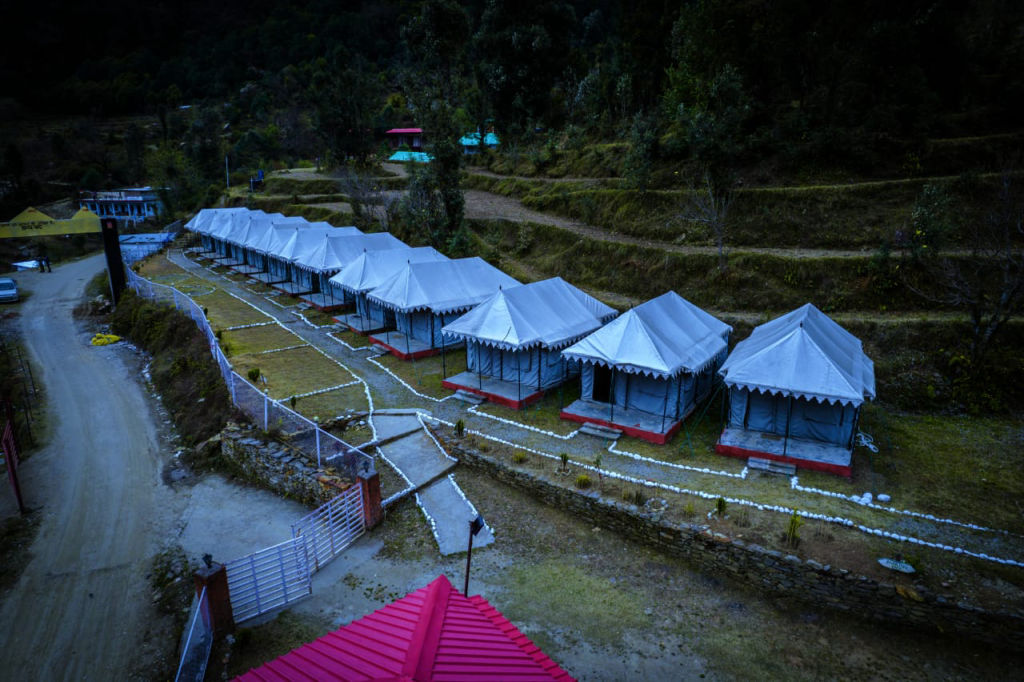
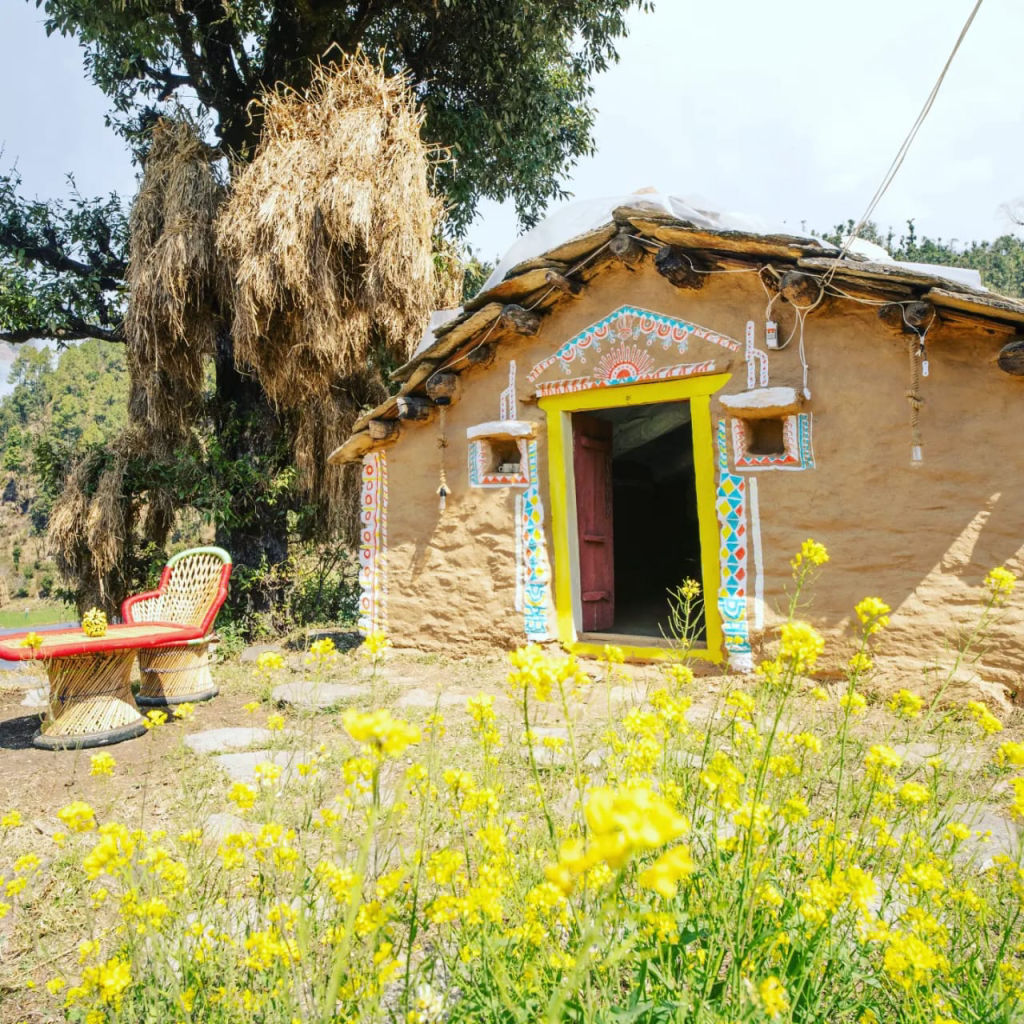
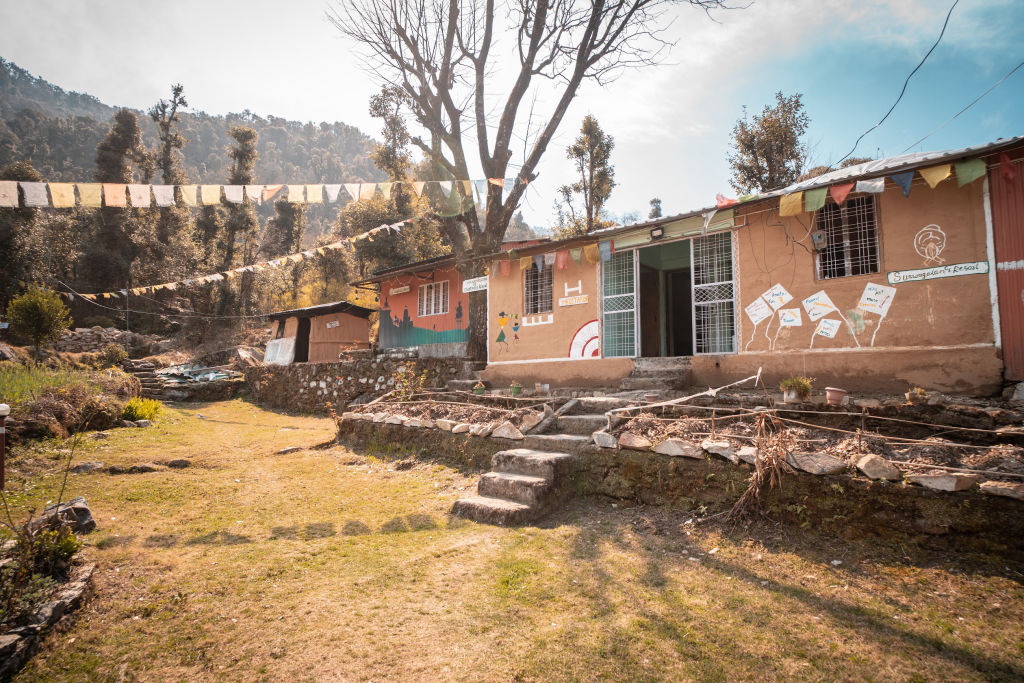
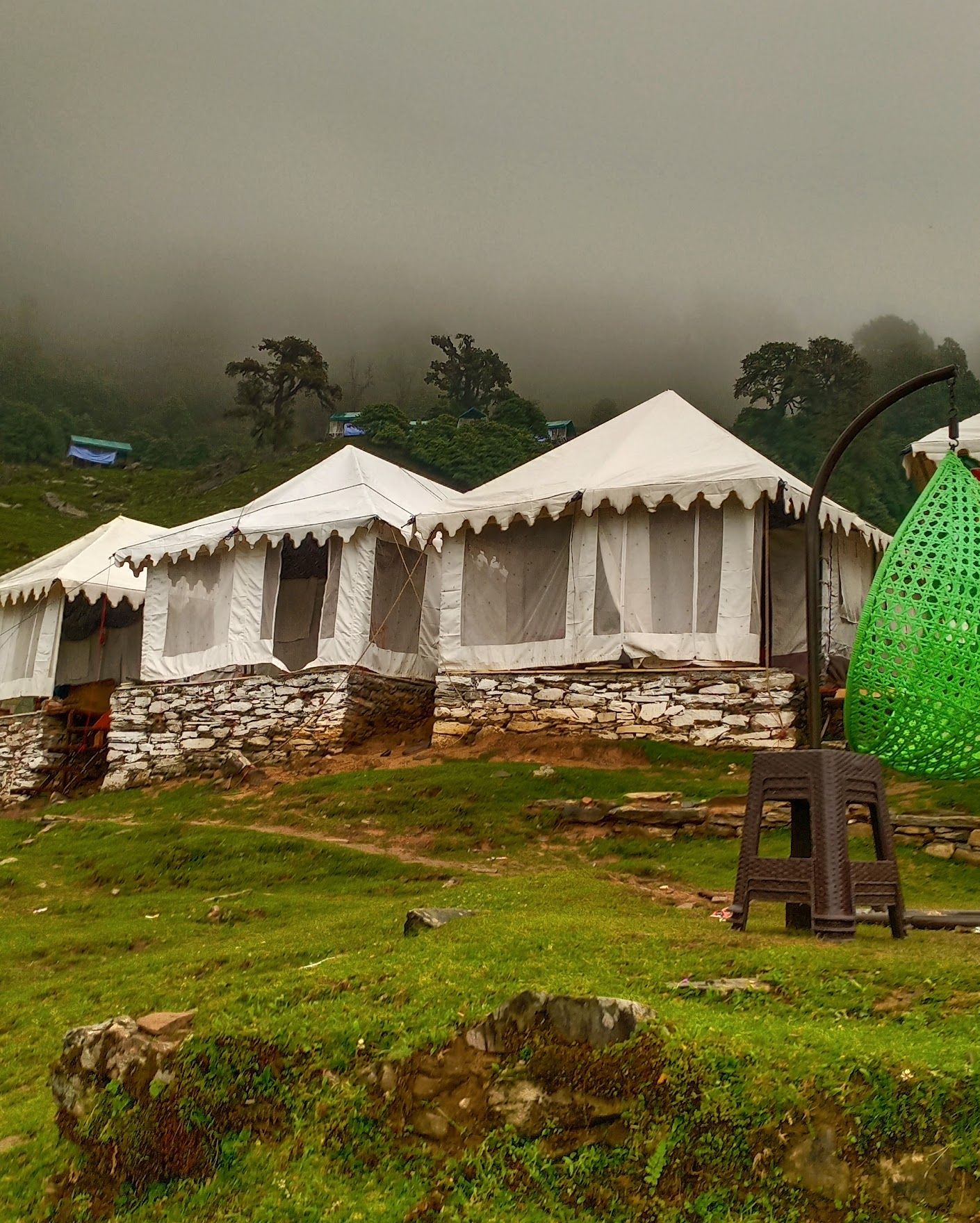
Accommodation options in and around Ukhimath reflect the tranquil, pastoral nature of the region. Visitors can choose from family-run village homestays, simple mountain guesthouses, and scenic campsites set along valley viewpoints and terraced hillsides.
Staying in a local homestay offers travellers warm Garhwali hospitality, authentic home-cooked regional meals, and a closer connection to everyday mountain life. For nature lovers and trekkers, camping in the quieter glades nearby offers uninterrupted starry night skies. A range of curated homestays, experiential stays, and camps in and around Ukhimath can be discovered and booked on HireACamp.
Frequently asked questions
Why is Ukhimath culturally important?
Ukhimath is the official winter seat of Lord Kedarnath and Madhyamaheshwar. During the winter season, worship of these deities takes place at the Omkareshwar Temple in Ukhimath when the higher Himalayan temples are closed due to snow.
How far is Chopta from Ukhimath?
Chopta is located approximately 28 kilometres from Ukhimath. The drive takes travellers through winding mountain roads bordered by dense forests and high-altitude pastures.
Does it snow in Ukhimath during winter?
Ukhimath town receives occasional light snowfall during severe winter spells between late December and early February, while the higher elevations and meadows just above the town regularly receive heavy snow.
Can Ukhimath be visited during the monsoon?
While Ukhimath is accessible during the monsoon, the region experiences substantial rainfall between July and August. Travellers should stay updated on road conditions and weather advisories to avoid delays from localized landslides.
How many days are recommended for a trip to Ukhimath?
A stay of two to three days is ideal to explore Ukhimath's Omkareshwar Temple, take walks through surrounding villages, and make day trips to nearby highlights like Chopta, Deoria Tal, and Triyuginarayan.
Where you'll be
4 stays nearby shown with prices
Stays near Ukhimath
Book a place to stay close by
Things to do in Ukhimath
48 places creators recommend within 30 km

Built from 0 Instagram posts by 0 creators. Every tip links back to the post it came from, and where creators disagree we show both sides.






