
Mahakal Mandir
Temple near Ghoom, West Bengal
3.5 km from Ghoom
The nearest town, for stays, food and fuel.
Mahakal Mandir is a sacred hilltop temple dedicated to Lord Shiva, situated in the scenic Darjeeling region of West Bengal. The site harmoniously unites Hindu and Buddhist devotional practices, drawing pilgrims, mountain wanderers, and locals seeking peace. Surrounded by tall pine trees and crisp Himalayan air, it offers a serene spiritual retreat overlooking the valleys.
Getting there
By road
- From GhoomNearest town14 min · 4.9 km
Typical drive times without traffic. Stations and airports from OLA Maps; distances and typical drive times from OpenStreetMap (© OpenStreetMap contributors); notes from creators' Reels.
About Mahakal Mandir
Written with AI from map data and general knowledge. Check prices and timings locally before you go.
About Mahakal Mandir
Mahakal Mandir is an important religious sanctuary in the Darjeeling hills, deeply revered as an abode of Lord Shiva. The temple is especially distinguished by its spiritual harmony, where Hindu rituals and Buddhist traditions exist side by side. Priests from both faiths have traditionally conducted prayers here, making it a living symbol of the cultural synthesis that defines the eastern Himalayas.
Devotees climb to the temple to offer worship, seek blessings for good fortune, and partake in the tranquil atmosphere of the shrine. The steady chime of temple bells and the rhythmic fluttering of sacred Buddhist prayer flags tied to surrounding trees create an aura of quiet reverence. Whether you are traveling on a spiritual pilgrimage or simply seeking a reflective pause amidst the hills, Mahakal Mandir provides a grounding and peaceful experience.
The Setting and Atmosphere
The shrine sits among forested slopes blanketed with towering pine, oak, and deodar trees. The high altitude means that shifting clouds and mountain mists frequently envelope the grounds, lending the entire complex an evocative and tranquil presence. In the early morning hours, the air is crisp, scented with pine needles and burning camphor from the morning aarti.
Beyond the temple courtyards, paths meander through wooded patches adorned with clusters of sacred tridents, Buddhist prayer wheels, and ribbons tied by visitors making wishes. On days when the weather clears, openings through the foliage reveal views across the undulating ridges and terraced hamlets of Darjeeling, underscoring the deep connection between mountain geography and Himalayan faith.
Read more
Best Time to Visit Mahakal Mandir
The ideal period to visit Mahakal Mandir spans from October through late November. Following the monsoon rains, the atmosphere cleanses, resulting in blue skies and pleasant daytime temperatures that are ideal for outdoor walking. The mountain air is exceptionally clear during this window, allowing for comfortable visits to open-air shrines and sweeping views across the surrounding ridges.
Spring, running from March through May, is another delightful season to plan a journey. The hill trails burst into colour with blooming rhododendrons, and temperatures remain moderate without the biting cold of the peak winter months. Winter, from December to February, brings chilly temperatures and frosty mornings, but the clear afternoons can be deeply serene for those who bundle up warmly. The summer monsoon, from June to September, brings intense rainfall, slippery stones, and heavy mist, making careful footwork necessary on temple trails.
How to Reach Mahakal Mandir
Reaching Mahakal Mandir involves traveling to the Darjeeling hills from the lowlands of West Bengal. The nearest broad-gauge railway junction is New Jalpaiguri, while Bagdogra is the closest operational airport. Both transit hubs are connected to Darjeeling by scenic mountain roads that wind uphill past tea gardens, misty forests, and small hillside towns via shared taxis, hired cabs, or buses.
Once in the Darjeeling or Ghum area, travellers can reach the starting point of the temple path by hiring a local cab or taking a leisurely walk along the ridgelines. The final stretch to the temple requires a moderate walk up a paved pathway and a flight of stone steps. Sturdy footwear with decent grip is recommended, as mountain flagstones can become damp from morning dew or hill mist.
Tips for Your Visit to Mahakal Mandir
When visiting Mahakal Mandir, maintaining cultural sensitivity is essential. Dress respectfully with covered shoulders and knees, as is customary at active religious shrines throughout India. Visitors must remove their shoes before stepping onto the inner sanctum floors and should follow any local signs regarding photography.
Troops of resident monkeys frequently inhabit the wooded slopes around the temple. Keep food items and prasad securely packed inside your bags, avoid dangling loose plastic packets, and refrain from feeding or provoking the animals. The weather in this high-altitude zone can shift rapidly, so carrying a warm layer or windcheater is always wise, even if your morning begins under clear sunshine.
Places to Visit Near Mahakal Mandir
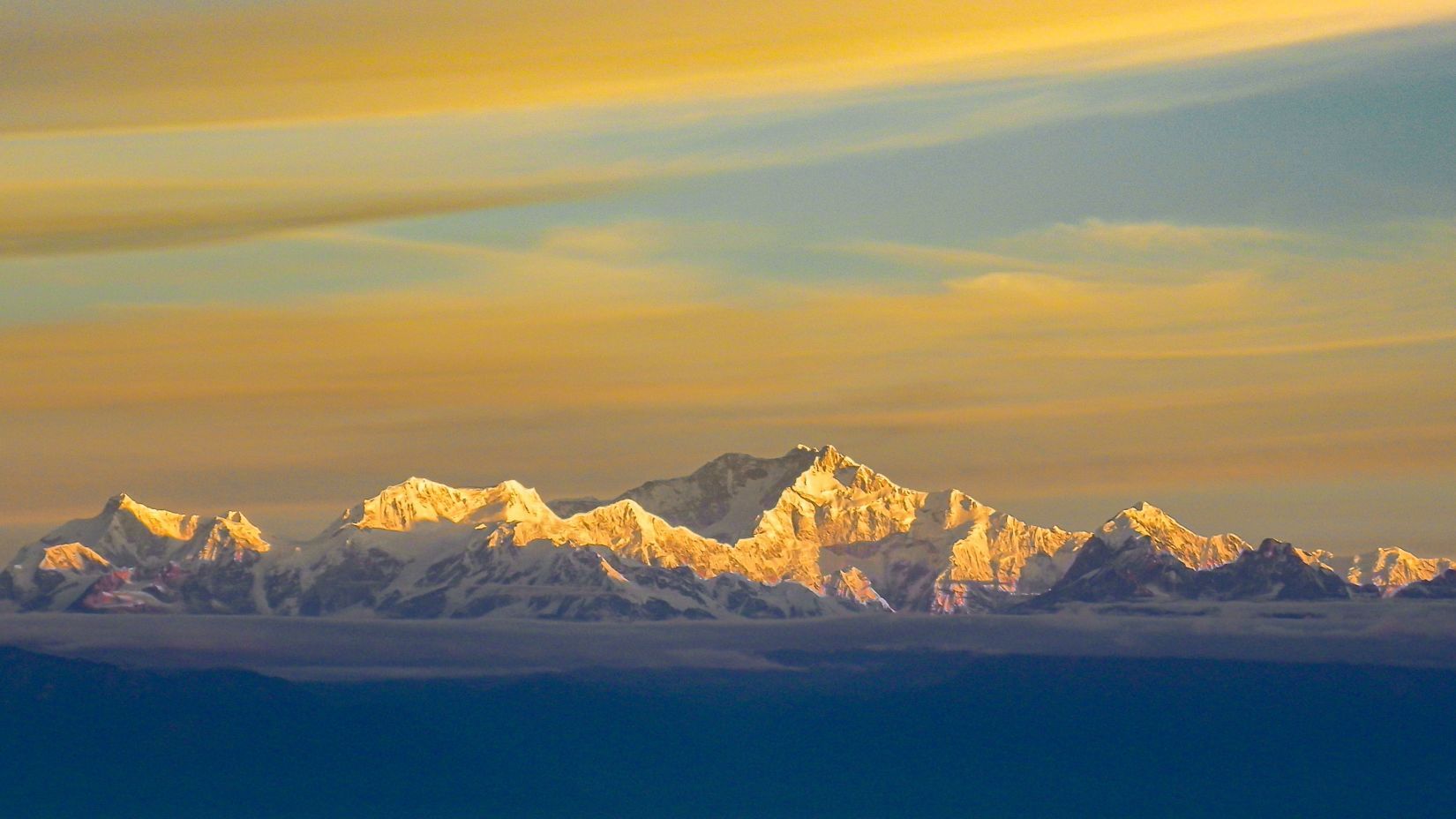
Mahakal Mandir is positioned within easy reach of several renowned sights in the Darjeeling highlands. Just a short drive away lies Tiger Hill, famous across the region for its breathtaking views of the morning sun rising against the snowy peaks of Mount Kanchenjunga. An early morning trip to the viewpoint is easily combined with an afternoon temple visit.
Nearby, you can also explore the historic Batasia Loop, where the famous Darjeeling Himalayan Railway loops smoothly around a war memorial and manicured gardens. The Ghum Railway Museum offers a fascinating glance into the vintage heritage of the narrow-gauge toy train. For those seeking additional quiet spaces, the Peace Pagoda and the Japanese Buddhist Temple provide contemplative gardens, while the walking trails of Lamahatta offer tranquil pine groves slightly farther down the mountain.
Where to Stay Near Mahakal Mandir
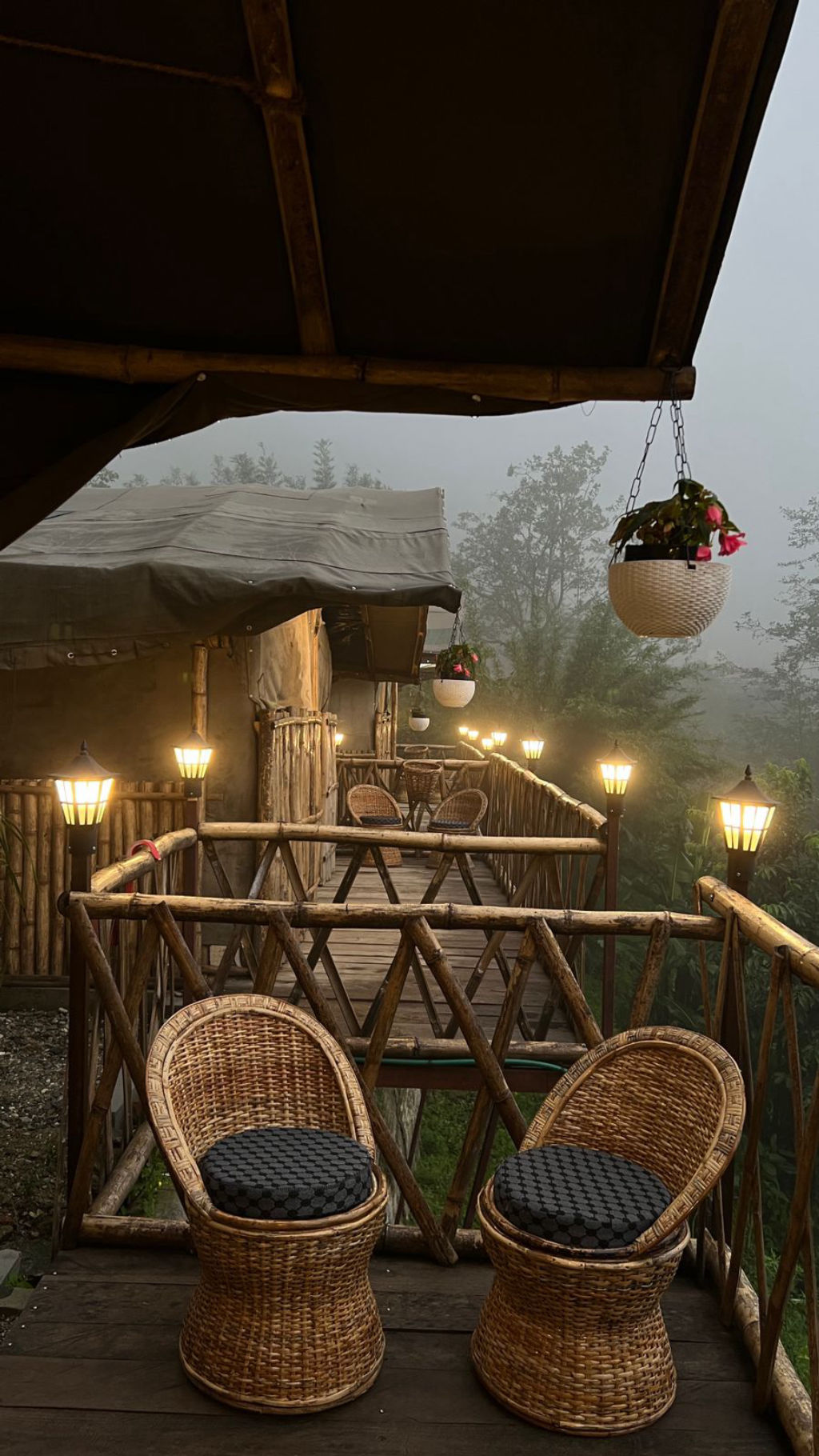
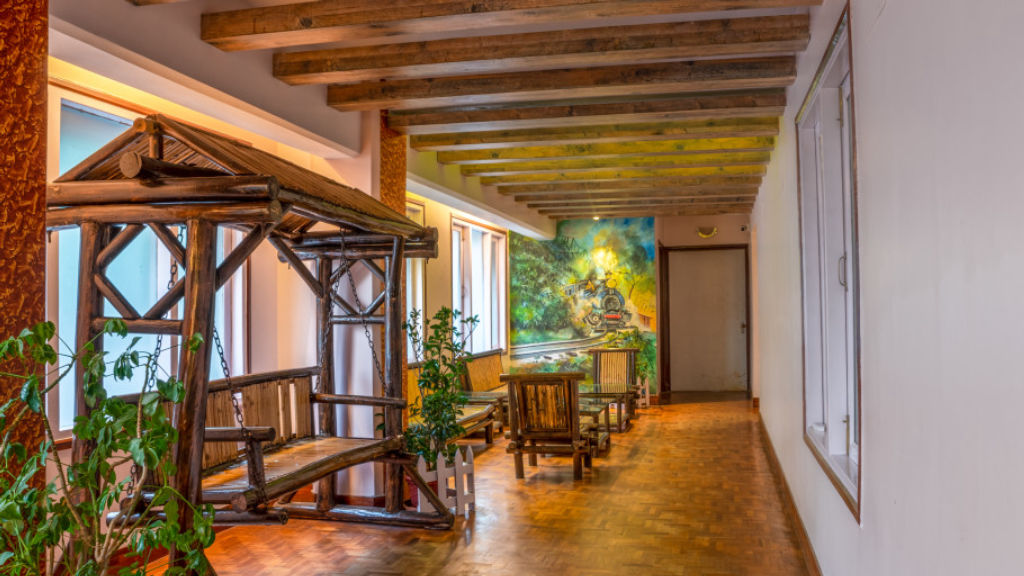
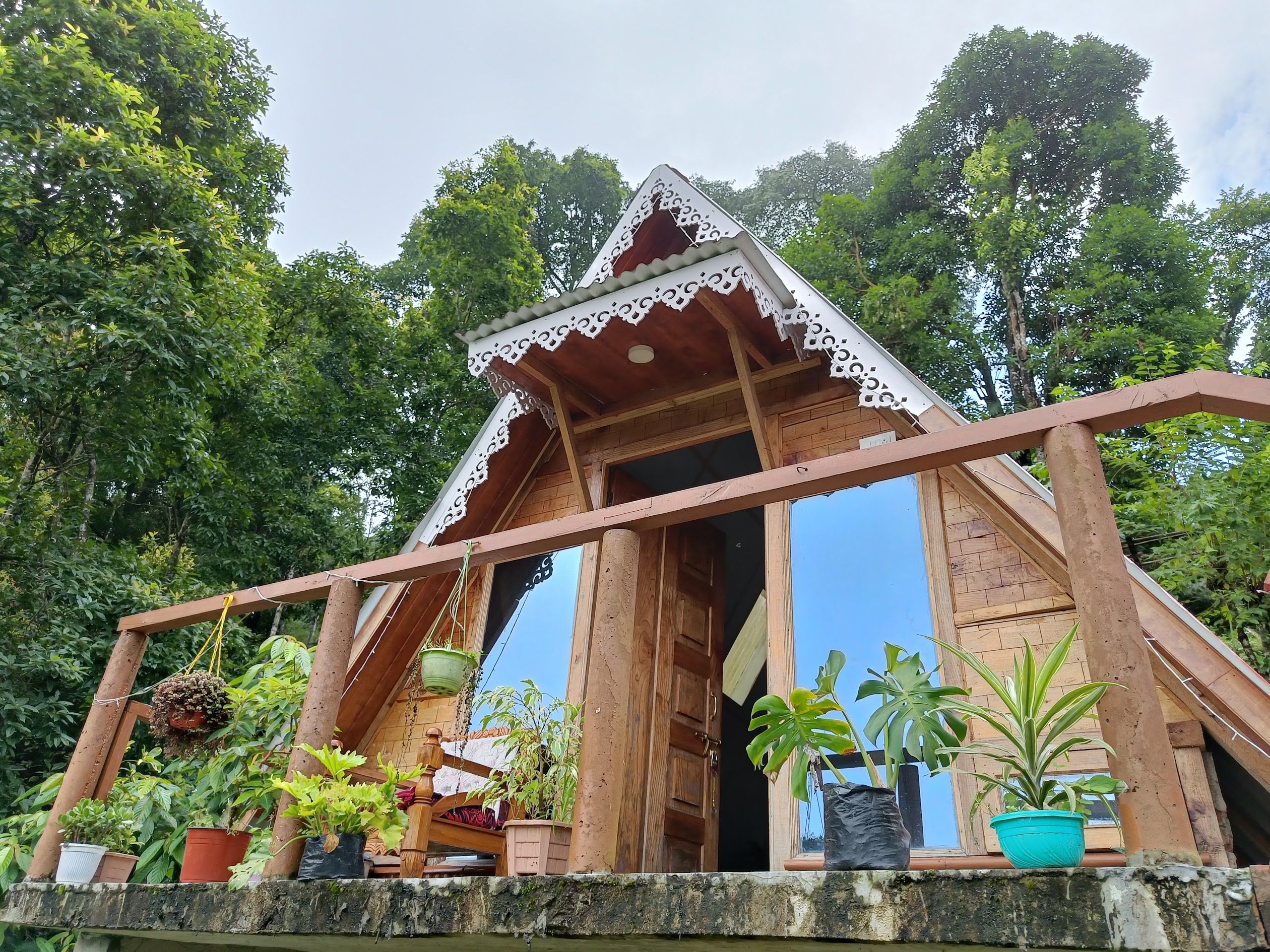
The hills surrounding Darjeeling and Ghum feature diverse accommodations catering to all kinds of travellers. You can choose from homestays tucked into quiet village ridges, hillside cottages overlooking sweeping tea gardens, or modest lodges close to the main promenade areas.
Staying at a local homestay is an excellent way to experience the genuine warmth of mountain hospitality, enjoy home-cooked regional meals, and support local communities. Outdoor enthusiasts can also find camping setups and nature stays nestled on quieter slopes nearby. You can explore and book verified camps, homestays, and mountain retreats around Darjeeling on HireACamp.
Frequently asked questions
What is unique about Mahakal Mandir?
Mahakal Mandir is unique for its harmonious blend of Hindu and Buddhist spiritual practices. Both Hindu priests and Buddhist monks have historically offered prayers here at the same shared holy site.
Is there a climb to reach Mahakal Mandir?
Yes, reaching the temple involves walking up a paved hillside trail and climbing a flight of stone steps. The walk is manageable at a gentle pace, though comfortable walking shoes are strongly recommended.
Are there monkeys around Mahakal Mandir?
Yes, monkeys are common along the wooded path leading to the temple. It is best to keep all snacks, offerings, and loose belongings secured inside your bag to avoid attracting them.
What is the best time of day to visit Mahakal Mandir?
Early mornings are generally the best time to visit, offering peaceful prayer rituals, cooler temperatures, and a quiet atmosphere before more visitors arrive later in the day.
What other sights can I explore nearby?
Popular nearby attractions include Tiger Hill for sunrise views, the Batasia Loop, the Ghum Railway Museum, and the serene Peace Pagoda and Japanese Buddhist Temple.
Where you'll be
Darjeeling · 5 stays nearby shown with prices
Stays near Mahakal Mandir
Book a place to stay close by

More places near Mahakal Mandir
Within 20 km


Lists for this area
Ranked by how many creators recommend each place


Built from 0 Instagram posts by 0 creators. Every tip links back to the post it came from, and where creators disagree we show both sides.






