
Kakankote
Destination in Karnataka
Kakankote is a storied forest tract situated along the banks of the Kabini River in southern Karnataka, bordered by the lush wilderness of Nagarhole. Historically renowned for its wild elephant herds and early conservation lore, it now draws nature enthusiasts seeking untamed jungle corridors and rich wildlife habitats. Travellers visit Kakankote to experience pristine deciduous forests, quiet river landscapes, and safari circuits teeming with regional biodiversity.
Getting there
By road
- From Mysuru2 hr 15 min · 86 km
- From Bengaluru4 hr 35 min · 239 km
- From Mangaluru5 hr 40 min · 249 km
- From Coimbatore5 hr 55 min · 267 km
Typical drive times without traffic. Stations and airports from OLA Maps; distances and typical drive times from OpenStreetMap (© OpenStreetMap contributors); notes from creators' Reels.
About Kakankote
Written with AI from map data and general knowledge. Check prices and timings locally before you go.
The legacy of Kakankote forest
Kakankote occupies an iconic place in the wilderness lore of Karnataka. Set along the fertile catchment of the Kabini River, this forest area was historically celebrated as one of the densest and most vibrant elephant habitats in the country. Decades ago, Kakankote was synonymous with the traditional Khedda operations, an elaborate historical method used to corral wild elephants into riverine stockades. While those operations belong to history, the forests remain fundamentally wild and protected, forming an essential ecological bridge between the Nilgiri Biosphere Reserve and surrounding reserves.
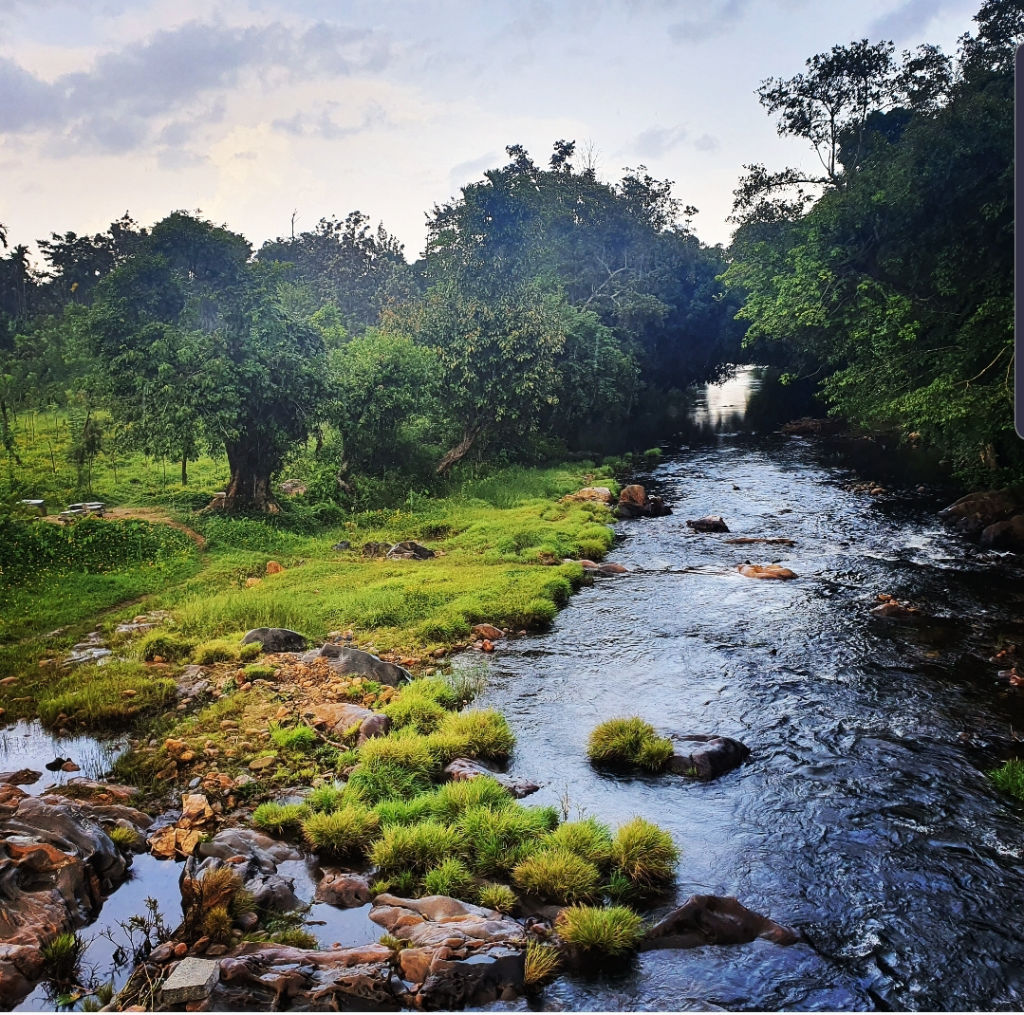
Today, the landscape is defined by moist and dry deciduous trees, bamboo thickets, and meandering waterways. When the Kabini reservoir recedes in drier months, vast grassy riverbanks emerge, drawing herbivores in extraordinary numbers. Visiting Kakankote allows travellers to step into a forest with deep roots in regional forestry and wildlife observation.
Wildlife and nature around Kakankote
Because Kakankote sits right beside Nagarhole National Park, the area supports an impressive concentration of wildlife. Asian elephants are a common sight, frequently moving through the bamboo groves or gathering near water channels. Herds of spotted deer and sambar feed along the open clearings, while Indian gaurs navigate the denser timber stands.
Predators also inhabit these corridors, with frequent sightings of leopards, Bengal tigers, and packs of Asiatic wild dogs recorded throughout the contiguous protected areas. Birdwatchers will find Kakankote and its riverbanks exceptionally rewarding, as fish eagles, crested serpent eagles, malabar pied hornbills, and a host of migratory waterfowl populate the tree canopy and marshy edges.
Read more
Places to visit around Kakankote
Nagarhole National Park lies just a few kilometres away and serves as the primary destination for guided forest safaris. The park's well-managed tracks wind through dense teak woods and riverine flats where visitors can observe the region's apex wildlife in their natural habitat.
A short drive east leads to the Nugu Dam and the adjoining Nugu Wildlife Sanctuary. This quiet reservoir area provides expansive water views against the backdrop of rolling hills and offers a much quieter alternative for birding and peaceful afternoon drives. Around thirty kilometres away, the rugged territory of Bandipur National Park adds another prominent wilderness excursion to the itinerary.
Those interested in cultural landmarks can travel to the Chikka Devamma Temple, situated atop a prominent hill offering sweeping views of rural Karnataka, or visit the Dzongkar Choede Monastery, a peaceful Tibetan monastic settlement located within driving distance in the Hunsur belt.
Best time to visit Kakankote
The winter months between October and February offer the most pleasant conditions for travelling to Kakankote. During this period, daytime temperatures are mild, morning mists drape the forest floor, and the surrounding countryside retains its post-monsoon freshness. It is an ideal window for spending extended hours outdoors and exploring nearby viewpoints.
From March to May, summer brings warmer temperatures and a drying landscape. While the afternoons can be warm, this is often the most productive season for wildlife enthusiasts. As natural water holes dry out within the interior forests, animals congregate in large numbers along the Kabini riverbed and visible reservoir channels. The monsoon months from June to September bring heavy downpours, rejuvenating the flora and turning the landscape vibrant green, though forest trails may occasionally face waterlogging.
How to reach Kakankote
Kakankote is well connected by road to major urban centres in southern Karnataka. Mysuru is the nearest major rail and transport hub, located approximately seventy to eighty kilometres away. The drive from Mysuru takes about two hours via the highway towards HD Kote and Handpost, winding through agricultural plains before entering the forest edges.
Travellers arriving from Bengaluru face a journey of roughly five to six hours by car, depending on regional traffic conditions. The nearest international airport is also in Bengaluru, while the domestic airport at Mysuru handles limited regional flights. Private taxis and state transport buses run regular services connecting Mysuru to the nearby administrative towns, after which local auto-rickshaws or private rentals can carry visitors into the Kakankote belt.
Tips for your trip to Kakankote
Because Kakankote is enveloped by active wildlife reserves, travellers must respect forest department regulations at all times. Forest transit roads may have strict evening and early-morning curfews to protect nocturnal animal movement, so plan your transit strictly in daylight hours.
Pack clothing in muted, earthy tones such as greens, browns, and khakis if you intend to participate in jungle safaris. Binoculars and a good telephoto lens are indispensable for birdwatching and observing wildlife from a safe, legal distance. Mobile network connectivity can be patchy within deeper pockets of the forest, so download offline maps and carry adequate cash for rural transactions.
Where to stay around Kakankote
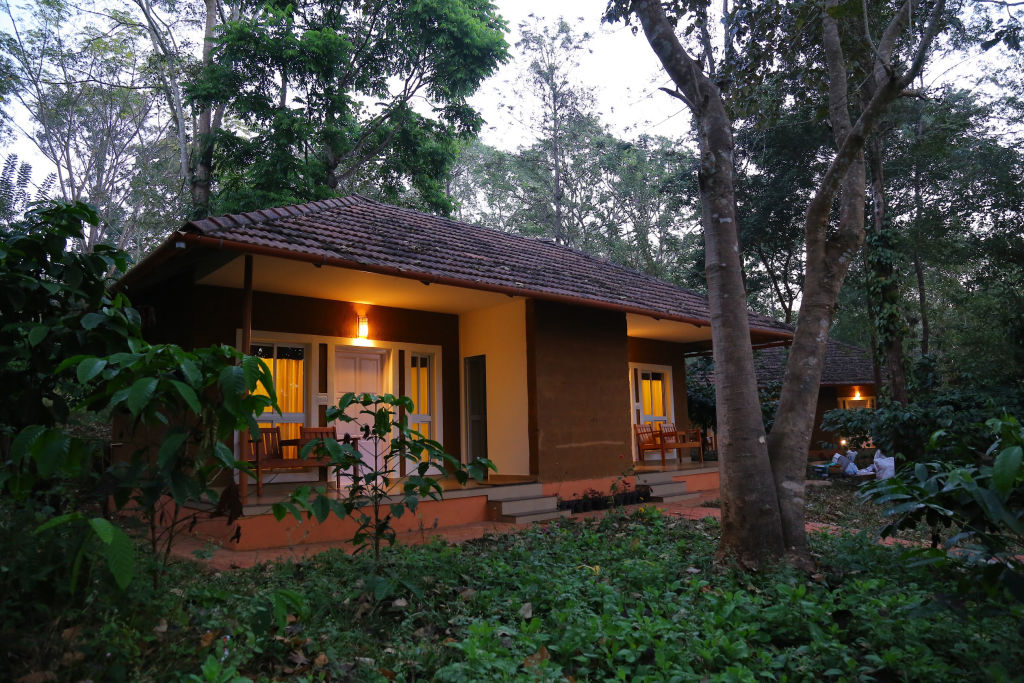
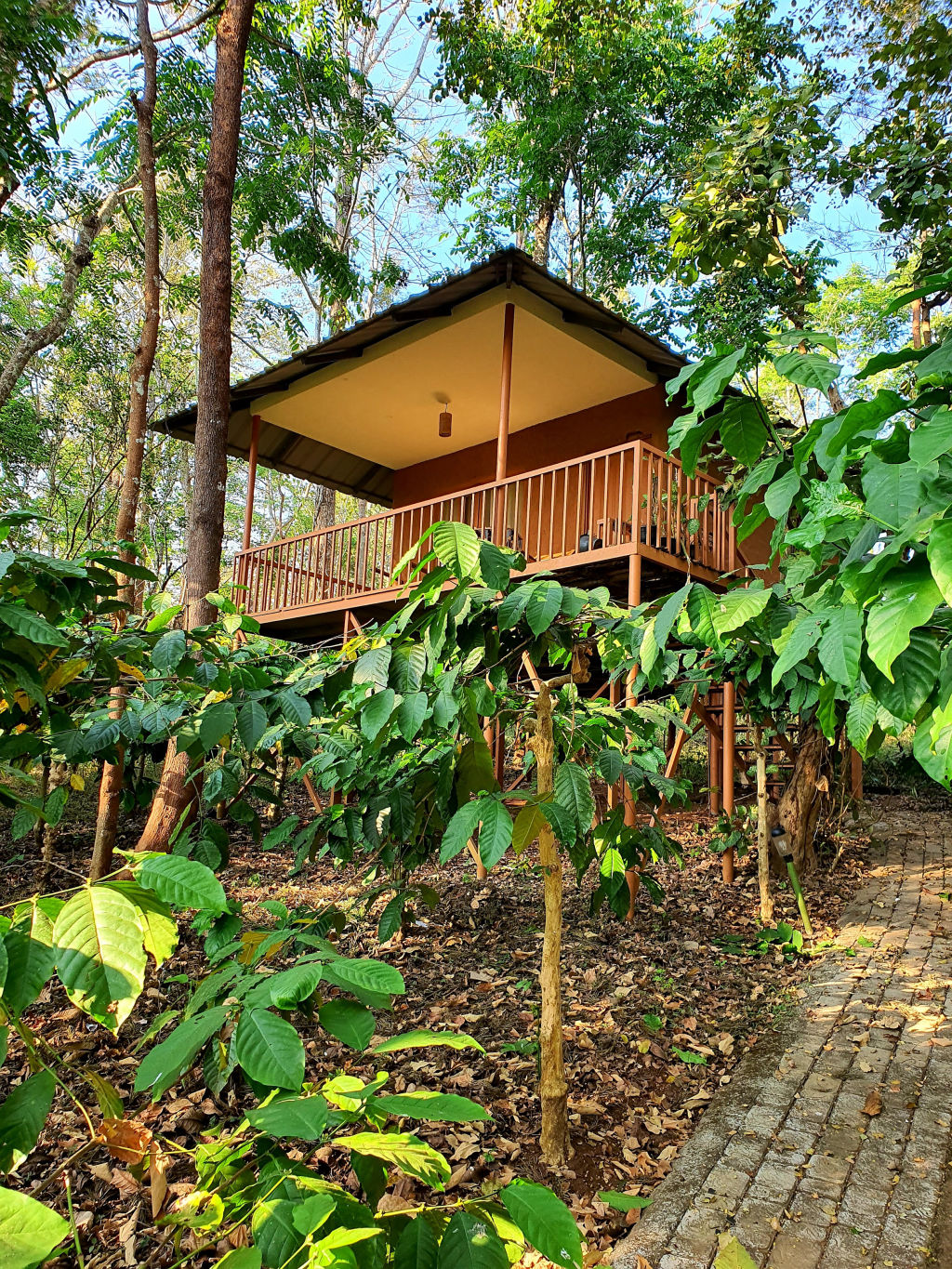
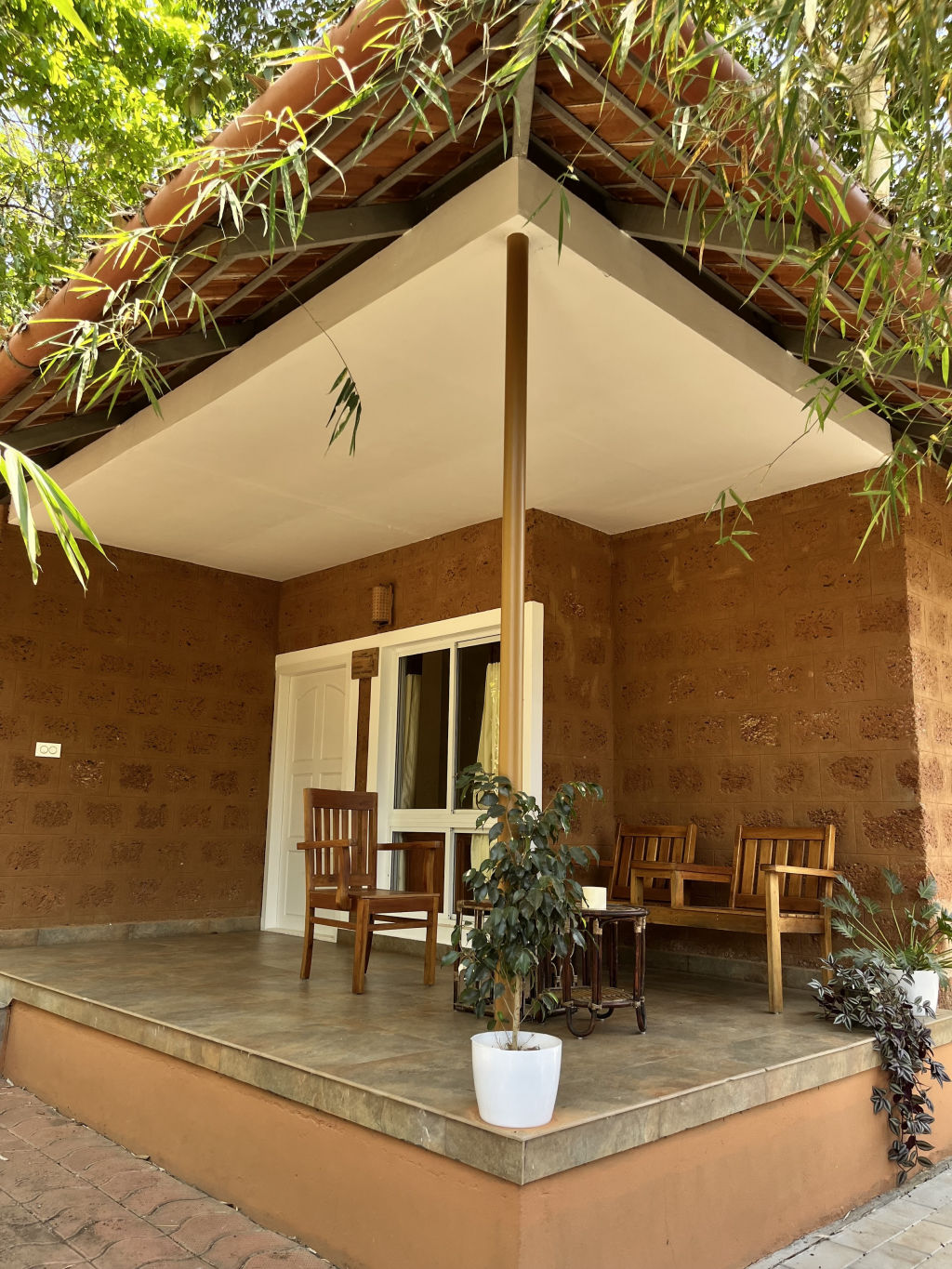
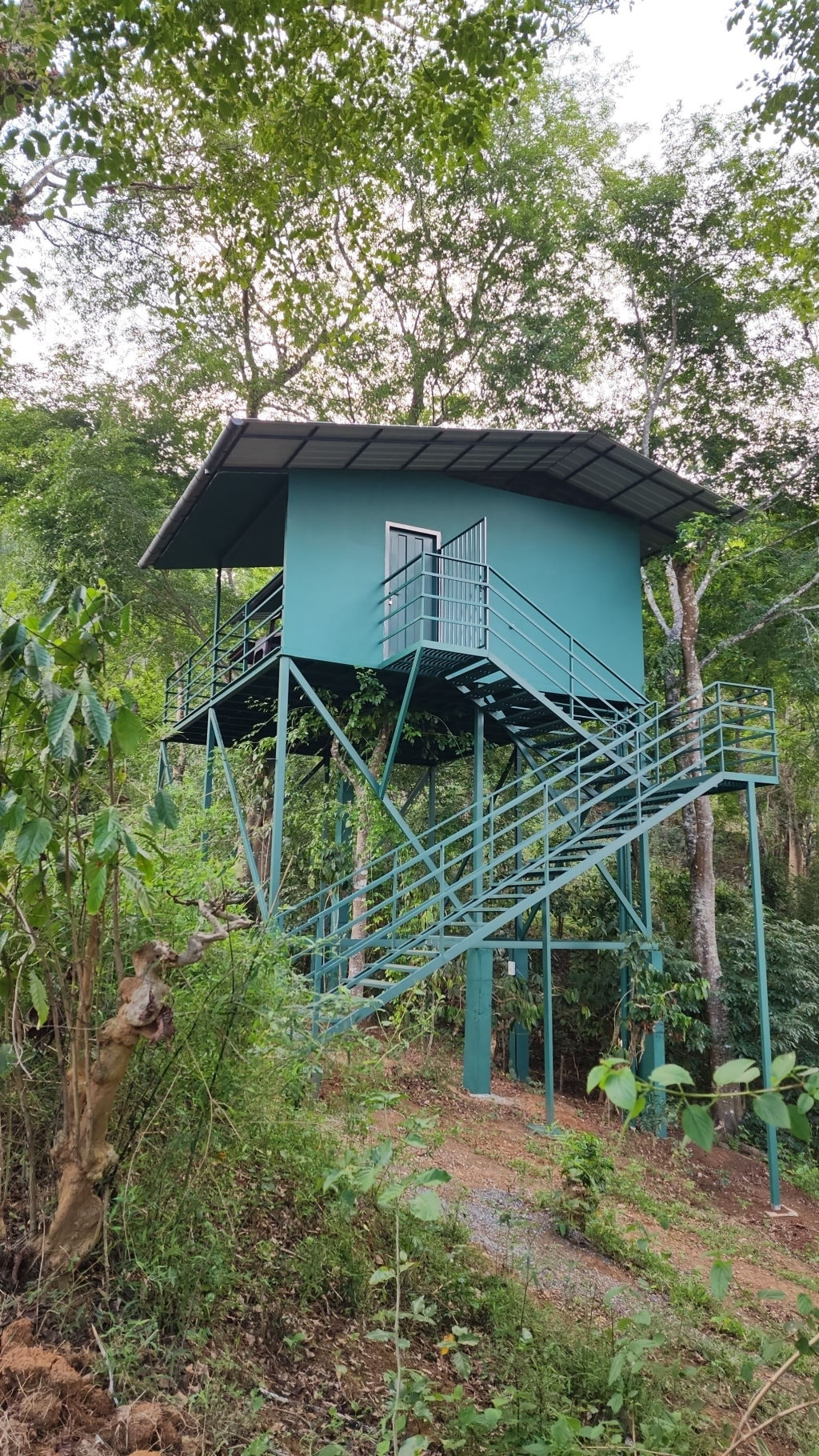
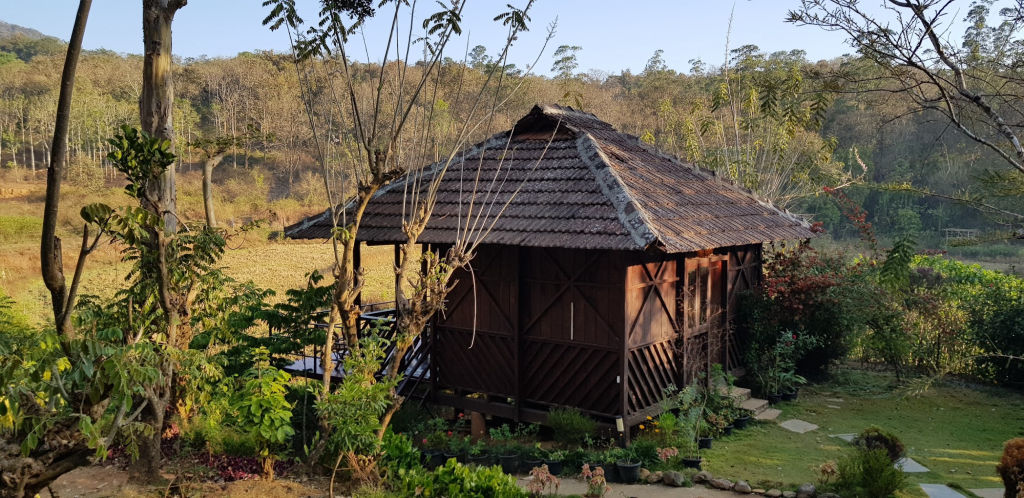
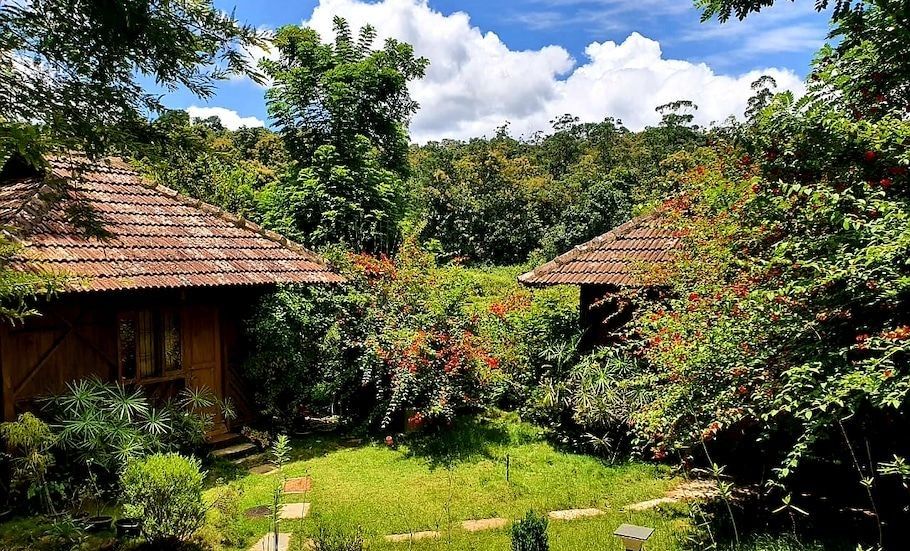
The countryside surrounding Kakankote and the Kabini River features comfortable accommodation options suited for nature lovers, from riverside campsites to heritage-style plantation stays and rustic homestays. Staying in the immediate vicinity allows you to wake up to birdsong and enjoy easy morning access to nearby safari boarding points.
You can explore and book verified camps, cottages, and local homestays in and around Kakankote directly through HireACamp to find an outdoor retreat tailored to your travel dates.
Frequently asked questions
What is Kakankote historically famous for?
Kakankote is historically famous for its massive elephant herds and as the original location where the traditional Khedda elephant capture technique was conducted in the nineteenth and twentieth centuries.
Can I go on a wildlife safari near Kakankote?
Yes, Kakankote lies adjacent to Nagarhole National Park, where official forest department safaris operate by vehicle and boat.
Is it safe to drive through Kakankote at night?
Forest transit roads around Kakankote often have strict evening gates and curfews imposed by the forest department to prevent vehicle accidents with wild animals, so night driving is restricted.
Which airport is closest to Kakankote?
Mysuru Airport is the closest regional airfield, while Kempegowda International Airport in Bengaluru is the nearest major hub with frequent domestic and international connections.
How far is Kakankote from Bengaluru?
Kakankote is roughly 210 to 230 kilometres from Bengaluru, requiring an approximate five to six hour road journey depending on route and traffic.
Where you'll be
7 stays nearby shown with prices
Stays near Kakankote
Book a place to stay close by
Things to do in Kakankote
48 places creators recommend within 30 km


Built from 0 Instagram posts by 0 creators. Every tip links back to the post it came from, and where creators disagree we show both sides.






