
Pampa Ganapathy Temple
Temple near Sabarimala, Kerala
2.9 km from Sabarimala
The nearest town, for stays, food and fuel.
Pampa Ganapathy Temple is a sacred riverside shrine dedicated to Lord Ganesha, nestled on the banks of the holy Pampa River in the forested Ranni taluk of Kerala. As the essential base station for pilgrims journeying toward the Sabarimala shrine, it holds immense spiritual importance as the place where devotees seek blessings to remove obstacles. Visitors and travellers are drawn to its tranquil riverfront atmosphere, surrounded by the dense evergreen forests of the Western Ghats.
Getting there
By road
- From Kochi3 hr 40 min · 158 km
- From SabarimalaNearest town3 hr 55 min · 109 km
- From Thiruvananthapuram4 hr 20 min · 182 km
- From Madurai5 hr 10 min · 249 km
Typical drive times without traffic. Stations and airports from OLA Maps; distances and typical drive times from OpenStreetMap (© OpenStreetMap contributors); notes from creators' Reels.
About Pampa Ganapathy Temple
Written with AI from map data and general knowledge. Check prices and timings locally before you go.
The Spiritual Significance of Pampa Ganapathy Temple
Pampa Ganapathy Temple occupies a unique and revered position in the spiritual geography of Kerala. Located directly on the edge of the sacred Pampa River, the temple is dedicated to Lord Ganesha, worshipped here as the ultimate remover of hurdles and guardian of seekers. For generations, traditional pilgrims preparing for the rigorous uphill ascent to Sabarimala have considered a stop at this temple indispensable.
According to age-old custom, a prayer at Pampa Ganapathy Temple precedes any venture into the rugged forest paths of the Western Ghats. Devotees break whole coconuts against the designated stone enclosure in front of the sanctum, a symbolic ritual that signifies breaking through the ego and surrendering worldly worries before starting on a demanding pilgrimage. The serene chants echoing across the riverbanks combined with the scent of camphor and incense create a deeply meditative environment for all who visit.
The Forest and River Landscape of Pampa
Beyond its devotional character, the natural setting of Pampa Ganapathy Temple is genuinely breathtaking. The temple rests in a deep forest river valley flanked by towering slopes clad in tropical moist evergreen and semi-evergreen vegetation. The Pampa River, considered one of Kerala's cleanest and most auspicious waterways, flows steadily alongside the temple grounds, its clear currents rolling over rounded granite boulders and river sand.
The surrounding hills form a crucial part of the protected Western Ghats ecosystem, home to dense canopies of teak, rosewood, and wild bamboo. Birdlife in the early mornings is remarkably rich, with species such as the Malabar grey hornbill, emerald dove, and various kingfishers frequently spotted along the tree line bordering the water. The constant murmur of running water and the cool breeze drifting off the forested slopes give the area an invigorating, restful microclimate.
Read more
Pilgrimage Traditions and Local Customs
A visit to Pampa Ganapathy Temple is traditionally linked with the ceremonial holy bath in the Pampa River, known locally as Pampa Sadya or Pampa Snanam. Devotees immerse themselves in the cool mountain waters to purify body and mind before stepping into the temple courtyard to receive the blessings of Ganesha. The water is believed to carry the restorative natural essence of countless medicinal herbs found in the upper reaches of the forest.
After offering prayers and performing the traditional breaking of coconuts, many pilgrims offer small clay lamps or floral tributes to the deity. Alongside Lord Ganesha, small ancillary shrines nearby honor other guardian deities of the forest. The atmosphere during peak gathering dates is charged with intense community devotion, where pilgrims share simple meals and sit by the river to rest their feet before moving ahead.
Best Time to Visit Pampa Ganapathy Temple
The climate around Pampa is tropical and strongly shaped by the southwest and northeast monsoons. The most popular period to visit is during the cool, dry winter months from November through January, which coincides with the annual Mandalam-Makaravilakku pilgrimage season. During this window, early mornings can be pleasantly chilly and misty, with daytime temperatures remaining comfortable for walking and riverside rituals.
For travellers seeking quiet contemplation and fewer crowds, the late winter and early spring months from February to April present a calm alternative, though river levels decrease as the dry season advances. The monsoon season from June to September brings heavy rains that transform the surrounding landscape into a verdant paradise and cause the river to swell significantly; however, heavy rainfall can make local travel slippery and forest paths hazardous, so checking local weather updates before embarking is always advisable.
Places to Visit Near Pampa Ganapathy Temple
The broader Ranni and Pathanamthitta region offers several cultural landmarks and scenic getaways within comfortable driving distance of Pampa Ganapathy Temple. A short distance down the valley lies Nilakkal, an important staging ground with historical religious structures surrounded by rolling forest hills. Further westward toward Ranni, the majestic Perunthenaruvi Waterfalls tumble across rocky beds into a broad pool, making for an enjoyable nature detour.
Travelers interested in panoramic high-altitude views can explore Panchalimedu, an open hill ridge in the neighbouring hills known for its cool winds and sweeping views of mist-covered peaks. Nearby heritage temples such as Kalaketty Sivaparvathi Temple and Valliyamkavu Devi Temple provide further insight into the traditional folklore and temple architecture of central Kerala. For waterfall lovers, Valanjamkanam Waterfall and Murinjapuzha Waterfalls along the hill highways offer striking sights during and immediately after the monsoon.
How to Reach Pampa Ganapathy Temple
Pampa Ganapathy Temple is connected by a scenic hill highway winding through the Ranni forest division. The nearest major railway stations are Chengannur, Thiruvalla, and Kottayam, which are connected by regular passenger trains across southern India. From these railheads, state-operated buses, shared taxis, and private cabs run directly toward Pampa, especially during the pilgrimage season.
For those travelling by air, Cochin International Airport and Trivandrum International Airport are the most practical access points. Both airports offer road links leading into Pathanamthitta district. The final stretch of the drive passes through Nilakkal and traverses protected forested corridors, where vehicles must operate cautiously due to winding curves and occasional wildlife movement.
Practical Tips for Your Visit
Because Pampa Ganapathy Temple is situated in an ecologically sensitive forest boundary, strict waste management rules apply throughout the riverbanks. Visitors should avoid carrying single-use plastics and ensure that all litter is carried away or placed into designated collection bins. Respecting the sacred nature of the river is paramount, so the use of chemical detergents or soaps while bathing in the Pampa is strictly discouraged.
Dress codes are traditional and conservative, as is customary for temples across Kerala. Travellers should wear comfortable, light clothing suitable for walking over river pebbles and paved stone yards. It is wise to carry adequate drinking water, a sturdy umbrella or light raincoat, and basic footwear that can be easily slipped off before entering the temple compound.
Where to Stay Around Pampa
Accommodations directly adjacent to the temple at Pampa are primarily intended for short halts and transit pilgrims, featuring basic pilgrim shelters and community halls during peak periods. For a more relaxed and comfortable stay, travellers often prefer lodging in surrounding towns such as Nilakkal, Vadasserikkara, Ranni, or up in the nearby cooler plantation ridges around Kuttikkanam and Peermade.
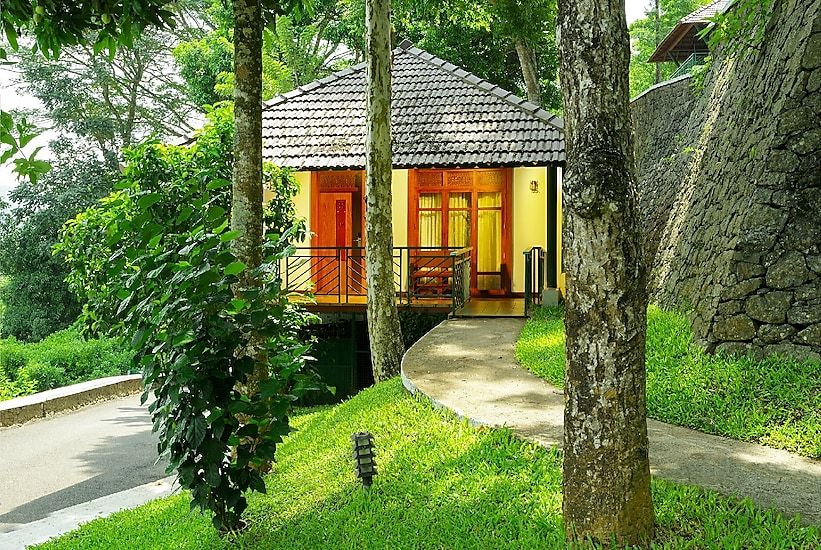
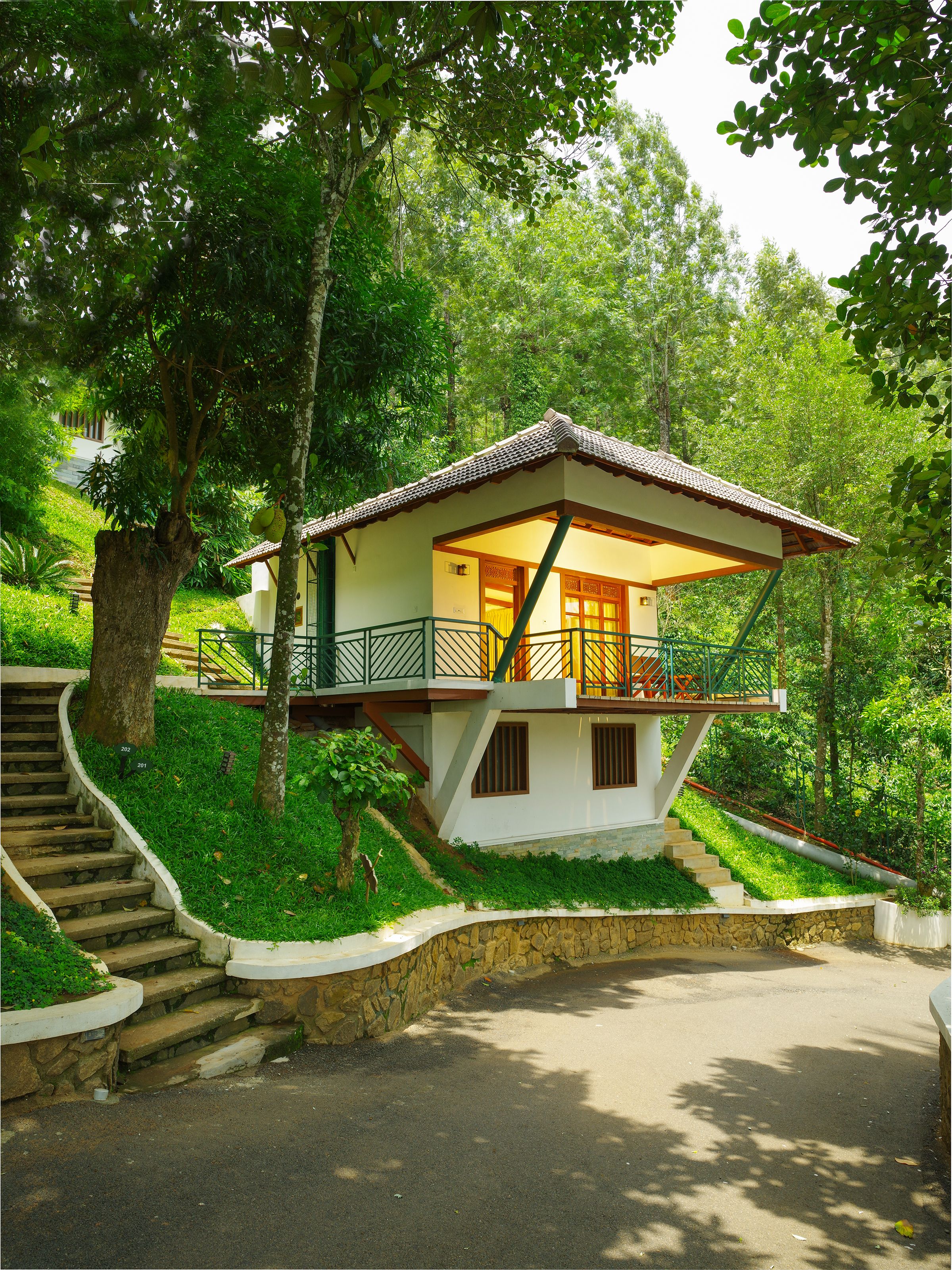
Those looking to immerse themselves in the quiet natural surroundings of the Western Ghats can find eco-camps, nature retreats, and welcoming family-run homestays across the region through HireACamp. Booking your stay in advance is particularly advisable if your trip coincides with the winter pilgrimage months, when regional accommodation is in high demand.
Frequently asked questions
What is the primary ritual at Pampa Ganapathy Temple?
The most famous ritual is breaking a whole coconut outside the sanctum, done to seek Lord Ganesha's blessings to remove obstacles before undertaking journeys or new beginnings.
Is it safe to bathe in the Pampa River near the temple?
Taking a holy dip is a common practice, but visitors should always stick to demarcated bathing ghats and exercise caution during the monsoon when water currents can be swift and unpredictable.
What is the best time of year to visit Pampa Ganapathy Temple?
The winter months from November to January offer cool weather and a vibrant pilgrimage atmosphere, while February to April is ideal for visitors seeking fewer crowds and quiet surroundings.
Are private vehicles allowed all the way up to Pampa?
Private vehicle access is often regulated by forest and traffic authorities, requiring personal cars to park at Nilakkal before using authorized transit services to reach Pampa. Travelers should check current local regulations before driving.
What dress code should be followed at the temple?
Visitors are expected to follow traditional temple attire, opting for modest and conservative clothing such as dhotis, kurtas, or sarees, and removing footwear before entering the temple premises.
Where you'll be
Ranni · 2 stays nearby shown with prices
Stays near Pampa Ganapathy Temple
Book a place to stay close by
More places near Pampa Ganapathy Temple
Within 20 km


Built from 0 Instagram posts by 0 creators. Every tip links back to the post it came from, and where creators disagree we show both sides.






