
Ponnambalamedu
Peak near Sabarimala, Kerala
4.7 km from Sabarimala
The nearest town, for stays, food and fuel.
Ponnambalamedu is a prominent hill located in the dense Western Ghats of Kerala, revered across South India for its cultural and spiritual significance. Rising amidst the forests of the Periyar region, the summit is famous as the sacred site from where the Makaravilakku light is sighted during the annual Sabarimala pilgrimage. The surrounding landscape features shola grasslands, thick moist deciduous forests, and sweeping views of the mist-laden mountain ranges.
Getting there
By road
- From SabarimalaNearest town2 hr 15 min · 30 km
- From Madurai3 hr 45 min · 185 km
- From Kochi3 hr 55 min · 188 km
- From Thiruvananthapuram4 hr 25 min · 197 km
Typical drive times without traffic. Stations and airports from OLA Maps; distances and typical drive times from OpenStreetMap (© OpenStreetMap contributors); notes from creators' Reels.
About Ponnambalamedu
Written with AI from map data and general knowledge. Check prices and timings locally before you go.
Understanding Ponnambalamedu and its landscape
Ponnambalamedu stands as a towering crest in the rugged expanse of the Western Ghats, located near the borders of Pathanamthitta and Idukki districts in Kerala. The peak rises high above the surrounding forested valleys, blanketed by high-altitude shola grasslands and patches of dense montane evergreen jungle. This rugged geography is part of a larger ecological continuum that shelters diverse southern Indian wildlife, ranging from herds of wild elephants and gaurs to rare avian species and endemic flora.
Beyond its natural beauty, Ponnambalamedu holds an indelible place in Kerala's spiritual consciousness. The summit hosts an ancient shrine platform where the ceremonial Makaravilakku flame is kindled on the day of Makaravijavu, an event witnessed by hundreds of thousands of pilgrims gathered at the nearby Sabarimala temple. Because of its ecological sensitivity and religious sanctity, the peak is closely protected by forest and wildlife authorities, preserving its pristine wilderness from rampant commercialization.
The natural beauty and wildlife
The slopes around Ponnambalamedu showcase the rich ecological diversity characteristic of the higher reaches of the Periyar ecosystem. Rolling grasslands run across the ridgelines, broken occasionally by rocky escarpments that drop sharply into valley floors. During clear mornings, the panoramic view stretches across continuous layers of blue-green hills that extend toward the neighbouring ranges of Tamil Nadu and the high plateaus of Idukki.
The forests in this belt form critical corridors for wildlife. Asiatic elephants, sambar deer, barking deer, wild boars, and the elusive Indian leopard inhabit the lower wooded valleys. Birdwatchers travelling through the adjoining access roads can often spot endemic species like the Malabar grey hornbill, the Nilgiri wood pigeon, and various flycatchers. Because the area remains protected and largely unmarred by heavy infrastructure, the air is clean, the canopy is intact, and natural silence reigns supreme across the hill slopes.
Read more
Best time to visit
The best time to experience the region around Ponnambalamedu is during the post-monsoon and winter months, spanning from October through February. During these months, the intense south-west and north-east monsoon rains have ended, leaving the landscape lush, vibrant green, and washed clean. Temperatures remain pleasantly cool throughout the day, with crisp mornings and noticeably chilly evenings at higher elevations.
Summer sets in between March and May, bringing warmer daytime temperatures and drier forest conditions. While wildlife sightings can be frequent as animals head toward remaining water sources, the heat can make long outdoor days more strenuous. The monsoon season, extending from June through September, brings exceptionally heavy downpours that saturate the Western Ghats. During the rains, hill paths become slippery, streams swell quickly, and thick fog frequently obscures views of the surrounding peaks.
How to reach Ponnambalamedu
Reaching the vicinity of Ponnambalamedu involves travelling through the central highland corridors of Kerala. The nearest major railheads are at Chengannur, Kottayam, and Thiruvalla, which link the region to major cities across India. For air travellers, the closest international gateways are Cochin International Airport and Trivandrum International Airport, both situated within driving range of the foothill towns.
From transit hubs like Pathanamthitta or Kottayam, road routes lead upward through forested ghat roads towards Ranni, Vadasserikkara, and Nilakkal. Private taxis, hired jeeps, and state-operated buses connect these lower settlements to the edges of the forest range. Because Ponnambalamedu lies within restricted reserve forest territory, access directly up the peak is strictly regulated; travellers should always consult local forest check-posts regarding permissible routes and current access guidelines before planning their trek or drive.
Places to explore nearby
A trip to this stretch of Kerala provides convenient access to several other scenic, natural, and cultural attractions. Nilakkal, situated just down the valley, is an important transit base for travellers and holds considerable historical importance as an ancient trade route settlement and staging point for pilgrims. Nearby highland viewpoints like Panchalimedu offer similar dramatic views of misty mountains and open meadows, along with historical legends linked to the Pandavas.
Slightly further north towards the high ranges, you can explore the tea and spice estates surrounding Kuttikanam, visit natural sights such as the Valanjamkanam Waterfall, or stop by local places of worship like the Valliyamkavu Devi Temple and the historic Pattumala Matha Shrine. Across the state border, the misty hills of Meghamalai provide an extended wilderness detour for nature enthusiasts seeking quiet plantations, reservoir lakes, and expansive wildlife corridors.
Tips for your visit
Because Ponnambalamedu is situated in an environmentally protected and sensitive zone, travelling responsibly is essential. Visitors should dress in comfortable, neutral-coloured clothing and sturdy walking shoes with good traction. Mountain weather can change swiftly, so carrying a light windcheater or fleece jacket along with an umbrella or rain cover is recommended no matter the season.
Carry sufficient drinking water and light refreshments, as commercial vendors and shops are not found in the upper reaches of the reserve. Adhere strictly to a zero-litter policy by taking all plastic packaging and waste back to the nearest town. Remember that cell phone coverage can be patchy or nonexistent in the deeper forest valleys, so download offline maps and inform someone of your route before venturing into remote viewpoints.
Where to stay around Ponnambalamedu
Direct accommodation on Ponnambalamedu is neither permitted nor available due to strict forest conservation laws. Instead, travellers base themselves in nearby highland settlements, plantation hamlets, and pilgrimage gateway towns. The surrounding districts of Pathanamthitta and Idukki offer a wide variety of lodging options that place you within easy reach of the region's wilderness.
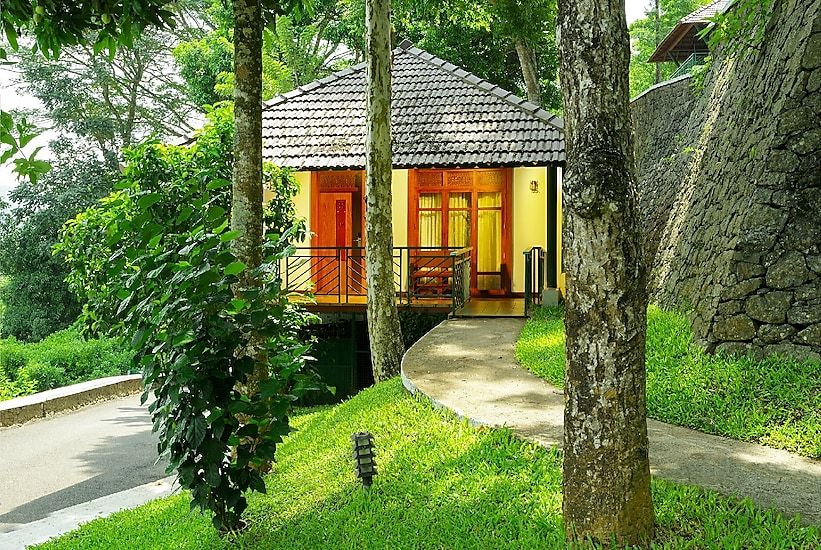
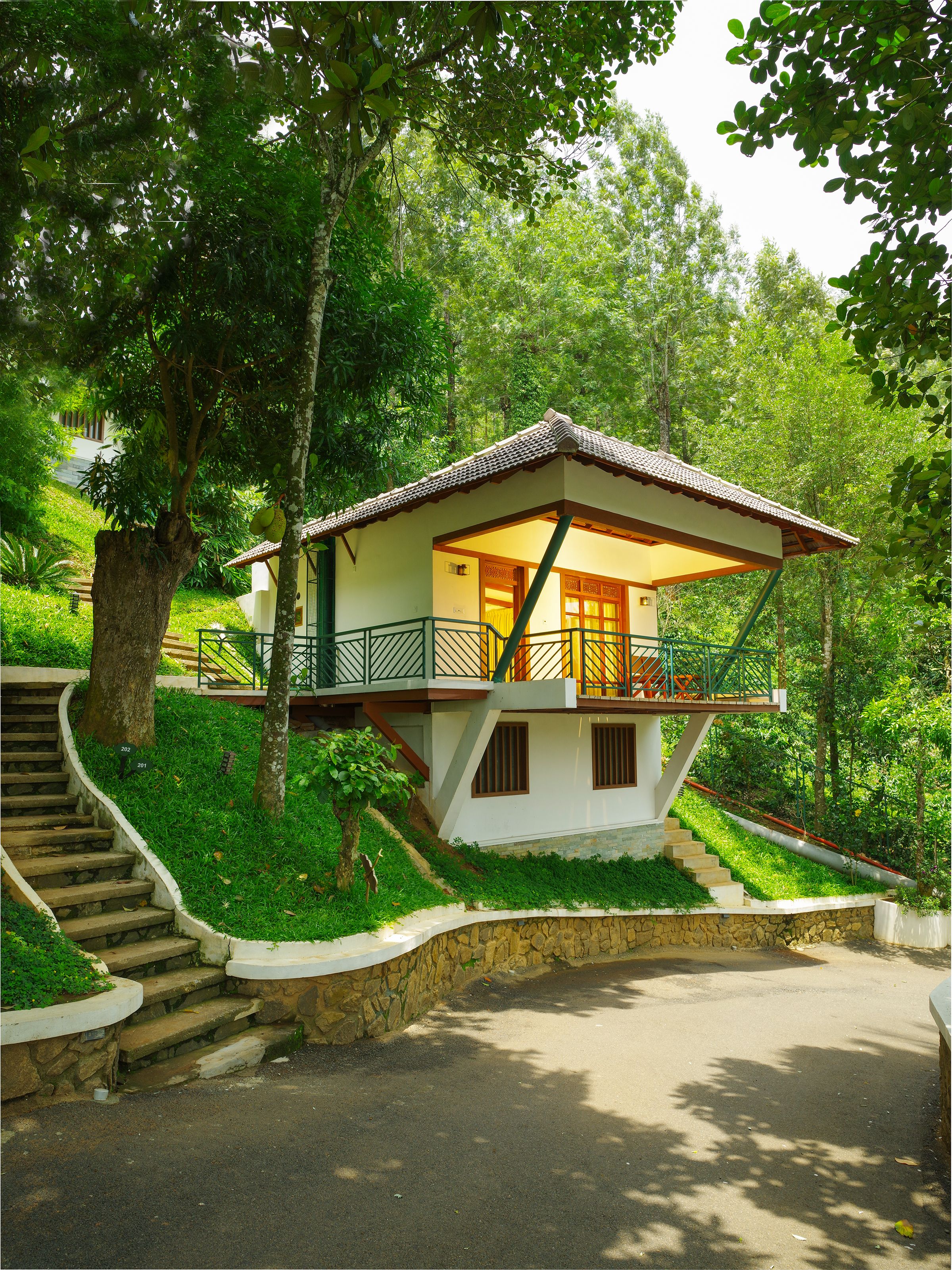
If you want an immersive mountain experience, you can find quiet campsites, rustic cottages, and warm homestays listed on HireACamp. Staying in these peaceful hillside properties allows you to enjoy homemade Kerala meals, crisp highland breezes, and convenient road access to viewpoints across the Periyar hill range.
Frequently asked questions
What is the cultural importance of Ponnambalamedu?
Ponnambalamedu is culturally revered as the sacred hilltop where the holy Makaravilakku flame is traditionally lit during the Makara Sankranti festival, viewed by devotees visiting the nearby Sabarimala shrine.
Can tourists hike to the top of Ponnambalamedu freely?
Access directly to the peak of Ponnambalamedu is strictly regulated by the Kerala Forest Department to protect both the wildlife reserve and the sanctity of the shrine platform. Visitors must check current entry regulations and seek appropriate permissions locally before planning a visit.
What kind of landscape surrounds Ponnambalamedu?
The peak is characterized by rolling high-altitude shola grasslands, rugged rocky outcrops, and dense patches of moist evergreen and deciduous forest home to rich Western Ghats wildlife.
Which are the nearest major towns to Ponnambalamedu?
The nearest staging towns are Pathanamthitta, Ranni, and Vandiperiyar, while Chengannur and Kottayam serve as the primary rail access points for the region.
Where should travellers stay when visiting Ponnambalamedu?
Because staying on the peak itself is prohibited, travellers usually stay in homestays, nature retreats, and campsites in nearby towns and plantation hills, which can be booked on HireACamp.
Where you'll be
2 stays nearby shown with prices
Stays near Ponnambalamedu
Book a place to stay close by
More places near Ponnambalamedu
Within 20 km


Built from 0 Instagram posts by 0 creators. Every tip links back to the post it came from, and where creators disagree we show both sides.






