
Sabarimala Ayyappa Temple
Temple near Sabarimala, Kerala
100 m from Sabarimala
The nearest town, for stays, food and fuel.
Sabarimala Ayyappa Temple is an ancient and revered hill shrine nestled amidst the dense evergreen forests of the Western Ghats in Kerala. Dedicated to Lord Ayyappa, this sacred pilgrimage centre draws millions of devotees from across India every year. Travellers and pilgrims undertake the journey to experience deep spiritual devotion amidst the rugged hills and verdant wilderness of the Periyar region.
Getting there
By road
- From Kochi3 hr 50 min · 162 km
- From SabarimalaNearest town4 hr 5 min · 113 km
- From Thiruvananthapuram4 hr 30 min · 186 km
- From Madurai5 hr 25 min · 253 km
Typical drive times without traffic. Stations and airports from OLA Maps; distances and typical drive times from OpenStreetMap (© OpenStreetMap contributors); notes from creators' Reels.
About Sabarimala Ayyappa Temple
Written with AI from map data and general knowledge. Check prices and timings locally before you go.
About Sabarimala Ayyappa Temple
Sabarimala Ayyappa Temple is located deep within the forested hills of the Ranni taluk in Pathanamthitta district, Kerala. Positioned on a hilltop known as Sannidhanam and surrounded by eighteen hills, the shrine is dedicated to Lord Ayyappa, also venerated as Dharma Sastha. The temple is situated in an environmentally sensitive enclave of the Western Ghats, bordered by evergreen forests, bamboo brakes, and wildlife corridors.
The shrine carries a unique place in Indian spiritual traditions. Unlike many traditional Hindu temples that remain open throughout the year, Sabarimala opens only during specific pilgrimage periods and on the initial days of each Malayalam calendar month. The presiding deity represents asceticism, discipline, and equanimity, where pilgrims discard caste, social hierarchy, and mundane differences under the collective identity of Ayyappa. The sacred golden steps, known as the Pathinettam Padi or the eighteen divine steps, form the final ceremonial ascent to the sanctum sanctorum.
The Forest Trek to Sannidhanam
Reaching the Sabarimala temple involves an active trek through dense forest terrain, which remains one of the defining features of this pilgrimage. The journey typically begins on foot from Pamba, a holy river base where vehicles are halted. From the banks of the Pamba River, devotees embark on an uphill climb of several kilometres to reach Sannidhanam.
The primary walking trail winds past steep mountain inclines such as Neelimala and Appachimedu. While paved pathways and resting shelters have been introduced over the decades to manage heavy pedestrian traffic, the gradient remains physically demanding. Pilgrims carrying the traditional Irumudi kettu, a two-compartment cloth bag containing sacred offerings, make this ascent accompanied by resonant chants of Swamiye Saranam Ayyappa.
Along the route, deep forest valleys and thick tree canopies flank the paths. The surrounding forest is home to elephants, deer, and diverse bird species, giving the journey an authentic forest pilgrimage atmosphere. Walking in early morning or late evening hours helps travellers manage the steep climb comfortably while staying shielded from midday heat.
Read more
Best Time to Visit Sabarimala
The primary pilgrimage window at Sabarimala is the Mandala-Makaravilakku season, which spans from mid-November to mid-January. During this period, the temple experiences an immense influx of devotees, with vibrant ceremonial rituals, daily pujas, and intense collective energy. The culmination of this period in mid-January during the Makaravilakku festival marks the most significant spiritual gathering of the year.
For travellers seeking a calmer journey with fewer crowds, the temple opens for five consecutive days at the start of every Malayalam month, as well as during festival periods like Vishu in mid-April and Onam in late August or September. Visiting during the monthly openings allows travellers to experience the tranquil forest surroundings with considerably less congestion.
Weather in this part of the Western Ghats varies significantly with the seasons. The winter months between November and February offer pleasant, cool mornings and comfortable hiking conditions. The monsoon season, stretching from June to September, brings heavy torrential rains that transform the forests into a lush green haven, though forest trekking during intense rainfall demands caution due to slippery trails and rising river currents.
How to Reach Sabarimala Ayyappa Temple
Sabarimala is accessible by road up to designated transit hubs, followed by a mandatory trek. The primary vehicle parking and coordination terminal is located at Nilakkal. During the pilgrimage seasons, private vehicles are typically parked at Nilakkal, from where continuous shuttle transit connects pilgrims to the trekking base at Pamba.
The nearest railway stations are Chengannur, Kottayam, and Thiruvalla. Among these, Chengannur is widely regarded as the primary railway gateway for Sabarimala pilgrims, offering regular transport services directly towards Pamba during temple opening periods. Kottayam railway station is another convenient railhead connected to major cities across southern India.
For travellers flying in, Cochin International Airport and Trivandrum International Airport are the closest commercial aviation hubs. From either airport, travellers can hire road transport or board connecting buses through scenic hill corridors passing through Pathanamthitta or Pala to reach the foothills at Nilakkal and Pamba.
Essential Customs and Tips for Visitors
A visit to Sabarimala is bound by deep-rooted religious traditions and strict spiritual guidelines. Devotees climbing the sacred eighteen steps are traditionally expected to observe a forty-one-day penance known as Vratham, involving strict vegetarianism, simple living, emotional restraint, and the wearing of black or dark blue attire. Entering the inner sanctum via the eighteen steps also requires carrying the consecrated Irumudi bundle.
Travelers must ensure they carry comfortable walking footwear suitable for steep paths, lightweight cotton clothes, and hydration packs. Due to the sacred nature of the reserve forest, plastic items are strictly regulated, and littering on the trekking paths or along the banks of the Pamba River is prohibited. Pilgrims should keep themselves updated on official registration procedures and entry passes, as online queue systems and local safety advisories are managed and announced by local authorities prior to each pilgrimage cycle.
Places to Visit Nearby
The highland region surrounding Sabarimala is rich in heritage shrines and natural viewpoints that make worthwhile stops on a broader journey through central Kerala. Nilakkal, situated close to the transit corridor, is home to ancient forest temples and serves as a key heritage point along the path.
Further uphill towards the high ranges of Idukki and Kottayam districts, travellers can explore Panchalimedu, an open plateau known for panoramic mountain views, breezy meadows, and mythological associations. Nearby, the cascading Valanjamkanam Waterfall and Murinjapuzha Waterfalls offer refreshing natural spectacles right alongside the winding mountain roads. Sacred landmarks such as the Pattumala Matha Shrine, built entirely of granite amid sprawling tea hills, and the historic Valliyamkavu Devi Temple provide deeper insight into the varied cultural tapestry of the region.
Where to Stay near Sabarimala
Accommodation options immediately around Sannidhanam and Pamba are geared toward temporary pilgrim rest halls and managed guesthouses. Because room availability at the hilltop is strictly regulated during the peak season, many travellers prefer establishing base camps in surrounding transit towns.
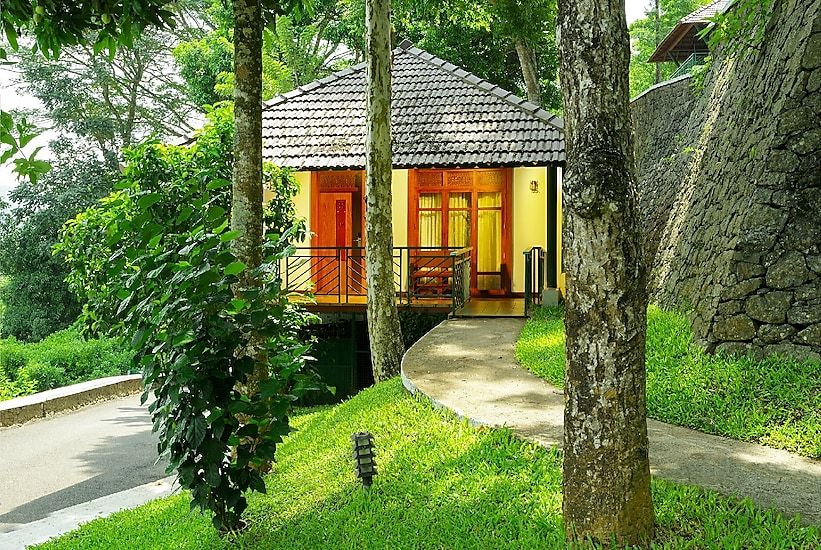
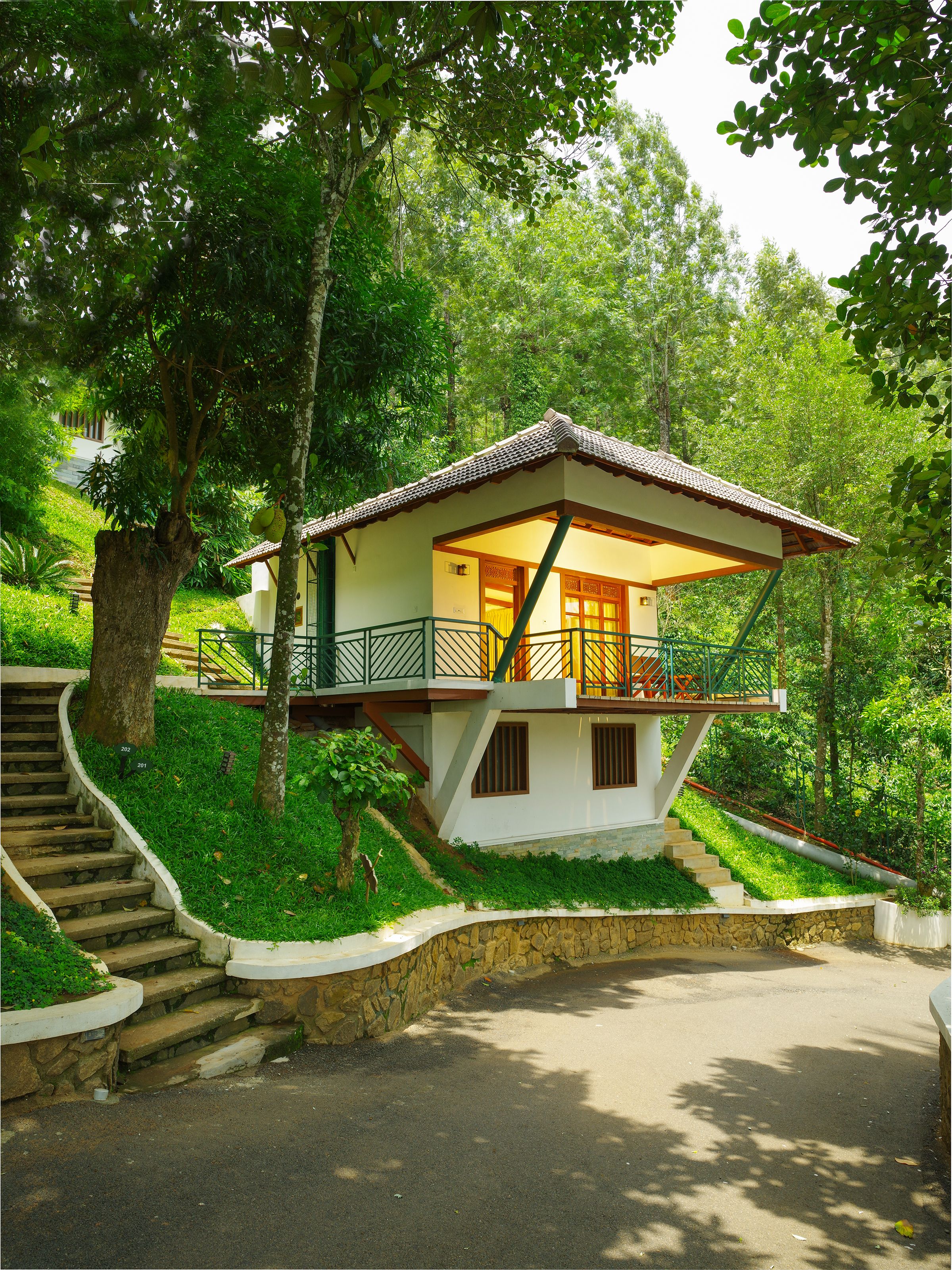
Towns and hill settlements like Nilakkal, Pathanamthitta, Erumely, and Kuttikkanam offer a wider variety of places to rest before or after the pilgrimage. Travellers looking to combine their spiritual journey with peaceful stays in nature can explore homestays, nature retreats, and eco-friendly camping options on HireACamp. Booking stays nestled in the plantations and rolling hills near the periphery provides a quiet, restorative counterpoint to the arduous uphill climb.
Frequently asked questions
Can visitors reach Sabarimala Sannidhanam by vehicle?
No, vehicles are allowed only up to Nilakkal or Pamba depending on traffic regulations. The final journey from Pamba to the Sannidhanam hilltop must be covered on foot along forest trails.
What is the best time of year to visit Sabarimala?
The main pilgrimage season occurs during the Mandala-Makaravilakku period from mid-November to mid-January. For a quieter journey, the temple is also open during the first few days of every Malayalam calendar month.
Which is the nearest railway station to Sabarimala?
Chengannur and Kottayam are the most convenient railway stations, offering regular road connections, taxis, and public transit to the Pamba base camp.
Are there specific dress codes or customs to observe?
Yes, traditional pilgrims observe a period of penance and wear traditional black, dark blue, or saffron clothing. Devotees ascending the eighteen steps must carry the consecrated Irumudi offering.
What scenic attractions can be explored around Sabarimala?
Nearby attractions include the scenic highland plateau of Panchalimedu, the Valanjamkanam and Murinjapuzha waterfalls, and heritage sites like the Pattumala Matha Shrine.
Where you'll be
Sannidhanam, Sabarimala, Ranni · 2 stays nearby shown with prices
Stays near Sabarimala Ayyappa Temple
Book a place to stay close by
More places near Sabarimala Ayyappa Temple
Within 20 km


Built from 0 Instagram posts by 0 creators. Every tip links back to the post it came from, and where creators disagree we show both sides.






