
Sar Lake
Lake near Sosan, Himachal Pradesh
5.7 km from Sosan
The nearest town, for stays, food and fuel.
Sar Lake is a high-altitude alpine lake nestled in the dramatic mountain ranges above the Parvati Valley in Himachal Pradesh's Kullu district. Known predominantly as the central highlight of the iconic Sar Pass trek route, the lake sits enclosed by snow-capped ridgelines, glacial meadows, and rugged Himalayan terrain. Outdoor enthusiasts and trekkers visit the area to experience pristine alpine wilderness and sweeping panoramic vistas of the surrounding peaks.
Getting there
By road
- From Chandigarh6 hr 15 min · 266 km
- From Ludhiana6 hr 40 min · 296 km
- From Amritsar8 hr 45 min · 407 km
- From Dehradun9 hr 40 min · 448 km
Typical drive times without traffic. Stations and airports from OLA Maps; distances and typical drive times from OpenStreetMap (© OpenStreetMap contributors); notes from creators' Reels.
About Sar Lake
Written with AI from map data and general knowledge. Check prices and timings locally before you go.
An Introduction to Sar Lake
Sar Lake, situated high in the mountains above the Parvati Valley in Kullu, is a small yet striking alpine body of water that lends its name to one of the most celebrated trekking circuits in Himachal Pradesh. In the local dialect, 'Sar' translates to lake or pond, referring to this elevated water body that remains partially frozen well into the early summer months.
The lake sits amidst towering crags and snowfields, offering an arresting contrast of stark rocky topography against sweeping skies. Travellers undertake the journey here not merely to see the water, but to immerse themselves in an evolving Himalayan landscape that transitions from dense pine timberland to wide pastures and barren glacial terrain.
The Trekking Landscape and Route
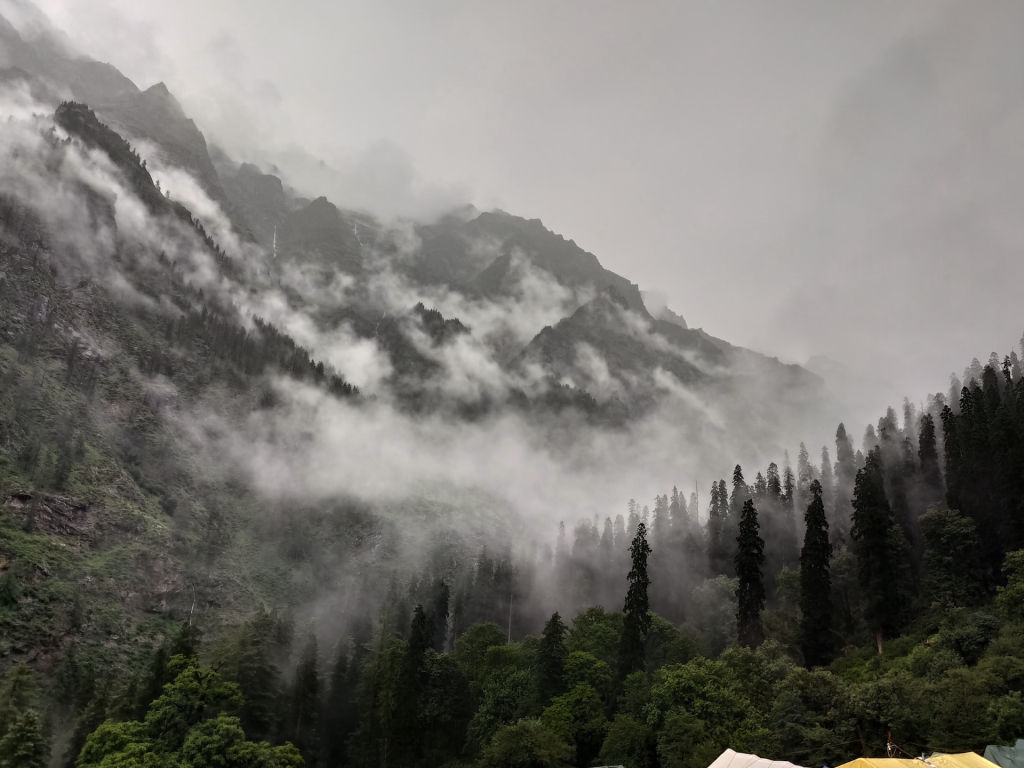
The journey toward Sar Lake typically traverses through rich deodar and oak woodlands, rustic wooden villages, and expansive high-altitude meadows locally referred to as thaches. As you climb higher, the forest canopy thins out, unveiling sprawling pastures populated by grazing sheep, wild alpine shrubs, and seasonal wildflowers.
The final approaches to the lake area require navigating boulder fields, moraines, and snow patches, depending on the time of year. Reaching the lake rewards trekkers with breathtaking views across the Parvati Valley basin and the jagged snowy ramparts separating Kullu from neighbouring Spiti and Kangra.
Read more
Best Time to Visit Sar Lake
The trekking season for Sar Lake generally spans from May through October, with May and June being the most popular window. During early summer, the snow from the harsh Himalayan winter begins to melt, leaving patches of snow across the higher reaches while the lower valleys burst into vibrant shades of green. Temperatures during the daytime are pleasant for walking, though nights remain very cold.
Post-monsoon, during September and October, the trails dry out and the skies turn exceptionally clear. This period offers crisp air and brilliant panoramic visibility, ideal for mountain photography and stargazing. The monsoon months of July and August bring heavy rainfall and increased landslide hazards across Kullu, making trekking risky, while deep winter brings severe snow cover that renders the lake inaccessible to standard travellers.
How to Reach Sar Lake
Reaching Sar Lake requires a combination of road travel and multi-day trekking. The gateway town for the region is Kullu, which is well connected by road to major North Indian hubs like Chandigarh and New Delhi through intercity buses and private taxis. The nearest airport is Bhuntar Airport near Kullu, which operates seasonal domestic flights.
From Kullu or Bhuntar, travellers proceed deeper into the Parvati Valley by local bus or taxi toward base points such as Kasol, Manikaran, or Barshaini. The walking trail to Sar Lake typically commences from these valley settlements, steadily gaining elevation over several days of guided trail walking through intermediate high camps before reaching the lake basin.
Places to Explore Nearby
The broader Kullu and Parvati Valley region offers numerous complementary destinations for those exploring the outdoors. Just across the valley ridges lies the popular Kheerganga trail, known for its scenic meadow campsites and natural thermal springs. Nearby traditional settlements like Pulga, Tosh, and the hamlets of the lower valley retain traditional wooden architecture and serene forest trails.
Further south in the Kullu district, the Great Himalayan National Park showcases protected Western Himalayan flora, wildlife, and river valleys. Travellers looking for quieter mountain retreats can also head toward the Shangarh meadows and the Tirthan Valley, both renowned for quiet village life, apple orchards, and pristine forest walks.
Tips for Visiting Sar Lake
Because Sar Lake is situated at a significant altitude, proper physical conditioning and gradual acclimatization are critical. Ascend at a steady, measured pace, keep yourself thoroughly hydrated, and pay attention to early signs of altitude sickness such as headaches, nausea, or dizziness.
Pack comprehensive multi-layered clothing, including windproof outer shells, thermal innerwear, and warm fleece or down jackets to handle sharp nighttime temperature drops. Sturdy trekking boots with good ankle support are essential for traversing rocky paths and residual snow. Always carry personal waste back down to lower towns for responsible disposal, and check local trail conditions with regional authorities or experienced mountain guides before heading up.
Where to Stay around Sar Lake
On the trail leading up to Sar Lake, accommodation consists entirely of wilderness camping in designated meadow clearings and high-altitude camps. Trekkers sleep in alpine tents under starry mountain skies, surrounded by peaks.
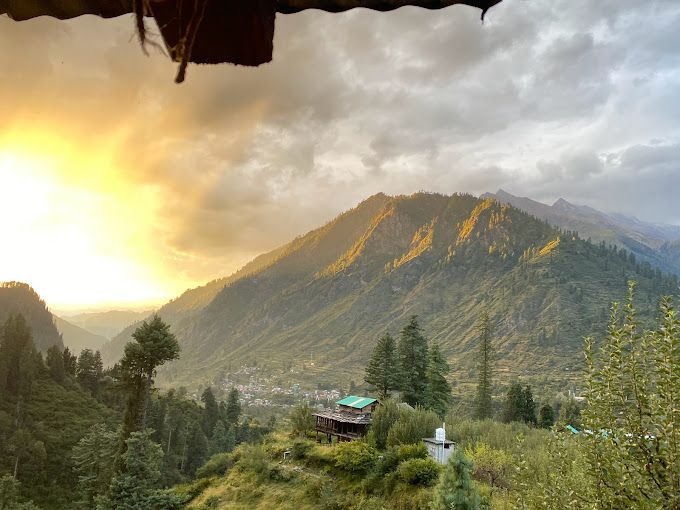
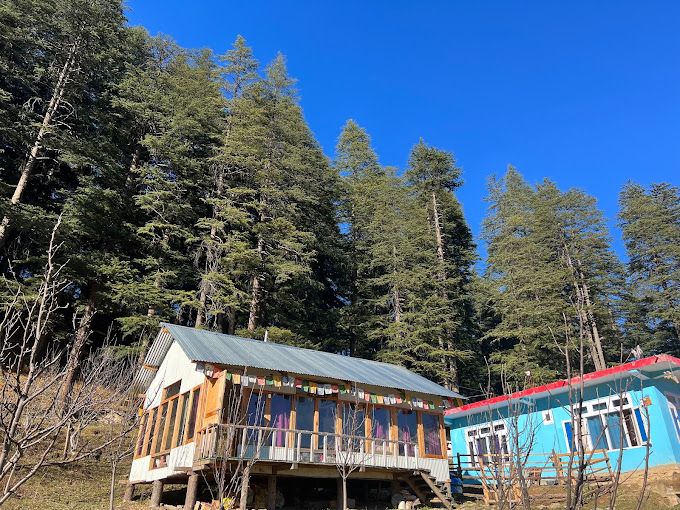
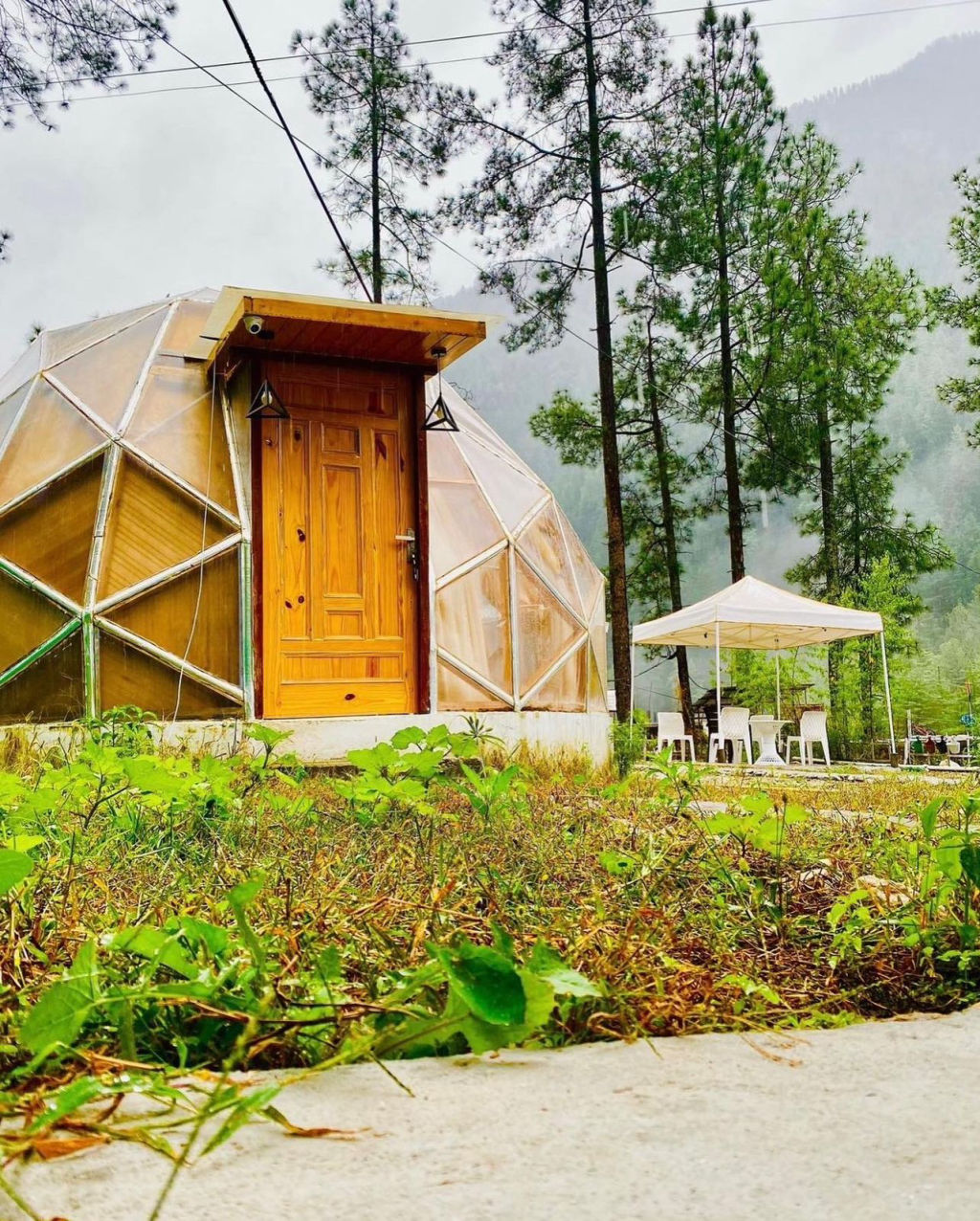
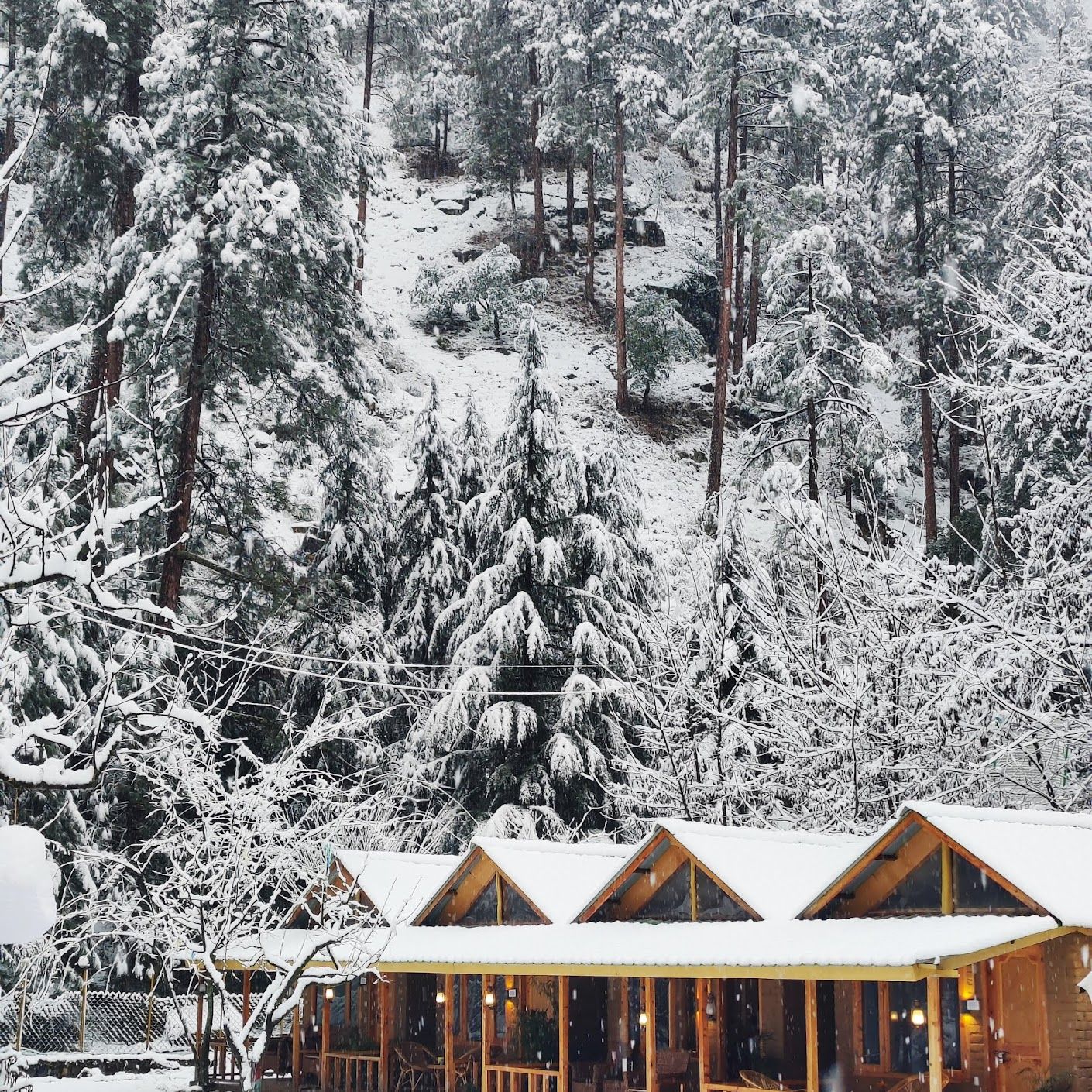
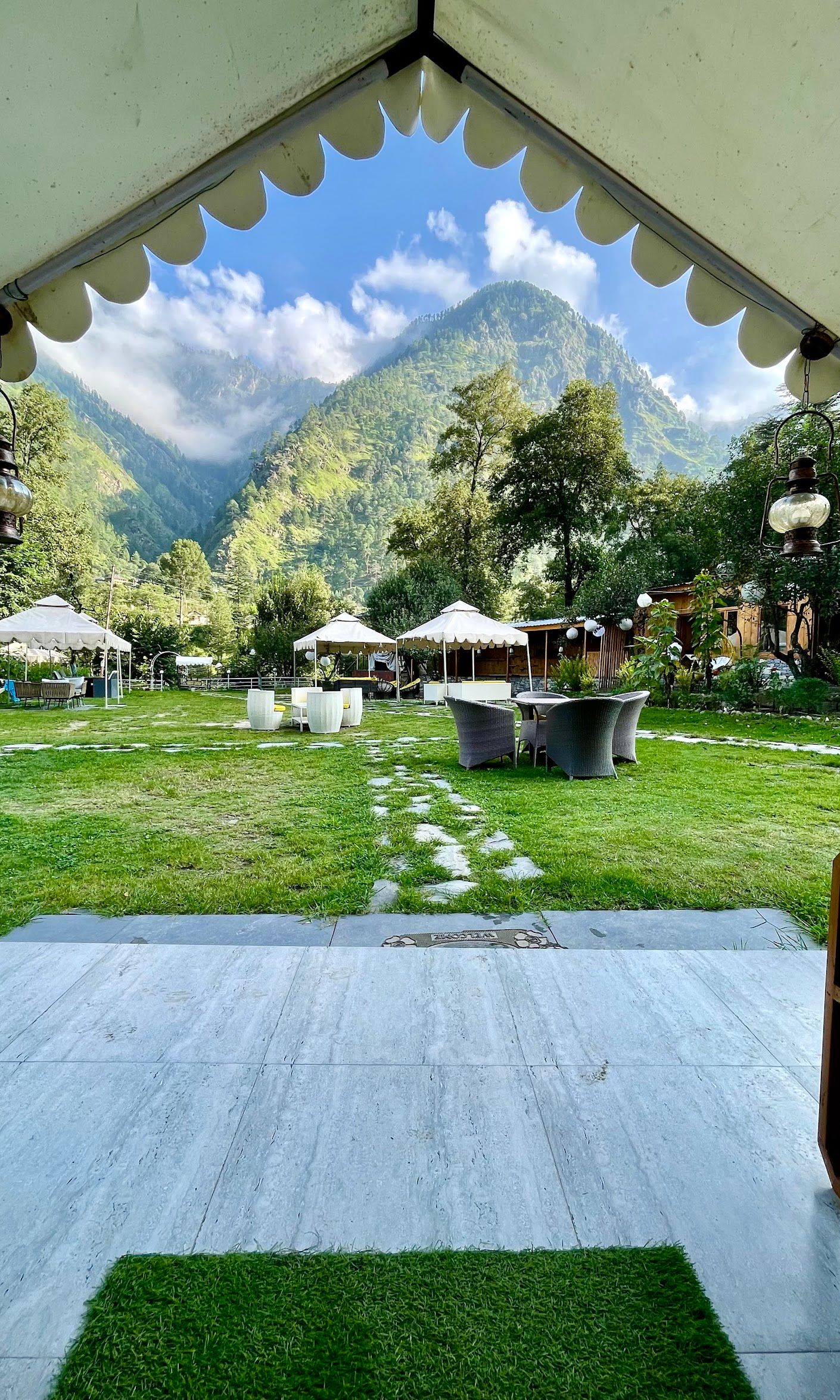
Before starting the ascent or after completing the route, base settlements throughout the Parvati Valley and Kullu provide a wide selection of comfortable options. You can find rustic village homestays, riverside cottages, and managed camps across the valley on HireACamp to rest, recharge, and prepare for your alpine adventure.
Frequently asked questions
Where is Sar Lake located?
Sar Lake is located at high elevation in the Parvati Valley region of the Kullu district in Himachal Pradesh, India.
How difficult is the trek to Sar Lake?
The trek to Sar Lake is considered moderate, featuring multi-day walking through steep forest paths, high meadows, and occasional snow sections that require reasonable physical fitness.
What is the best time of year to trek to Sar Lake?
The ideal time to visit is from May to June for pleasant summer weather and snow crossings, or from September to October for clear skies and crisp mountain views.
Are there permanent hotels or lodges at Sar Lake?
No, there are no permanent buildings or hotels at Sar Lake. Accommodation on the trail is restricted to expedition-style camping in tents.
What should I pack for a trip to Sar Lake?
Essential gear includes sturdy waterproof trekking boots, layered thermal clothing, a windproof and waterproof outer jacket, trekking poles, warm gloves, a headlamp, and water purification tablets.
Where you'll be
Sosan, Kullu, HP · 6 stays nearby shown with prices
Stays near Sar Lake
Book a place to stay close by
More places near Sar Lake
Within 20 km


Built from 0 Instagram posts by 0 creators. Every tip links back to the post it came from, and where creators disagree we show both sides.






