
Pawalgarh
Destination in Uttarakhand
Pawalgarh is a peaceful woodland village nestled in the Kumaon foothills of Nainital district, Uttarakhand. Famous for its rich wildlife heritage and dense sal forests, it draws travellers looking for serene nature retreats, birdwatching excursions, and quiet woodland walks. Located just a short drive from the bustling safari hubs of the Corbett region, it offers an unhurried atmosphere deeply tied to nature.
Getting there
By road
- From Dehradun5 hr 25 min · 250 km
- From New Delhi5 hr 55 min · 258 km
- From Lucknow7 hr 45 min · 428 km
- From Chandigarh9 hr 30 min · 439 km
Typical drive times without traffic. Stations and airports from OLA Maps; distances and typical drive times from OpenStreetMap (© OpenStreetMap contributors); notes from creators' Reels.
About Pawalgarh
Written with AI from map data and general knowledge. Check prices and timings locally before you go.
The Charm and Heritage of Pawalgarh
Pawalgarh sits in the terai-bhabar transition zone where the Himalayan foothills meet the northern plains. The village is enveloped by expansive tracts of mixed deciduous and sal forest, lending it an old-world wilderness atmosphere that has changed very little over the decades. The air here carries the scent of pine and moist earth, especially in the early mornings when mist lingers across the canopy.
The settlement earned legendary fame through the writings of author and naturalist Jim Corbett, who penned the story of the Bachelor of Pawalgarh here. While the region is steeped in colonial-era jungle lore, today Pawalgarh is cherished for quiet conservation rather than trophy hunting. The local communities live alongside the forest margins, maintaining traditional agrarian rhythms that blend farming, cattle rearing, and forestry.
Wildlife and Birdwatching at Pawalgarh
The crown jewel of the area is the Pawalgarh Conservation Reserve, established to safeguard a crucial biodiversity corridor in the Shivalik landscape. Spanning hills, seasonal streams, and dense canopies, the reserve provides sanctuary to Asian elephants, leopards, barking deer, sambar, wild boars, and occasional tigers moving between larger national park sectors.
For birdwatchers, Pawalgarh is one of northern India's premier birding hubs. Over three hundred species have been recorded across the surrounding canopies and riparian corridors. Walking through the forest paths with a field guide often yields sightings of Great Hornbills, emerald doves, kalij pheasants, diverse woodpeckers, and an array of flycatchers. Because parts of the reserve permit guided walking on foot along designated trails, it offers an intimate birding experience that vehicular safaris cannot match.
Read more
Things to Do in and Around the Village
Exploring the outdoors is the central appeal of spending time in Pawalgarh. Nature walks on designated village trails offer a slow, observant way to appreciate forest flora, medicinal plants, and active butterfly populations. During the post-monsoon and winter months, the clear water streams and river channels running through the forest are wonderful spots for nature photography and quiet contemplation.
Visiting the surrounding farmland gives travellers insight into traditional Kumaoni agricultural methods. You can watch local farmers tend to seasonal grain and vegetable crops or step into nearby hamlets to admire classic rural architecture featuring carved wooden doorframes. Evenings in Pawalgarh are remarkably quiet, marked only by the calling of owls, nightjars, and the rustling of forest wildlife in the undergrowth.
Places to Visit Near Pawalgarh
Pawalgarh serves as an excellent base for exploring several prominent cultural and natural landmarks in the immediate area. Just a short drive away lies the Sitavani Landscape and temple, an ancient shrine tucked inside deep forest that is associated with the Ramayana epic. The surrounding Sitavani forest is also celebrated for open safari trails and dramatic canopy landscapes.
A few kilometres further west, the broad expanse of the Kosi River provides wide stony banks where visitors can rest by running water and watch migratory waterbirds. Nearby town outskirts host the impressive Shri Hanuman Dham, an expansive riverside temple complex admired for its intricate architectural design. Beyond these local spots, the prime safari zones of Jim Corbett National Park are easily accessible for dedicated game drives.
Best Time to Visit Pawalgarh
The optimal time to visit Pawalgarh is between October and March. During this period, the days are bright, clear, and cool, while nights can become crisp and chilly. Winter also brings a significant influx of migratory birds from higher Himalayan elevations and Central Asia, making it the finest season for photography and walking tours.
Spring and early summer, from April to June, bring warmer daytime temperatures, but this season is especially rewarding for wildlife tracking as animals congregate near shrinking waterholes. The monsoon season, stretching from July through September, transforms the surrounding woods into a lush, vivid green paradise. However, heavy rains can make forest trails muddy and cause riverbeds to swell, so outdoor walking during these months requires extra care.
How to Reach Pawalgarh
Pawalgarh is located in the Nainital district of Uttarakhand, very close to the gateway town of Ramnagar. If you are travelling by train, Ramnagar railway station is the nearest terminal and has direct rail links to Delhi and other major northern cities. Kathgodam railway station is another convenient rail hub within reasonable driving distance.
Travellers arriving by air can fly to Pantnagar Airport, after which local taxis are available for the scenic drive up toward the foothills. Road connectivity from New Delhi and neighbouring states is straightforward via Moradabad, Kashipur, and Ramnagar, taking approximately five to six hours by car under typical traffic conditions.
Where to Stay in Pawalgarh
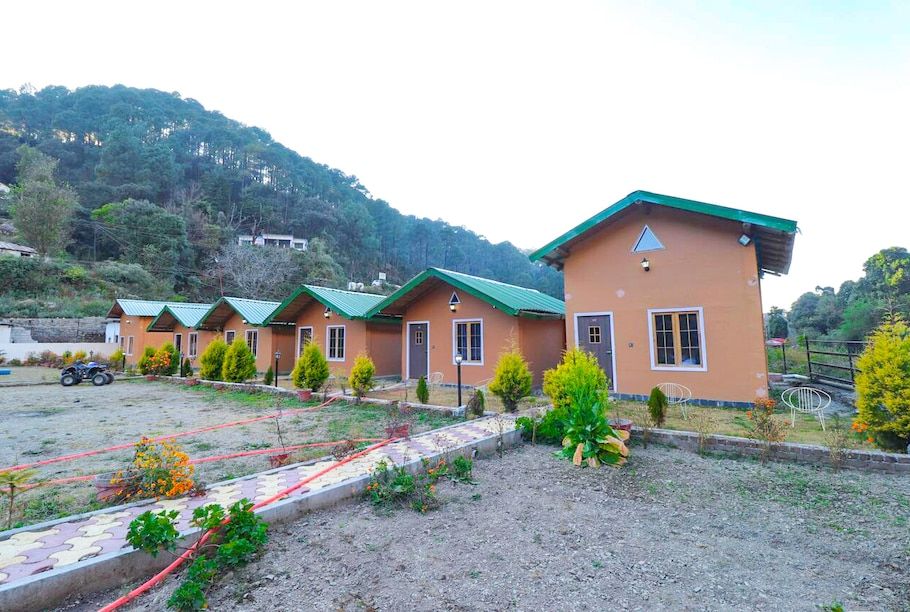
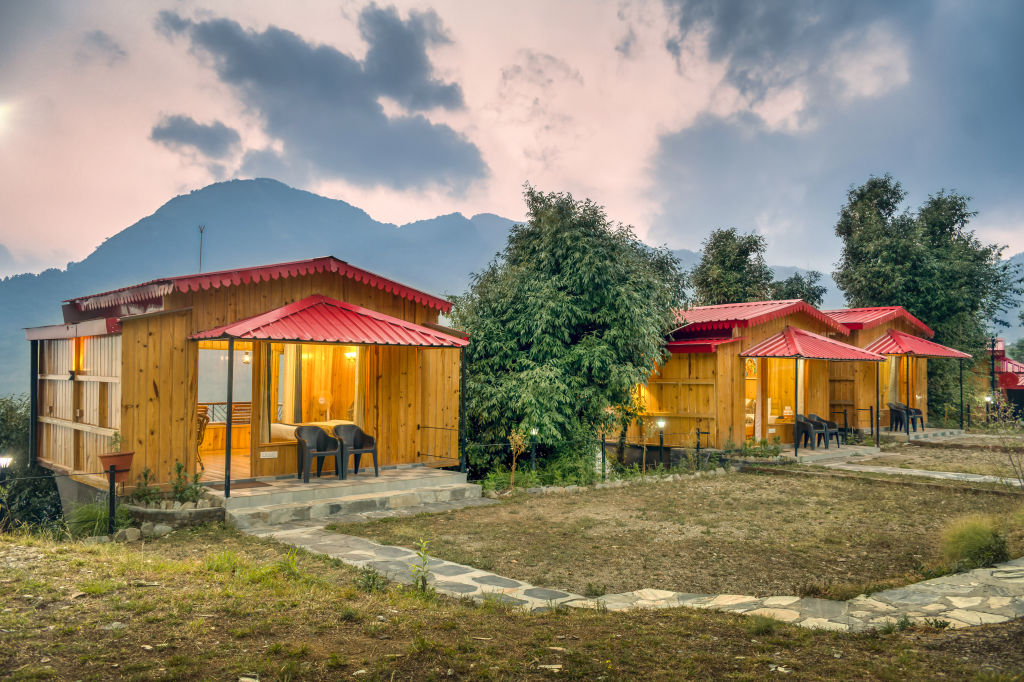
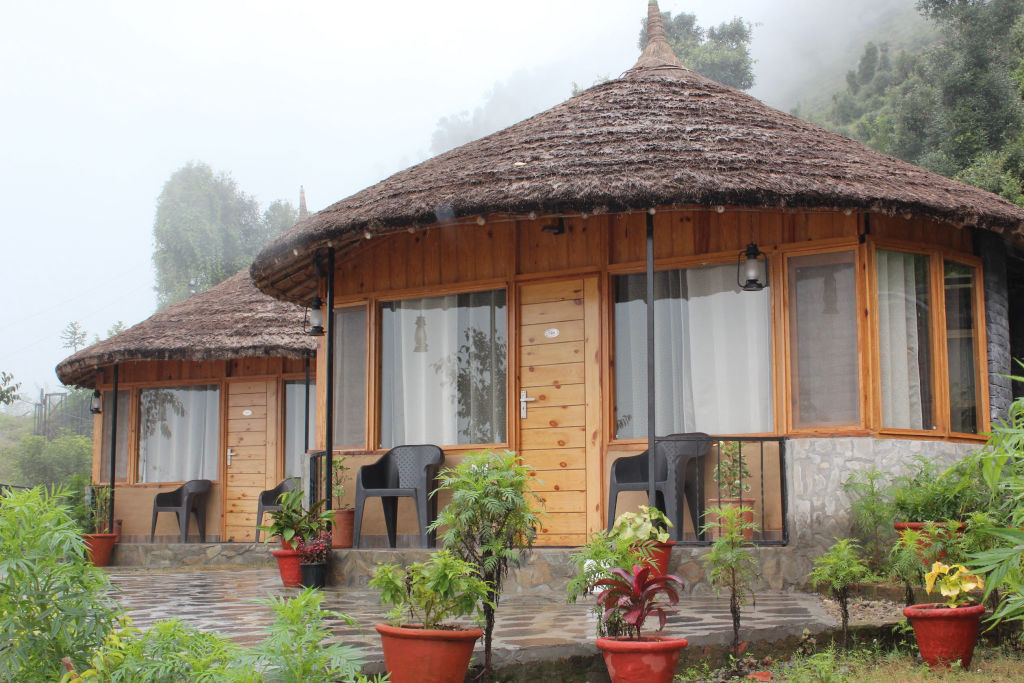
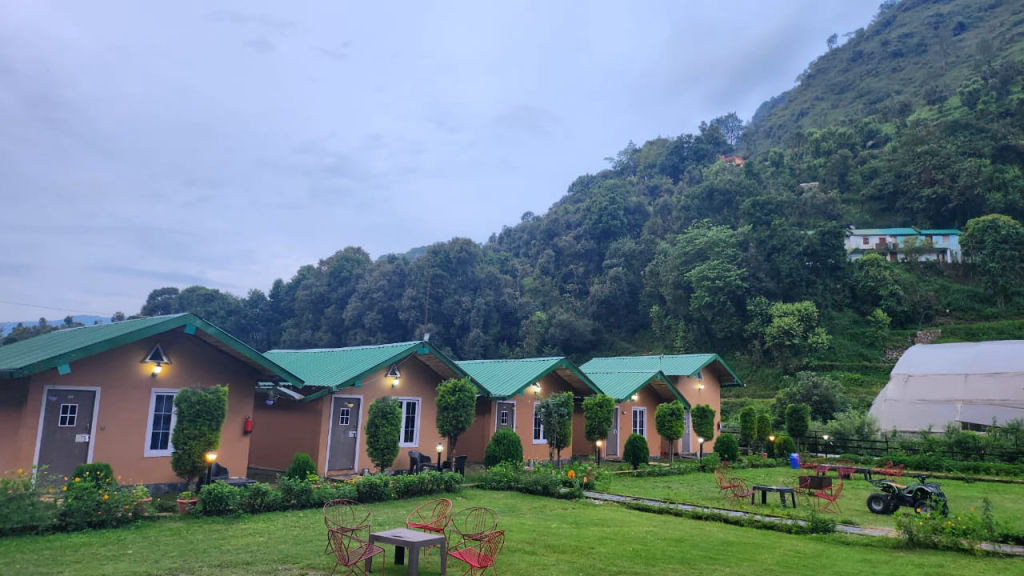
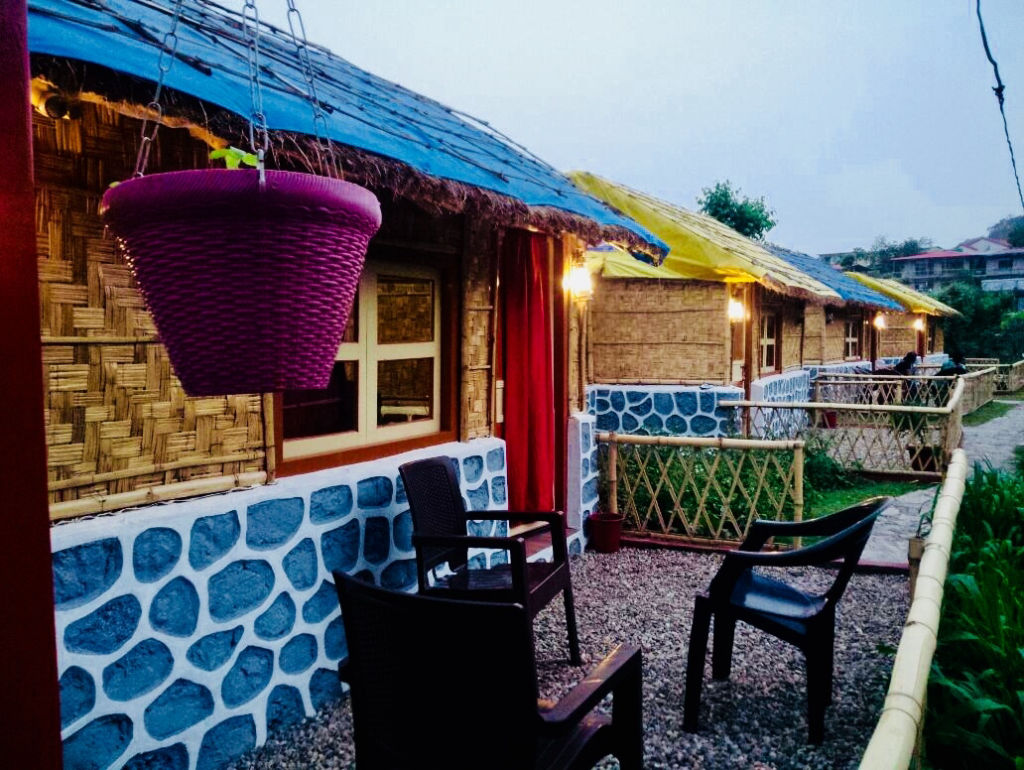
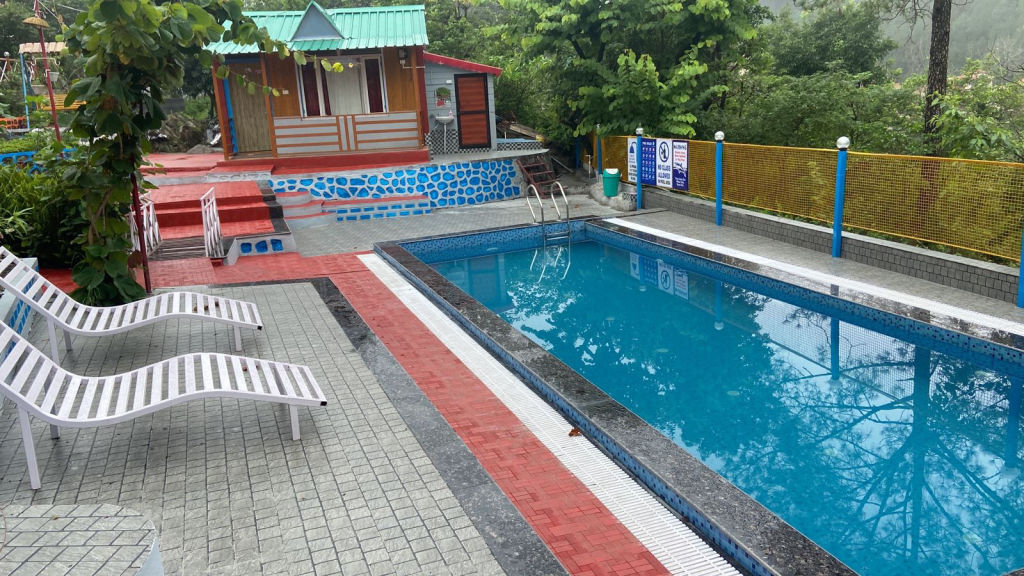
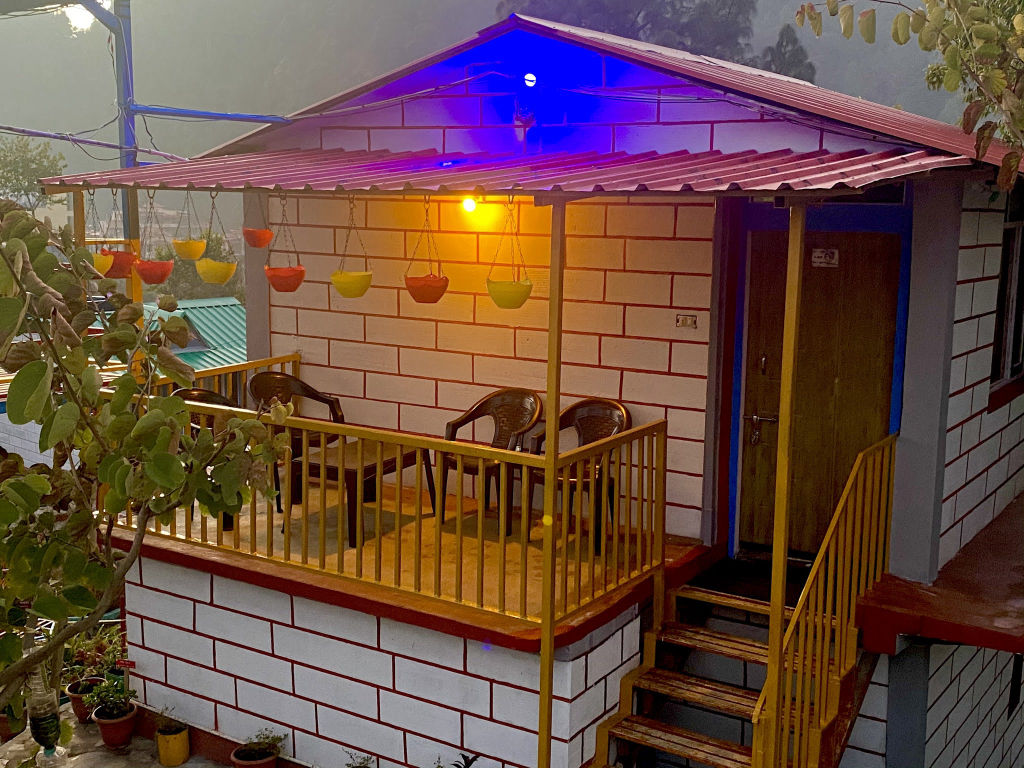
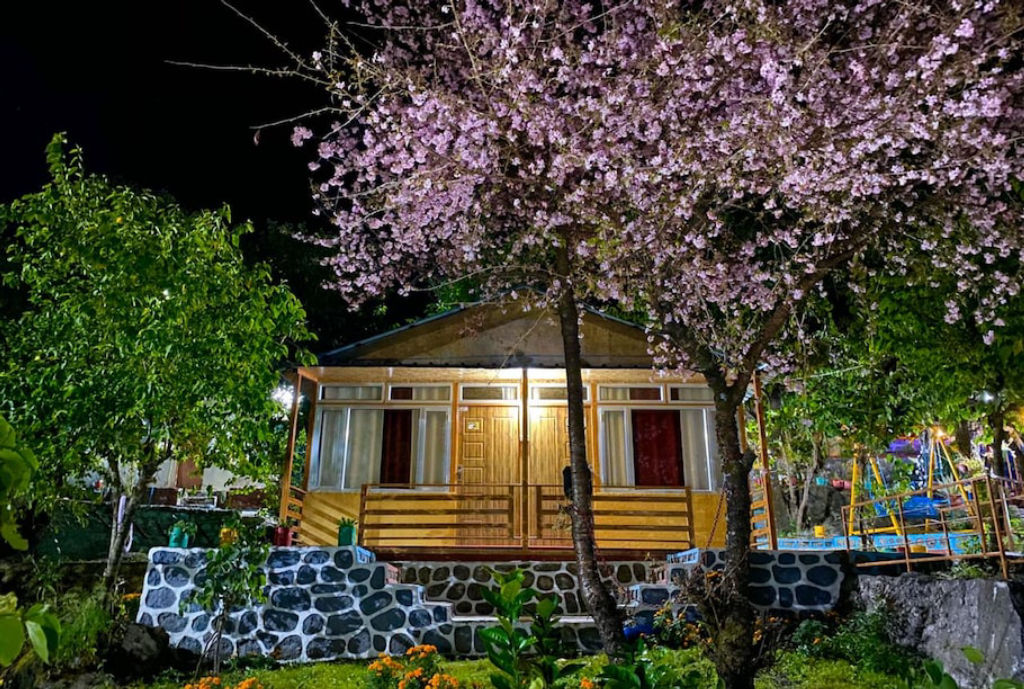
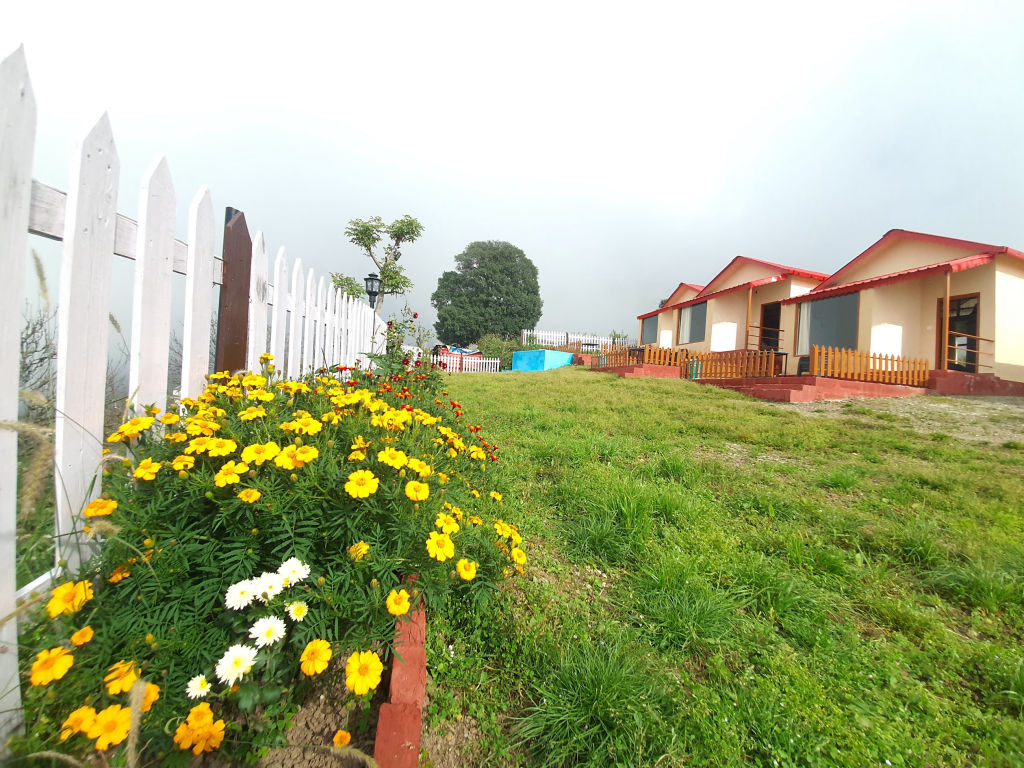
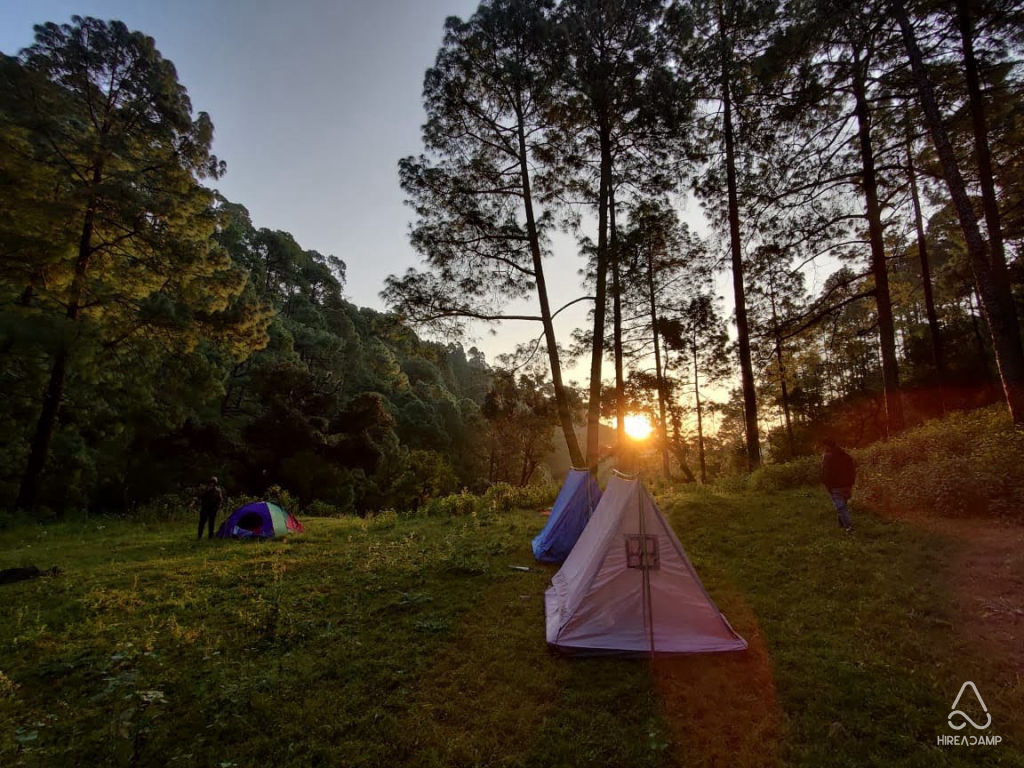
Accommodations around Pawalgarh are geared toward quiet, nature-focused stays rather than noisy commercial resort experiences. Travellers can choose from wilderness campsites, sustainable eco-cottages, and welcoming local homestays located along the forest edge.
Staying in a homestay provides an authentic taste of local hospitality and home-cooked Kumaoni cuisine, while local tented camps let you fall asleep to the sounds of the night forest. You can explore and book a curated selection of homestays, wilderness camps, and nature stays in and around Pawalgarh on HireACamp.
Frequently asked questions
What is Pawalgarh famous for?
Pawalgarh is famous for its rich birdlife, expansive sal forests, the Pawalgarh Conservation Reserve, and its historical association with naturalist Jim Corbett.
Can you do walking safaris in Pawalgarh?
Yes, unlike core national parks that mandate closed vehicles, certain sections and peripheral trails around Pawalgarh allow guided birding and nature walks on foot.
What is the nearest railway station to Pawalgarh?
Ramnagar railway station is the closest railhead to Pawalgarh, located roughly a short twenty to thirty minute drive away.
What should I pack for a trip to Pawalgarh?
Pack sturdy walking shoes, neutral-coloured clothing suitable for the forest, a good pair of binoculars, a camera, and warm layers if visiting during the cold winter months.
Where you'll be
12 stays nearby shown with prices
Stays near Pawalgarh
Book a place to stay close by

Things to do in Pawalgarh
47 places creators recommend within 30 km
Built from 0 Instagram posts by 0 creators. Every tip links back to the post it came from, and where creators disagree we show both sides.






