
Sitavani Temple
Temple near Pawalgarh, Uttarakhand
5.6 km from Pawalgarh
The nearest town, for stays, food and fuel.
Sitavani Temple is an ancient forest shrine located in the Mailani Range near Pawalgarh in Uttarakhand. Set deep within dense Sal woodlands on the periphery of the Corbett landscape, it holds immense mythological importance as the legendary hermitage where Goddess Sita spent her exile. Travellers visit to seek blessings, immerse themselves in deep mythological heritage, and experience the quiet wilderness of the Kumaon foothills.
Getting there
By road
- From PawalgarhNearest town37 min · 12 km
- From Dehradun5 hr 45 min · 255 km
- From New Delhi6 hr 25 min · 269 km
- From Chandigarh9 hr 55 min · 444 km
Typical drive times without traffic. Stations and airports from OLA Maps; distances and typical drive times from OpenStreetMap (© OpenStreetMap contributors); notes from creators' Reels.
About Sitavani Temple
Written with AI from map data and general knowledge. Check prices and timings locally before you go.
About Sitavani Temple
Sitavani Temple stands amidst the thick jungle canopy of the Mailani Range, closely bordering the Jim Corbett landscape. According to regional lore and Hindu epics, this serene woodland is believed to be the place where Goddess Sita found sanctuary in the hermitage of Sage Valmiki during her days of exile. It is also revered as the birthplace of her twin sons, Luv and Kush. As a consequence, the surrounding forest carries sacred status among local villagers and pilgrims who have revered the grounds for centuries.
The temple itself is an unpretentious sanctuary cradled by ancient trees, seasonal streams, and the rich wilderness of the Shivalik foothills. While the forest tract is managed under local forestry and conservation oversight, the atmosphere around the shrine remains peaceful and deeply rooted in ritual traditions. Unlike mainstream tourist spots, Sitavani offers an introspective environment where the rustle of dry leaves and the calls of forest birds accompany the quiet chanting of prayers.
The Forest Landscape and Wildlife
The area surrounding Sitavani Temple falls within a critical wildlife corridor and buffer zone for regional megafauna. Towering Sal, Rohini, and Sheesham trees dominate the upper canopy, while bamboo thickets and leafy undergrowth line the forest paths. The soil here is nurtured by freshwater springs and natural rivulets that crisscross the hilly terrain, providing vital sustenance to the creatures that call this habitat home.
Because this forest is contiguous with the broader Corbett ecosystem, wildlife sightings are quite common in the surrounding reserve tracts. Deer species such as chital and sambar graze in the clearings, while langurs leap through the branches. The zone is also famous among naturalists for its diverse avifauna, housing hornbills, flycatchers, parakeets, woodpeckers, and several migratory bird species during the colder months. Even though the temple area is frequented by worshippers, visitors are always reminded that they are sharing space with wild animals, including leopards and wild elephants.
Read more
Best Time to Visit Sitavani Temple
The optimal period to visit Sitavani Temple is between October and March. During these autumn and winter months, the weather in the Pawalgarh foothills is cool, dry, and invigorating. Daytime temperatures remain pleasant for forest walks and shrine visits, while mornings and evenings bring a crisp mountain chill that adds to the charm of being out in nature.
Spring, spanning March and April, is another lovely time when the forest bursts into blossom and bird activity peaks. Summers, running from May to June, can get quite warm during midday, though the thick canopy provides ample shade. The monsoon season from July to September brings intense rainfall to Uttarakhand, transforming the forest into a vibrant green landscape but also making forest tracks muddy and difficult to navigate. If you travel during the rains, it is wise to verify the condition of local dirt roads before heading into the reserve.
How to Reach Sitavani Temple
Sitavani Temple is situated in the Mailani Range near the small town of Pawalgarh in the Nainital district of Uttarakhand. The nearest major railhead is at Ramnagar, which is well-connected by regular trains to Delhi, Moradabad, and other parts of northern India. From Ramnagar, one can hire local taxis or take shared vehicles toward Pawalgarh, after which forest tracks lead into the reserve.
For air travellers, the closest airport is Pantnagar Airport, located approximately two to three hours away by road. Alternatively, the Indira Gandhi International Airport in Delhi serves as the primary international gateway, from which a road journey takes roughly six to seven hours across highway stretches leading toward Kashipur and Ramnagar. Reaching the temple involves driving on unpaved forest paths, so a vehicle with good ground clearance is strongly recommended.
Tips for Your Visit
Because Sitavani Temple is situated inside a sensitive forest range, it is vital to travel responsibly. Dress modestly out of respect for the shrine and wear earth-toned clothing like greens, browns, and khakis to avoid disturbing forest wildlife. Sturdy footwear is helpful, as the terrain around the temple includes rough soil, gravel paths, and exposed tree roots.
Always plan your excursion during daylight hours and aim to leave the forest well before dusk, as wild animals become more active after sunset. Carry adequate drinking water and light refreshments, but be strictly mindful of waste. Do not litter, avoid carrying single-use plastic, and pack all your garbage back to town for proper disposal. Respect the sanctity of the sanctum by keeping noise levels down and following any guidelines shared by local custodians and forest rangers.
Places to Visit Nearby
Travellers visiting Sitavani Temple have plenty of natural and cultural landmarks to explore across the surrounding region. The Pawalgarh Conservation Reserve is celebrated for its lush greenery and quiet birding trails, making it an excellent stop for naturalists seeking uncrowded forest views. Further west, the vast grasslands, dense forests, and river valleys of the Jim Corbett National Park landscape offer exceptional opportunities to witness diverse ecosystems.
For heritage enthusiasts and pilgrims, Shri Hanuman Dham offers a peaceful temple experience marked by traditional North Indian architecture along the banks of the Kosi River. Nature lovers can also venture toward the surrounding Shivalik ridges, where scenic stops like Sariyatal Lake and the forest trails leading up toward Nainital provide cooler breezes and sweeping valley vistas.
Where to Stay around Sitavani
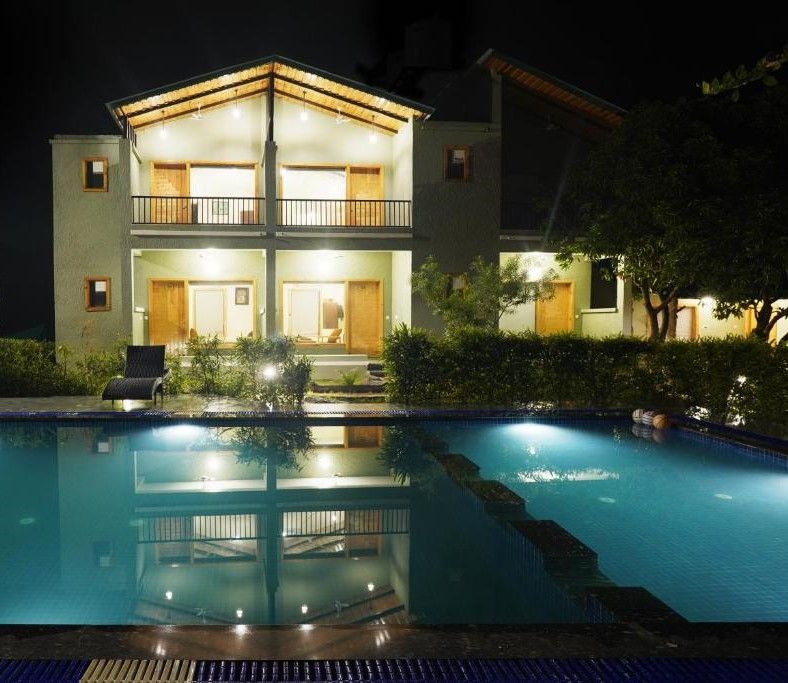
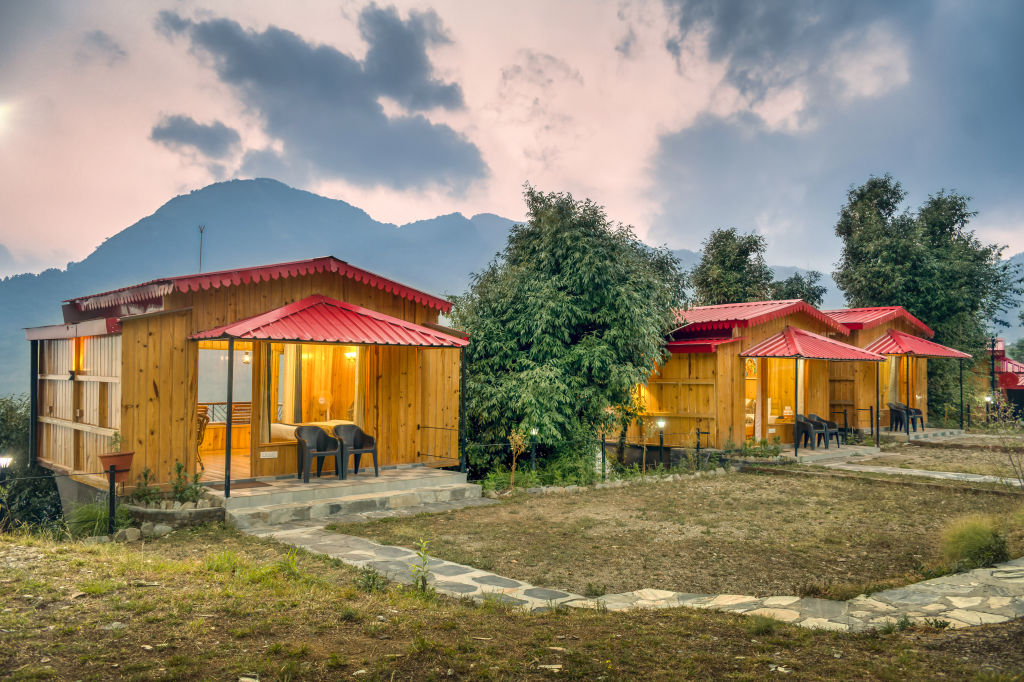
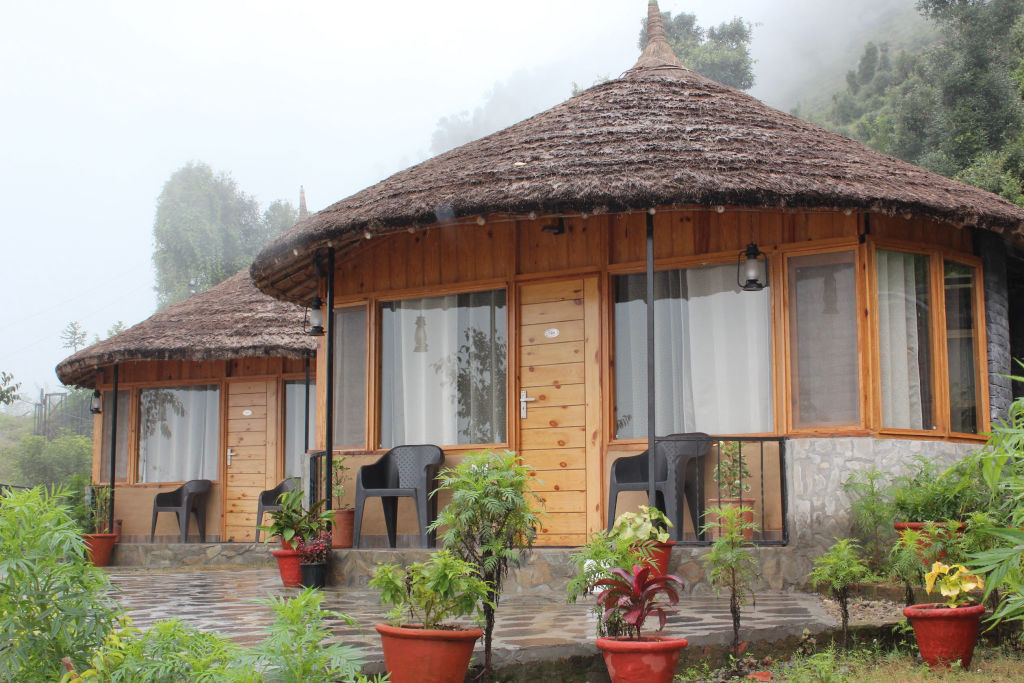
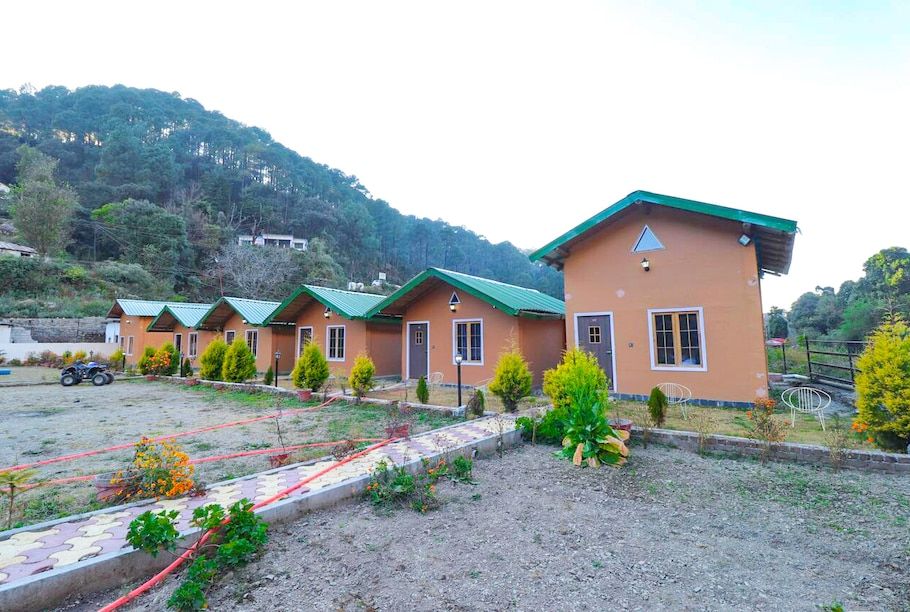
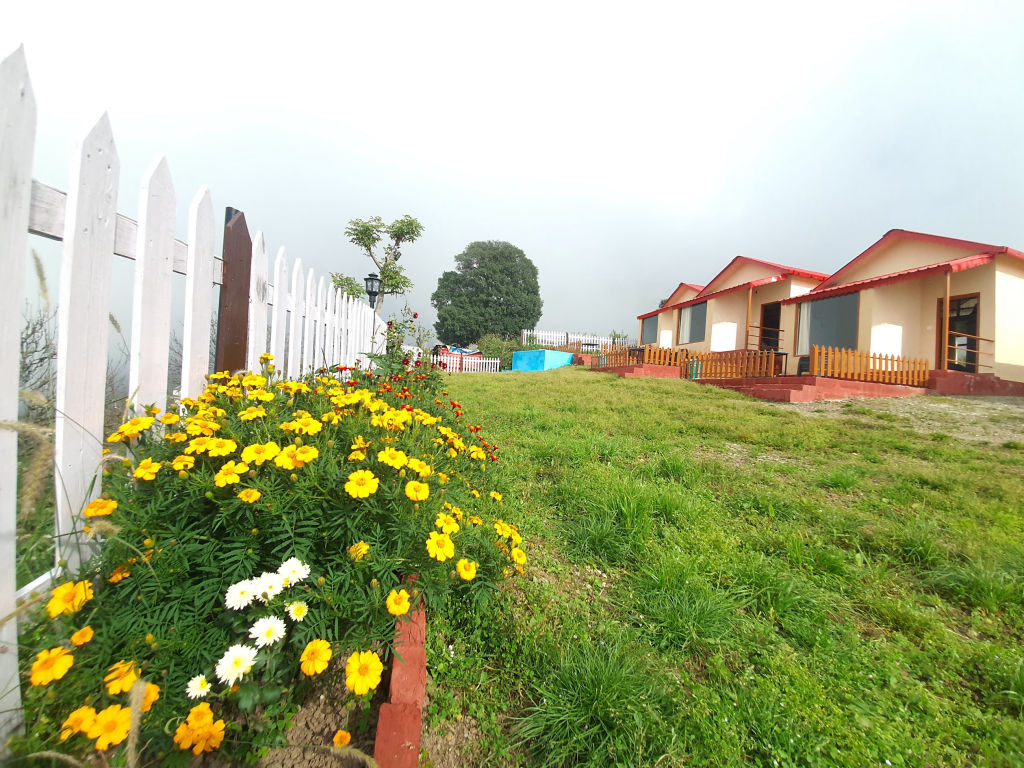
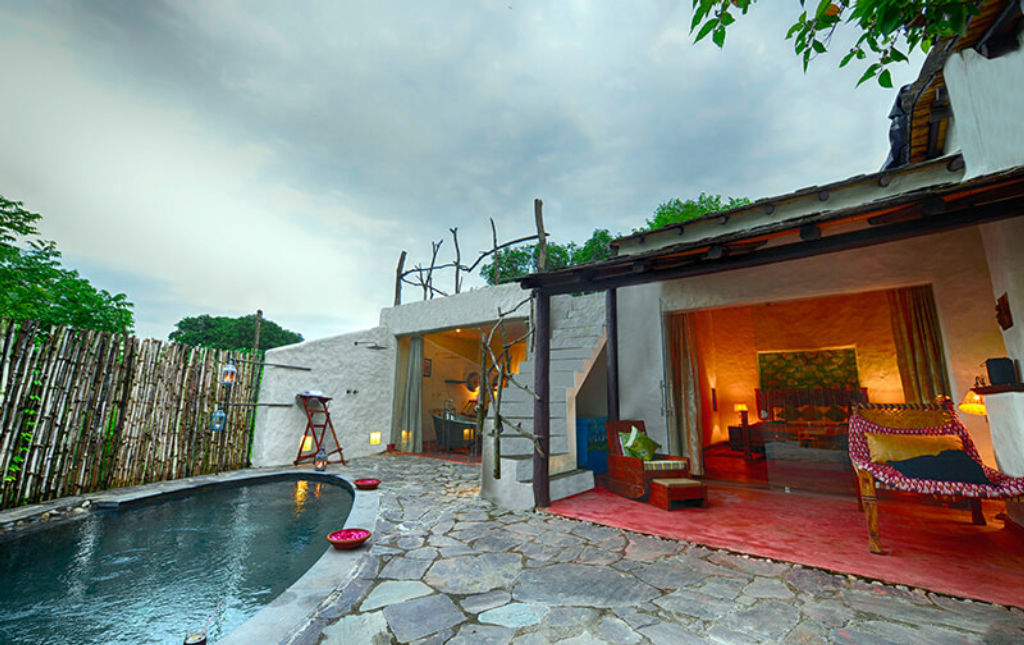
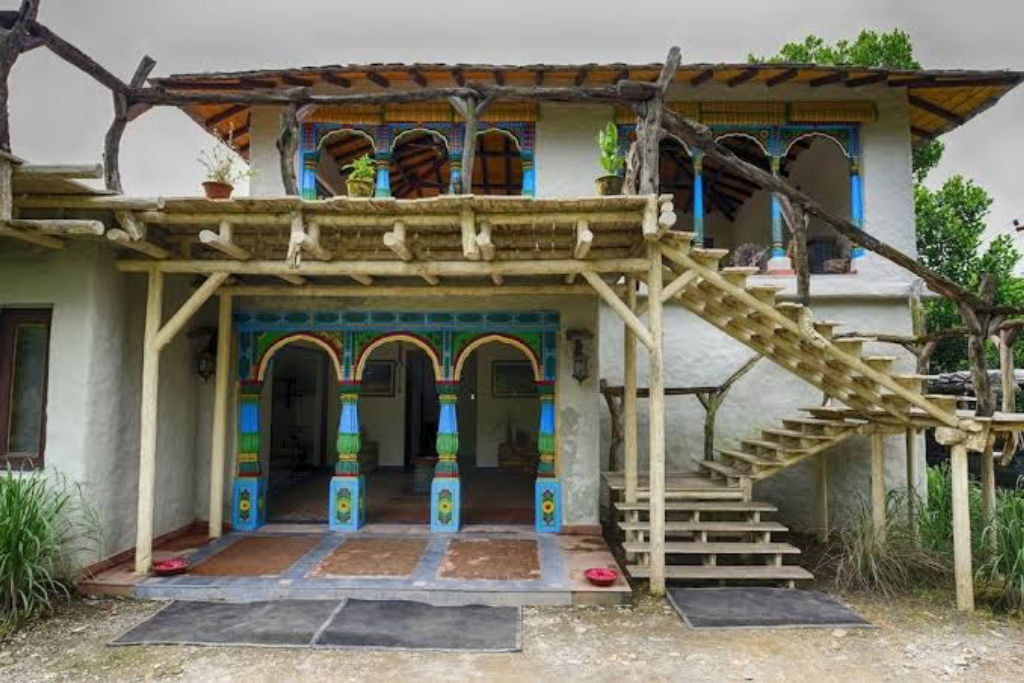
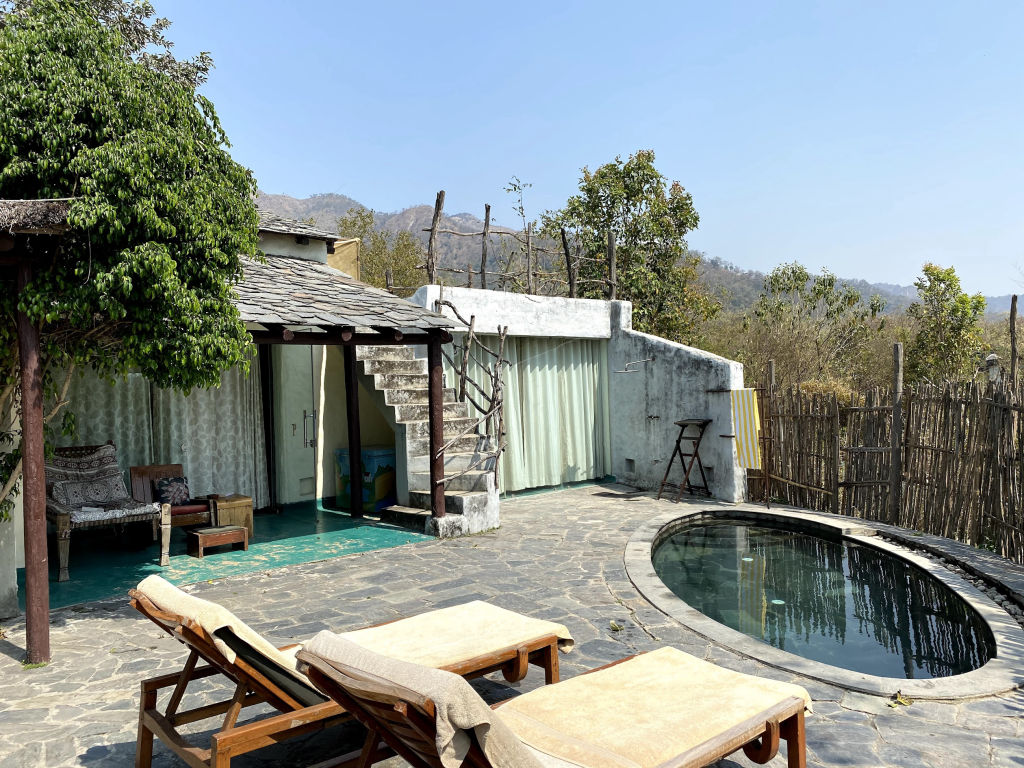
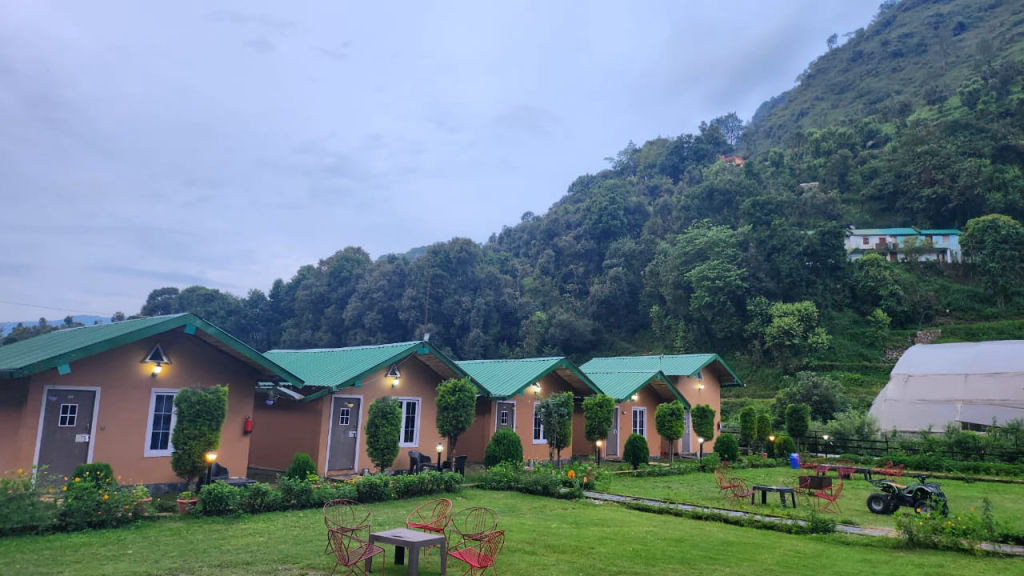
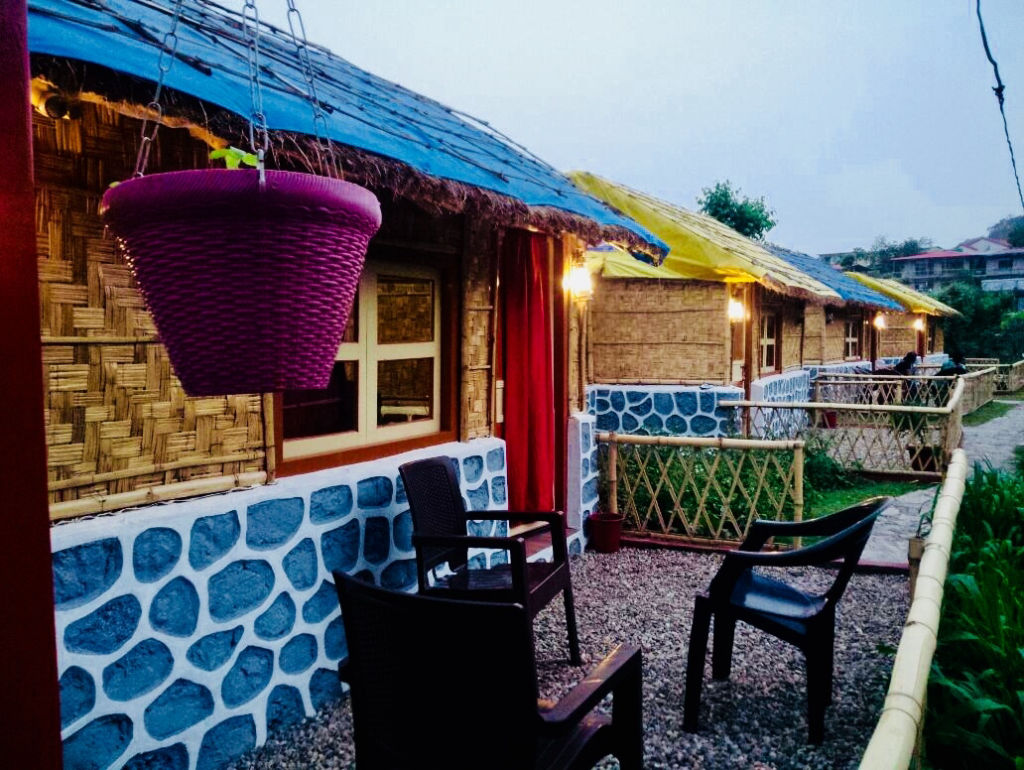
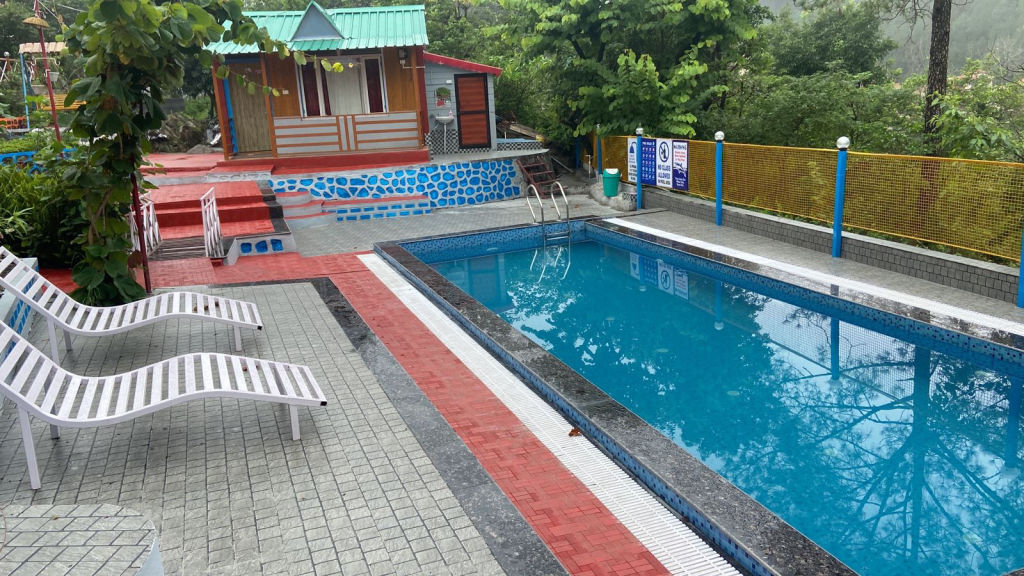
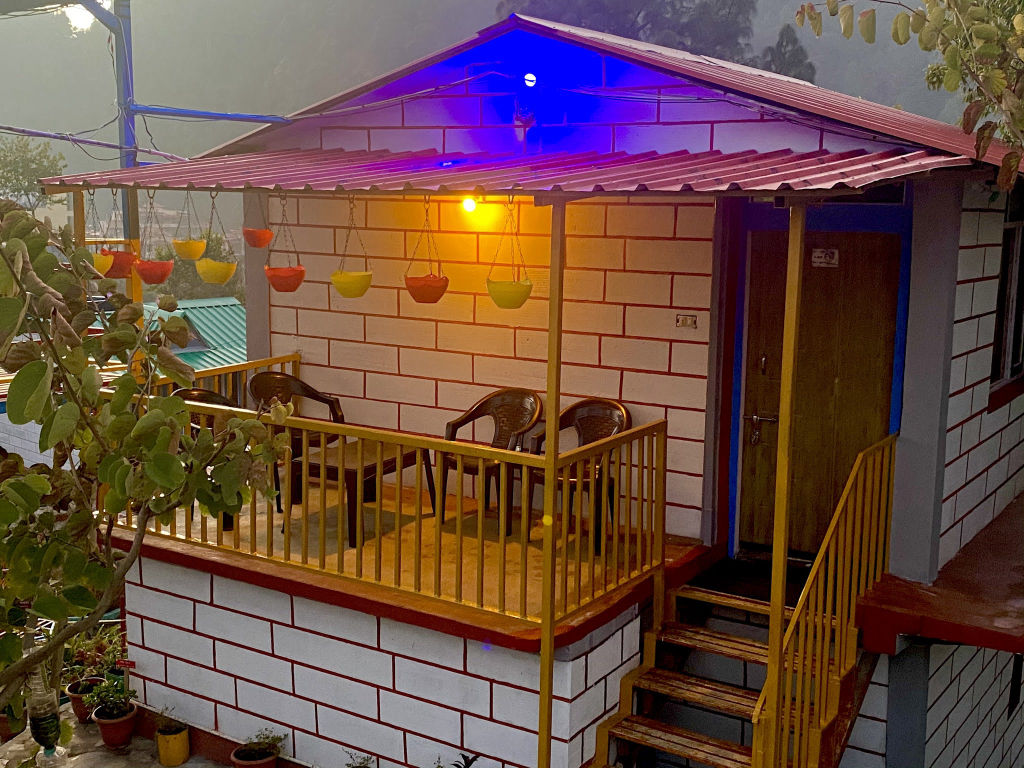
The region bordering the Pawalgarh and Corbett reserves features a variety of peaceful countryside accommodations. Rather than large commercial centers, the area is known for serene forest cottages, rural homestays, and riverside outdoor sites that allow travellers to wake up to birdsong and mountain air.
If you are searching for experiential stays, nature camps, or traditional homestays run by welcoming local families, you can discover verified accommodations in and around Pawalgarh on HireACamp. Staying close to the reserve allows you to easily arrange morning visits to Sitavani Temple while immersing yourself fully in the stillness of the Kumaon wilderness.
Frequently asked questions
What is the mythological significance of Sitavani Temple?
Sitavani Temple is believed to be situated at the hermitage of Sage Valmiki where Goddess Sita resided during her exile and gave birth to Luv and Kush.
Can I visit Sitavani Temple throughout the year?
The temple is accessible for most of the year, but the winter months from October to March offer the most pleasant weather. The monsoon season brings heavy showers that can make dirt forest roads challenging.
Is it safe to travel to Sitavani Temple given the wildlife?
It is generally safe during daylight hours if you stay on marked tracks and respect forest guidelines. Travellers should always exit the forest before nightfall since wild animals roam the reserve.
What kind of vehicle is needed to reach Sitavani Temple?
Because the final stretch involves driving over forest tracks with uneven surfaces, a sturdy vehicle with good ground clearance or a local four-wheel-drive taxi is recommended.
Where can I book stays near Sitavani Temple?
You can explore and book nature retreats, village homestays, and outdoor camps around Pawalgarh on HireACamp.
Where you'll be
Mailani Range, Pawalgarh, UT · 12 stays nearby shown with prices
Stays near Sitavani Temple
Book a place to stay close by
More places near Sitavani Temple
Within 20 km
Built from 0 Instagram posts by 0 creators. Every tip links back to the post it came from, and where creators disagree we show both sides.






