
Qila Lal Kot
Fort near Mehrauli, Delhi
1.1 km from Mehrauli
The nearest town, for stays, food and fuel.
Qila Lal Kot is an ancient fortified citadel located in the Mehrauli area of South Delhi, recognized as the earliest defense structure of historic Delhi. Founded by the Tomara Rajputs and later expanded under subsequent rulers, its surviving quartzite ramparts snake through the ridge forest near Saiyad-ul-ajaib and the Qutb complex. Travellers and heritage enthusiasts visit to explore Delhi's foundational stone fortifications, walk scenic ridge trails, and experience centuries of layered urban history away from crowded tourist circuits.
Getting there
By road
- From MehrauliNearest town6 min · 1.5 km
- From New Delhi36 min · 13 km
- From Dehradun3 hr 40 min · 239 km
- From Jaipur4 hr 25 min · 289 km
Typical drive times without traffic. Stations and airports from OLA Maps; distances and typical drive times from OpenStreetMap (© OpenStreetMap contributors); notes from creators' Reels.
About Qila Lal Kot
Written with AI from map data and general knowledge. Check prices and timings locally before you go.
History and significance of Qila Lal Kot
Qila Lal Kot occupies a foundational place in the chronological story of Delhi. Constructed in the eleventh century under the Tomara Rajput king Anangpal II, it is widely considered by historians and archaeologists to be the first fortified city of Delhi. The name translates to Red Fort, reflecting the native red-tinted quartzite stone quarried directly from the rocky Aravalli Ridge to build its massive walls. During this early medieval period, the fort served as the administrative core and military citadel protecting the kingdom's northern holdings.
In the late twelfth century, the Chahamana ruler Prithviraj Chauhan expanded Lal Kot into a significantly larger defensive circuit traditionally referred to as Qila Rai Pithora. Following the establishment of the Delhi Sultanate, the citadel formed the defensive perimeter within which early Islamic monuments like the Quwwat-ul-Islam mosque and the Qutab Minar were raised. The weathered bastions and broken curtain walls of Qila Lal Kot represent a rare tangible link to the pre-Sultanate foundations of the capital.
The landscape and surviving ramparts
The remnants of Qila Lal Kot are closely intertwined with the natural topography of the Southern Ridge, particularly within the forest zone of Sanjay Van and adjacent Mehrauli archaeological tracts. Unlike later imperial fortifications marked by dressed sandstone or marble palaces, Lal Kot is characterized by heavy, roughly hewn quartzite blocks assembled in dry-stone masonry or bonded with rudimentary lime mortar. The original builders positioned circular and semi-circular bastions at strategic points along the natural contours of the ridge to maximize visibility and defensive strength.
Over centuries of weathering, native vegetation has claimed portions of the stonework. Sturdy scrub, babool, dhak, and hardy desert bushes push out between joint gaps, creating an evocative blend of architecture and ecology. The elevation of the ridge still provides clear vantage points across swathes of green canopy and the southern urban landscape, giving visitors a sense of how the fort once commanded the plains below.
Read more
Walking the trails around Qila Lal Kot
A visit to Qila Lal Kot is predominantly an outdoor walking experience rather than a formal museum tour. Trails weave through the Sanjay Van wilderness and along the fringes of Mehrauli, leading walkers along the base and occasionally the crest of the surviving stone ramparts. Some trail segments follow elevated ridge paths where the stones have been worn smooth by generations of footfalls, offering open vistas through tree canopies.
The forested setting makes the area a favorite retreat for birdwatchers, casual hikers, and history enthusiasts looking for quiet exploration. The surrounding scrub forest shelters numerous resident birds, including peacocks, grey francolins, parakeets, and various seasonal winter migrants. Because these trails follow natural forest paths, visitors should expect uneven dirt tracks, rocky steps, and occasional inclines along the ancient walls.
Best time to visit Qila Lal Kot
The most comfortable time to explore Qila Lal Kot is during the cooler months from October to March. During Delhi's autumn, winter, and early spring, daytime temperatures remain moderate and pleasant for extended walks in the open air. Winter mornings are particularly appealing, when light mist drifts through the acacia trees and softens the ancient stone masonry before burning off into bright sunshine.
The summer months between April and June bring intense heat, with midday temperatures regularly climbing past forty degrees Celsius, making trekking across unshaded stone ramparts physically taxing. The monsoon season from July to September revitalizes the scrub forest, covering the ridge in lush greenery and filling temporary rainwater pools. However, monsoon showers can make the unpaved earth slippery and muddy, so waterproof footwear with good traction is essential if exploring after rainfall.
How to reach Qila Lal Kot
Qila Lal Kot is located in South Delhi, adjacent to the historic Mehrauli quarter and the village area of Saiyad-ul-ajaib. The site is easily reached from anywhere in the National Capital Region by road or the Delhi Metro network. The nearest metro stations are situated on the Yellow Line, including Qutab Minar station and Saket station. From either station, short rides by auto-rickshaw or taxi can deposit visitors near the forest access points and historical gates.
For visitors driving from central Delhi hubs like Connaught Place, the journey typically takes roughly forty-five minutes to an hour under normal road conditions. Access to the fortifications is usually obtained through designated gates around Sanjay Van or through access trails leading off the Mehrauli Archaeological Park. Parking facilities are available near the primary public park gates and nearby heritage precincts.
Tips for exploring the ruins
Because Qila Lal Kot lies within semi-wild parkland and forest reserve areas, coming prepared makes for a much safer and more rewarding outing. Wear comfortable closed-toe walking shoes or light hiking shoes that can handle loose gravel, uneven stone blocks, and dirt paths. Full-length pants are helpful for keeping off thorny shrubs and brush along the narrower footpaths.
Carry adequate drinking water, a hat, and sun protection, as there are no vendor stalls once you step deep onto the ridge trails. Visitors are advised to explore during daylight hours and plan their departure before sundown, as the wooded paths do not have artificial lighting. Always check locally for current access hours, gate openings, and any specific entry rules before beginning your walk.
Places to visit nearby
A walk along Qila Lal Kot can easily be expanded into a full-day heritage excursion given its proximity to numerous historic and cultural sites. Just one kilometre away stands the Qutab Minar complex, renowned for its towering red sandstone minaret, ancient iron pillar, and early Sultanate architecture. Immediately adjacent lies the Mehrauli Archaeological Park, where visitors can discover medieval stepwells, tombs, and the ornate Jamali Kamali mosque.
Two kilometres away is The Garden of Five Senses, an artistic public park designed with thematic gardens, walking avenues, and outdoor sculptures. A short drive north brings you to the medieval ruins of Hauz Khas Fort, overlooking a historic water reservoir, while farther into central South Delhi you can reach the grand tomb gardens of Safdarjung Tomb and Lodhi Garden.
Where to stay
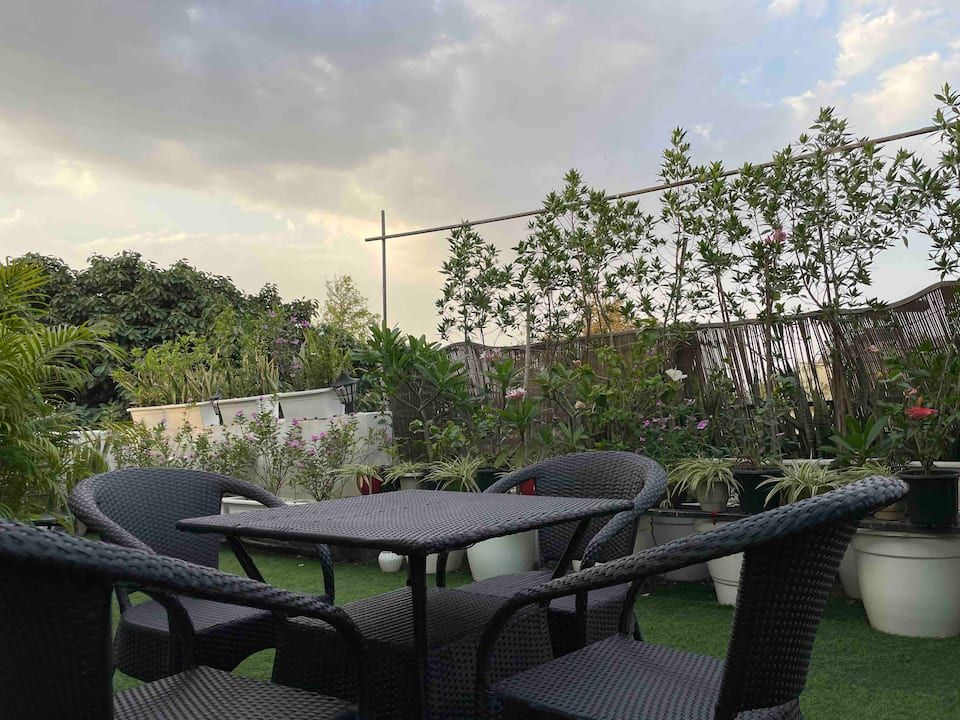
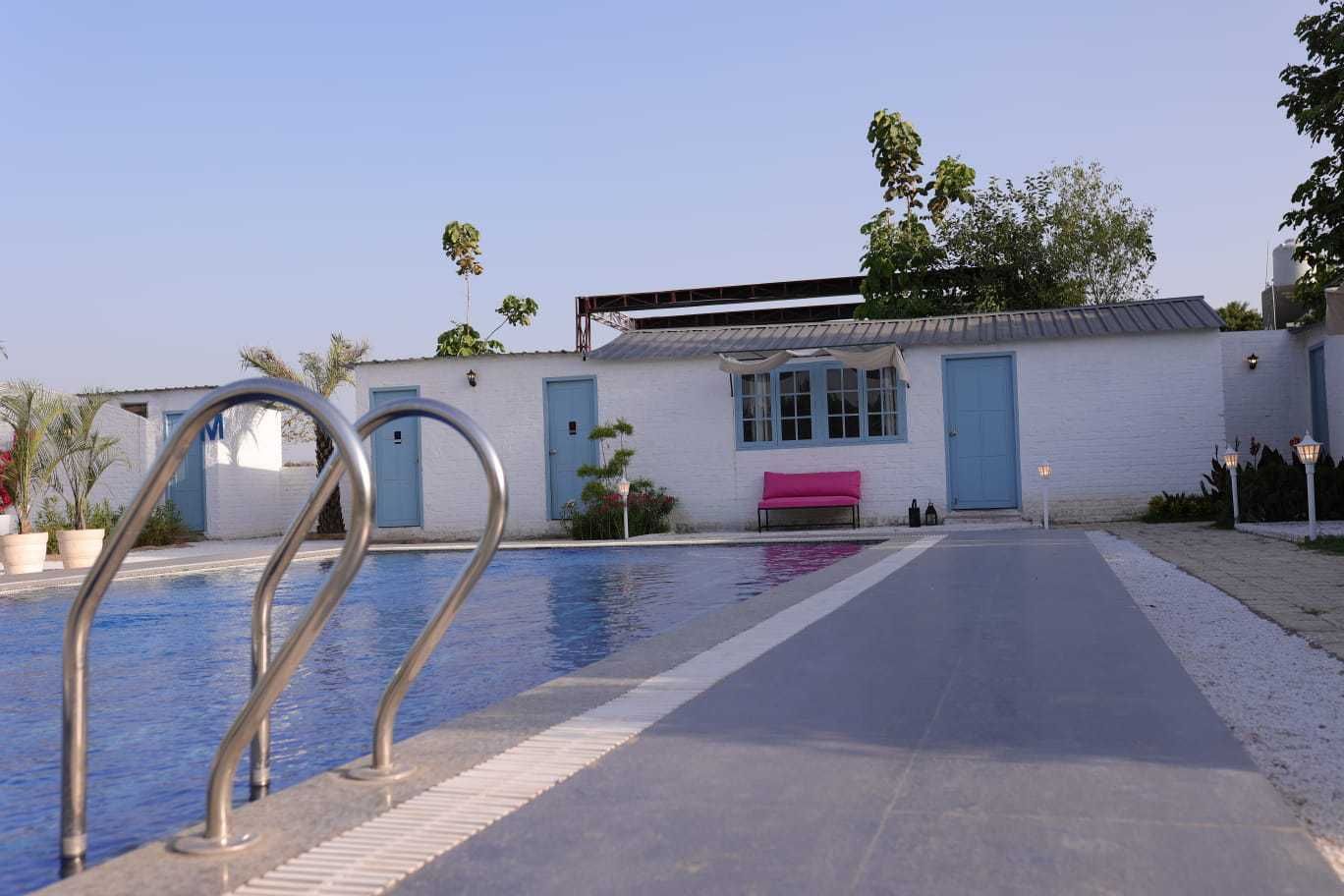
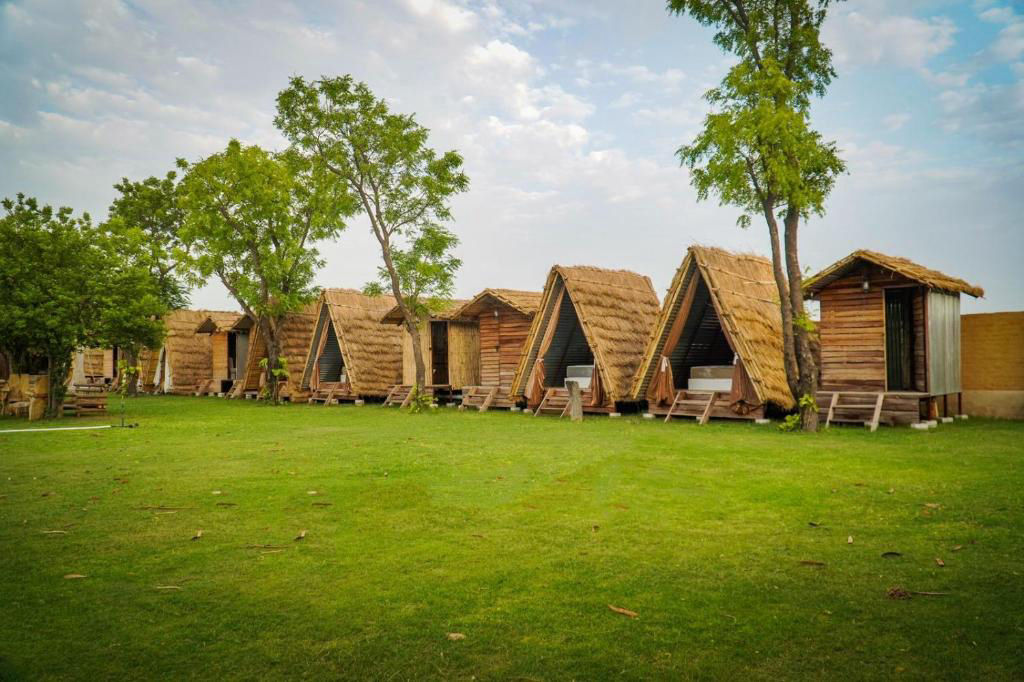
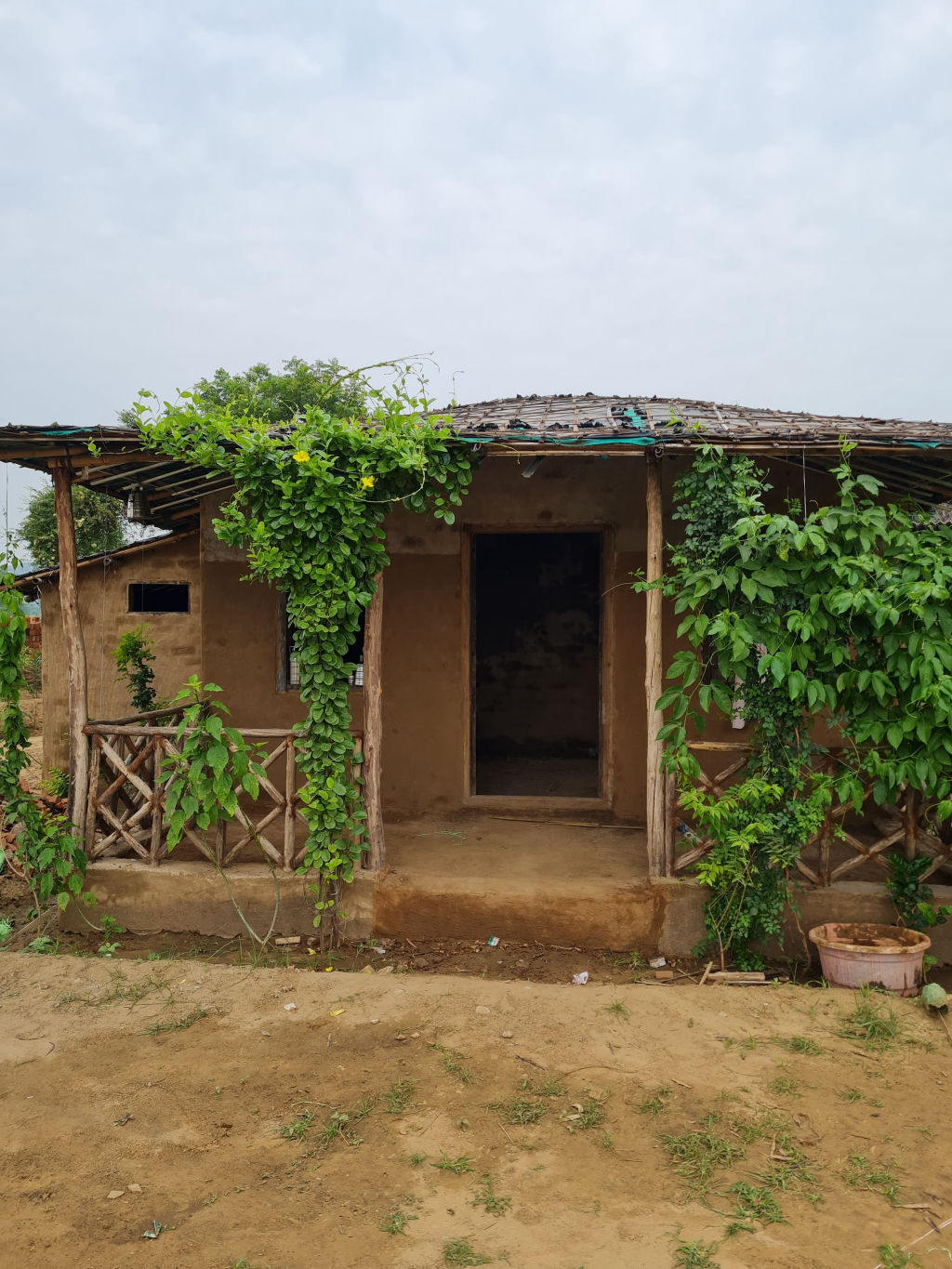
Travelers who want to explore South Delhi's heritage at a relaxed pace have a wide selection of accommodation choices in and around the southern neighborhoods. The area features quiet residential guesthouses, serviced apartments, and homestays that provide an authentic look at local city life while remaining close to major metro corridors.
If you are searching for comfortable homestays, nature retreats on the outskirts of the capital, or distinct travel accommodations nearby, you can browse verified listings on HireACamp to suit your travel plans.
Frequently asked questions
What is Qila Lal Kot?
Qila Lal Kot is an eleventh-century stone fort constructed by the Tomara Rajput king Anangpal II, widely recognized as the earliest fortified city of historic Delhi.
Where are the remains of Qila Lal Kot located?
The surviving ramparts and bastions are situated in South Delhi, running through the urban forest of Sanjay Van and adjacent to the Mehrauli Archaeological Park and Saiyad-ul-ajaib.
Is it possible to walk along the walls of Qila Lal Kot?
Yes, walking trails within Sanjay Van and Mehrauli run parallel to and across sections of the old ramparts, though the terrain is rugged and requires sturdy footwear.
Is there an entry fee to visit Qila Lal Kot?
Entry conditions can vary depending on which park gate or forest trail you use to approach the ruins, so visitors should check locally for current access terms and timings.
What should I carry while visiting Qila Lal Kot?
Carry sufficient drinking water, wear sturdy walking shoes with reliable grip, and dress in long trousers to protect against thorny scrub along the unpaved forest trails.
Where you'll be
Delhi · 4 stays nearby shown with prices
Stays near Qila Lal Kot
Book a place to stay close by
More places near Qila Lal Kot
Within 20 km


Lists for this area
Ranked by how many creators recommend each place


Built from 0 Instagram posts by 0 creators. Every tip links back to the post it came from, and where creators disagree we show both sides.






