
Kais Wildlife Sanctuary
Wildlife sanctuary near Kullu, Himachal Pradesh
2.4 km from Kullu
The nearest town, for stays, food and fuel.
Kais Wildlife Sanctuary is a protected alpine reserve situated on the forested mountain slopes of the Kullu district in Himachal Pradesh. Established to conserve mid-Himalayan ecosystems, it encompasses dense stands of cedar and fir alongside rugged ridges. Travellers and outdoor enthusiasts visit to experience quiet walking trails, birdwatching, and panoramic perspectives across the Kullu valley.
Getting there
By road
- From KulluNearest town6 min · 3.8 km
- From Chandigarh4 hr 45 min · 219 km
- From Ludhiana5 hr 20 min · 260 km
- From Amritsar7 hr 20 min · 371 km
Typical drive times without traffic. Stations and airports from OLA Maps; distances and typical drive times from OpenStreetMap (© OpenStreetMap contributors); notes from creators' Reels.
About Kais Wildlife Sanctuary
Written with AI from map data and general knowledge. Check prices and timings locally before you go.
About Kais Wildlife Sanctuary
Set along the mid-Himalayan belt of Himachal Pradesh, Kais Wildlife Sanctuary protects a diverse section of the mountain landscape near the town of Kullu. The reserve ranges across a steep elevational gradient, creating varied microclimates that support both temperate and sub-alpine vegetation. Glacial streams, deep gorges, and densely wooded slopes define the sanctuary's topography.
Unlike the more commercial tourist centers in the lower valleys, Kais has preserved an untamed character. It serves as a vital corridor for Himalayan wildlife and a water catchment for local streams feeding the Beas river system. From its higher ridge lines, visitors on clear days can take in unobstructed vistas across the surrounding peaks of the Pir Panjal range.
Flora and Wildlife at Kais
The vegetation within Kais Wildlife Sanctuary changes noticeably as elevation increases. Lower slopes are thick with towering deodar cedar, blue pine, and horse chestnut trees. Further up, the canopy shifts into mixed forests of spruce, silver fir, and multiple varieties of oak, interspersed with rhododendron thickets that burst into red and pink blooms during early spring.
This rich plant cover provides food and refuge for several native Himalayan animal species. The sanctuary is home to mammals such as the Himalayan black bear, brown bear, leopard, musk deer, barking deer, and goral. Birdlife is equally abundant, making the reserve an appealing stop for birders. Species documented in the area include the vibrant Himalayan monal, the koklass pheasant, the cheer pheasant, and various raptors that ride the thermal updrafts above the forest.
Read more
Best Time to Visit Kais Wildlife Sanctuary
The most favorable times to visit Kais Wildlife Sanctuary are during the pre-monsoon months of May and June, and the post-monsoon period from September to November. Late spring brings comfortable daytime temperatures, melting snow along mid-altitude paths, and vibrant forest foliage. Wildflowers begin to show across the upper clearings, making foot travel pleasant.
Autumn is characterized by crisp mountain air, stable weather, and exceptionally clear views of the high peaks. The monsoon season between July and August is generally not recommended for visits, as heavy rainfall across the Kullu region can lead to landslides, washed-out paths, and slippery trail conditions. Winter, extending from December through March, brings heavy snowfall to the upper elevations and freezing temperatures, which restricts travel primarily to the lower fringes.
How to Reach Kais Wildlife Sanctuary
The primary gateway for visiting the sanctuary is the town of Kullu. For air travelers, the nearest facility is Bhuntar Airport, situated just south of Kullu town. Bhuntar has regular domestic flights connecting to regional centers like Chandigarh and Delhi, though flight schedules can be sensitive to mountain weather conditions.
By road, Kullu is well served by public and private buses that run regularly along the national highway network connecting Delhi, Chandigarh, and Shimla. From Kullu, local transport or private taxis can be taken to access the foothill villages and trailheads that lead into the sanctuary. Always consult local transport operators or forest staff regarding current road and trail conditions before starting your journey.
Trekking and Walking in the Sanctuary
Recreation in Kais Wildlife Sanctuary centers around hiking, nature walks, and wildlife observation. There are no paved safari tracks or vehicular routes through the interior of the reserve. Instead, exploration happens on foot along traditional bridle paths and trails historically used by local shepherds and forest rangers.
Because of the steep terrain, visitors should possess a moderate level of physical fitness and wear sturdy trekking shoes with good grip. Packing adequate drinking water, trail food, and warm layers is crucial, as mountain temperatures can drop suddenly even on sunny days. Navigating the sanctuary without prior knowledge of the terrain can be challenging, so hiring a licensed local guide from the valley is strongly recommended for safety and a better understanding of the local flora and fauna.
Places to Visit Nearby
Visitors to Kais Wildlife Sanctuary can explore a variety of scenic and cultural sites across the greater Kullu district. A short drive down the valley lies the Nature Park at Mohal, which offers an easy riverside stroll through well-maintained groves of native trees and is a convenient stop for families.
Those interested in mountain trekking can look toward the historic Bhubbu Pass trail, an ancient trade route connecting Kullu to the Kangra valley that offers expansive ridge vistas. Further south in the Sainj Valley, the meadows of Shangarh and the ancient timber architecture of Shangchul Mahadev Temple make for an enriching cultural day trip. To the east, the Parvati Valley beckons with the forested village of Pulga and the trail up to Kheerganga.
Where to Stay
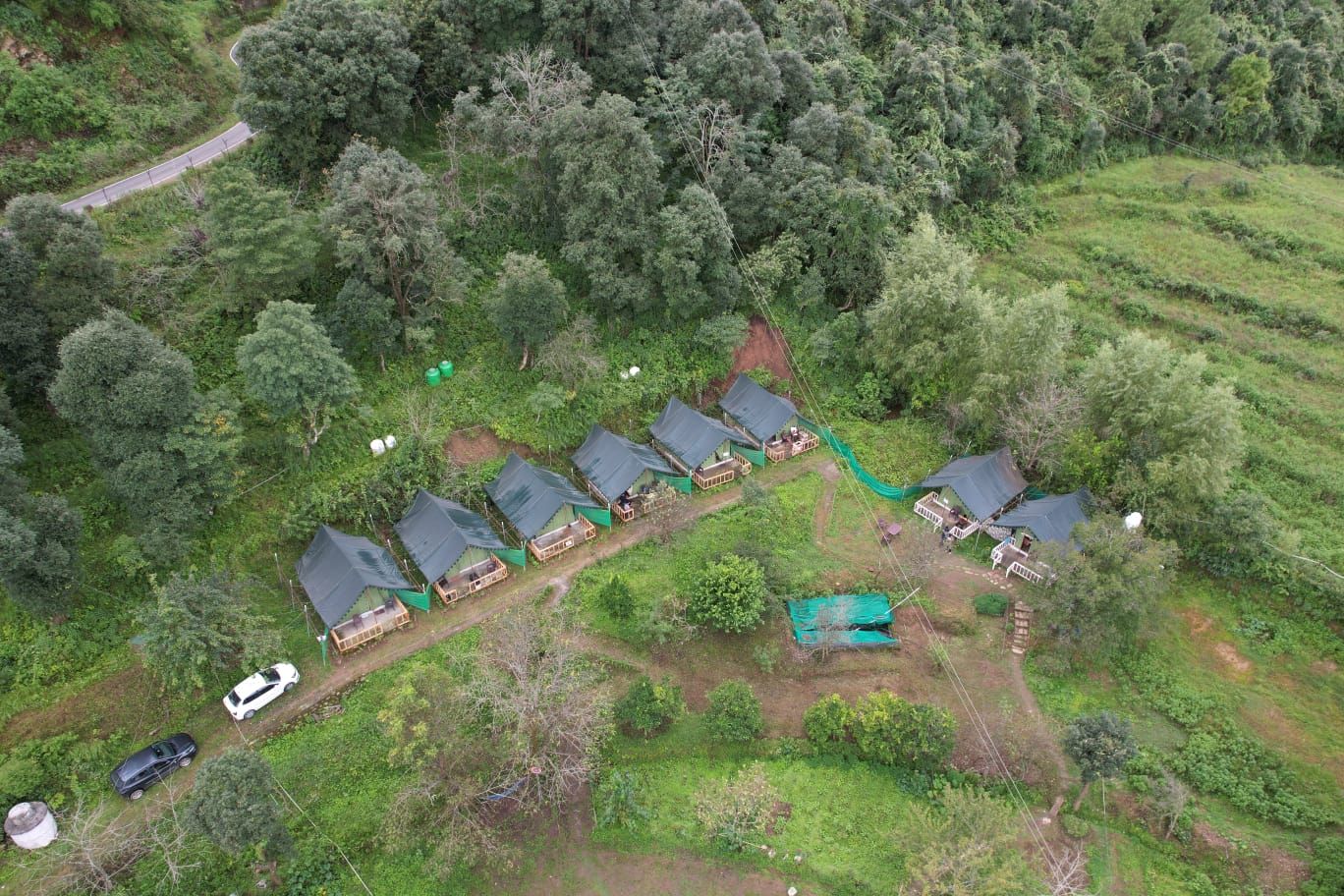
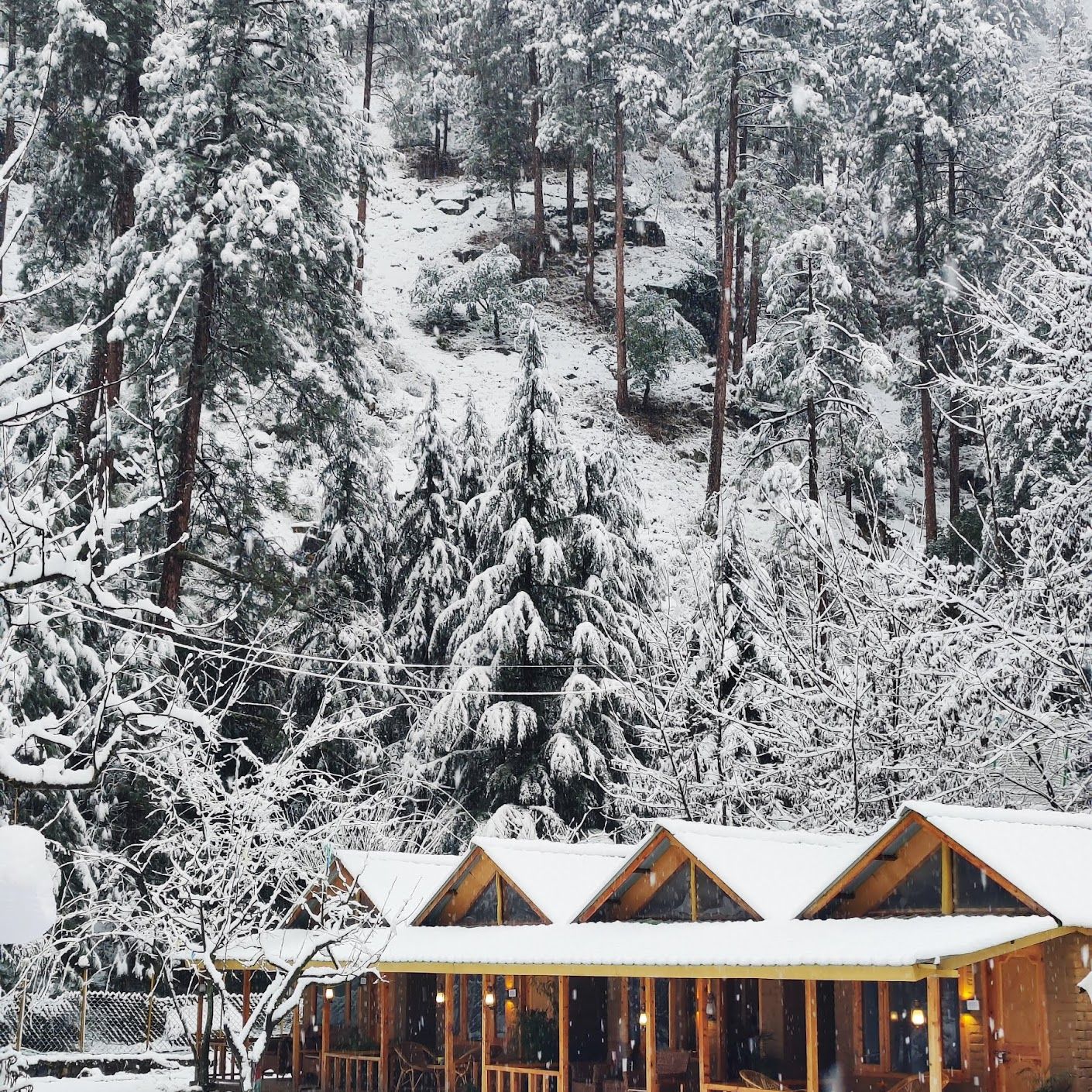
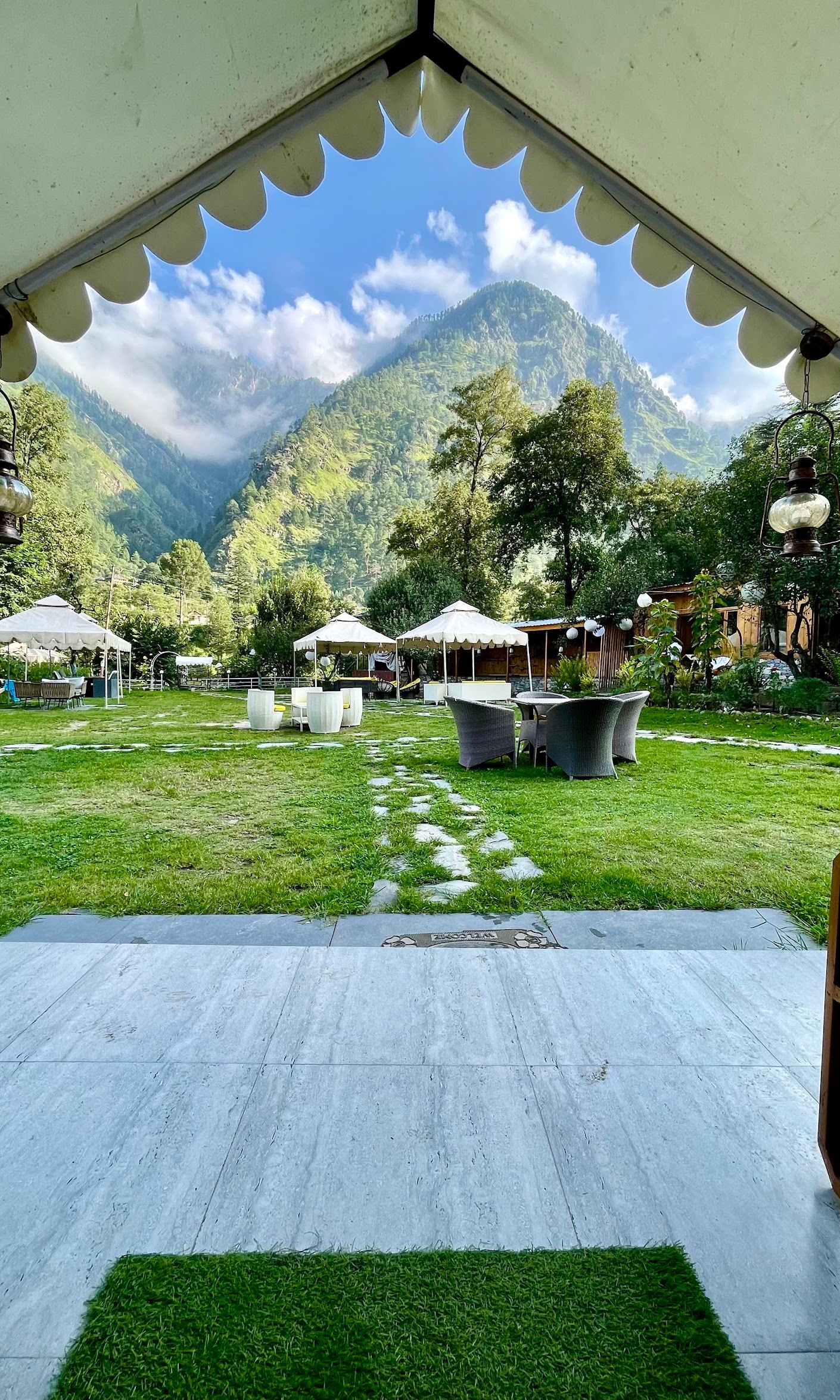
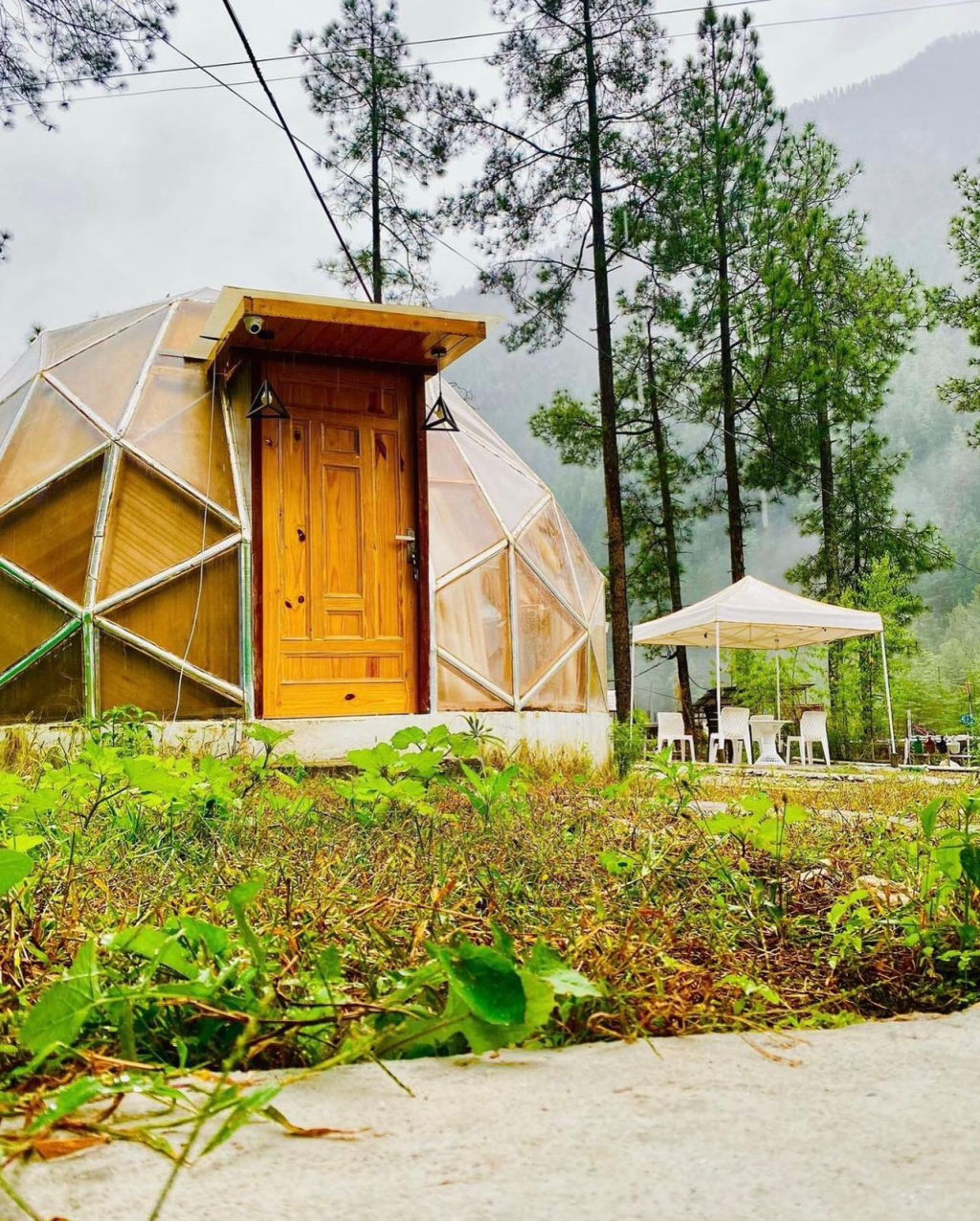
To preserve the natural ecosystem, overnight commercial accommodation inside the core area of Kais Wildlife Sanctuary is generally not available. Most travelers base themselves in Kullu town, Naggar, or the smaller hamlets scattered along the valley floor.
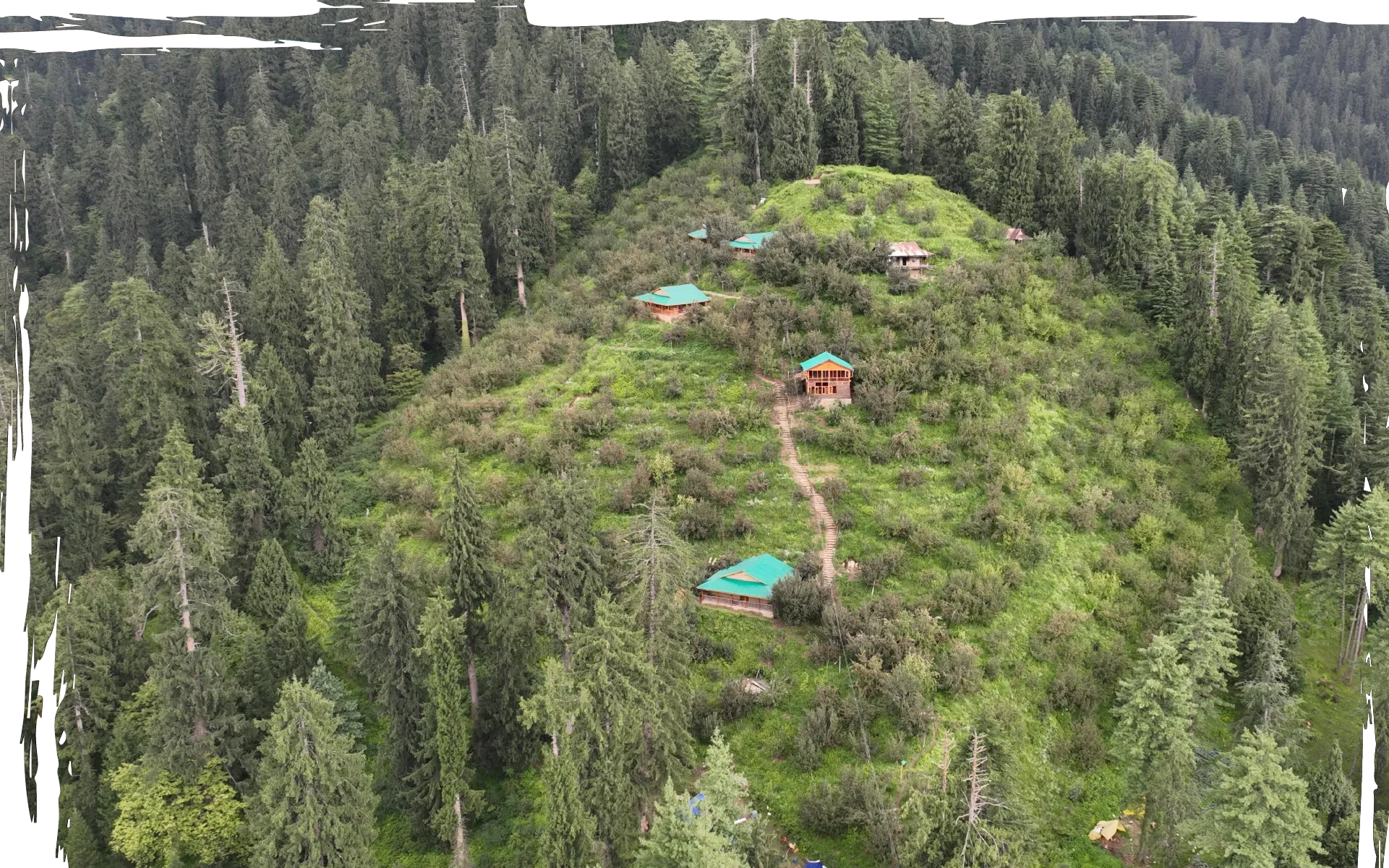
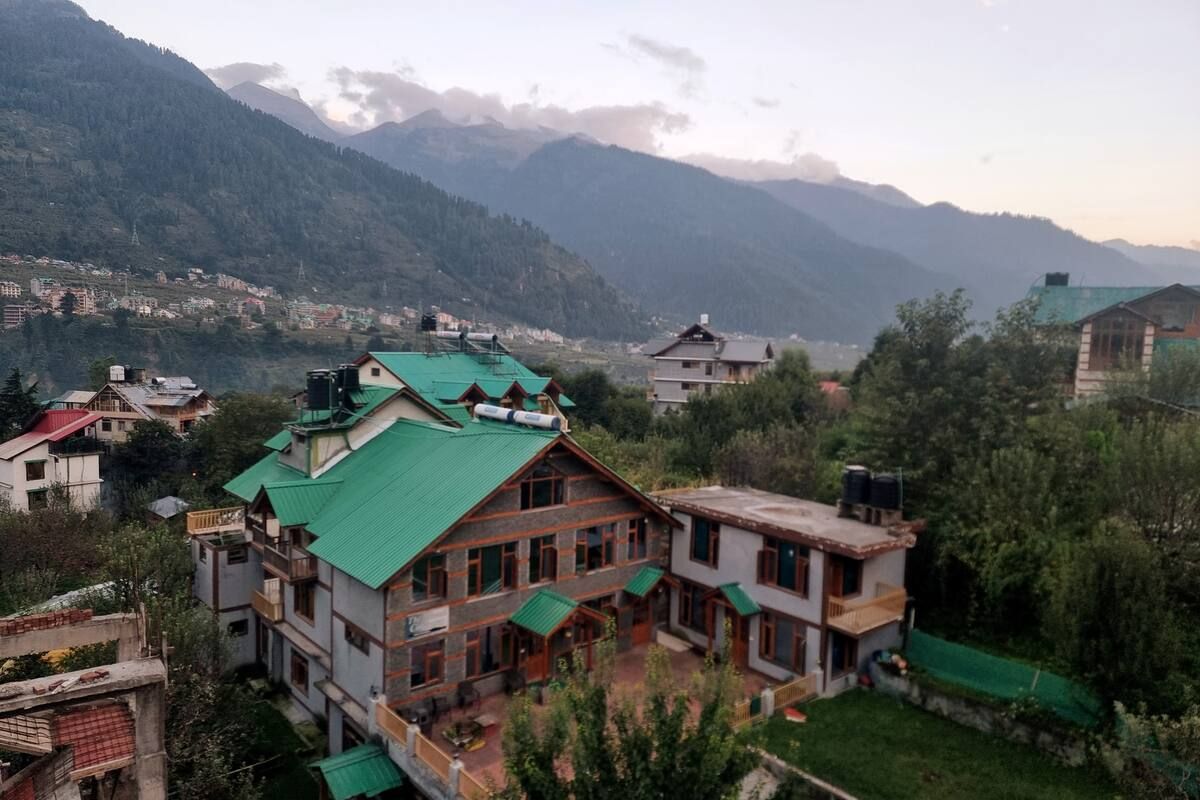
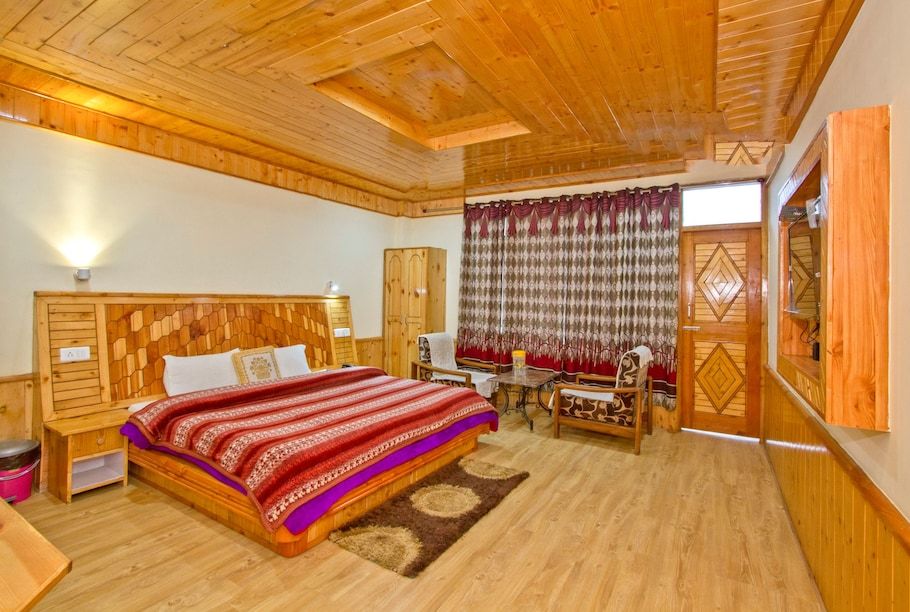
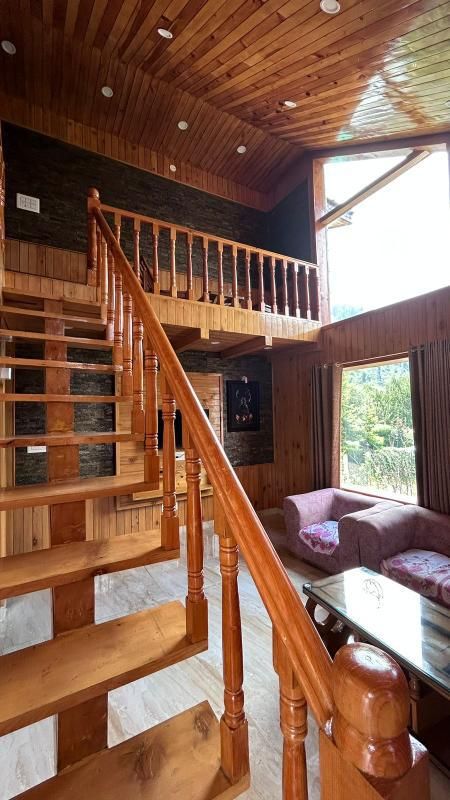
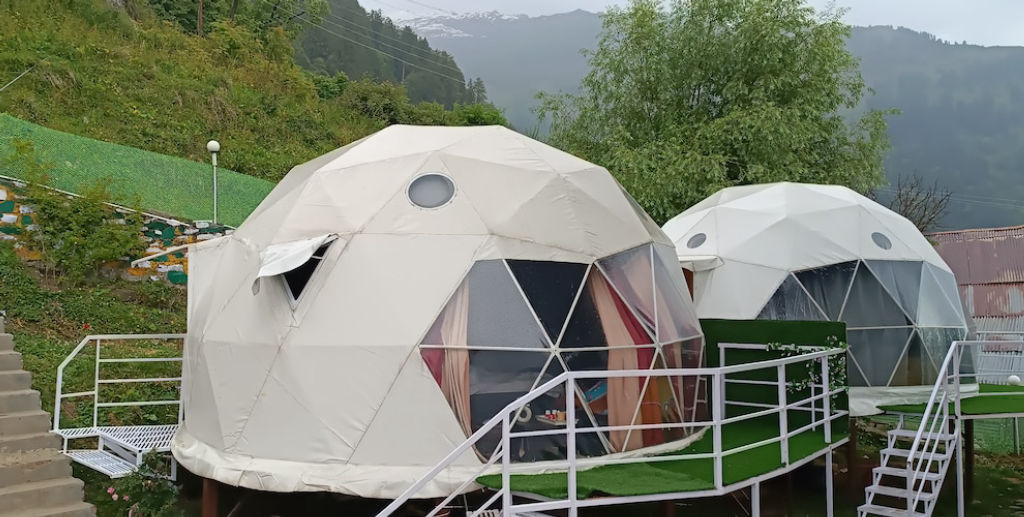
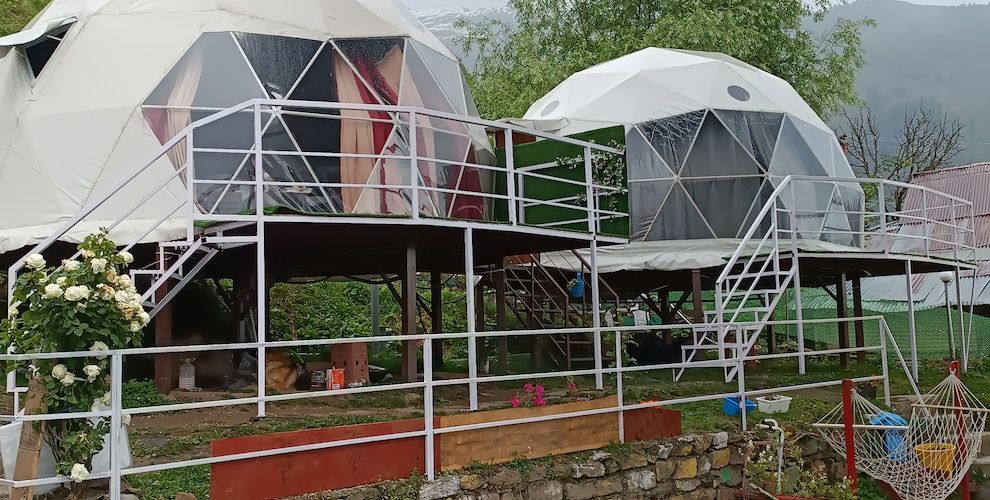
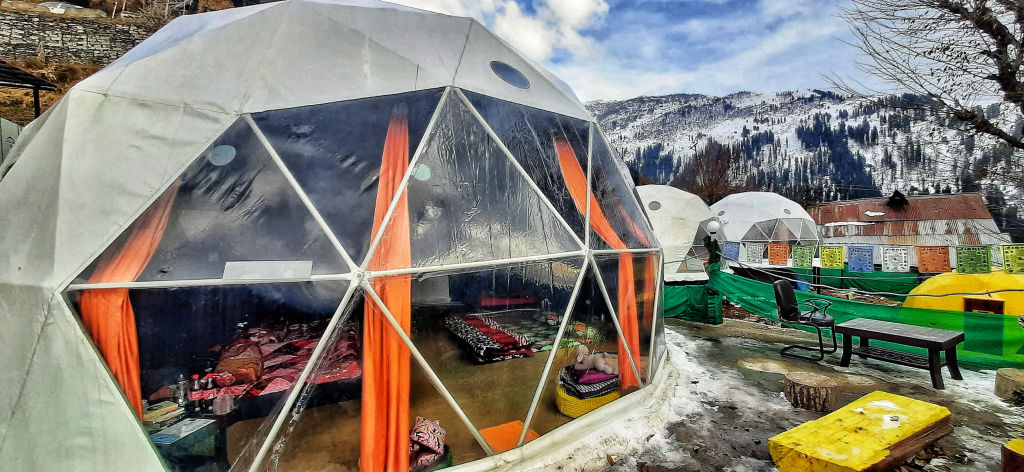
A variety of experiential stays, including riverside camps, wilderness tents, and traditional Himachali homestays throughout the Kullu valley, can be booked through HireACamp. Staying in a nearby village homestay provides an opportunity to enjoy home-cooked regional meals and gain firsthand tips from local hosts before venturing out into the sanctuary.
Frequently asked questions
What wildlife can you see in Kais Wildlife Sanctuary?
The sanctuary is home to animals such as the Himalayan black bear, brown bear, leopard, musk deer, barking deer, and goral, as well as high-altitude birds like the Himalayan monal and koklass pheasant.
Do I need a permit to visit Kais Wildlife Sanctuary?
Visitors typically need to register or obtain permission from the local Himachal Pradesh Forest Department office before entering. It is best to check locally in Kullu for current entry rules and guidelines.
Can you drive inside Kais Wildlife Sanctuary?
No, there are no motorable safari roads inside the reserve. Exploration is done on foot along designated mountain walking paths and trekking trails.
How far is the sanctuary from Kullu?
The sanctuary is located within the Kullu sub-district, with trail access points generally located a short drive from Kullu town.
Is it safe to hike alone in the sanctuary?
Because of the presence of wild animals, steep terrain, and limited trail signage, hiking alone is not advised. It is recommended to hire an experienced local guide.
Where you'll be
Kullu Sub-District · 12 stays nearby shown with prices
Stays near Kais Wildlife Sanctuary
Book a place to stay close by

More places near Kais Wildlife Sanctuary
Within 20 km
Built from 0 Instagram posts by 0 creators. Every tip links back to the post it came from, and where creators disagree we show both sides.






