
Rudraprayag
Destination in Uttarakhand
Rudraprayag is a sacred town in the Garhwal Himalayas of Uttarakhand, situated at the holy confluence of the Alaknanda and Mandakini rivers. It serves as one of the Panch Prayags and functions as a major transit junction for pilgrims and travellers heading toward Kedarnath and Badrinath. Visitors travel here to witness the vibrant mingling of river waters, explore historic shrines, and use the valley town as a base for high-altitude treks.
Getting there
By road
- From Dehradun3 hr 40 min · 176 km
- From New Delhi7 hr · 388 km
- From Chandigarh7 hr 20 min · 345 km
Typical drive times without traffic. Stations and airports from OLA Maps; distances and typical drive times from OpenStreetMap (© OpenStreetMap contributors); notes from creators' Reels.
About Rudraprayag
Written with AI from map data and general knowledge. Check prices and timings locally before you go.
The sacred confluence and heritage of Rudraprayag
Rudraprayag derives its name from Lord Shiva, who is believed to have appeared here in his Rudra avatar to bless the sage Narada with the mastery of music. The town is most famous as one of the Panch Prayags, or five sacred river confluences, in the state of Uttarakhand. At the Sangam point, the emerald-green waters of the Mandakini meet the silt-rich, greyish torrent of the Alaknanda, creating a striking contrast that draws pilgrims and travellers alike.
Beyond its religious importance, Rudraprayag holds a distinct place in Himalayan lore and natural history. The region was once the territory of the infamous Man-Eating Leopard of Rudraprayag, documented in the classic writings of hunter-naturalist Jim Corbett in the early twentieth century. Today, the town presents a calmer face, characterized by terraced hillside settlements, bustling bazaar streets, and hanging footbridges strung across roaring alpine currents.
Things to see and do in Rudraprayag
The primary focus for anyone arriving in Rudraprayag is the Sangam. Descending the flights of stone steps to the river bank allows you to sit beside the merging currents and observe local rituals. Near the confluence sits the ancient Rudranath Temple, dedicated to Lord Shiva, where morning and evening prayer bells echo across the river gorge. Directly opposite on the rocky bank stands the Chamunda Devi Temple, accessible via pedestrian footbridges that offer panoramic vantages over the river canyon.
Just a short drive upstream along the Alaknanda brings you to the Koteshwar Mahadev Temple. This revered cave temple is set within naturally carved limestone bluffs along the river bank. Drops of water continuously trickle over naturally formed rock Shiva lingams inside the cool cavern chambers. Walking along the paths around Koteshwar offers a tranquil escape from the highway traffic, with soothing sounds of gushing glacial water and birds flitting through the riparian vegetation.
Read more
Scenic getaways around Rudraprayag
Because Rudraprayag stands at the fork between the routes to Kedarnath along the Mandakini and Badrinath along the Alaknanda, it is a convenient jumping-off point for exploring higher mountain regions. One of the most rewarding excursions is Kartik Swami Temple, located atop a sharp ridge near Kanakchauri village. A moderate trail leads through oak and rhododendron forests before climbing a steep flight of stairs along an open ridge, terminating at a shrine with hundreds of brass bells and an uninterrupted panorama of snowy Himalayan peaks.
Travelling up the Mandakini valley brings you to Ukhimath, the winter seat of Kedarnath, known for its carved wooden temple compound and rich religious heritage. Further up the winding hill roads lies Chopta, an alpine meadow region often referred to as a trekker's paradise. Chopta serves as the base for climbs to Tungnath, the highest Shiva shrine in the world, and the summit of Chandrashila. Travellers seeking quiet forested villages can head toward Khirsu, a quiet settlement nestled amidst dense deodar stands with views across the northern ranges.
Best time to visit Rudraprayag
Rudraprayag can be visited through much of the year, but the experience changes substantially across different seasons. The post-monsoon and autumn months from October through November offer some of the clearest skies and crisp mountain air, making it an excellent window for photography, day walks, and travelling onward to higher mountain circuits.
Spring, running from March through April, brings mild temperatures and vibrant floral blooms across the surrounding hillside forests. May and June mark the start of peak pilgrimage traffic along the Char Dham circuit, which fills the roads and bazaars with activity while bringing warmer daytime conditions in the valley basin.
The monsoon period between July and early September brings heavy rainfall across the Garhwal belt. Landslides and roadblocks are common along the steep river gorges during this time, so road journeys require careful monitoring of weather alerts. Winter, from December to February, is chilly with brisk winds flowing through the river valleys, though lower elevations remain snow-free and peaceful.
How to reach Rudraprayag
Rudraprayag is well connected by road to major transport junctions in the plains of Uttarakhand. The nearest airport is Jolly Grant Airport near Dehradun, which handles regular domestic flights from major Indian cities. The nearest major railway stations are at Rishikesh, Haridwar, and Dehradun, which link the region with broader rail networks.
From Rishikesh or Haridwar, you can travel to Rudraprayag by hiring a private taxi or boarding state-run buses and shared jeeps that navigate National Highway 7. The mountain route winds steadily past other confluence towns including Devprayag and Srinagar, offering continuous views of the Alaknanda gorge. Travel times vary significantly depending on traffic volume, especially during the peak summer pilgrimage season, so starting early in the morning is recommended.
Tips for travellers visiting Rudraprayag
Since Rudraprayag is an active transit junction on holy routes, practical planning ensures a smoother trip. Keep in mind that the river currents at the confluence are swift, cold, and unpredictable; avoid entering deep water and always follow local safety barriers on the ghats. Sturdy walking shoes with reliable grip are useful for navigating steep paved inclines, stone stairways, and damp paths around riverbed temples.
Carry adequate cash, as automated teller machines in hill towns can run low during busy pilgrimage weeks. Cell phone reception is generally reliable across the main town and highways, but it can fluctuate when you venture off toward higher trailheads like Kartik Swami. Layered clothing is advisable during transitions between seasons, while warm woollens and thermal wear are essential throughout the winter months.
Where to stay in Rudraprayag
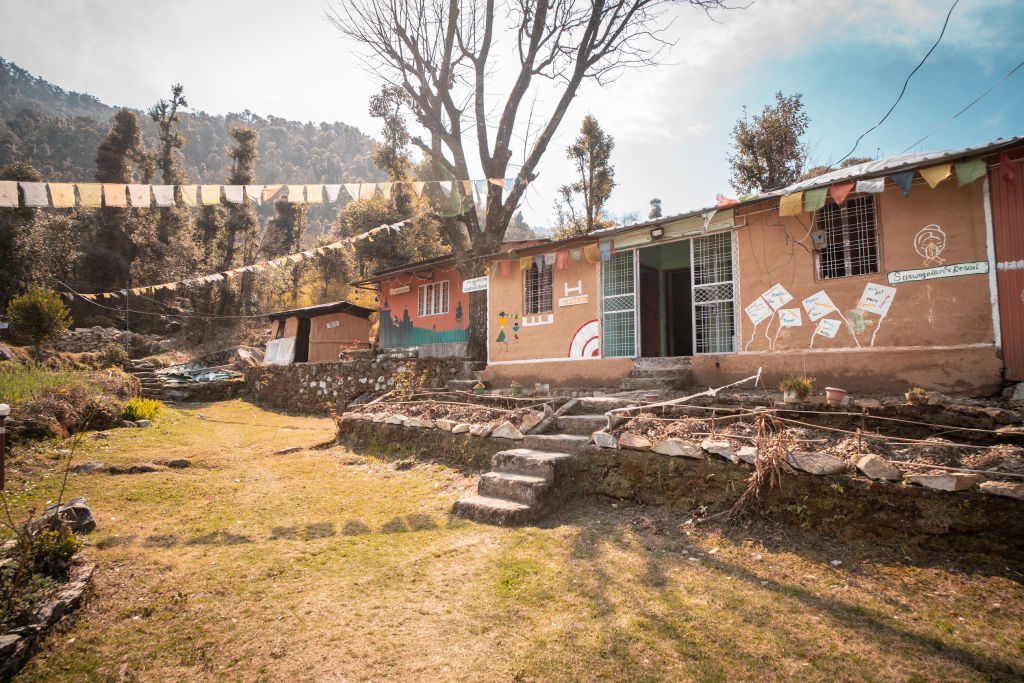
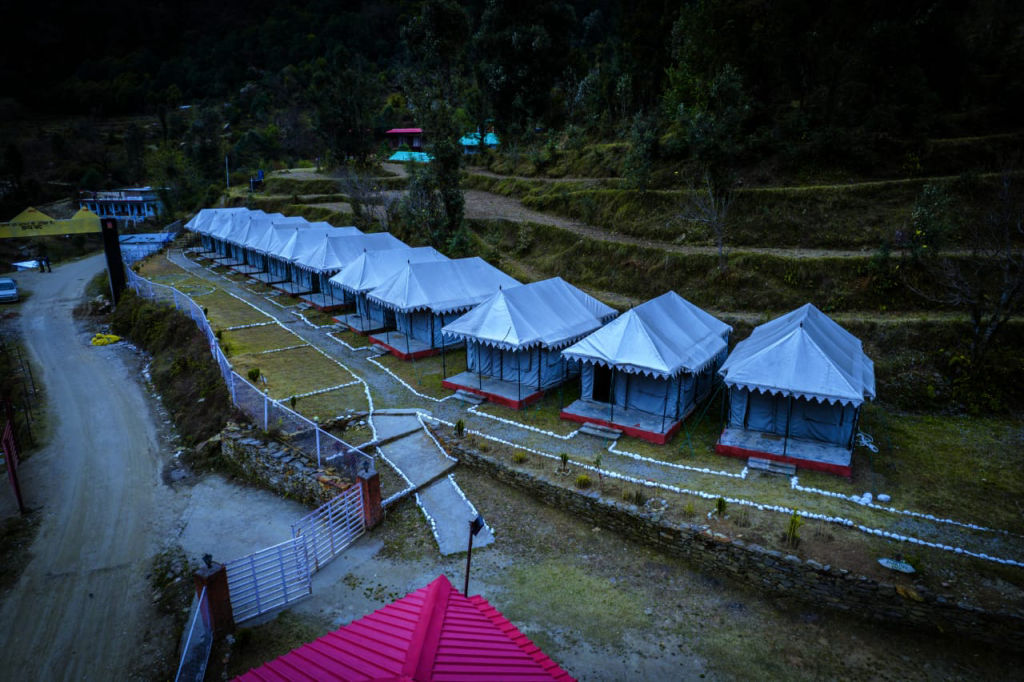
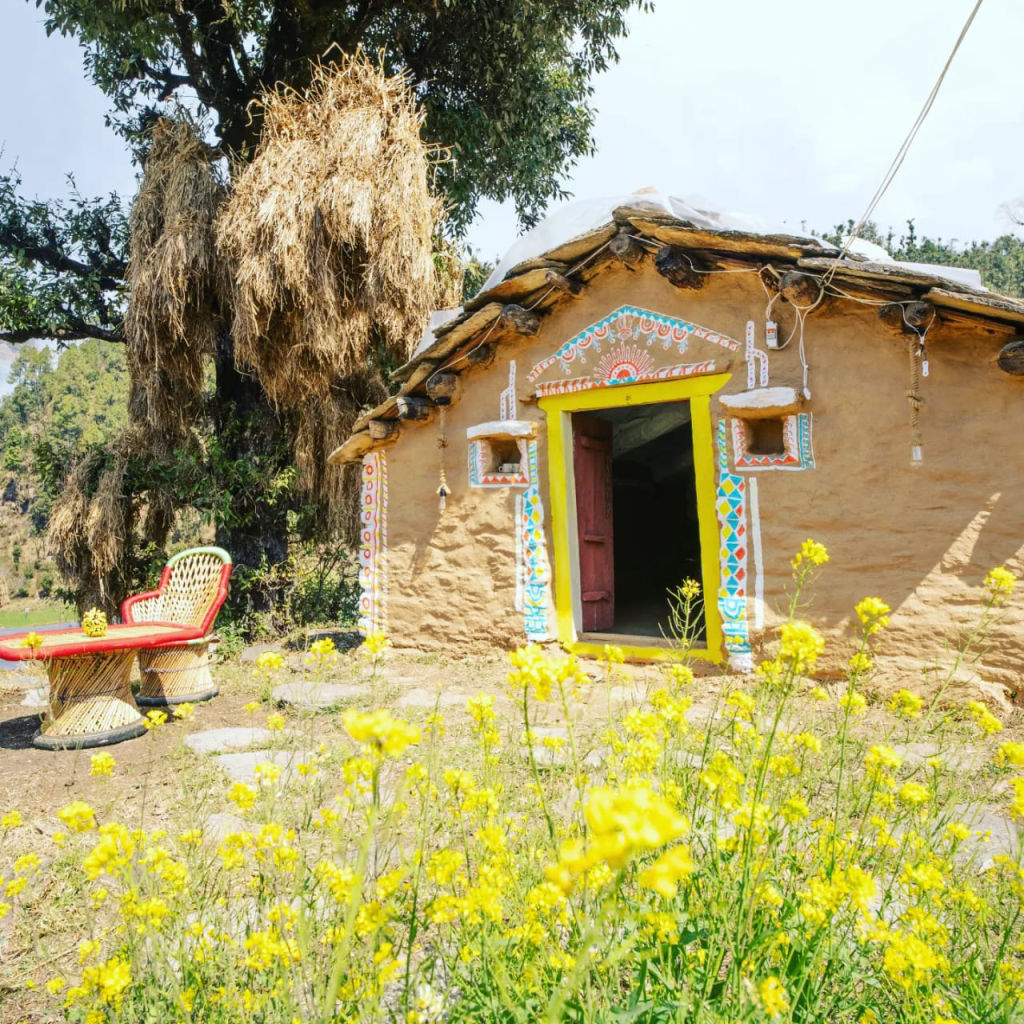
Accommodation choices around Rudraprayag cater to diverse styles of travel, ranging from functional stopovers within the main settlement to tranquil rural settings nestled in the surrounding valleys. Staying along the Mandakini or Alaknanda rivers allows you to enjoy peaceful natural surroundings away from the bustle of highway intersections.
Travellers interested in outdoor experiences, scenic riverside camps, and characterful village homestays can find curated stays across the Rudraprayag district on HireACamp. Booking in advance is highly recommended if you plan to visit between May and June or during festive holiday weekends when route traffic is at its peak.
Frequently asked questions
Which two rivers meet at Rudraprayag?
Rudraprayag marks the sacred confluence of the Alaknanda and Mandakini rivers, forming one of the revered Panch Prayags of Uttarakhand.
Is Rudraprayag a base for Kedarnath and Badrinath?
Yes, Rudraprayag is a key highway junction where the road splits toward Kedarnath via the Mandakini valley and Badrinath along the Alaknanda river.
Does it snow in Rudraprayag during winter?
Snowfall is extremely rare within the main town of Rudraprayag due to its lower valley elevation, but surrounding higher ridges and nearby regions like Chopta receive heavy winter snow.
How far in advance should I arrange accommodation?
During the peak pilgrimage season from May to June, it is wise to arrange your stays several weeks in advance, while off-season travel in autumn and winter offers greater flexibility.
What is the best way to travel around Rudraprayag?
Private taxis and local shared jeeps are the most practical transport options for reaching nearby attractions such as Koteshwar Mahadev, Ukhimath, and the trailhead for Kartik Swami.
Where you'll be
3 stays nearby shown with prices
Stays near Rudraprayag
Book a place to stay close by
Things to do in Rudraprayag
48 places creators recommend within 30 km


Built from 0 Instagram posts by 0 creators. Every tip links back to the post it came from, and where creators disagree we show both sides.






