
Rudranath Temple
Temple near Basukedar, Uttarakhand
2.2 km from Basukedar
The nearest town, for stays, food and fuel.
Rudranath Temple is an ancient rock-hewn shrine dedicated to Lord Shiva, located deep within the high-altitude meadows of Chamoli district in Uttarakhand. As the fourth temple visited in the sacred Panch Kedar pilgrimage circuit, it is revered as the site where Lord Shiva's face is worshipped. Surrounded by dense rhododendron woodlands and panoramic Himalayan peaks, the remote temple attracts devoted pilgrims and avid trekkers seeking solitude and natural beauty.
Getting there
By road
- From BasukedarNearest town54 min · 23 km
- From Dehradun4 hr 10 min · 198 km
- From New Delhi7 hr 25 min · 411 km
- From Chandigarh7 hr 50 min · 367 km
Typical drive times without traffic. Stations and airports from OLA Maps; distances and typical drive times from OpenStreetMap (© OpenStreetMap contributors); notes from creators' Reels.
About Rudranath Temple
Written with AI from map data and general knowledge. Check prices and timings locally before you go.
About Rudranath Temple
Rudranath Temple stands at an elevation of over 3,500 metres in the Garhwal Himalayas. The temple is unique among Hindu shrines because the deity is worshipped in the form of a stone face, known as the 'Neelkanth Mahadeva'. Legend traces the temple back to the epic Mahabharata, where the Pandavas sought redemption from Lord Shiva for the sins of the Kurukshetra war. Shiva assumed the form of a bull to evade them, and different parts of his body reappeared across five distinct locations, known today as the Panch Kedar. At Rudranath, his divine face emerged from the earth.
The temple itself is a simple stone sanctuary tucked beneath an overhanging cliff face. Unlike large commercialised pilgrimage towns, Rudranath has retained an untouched and rustic ambience. Surrounding the temple complex are natural springs, sacred pools, and sweeping expanses of alpine meadows, locally known as bugyals, with views extending towards snow-capped summits like Nanda Devi, Trishul, and Nanda Ghunti.
The Trek to Rudranath
Reaching Rudranath requires undertaking one of the most demanding yet rewarding treks in the Garhwal region. The most common starting point for the trek is Sagar village, located near Gopeshwar in Chamoli district. From Sagar, the trail climbs steadily through thick temperate forests of oak, pine, and vibrant rhododendron trees before emerging onto open ridges.
The initial stretches test physical endurance with steep ascents, particularly around sections like Punar Bugyal and Panar Bugyal. As you climb higher, the dense forest gives way to sprawling grasslands that roll endlessly against the horizon. Walkers are treated to expansive panoramic vistas and cool mountain air. The final approach descends gently through rolling meadows and narrow stone paths leading directly to the shrine. The journey typically requires two to three days of walking, demanding steady pacing and reasonable physical stamina.
Read more
Best Time to Visit Rudranath
Rudranath Temple remains accessible for only a few months each year due to severe winter weather and heavy snowfall in the higher reaches of the Himalayas. The temple gates typically open in May and close around October or early November, after which the deity's idol is ceremonially moved to Gopeshwar for winter worship.
The summer months of May and June offer pleasant daytime conditions and clear skies, making it a comfortable window for trekking. During this time, wildflowers begin to blanket the high meadows, and mountain views are sharp. July and August bring the monsoon rains to Uttarakhand, which can make the stone paths slippery and increase the chance of landslides in the lower valleys. Post-monsoon, from September to mid-October, is widely considered the finest season for trekking. The atmosphere clears completely after the rains, the meadows turn a warm golden hue, and the night skies are crisp and unhindered by cloud cover.
How to Reach Rudranath
To reach Rudranath Temple, travellers first need to journey to the town of Gopeshwar or nearby Chamoli, which serve as the road heads for the trek. The closest major railway stations are Rishikesh and Haridwar, while the nearest airport is Jolly Grant Airport in Dehradun.
From Rishikesh or Haridwar, regular buses and shared taxis run along the Badrinath highway via Devprayag, Srinagar, and Rudraprayag before branching off towards Gopeshwar. The mountain drive winds along river valleys and steep ridges, offering striking views of the Alaknanda and Mandakini rivers. Once in Gopeshwar, a short local drive leads to Sagar village, where the foot trail officially commences. An alternative trekking route also exists starting from Mandal village via Anasuya Devi temple, joining the main trail further up on the ridges.
Tips for Your Visit
Because the trek to Rudranath reaches high altitudes and traverses remote terrain, adequate preparation is essential. The route lacks extensive commercial infrastructure, meaning basic provisions, a sturdy water bottle, and energy-dense snacks should be carried in your daypack. Staying well-hydrated is crucial to preventing acute mountain sickness as you cross the high bugyals.
Weather conditions in the Garhwal Himalayas change rapidly. Even in the height of summer, temperatures drop significantly once the sun sets behind the ridges. Pack layered clothing, including thermal innerwear, a fleece jacket, windproof outer shells, and a reliable rain poncho. Wear sturdy, well-broken-in trekking boots with strong ankle support and deep tread for walking on loose rocks and muddy sections. As mobile network connectivity is sparse to non-existent along the upper trail, ensure you inform family members of your travel itinerary beforehand.
Places to Visit Nearby
The broader Chamoli and Rudraprayag region is packed with stunning natural landscapes and revered pilgrimage destinations. A short distance away lies the picturesque Chopta Valley, often dubbed the gateway to Tungnath, the highest of the Panch Kedar temples, and the summit of Chandrashila.
Travellers interested in exploring further can visit the serene high-altitude lakes of Badhani Tal and Vasuki Tal, which offer tranquil camping landscapes and scenic walking trails. Closer to the valleys, the holy confluence at Rudraprayag, where the Alaknanda and Mandakini rivers meet, presents profound cultural significance. Ancient cave shrines like Koteshwar Mahadev and the secluded temple of Anasuya Devi also make for fulfilling side excursions while exploring the region.
Where to Stay
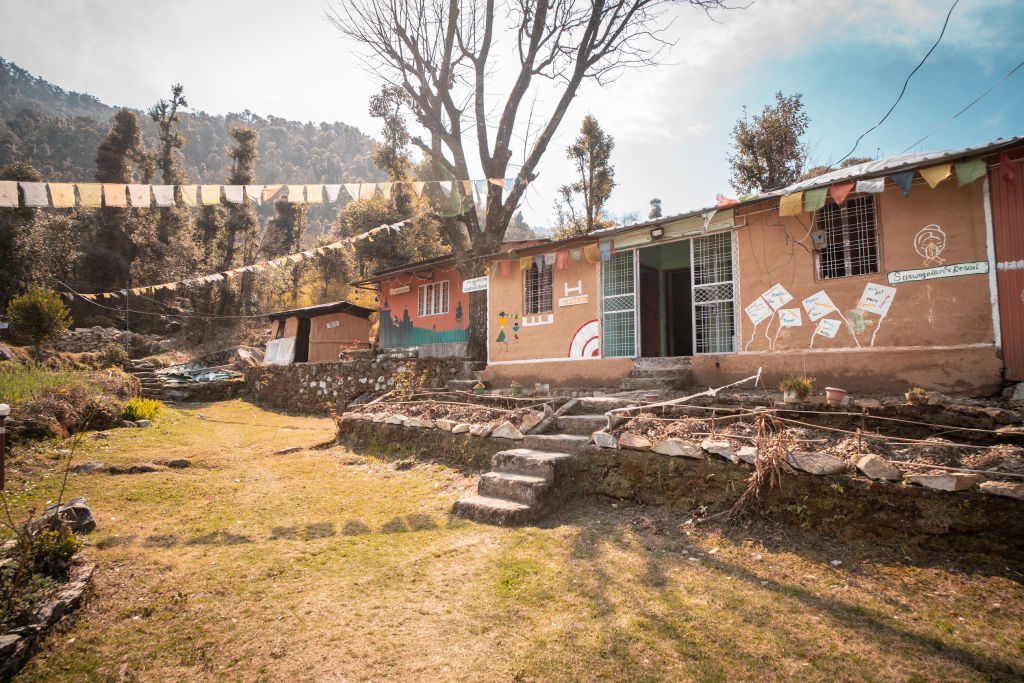
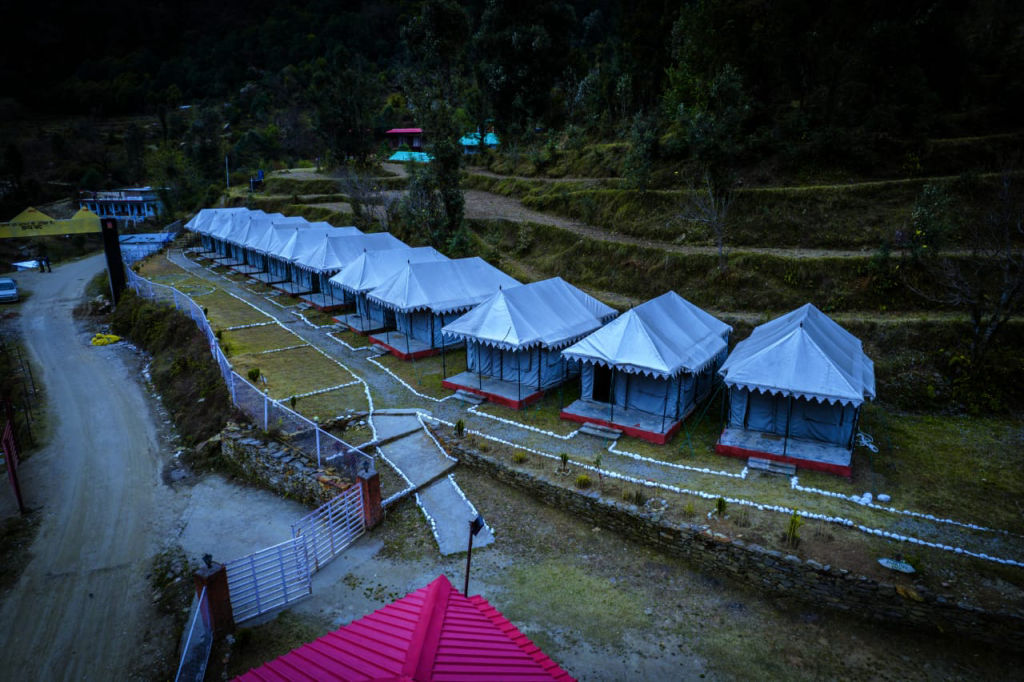
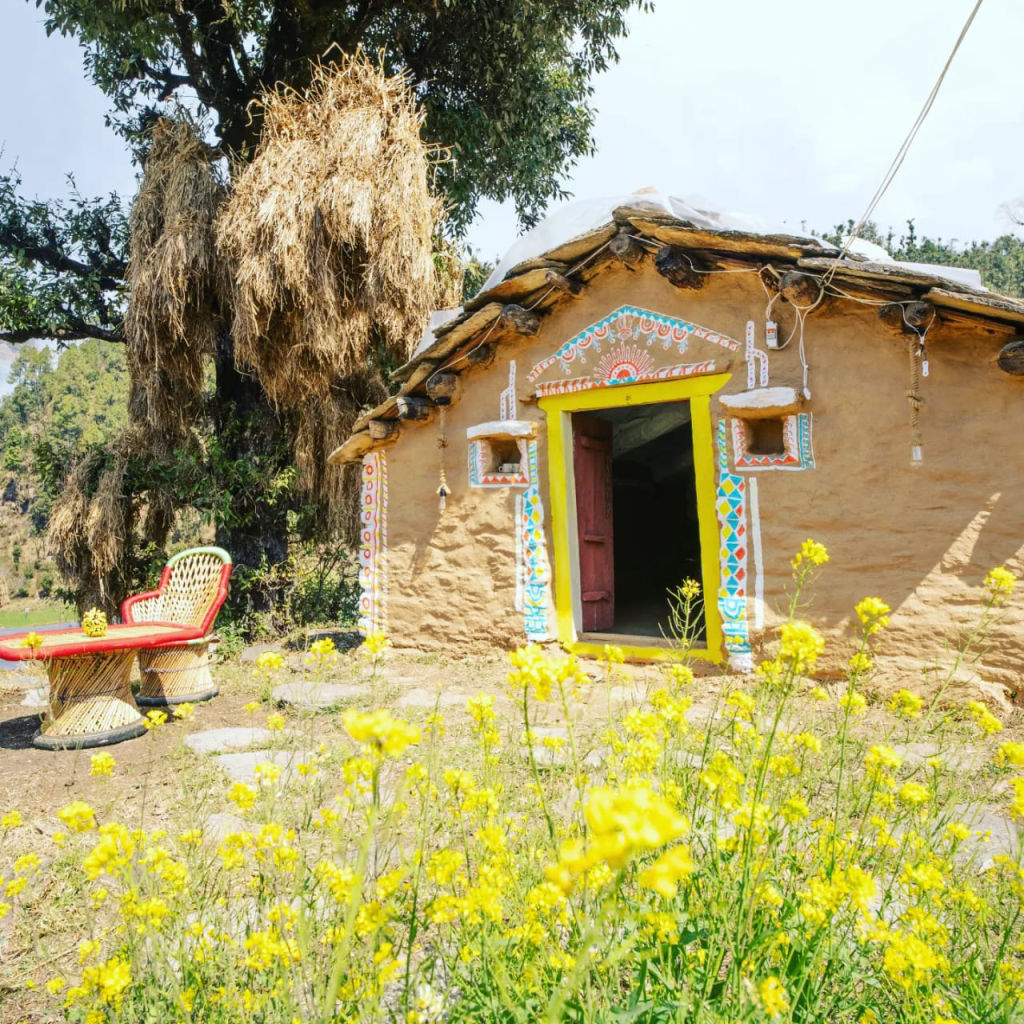
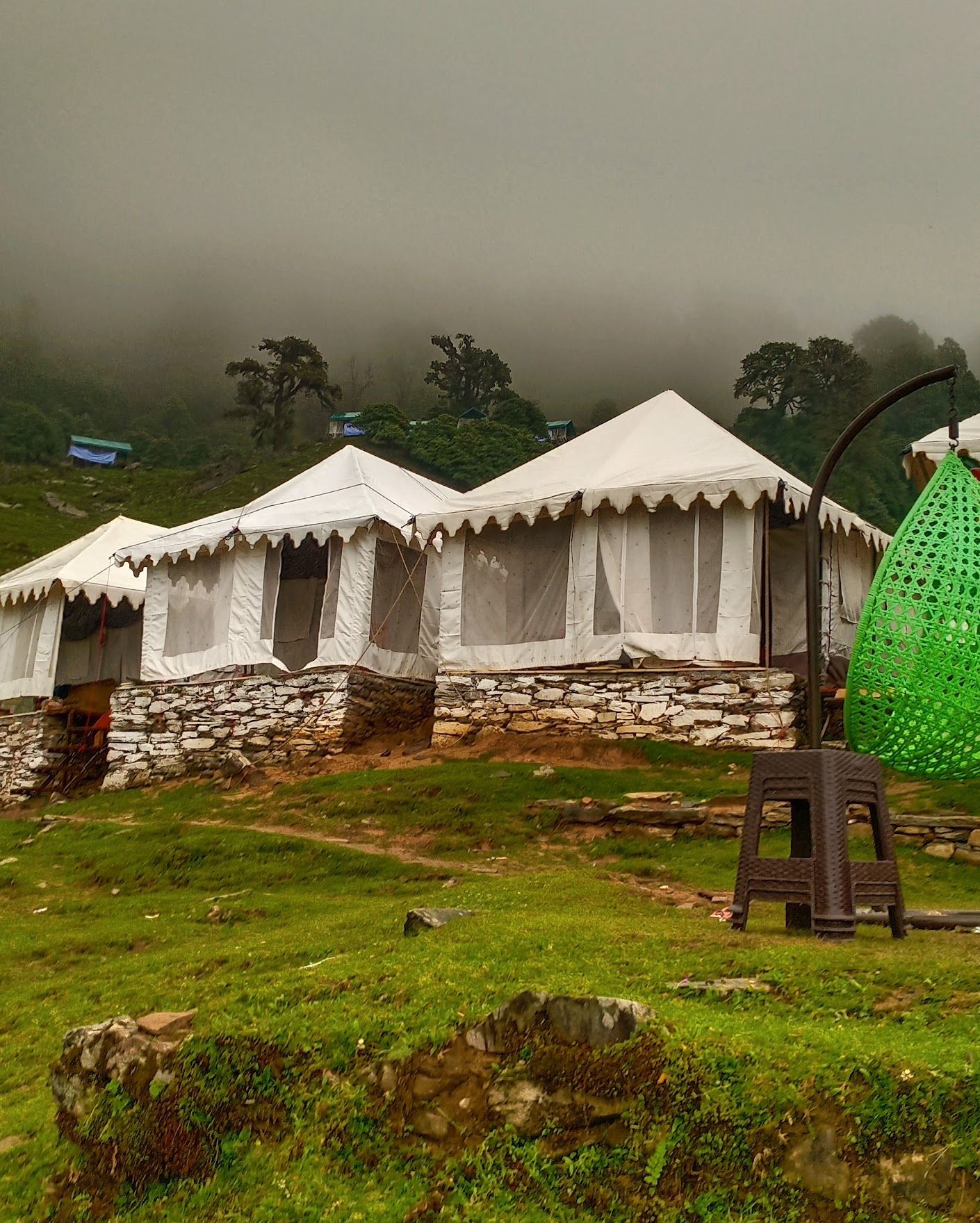
Accommodation options at Rudranath itself are rudimentary, consisting largely of community dormitories, basic pilgrim shelters, and seasonal tent encampments managed locally. Visitors should expect spartan amenities suited to high-altitude wilderness travel.
For comfortable lodging before and after the trek, the towns of Gopeshwar, Chamoli, and the surrounding valleys offer a range of rural retreats. You can discover inviting campsites, mountain homestays, and local guest lodges in the area on HireACamp. Booking your stay along the lower valleys ensures a warm, restful base to acclimatise before setting out on the challenging ascent.
Frequently asked questions
How difficult is the trek to Rudranath Temple?
The trek to Rudranath is considered moderately difficult to strenuous due to its steep inclines and total distance of around twenty kilometres from the base village. Good cardiovascular fitness and prior trekking experience are helpful.
Can Rudranath Temple be visited in winter?
No, the temple remains closed during winter due to heavy snow accumulation across the meadows. The symbolic idol is shifted to the Gopinath Temple in Gopeshwar for worship during these months.
Where does the trek to Rudranath start?
The most popular starting point is Sagar village, located roughly five kilometres from Gopeshwar in Chamoli district. An alternative trail starts from Mandal village passing through Anasuya Devi.
Is food and accommodation available on the trail?
Basic food stalls and rustic pilgrim sheds operate during the active pilgrimage season at meadow halts like Panar Bugyal and near the temple itself, though facilities remain minimal.
Where you'll be
Rudranath, Chamoli · 4 stays nearby shown with prices
Stays near Rudranath Temple
Book a place to stay close by
More places near Rudranath Temple
Within 20 km
Built from 0 Instagram posts by 0 creators. Every tip links back to the post it came from, and where creators disagree we show both sides.






