
Sajla
Destination in Himachal Pradesh
Sajla is a peaceful village set amidst apple orchards and deodar forests in the upper Kullu Valley of Himachal Pradesh. Located along the quieter left bank road south of Manali, it is known for its centuries-old Vishnu temple and the scenic Sajla Waterfall. Travellers come to Sajla to enjoy unhurried mountain walks, traditional Himachali village architecture, and a quiet retreat close to the region's major trekking routes.
Getting there
By road
- From Chandigarh5 hr 35 min · 261 km
- From Ludhiana6 hr · 291 km
- From Amritsar8 hr 5 min · 402 km
- From Dehradun8 hr 55 min · 443 km
Typical drive times without traffic. Stations and airports from OLA Maps; distances and typical drive times from OpenStreetMap (© OpenStreetMap contributors); notes from creators' Reels.
About Sajla
Written with AI from map data and general knowledge. Check prices and timings locally before you go.
About Sajla and Its Himalayan Setting
Perched on the eastern slopes of the Beas River valley, Sajla is an authentic Himachali village surrounded by tiered apple orchards, pine woods, and towering snow-capped peaks. While neighbouring towns like Manali draw large crowds throughout the year, Sajla has maintained a calm, agrarian way of life that feels far removed from the bustle of the highway.
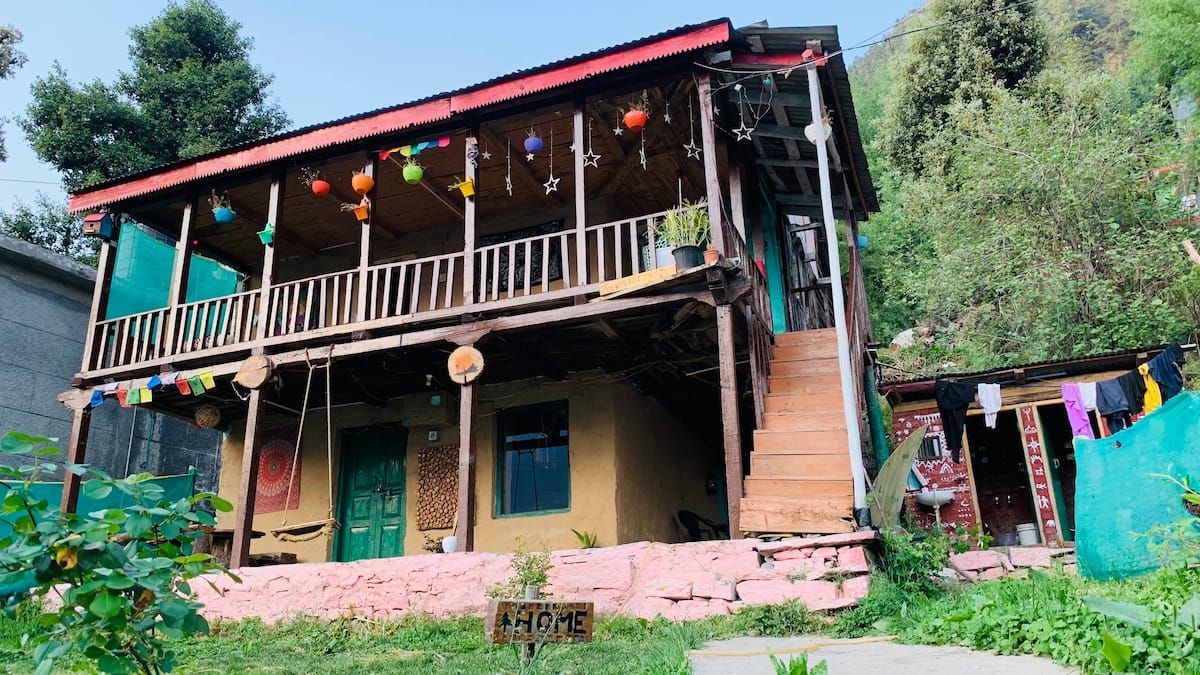
Traditional houses here are constructed in the classic Kath Kuni architectural style, using alternating layers of wood and chiseled stone without mortar. Strolling through the village lanes provides a glimpse into local customs, where villagers tend to their farms, weave wool, and gather at communal squares. The village is also deeply spiritual, anchored by a historic temple dedicated to Lord Vishnu and other local deities that have guarded the community for generations.
Things to Do in Sajla
The primary charm of Sajla lies in slow exploration on foot. A visit to the local Vishnu Temple offers insight into regional woodcarving and mountain craftsmanship. The stone sanctum and intricately carved wooden gables reflect centuries of local devotional history. Spending time in the courtyard during morning or evening prayers allows visitors to appreciate the spiritual rhythm of the hamlet.
Walking along the village trails is another rewarding activity. Dirt footpaths weave through terraced farms and fruit orchards, leading deeper into cedar forests where birdwatchers can spot Himalayan bulbuls, blue whistling thrushes, and varied woodpeckers. Photography enthusiasts will find picturesque angles at every turn, with rustic wooden barns set against dramatic alpine backdrops.
Read more
Visiting Sajla Waterfall
Sajla Waterfall is the village's most prominent natural attraction, located a gentle walk uphill from the main settlement. A marked trail through deodar groves leads visitors to the cascade, where mountain water tumbles down smooth rock slabs into a clear pool below. The atmosphere around the falls is shaded, cool, and refreshed by fine spray.
The walk up to the waterfall is accessible to most fitness levels and takes travellers past small local stalls that serve hot tea and snacks. The rocks around the base offer welcoming resting spots to relax, listen to the water, and cool your feet on a warm summer afternoon. For safety, it is always recommended to check water levels locally during periods of heavy rain and to wear shoes with dependable grip on wet rocks.
Best Time to Visit Sajla
Sajla is an attractive destination across three distinct seasons, each offering a different atmosphere. Spring and summer, stretching from April through June, bring pleasantly warm days and cool evenings. This is the peak time for flowering apple trees, green valley landscapes, and outdoor walks.
Monsoon season arrives in July and lingers into August, drenching the slopes and bringing high water volume to streams and falls. While the valley turns exceptionally lush, heavy rains can make trails slippery and road travel uncertain, so checking local weather updates is vital.
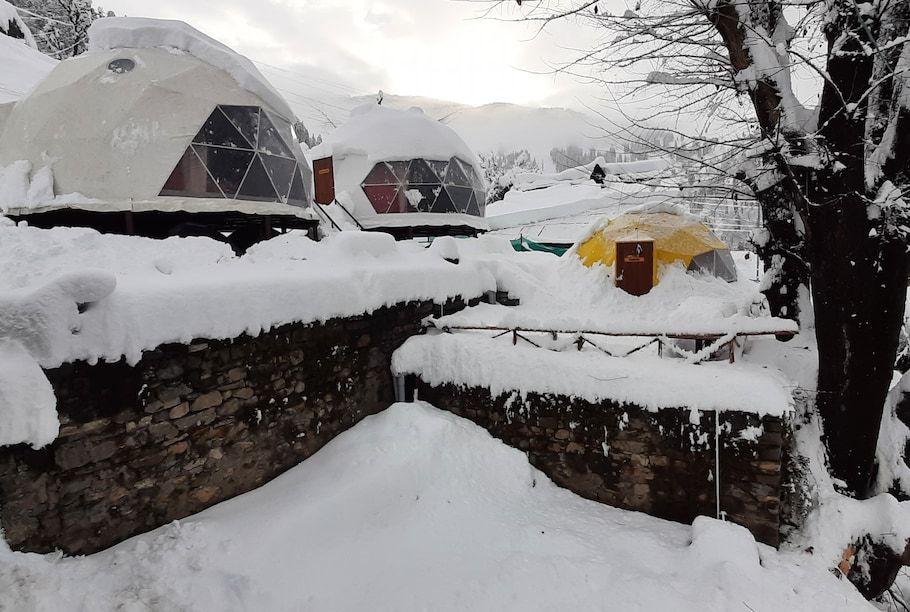
Autumn, from September through November, offers crisp mountain air, brilliant clear blue skies, and optimal visibility of the surrounding snow peaks. Winter transforms Sajla between December and February, bringing freezing temperatures and occasional snowfall that blankets the roofs and deodars, creating a serene, quiet alpine landscape.
Getaways and Day Trips from Sajla
Sajla serves as an excellent base for exploring the broader Kullu Valley and adjacent tributary valleys. A short drive along the left bank road brings you to Naggar, known for its historic castle, art galleries, and traditional stone temples. Heading further north leads directly into Manali, Old Manali, and the trailheads leading toward Solang Valley and the higher mountain passes.
For trekkers willing to venture a bit further, the surrounding region connects to famous trails such as the hike to Kheerganga and the secluded hamlets of the Parvati Valley like Pulga. Nearby forested valleys also hide smaller natural streams, forest hikes, and spots such as Lapas Waterfalls, making the area a rewarding hub for day excursions and extended mountain hikes.
How to Reach Sajla
Sajla is located along the left bank road of the Beas River, roughly midway between Kullu and Manali. If you are travelling by air, the closest regional airport is at Bhuntar in Kullu, approximately one to one and a half hours away by road depending on traffic. Taxis and local buses run regularly from Bhuntar up the valley.
For those travelling by road, frequent overnight buses connect Delhi, Chandigarh, and other north Indian cities to the Kullu-Manali highway. Travellers can alight at Patlikuhal or nearby transit points on the right bank, cross the Beas River bridge, and take a short taxi ride directly up to Sajla. Private self-drive routes from Chandigarh typically follow the national highway via Mandi and Kullu before crossing over to the quieter left bank road.
Where to Stay in Sajla
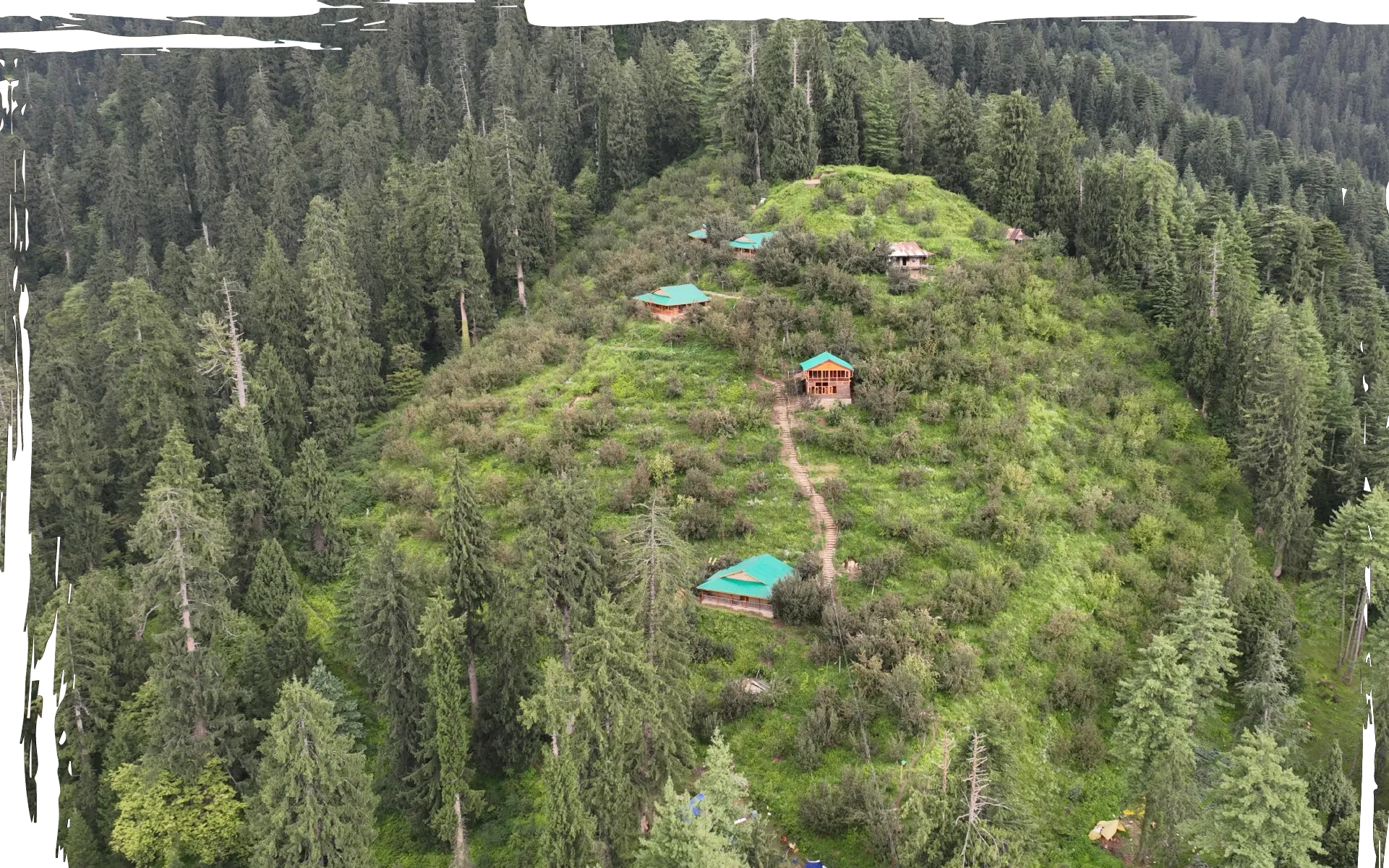
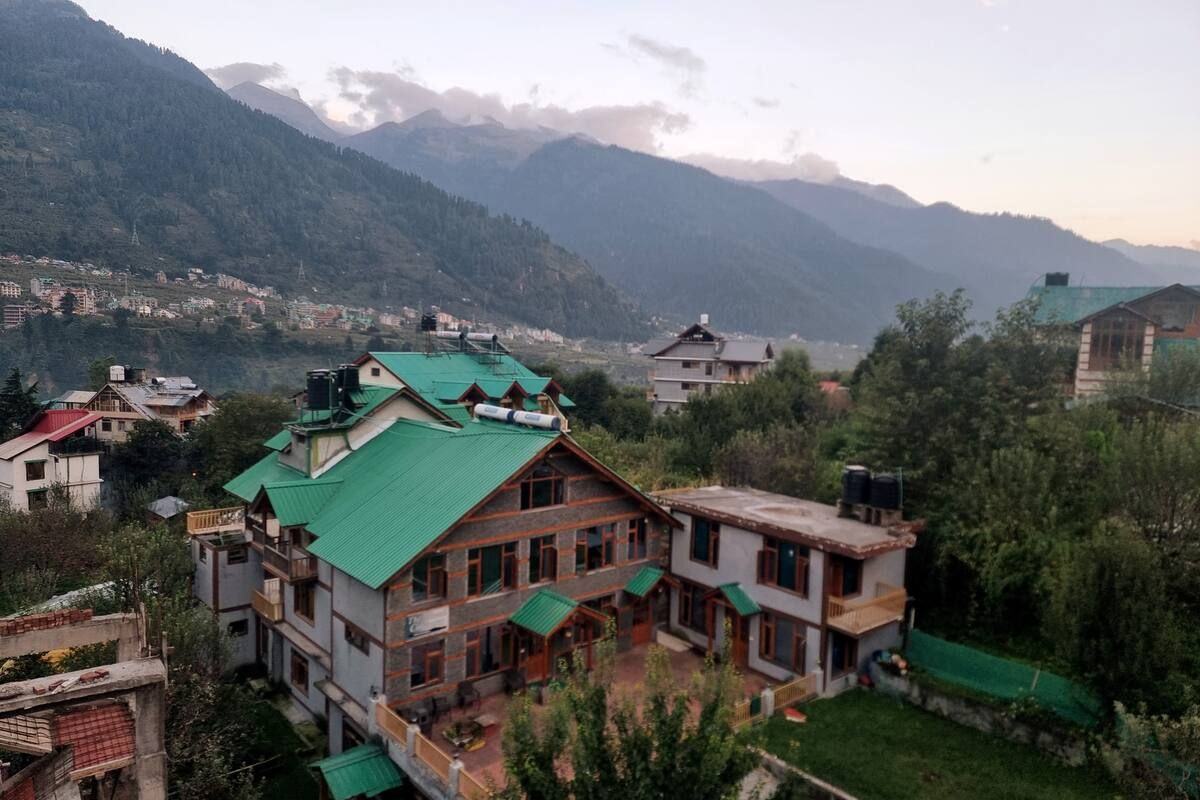
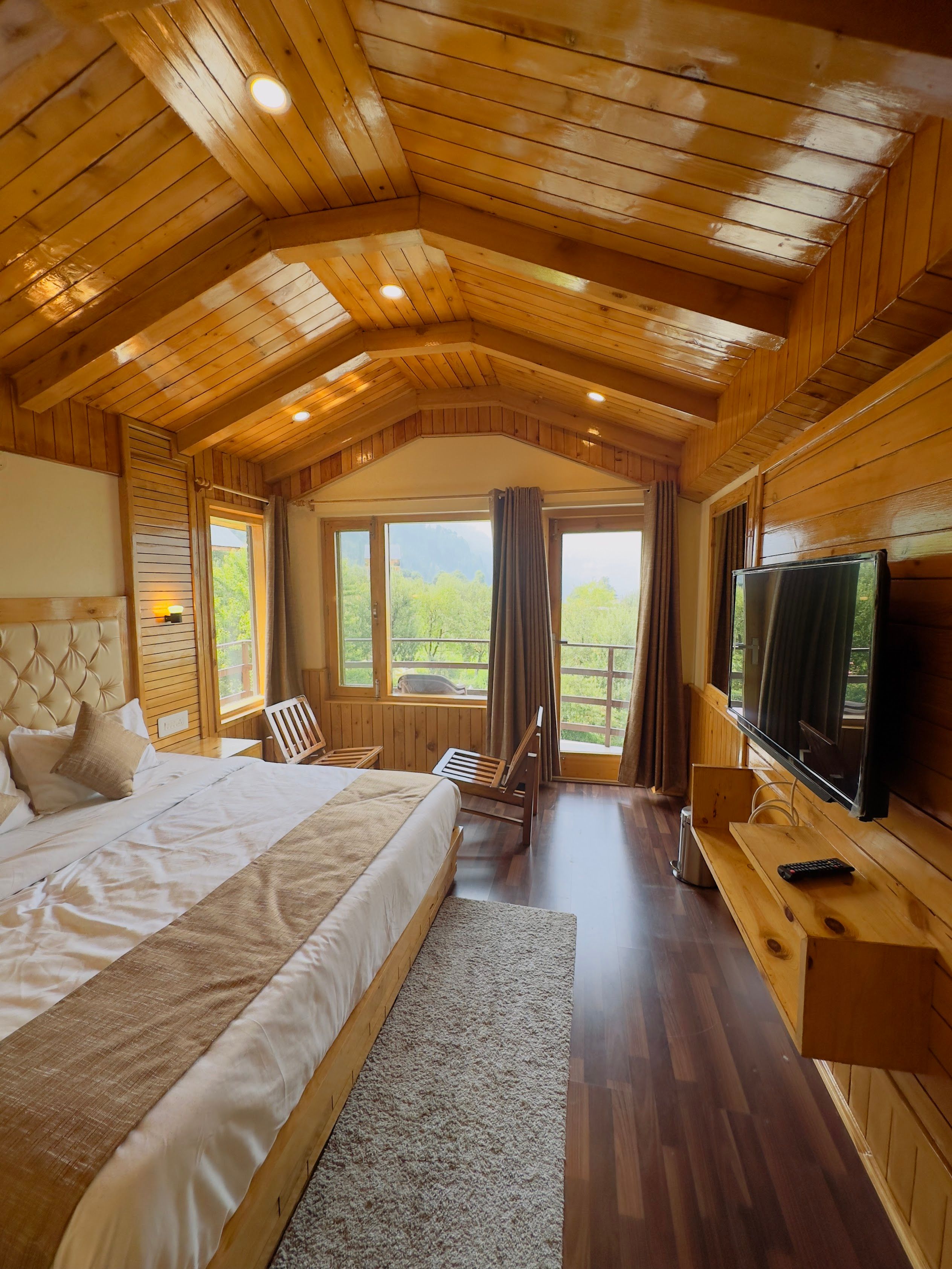
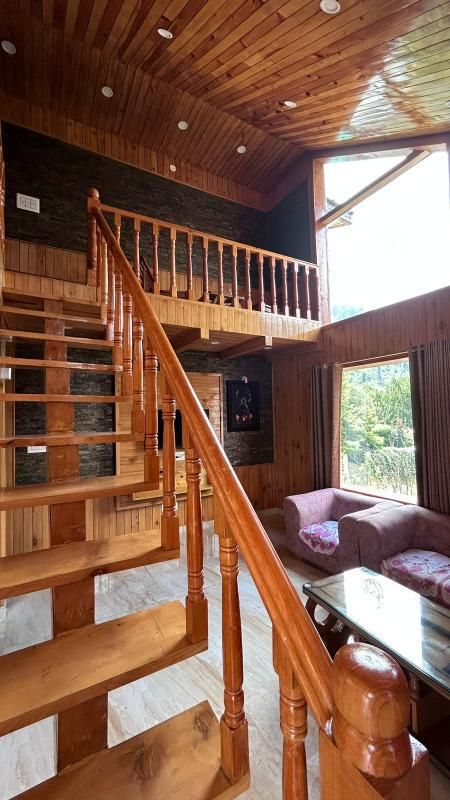
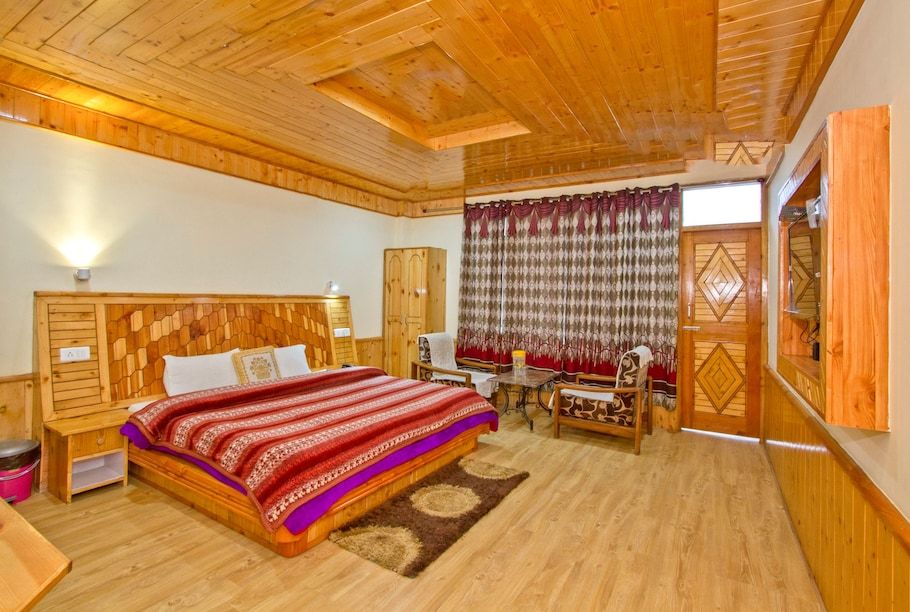
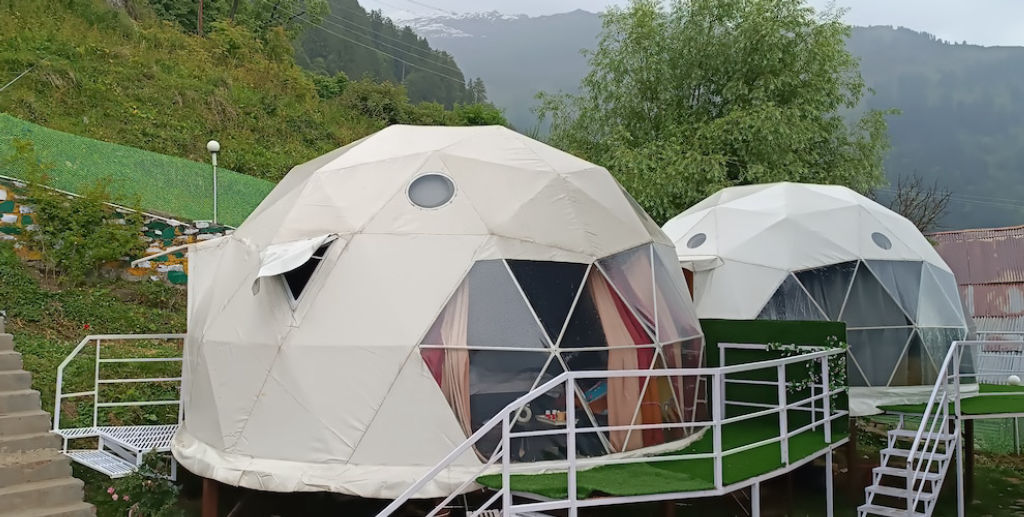
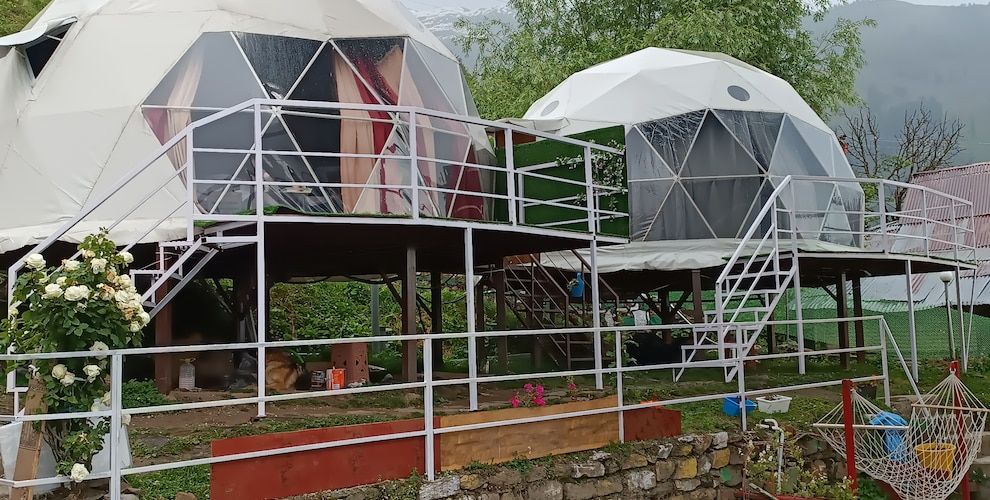
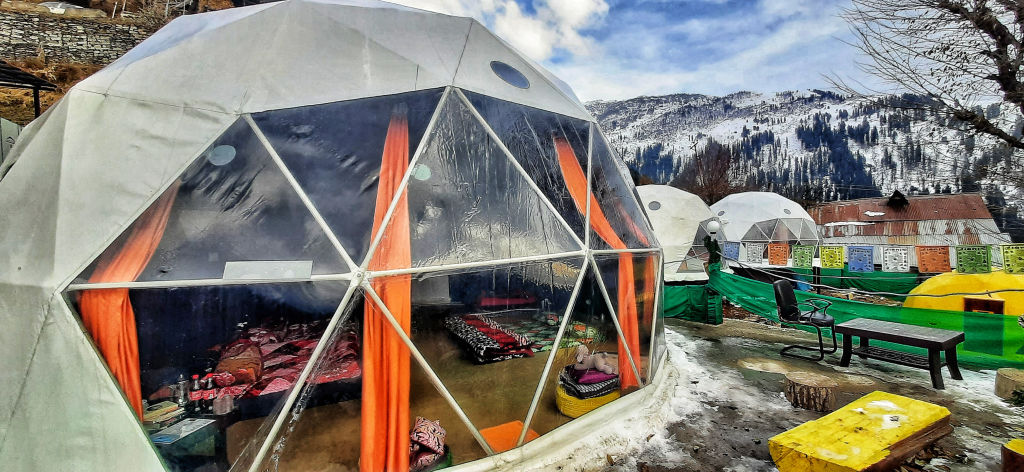
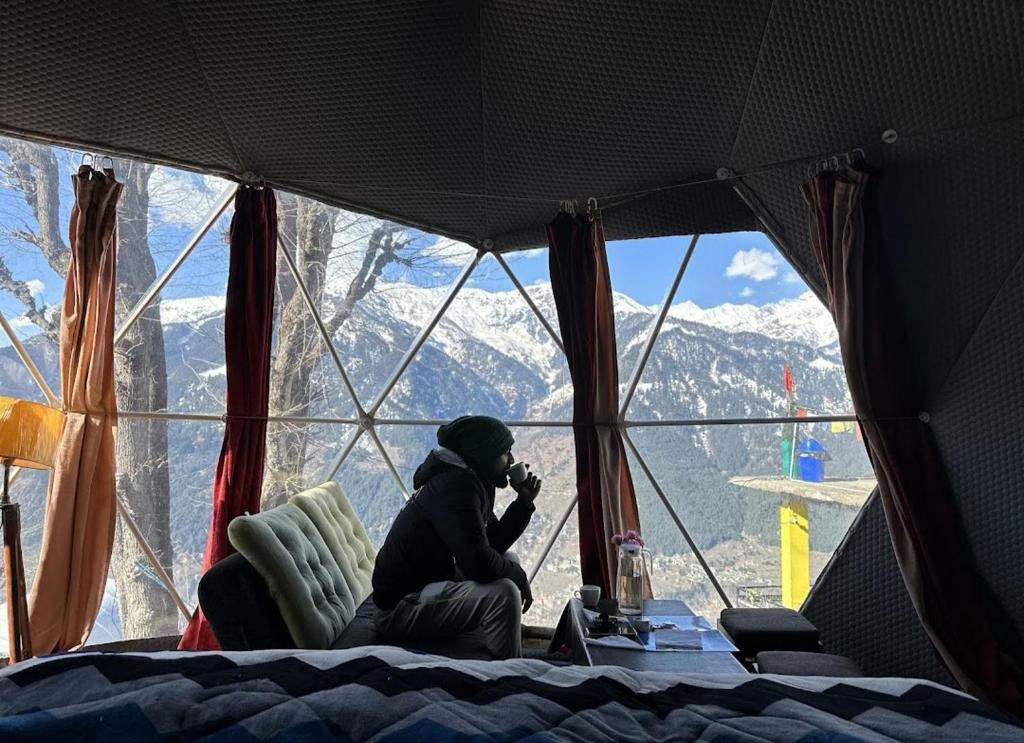
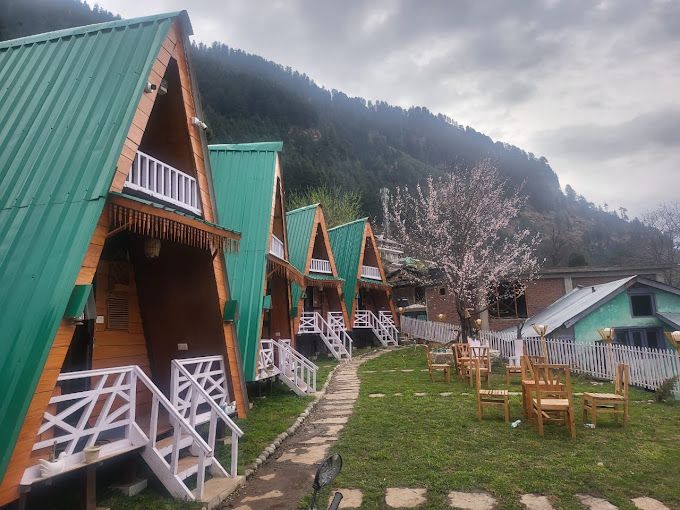
Staying in Sajla allows you to wake up to birdsong and mountain vistas rather than commercial traffic. The area offers a selection of peaceful homestays, traditional stone-and-timber cottages, and scenic outdoor campsites surrounded by orchards and forests.
Staying with a local family provides a genuine opportunity to taste home-cooked Himachali meals made from fresh, locally grown produce. You can find authentic homestays, mountain cottages, and campsite options in and around Sajla by browsing listings on HireACamp.
Frequently asked questions
What is Sajla best known for?
Sajla is renowned for its tranquil rural atmosphere, the ancient wooden Vishnu Temple, and the scenic Sajla Waterfall tucked within a nearby pine forest.
How far is Sajla from Manali?
Sajla is situated roughly ten to twelve kilometres south of Manali along the scenic left bank road, typically taking about twenty to thirty minutes by road.
Is the hike to Sajla Waterfall difficult?
No, the hike is short and relatively easy, following a clearly defined forest trail from the village that takes roughly fifteen to twenty-five minutes of steady walking.
Does it snow in Sajla during winter?
Yes, Sajla receives snowfall during peak winter months, usually between late December and February, turning the village and surrounding orchards white.
Can I visit Sajla on a day trip from Manali or Naggar?
Yes, Sajla is located between Naggar and Manali, making it an easy and popular day trip for a quiet walk, temple visit, and waterfall excursion.
Where you'll be
12 stays nearby shown with prices
Stays near Sajla
Book a place to stay close by
Things to do in Sajla
48 places creators recommend within 30 km


Built from 0 Instagram posts by 0 creators. Every tip links back to the post it came from, and where creators disagree we show both sides.






