
Guru Vashishtha Temple
Temple near Gadherni, Himachal Pradesh
700 m from Gadherni
The nearest town, for stays, food and fuel.
Guru Vashishtha Temple is an ancient and revered shrine dedicated to Sage Vashistha, located in the Kullu Valley near Manali in Himachal Pradesh. Set against forested slopes above the Beas River, the temple attracts pilgrims and travellers interested in traditional Himalayan wood craftsmanship and regional spiritual history. The site is widely known for its natural sulfur-rich hot springs, which draw visitors looking to bathe in the mineral waters and explore the surrounding mountain paths.
Getting there
By road
- From GadherniNearest town28 min · 11 km
- From Chandigarh5 hr 55 min · 267 km
- From Ludhiana6 hr 20 min · 297 km
- From Amritsar8 hr 20 min · 408 km
Typical drive times without traffic. Stations and airports from OLA Maps; distances and typical drive times from OpenStreetMap (© OpenStreetMap contributors); notes from creators' Reels.
About Guru Vashishtha Temple
Written with AI from map data and general knowledge. Check prices and timings locally before you go.
About Guru Vashishtha Temple
Guru Vashishtha Temple holds immense spiritual importance in the Kullu Valley. According to Hindu belief, Sage Vashistha was one of the Saptarishis (seven great rishis) and the royal preceptor to the Ikshvaku dynasty, which included Lord Rama. Legend recounts that after enduring deep personal grief, the sage wandered into the Himalayan ranges seeking peace and chose this quiet spot overlooking the valley for his rigorous meditation and penance.
The shrine is believed to have existed in various forms for many centuries, serving as the cultural and religious heart of the village that bears the sage's name. As you approach the temple courtyard, the fragrance of mountain deodar wood and burning incense greets you. The complex retains an unhurried, contemplative rhythm, reflecting the quiet mountain lifestyle that has existed in these high-altitude settlements for generations.
Architecture and the Sacred Hot Springs
The temple structure exemplifies indigenous western Himalayan architecture, characterized by intricate cedar and deodar wood carvings and traditional stone masonry. Detailed engravings depicting deities, mythic creatures, floral motifs, and geometric borders adorn the door frames, pillars, and eaves. Inside the sanctum sanctorum stands a carved black stone idol of Sage Vashistha clad in traditional robes, preserved reverently by the local community.
Adjacent to the temple complex are natural sulfur hot water springs, emerging straight from subterranean geothermal vents in the mountainside. The water is channelled into stone-lined public bathing tanks, with designated, separated enclosures for men and women. The mineral-rich water maintains a warm to hot temperature throughout the year and is traditionally considered by locals to hold healing properties for tired muscles and skin ailments. Visitors often take a dip before offering prayers at the sanctum.
Read more
Best time to visit Guru Vashishtha Temple
Guru Vashishtha Temple is accessible throughout the year, but the experience shifts dramatically with the change of seasons. The spring and summer months from April to June offer pleasant weather, clear valley views, and comfortable conditions for walking through village pathways. During these months, the surrounding orchards are in bloom, and the mountain air remains crisp and cool.
Monsoon season, typically spanning July and August, brings heavy rainfall across Himachal Pradesh. While the greenery is lush, road travel during this period can be affected by landslides and slushy terrain. Autumn, from September through November, is widely regarded as one of the most scenic periods to visit, marked by dry days, brilliant blue skies, and golden foliage. Winter, from December to February, transforms the village under blankets of snow. Visiting the steaming hot springs on a freezing winter morning is a remarkable contrast, though warm layers and sturdy footwear are essential.
How to reach Guru Vashishtha Temple
Guru Vashishtha Temple is situated in the upper Beas Valley in Himachal Pradesh, just a short drive across the river from the main town of Manali. Local auto-rickshaws, shared taxis, and private cabs are readily available from central Manali to take you up to the temple village. Those who enjoy walking can also take a leisurely uphill hike along quiet residential roads and hillside paths connecting the town to the settlement.
The nearest airport is Bhuntar Airport near Kullu, located approximately fifty kilometres south of Manali. From the airport, taxis and state buses operate regularly along the national highway toward Manali. If travelling by train, the closest broad-gauge railway stations are Chandigarh and Kalka, both several hours away by scenic mountain road. Intercity private and state-run overnight buses connect Delhi and Chandigarh directly with Manali, from where local transport easily reaches the temple gate.
Places to visit and trails nearby
The area surrounding the temple is a natural starting point for scenic day hikes. One of the most popular trails leads to Jogini Waterfall, a striking cascade tucked into the forested cliffside. The route winds through quiet village paths, pine woods, and terraced apple orchards, offering sweeping panoramic perspectives of the river valley and snow-clad peaks. The walk to the base of the waterfall is moderate and well-trodden, making it accessible for casual walkers and trekking enthusiasts alike.
For more committed mountaineers, the region serves as an access corridor for higher alpine routes, such as the trek toward high-altitude glacial waters like Bhrigu Lake. Walking along the narrow lanes around the temple also introduces travellers to old wooden village houses, traditional woven shawls, and roadside craft stalls that reflect the rich cultural fabric of northern Himachal Pradesh.
Tips for your visit
Because Guru Vashishtha Temple is an active place of daily worship, visitors are asked to observe local religious customs. Dress modestly, covering your shoulders and knees before entering the temple compound. Footwear and leather items must be removed and left at designated storage areas outside the main sanctum.
If you plan to use the hot spring baths, carry a change of clothes, a small dry towel, and a waterproof bag. The baths can become crowded during peak tourist mornings, so an early arrival ensures a more peaceful dip. Photography rules inside the sanctum can change based on temple committee guidelines, so check with local caretakers before taking pictures or recording videos inside.
Where to stay near Guru Vashishtha Temple
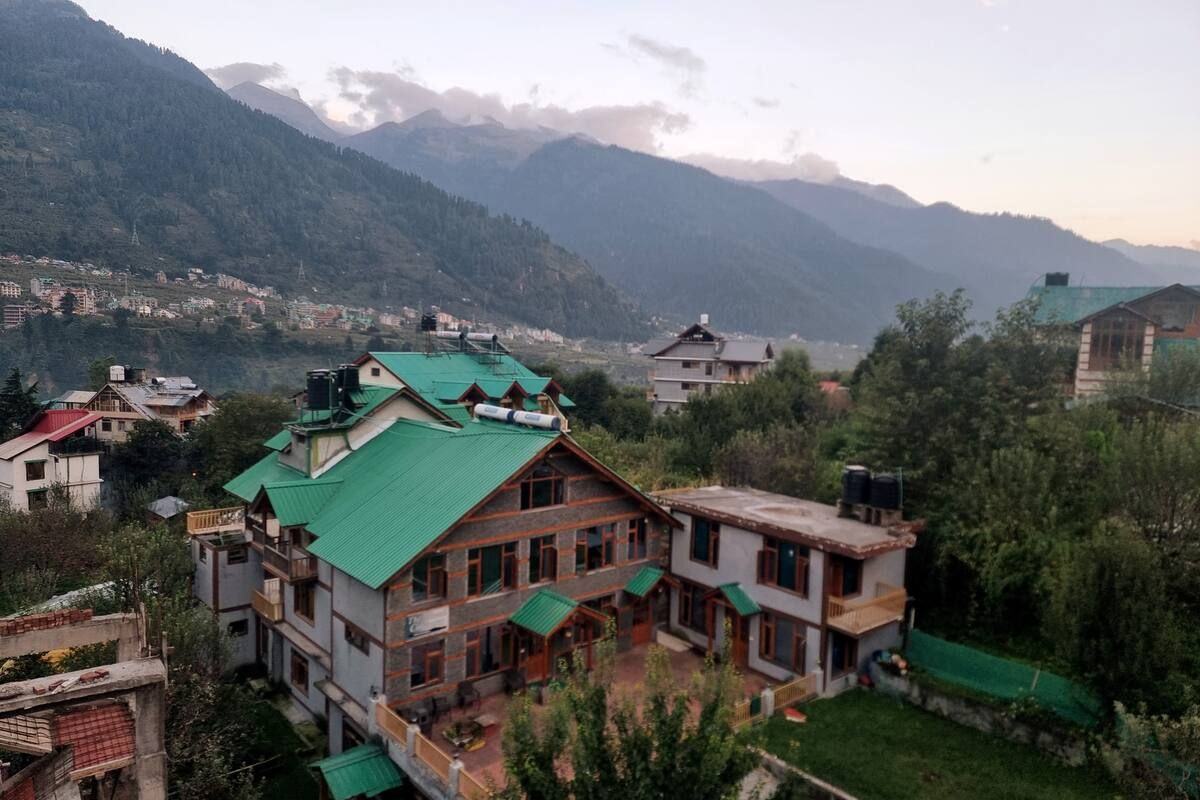
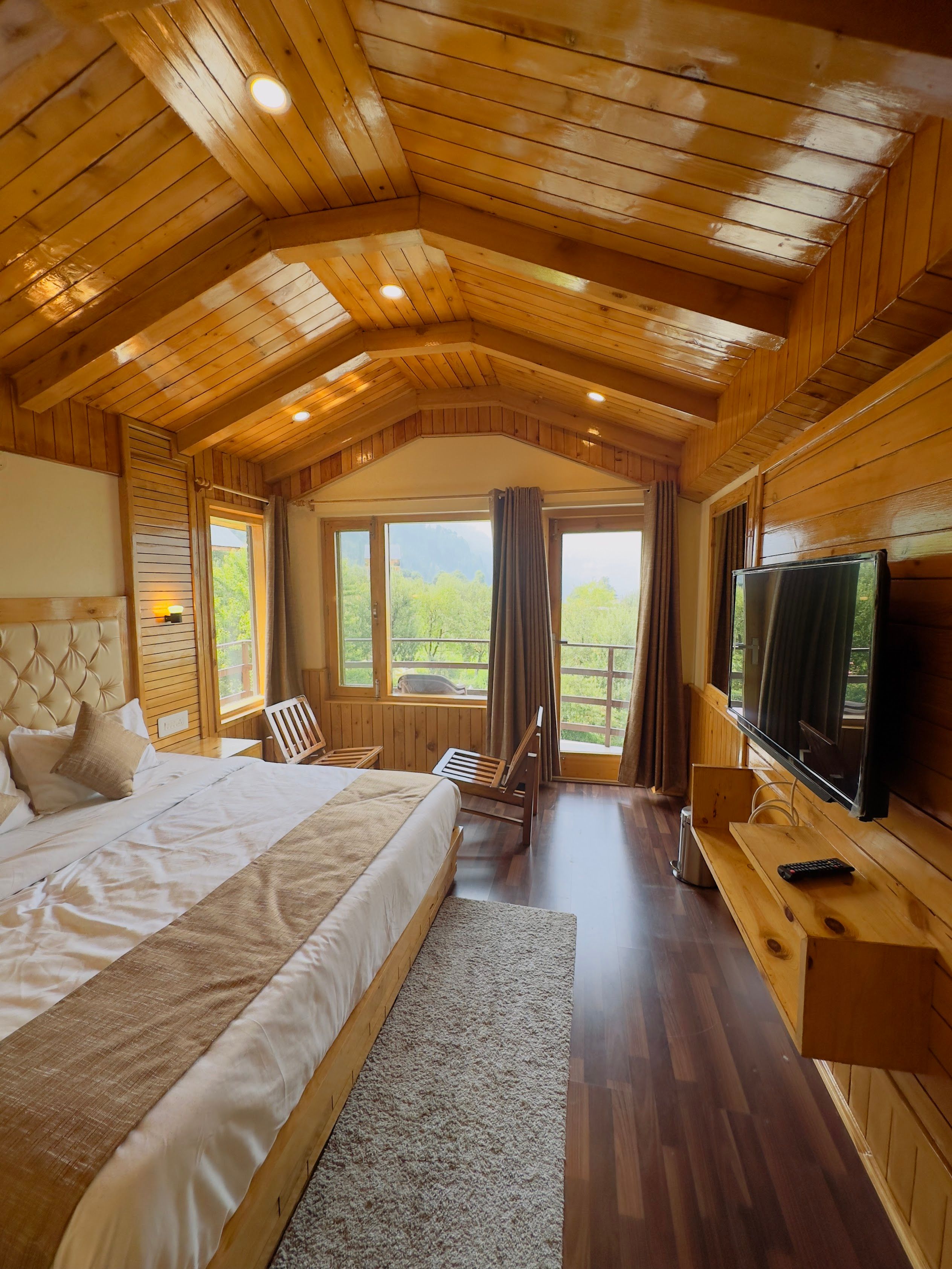
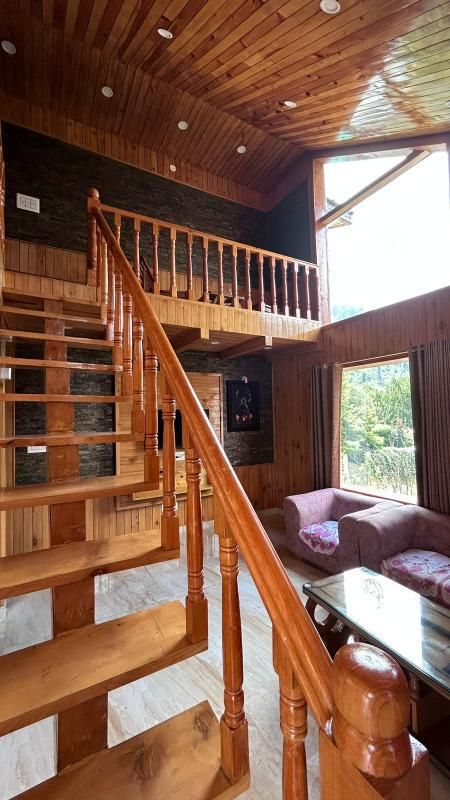
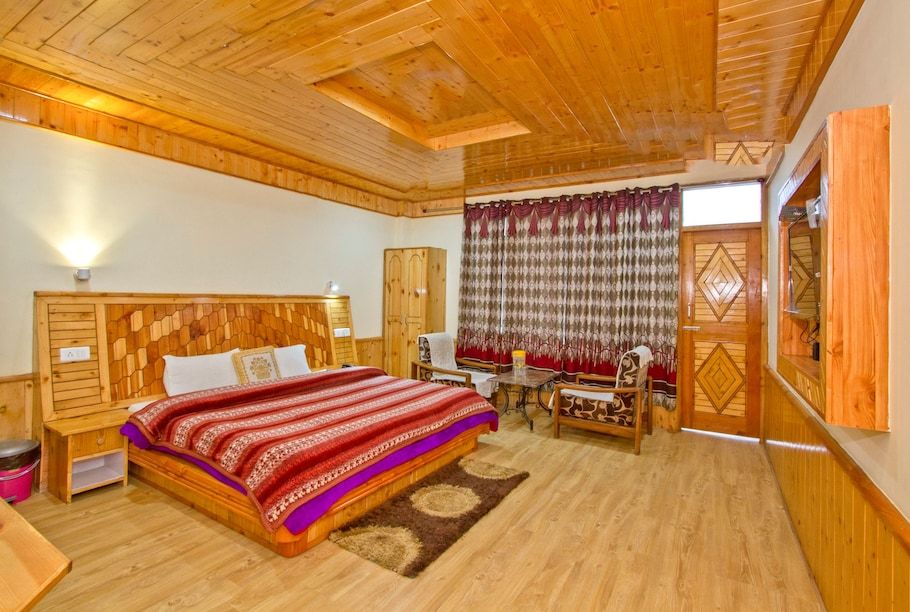
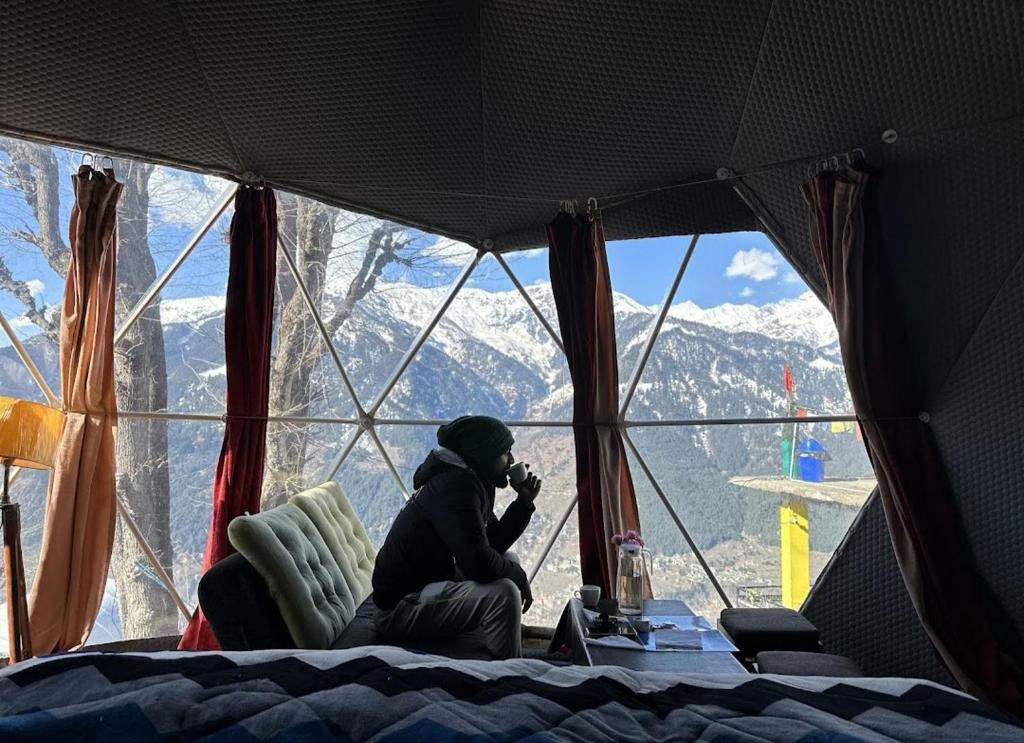
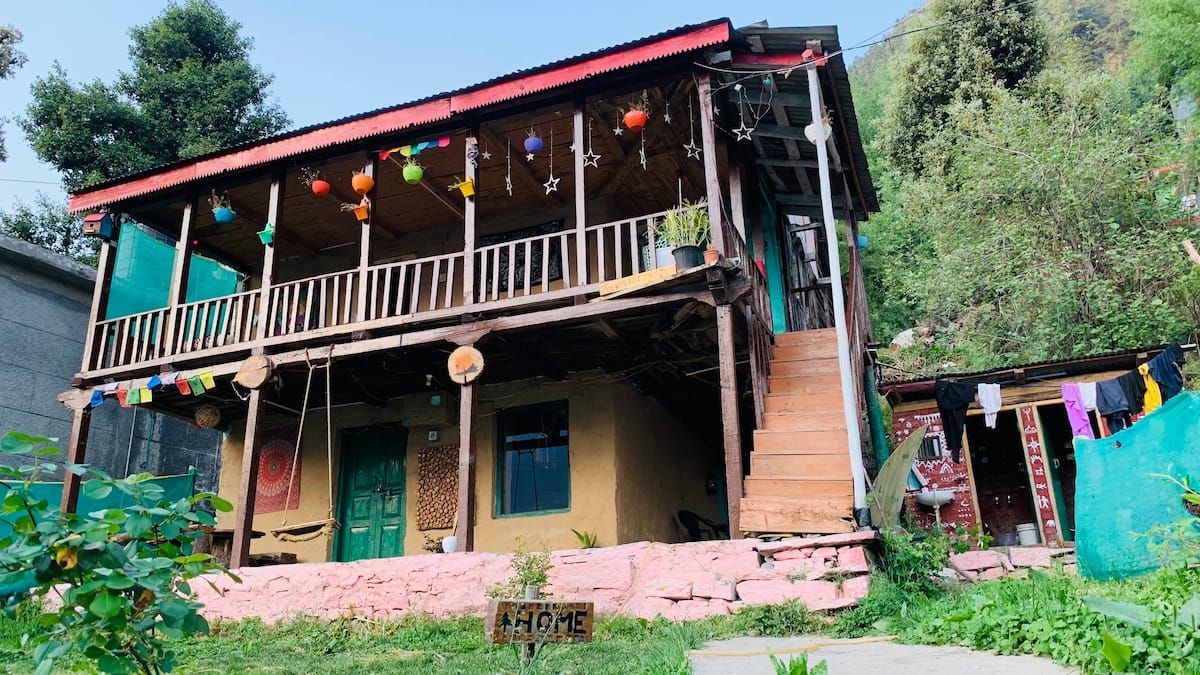
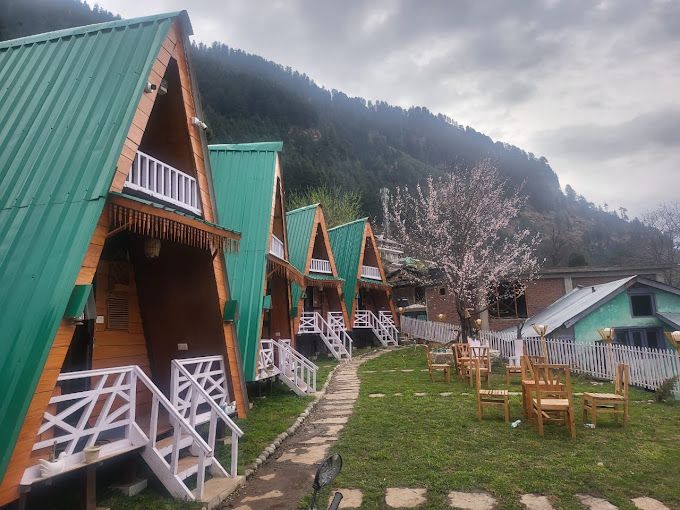
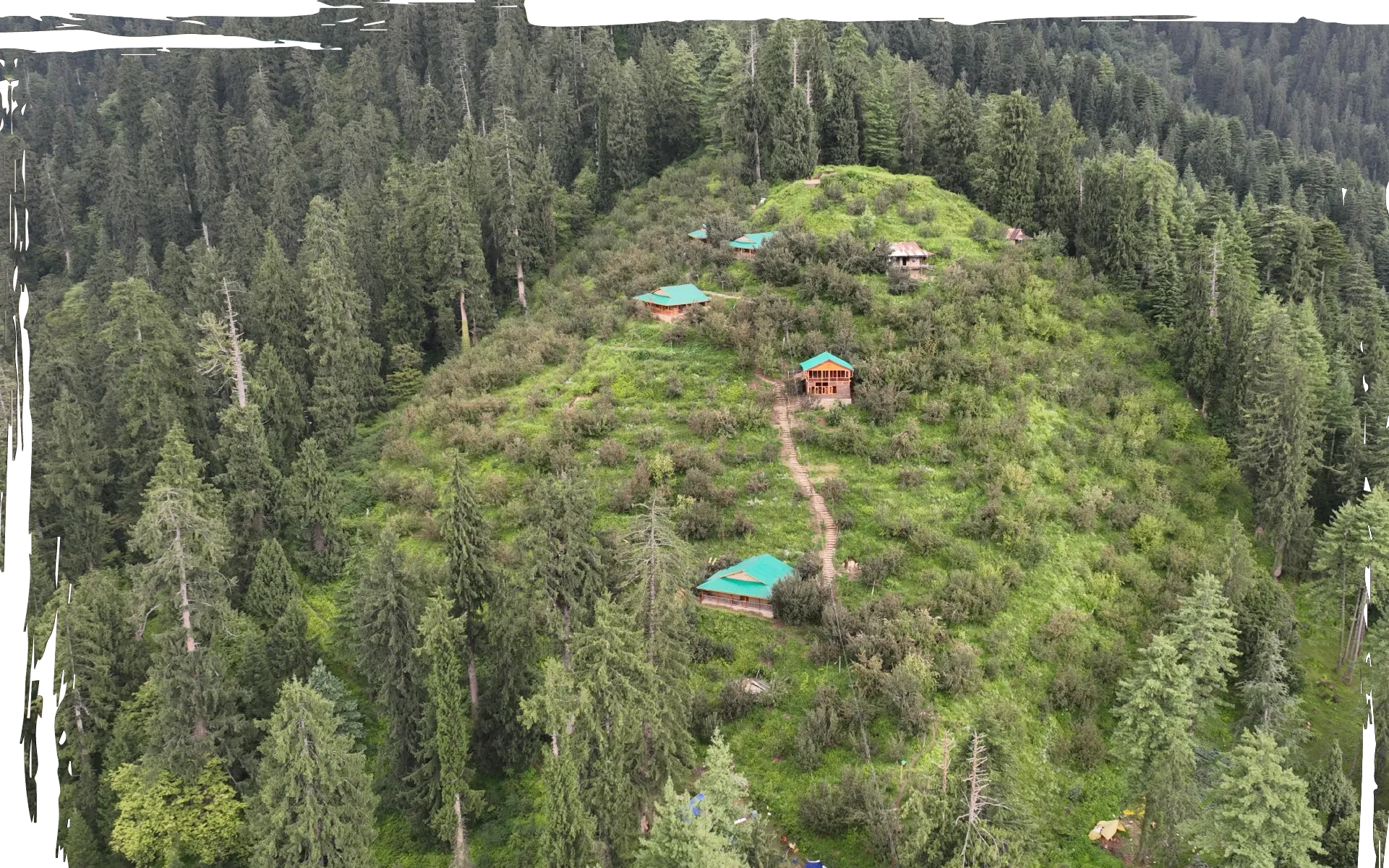
The upper reaches of Manali and the Kullu Valley provide diverse lodging choices for nature lovers and pilgrims. Staying slightly outside the busiest town areas allows you to experience quiet mountain nights and wake up to views of snow-dusted ridges.
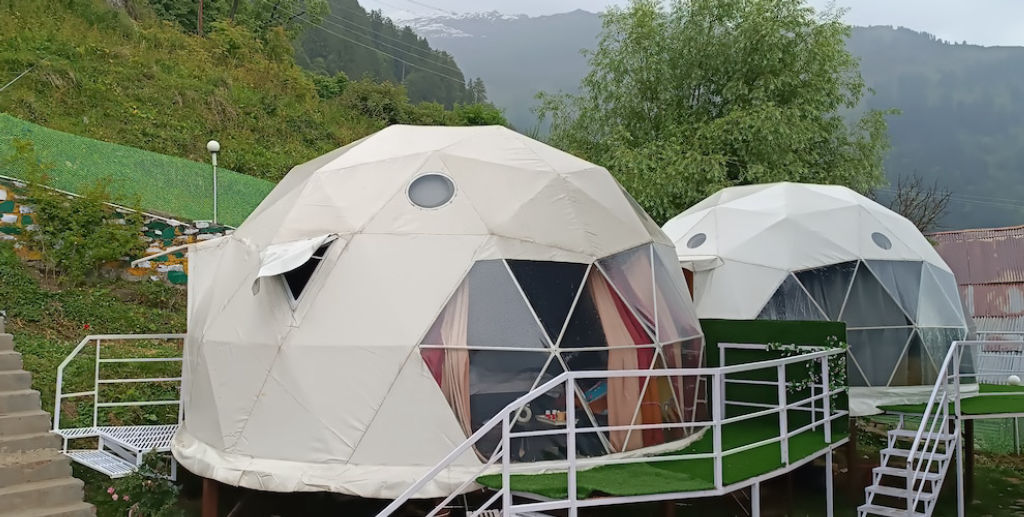
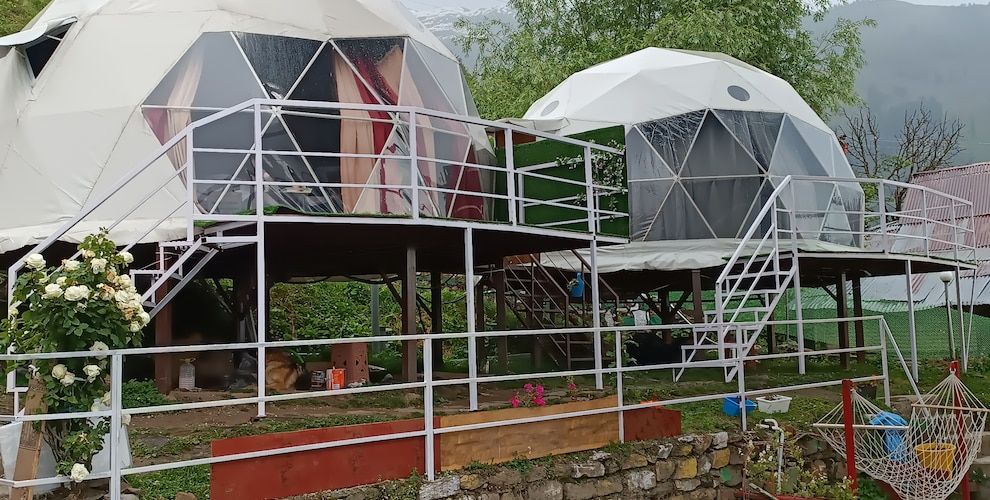
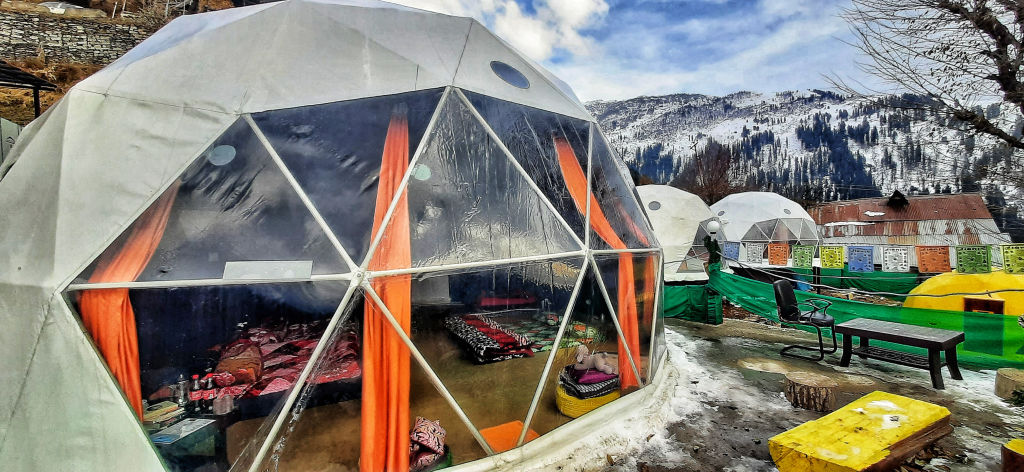
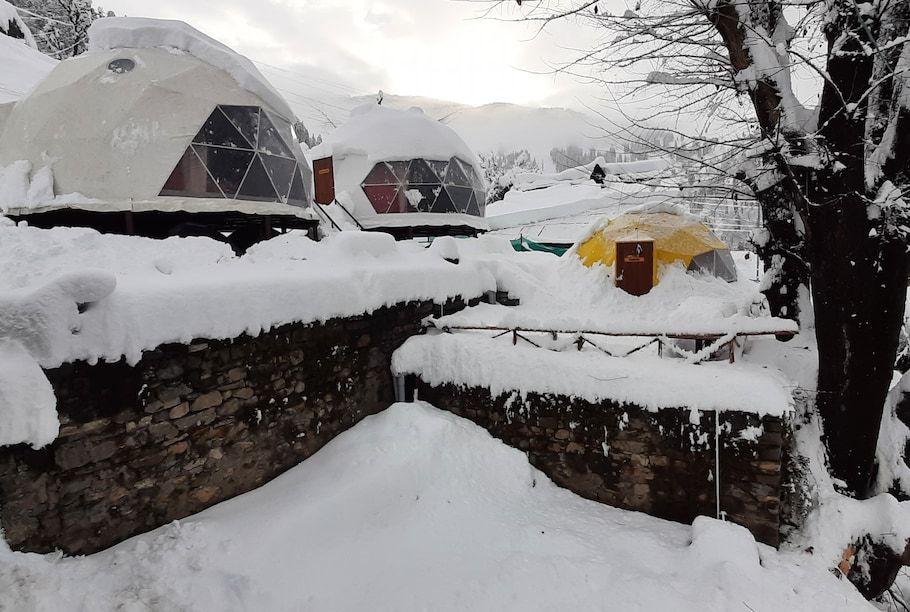
Travellers looking for an authentic mountain getaway can find riverside campsites, alpine homestays, and rustic cottages through HireACamp. Booking a stay in the surrounding pine glades or apple orchards puts you within easy reach of the temple, scenic walking trails, and traditional Himachali hospitality.
Frequently asked questions
Where is Guru Vashishtha Temple located?
The temple is located near Bahanu Bridge in the Manali sub-district of Himachal Pradesh, situated on the eastern slopes of the Beas River valley.
Are there hot water springs at Guru Vashishtha Temple?
Yes, natural geothermal sulfur springs flow through the temple premises into enclosed stone tanks, with separate bathing areas maintained for men and women.
Can you walk to Jogini Waterfall from the temple?
Yes, a popular and scenic walking trail begins from the temple village and winds through pine woods and apple orchards to reach Jogini Waterfall.
Is there an entry fee to visit Guru Vashishtha Temple?
There is generally no entry fee to visit the shrine or the public bathing pools, though visitors are advised to check locally regarding guidelines for temple offerings and storage.
What is the best time of year to visit?
Spring and autumn offer clear skies and comfortable walking conditions, while winter provides the unique experience of visiting steaming hot springs surrounded by snow.
Where you'll be
Bahanu Bridge, Manali Sub-District · 12 stays nearby shown with prices
Stays near Guru Vashishtha Temple
Book a place to stay close by
More places near Guru Vashishtha Temple
Within 20 km


Built from 0 Instagram posts by 0 creators. Every tip links back to the post it came from, and where creators disagree we show both sides.






