
Zero Point, Rohtang Pass
Viewpoint near Gadherni, Himachal Pradesh
700 m from Gadherni
The nearest town, for stays, food and fuel.
Zero Point at Rohtang Pass is an iconic alpine viewpoint located high above the Kullu Valley near Manali in Himachal Pradesh. Perched along the historic mountain corridor connecting Kullu with the high-altitude deserts of Lahaul and Spiti, it draws travellers looking for sweeping Himalayan panoramas and lingering snow. Visitors journey here to witness massive glaciers, sharp ridgelines, and vast stretches of pristine mountain terrain.
Getting there
By road
- From GadherniNearest town4 min · 1.1 km
- From Chandigarh5 hr 35 min · 264 km
- From Ludhiana6 hr · 294 km
- From Amritsar8 hr · 405 km
Typical drive times without traffic. Stations and airports from OLA Maps; distances and typical drive times from OpenStreetMap (© OpenStreetMap contributors); notes from creators' Reels.
About Zero Point, Rohtang Pass
Written with AI from map data and general knowledge. Check prices and timings locally before you go.
About Zero Point, Rohtang Pass
Zero Point at Rohtang Pass marks one of the most celebrated high-altitude vantage points in Himachal Pradesh. Situated at an elevation exceeding 3,900 metres, Rohtang Pass serves as the traditional gateway between the verdant slopes of the Kullu Valley and the arid, rain-shadow expanse of Lahaul and Spiti. The area designated as Zero Point typically represents the highest accessible snow zone or viewing terminal along the pass where travellers halt to soak in the dramatic landscape.
The name Rohtang historically translates to a pile of corpses in the local dialect, a testament to the unpredictable blizzards and treacherous crossings endured by ancient traders and pastoralists who crossed this pass on foot. Today, the route is well engineered and draws outdoor enthusiasts from across the world who come to marvel at the raw grandeur of the Pir Panjal range.
Landscape and views at Zero Point
Standing at Zero Point offers an unobstructed window into the geological drama of the Western Himalayas. Looking south, one can see the tree line give way to rolling alpine meadows and deep river gorges carved by the Beas River. To the north and east, the landscape shifts abruptly into barren, craggy peaks and shimmering moraines characteristic of the trans-Himalayan plateau.
On clear days, the horizon is dominated by snow-bound massifs, hanging glaciers, and knife-edge ridges that remain white well into late spring and summer. The wind here is fierce and continuous, constantly sculpting the snowdrifts and driving cloud shadows across the barren valley floor. The sheer openness of the terrain gives visitors an overwhelming sense of scale, with peaks soaring well past 6,000 metres framing the high mountain pass.
Read more
Best time to visit Zero Point
Access to Zero Point at Rohtang Pass is seasonal and strictly governed by heavy snowfall, snow clearance operations, and regional road safety directives. Typically, the road opens to civilian traffic between late May or early June and remains accessible until October or early November, depending on seasonal weather patterns.
During June and July, visitors can often witness substantial patches of snow even as lower valleys experience summer warmth. The monsoon months of late July and August bring lush greenery to the lower ascents, but travellers must stay alert to rainfall, cloud cover, and potential road blockages along the steep mountain highways. By September and October, the skies clear to an intense blue, offering the sharpest visibility of the surrounding peaks and crisper, cooler alpine conditions before winter blizzards seal the pass once again.
How to reach Zero Point from Manali
Zero Point is accessed via the mountain highway leading north from Manali. The journey winds uphill through dense cedar forests, transitioning through settlements like Palchan and Kothi before climbing through the zigzag switchbacks of Gulaba and Marhi. The road journey typically takes a few hours, though travel times fluctuate significantly depending on mountain traffic, weather conditions, and morning vehicle flow.
Vehicles traveling to Rohtang Pass are subject to local administrative regulations aimed at environmental preservation, which often include vehicle quotas and mandatory daily transit permits. It is recommended to arrange permits well in advance and consult local transportation desks or drivers in Manali for current road clearance statuses and vehicle requirements before setting out.
Tips for high-altitude safety and comfort
Due to the sudden gain in altitude from Manali to over 3,900 metres at Rohtang Pass, altitude sensitivity is common. Travellers should spend at least a full day or two acclimatising at the altitude of Manali before ascending towards Zero Point. Drink plenty of water, avoid heavy physical exertion upon arrival, and move at a gentle, measured pace.
Temperatures at Zero Point can drop sharply within minutes if cold mountain gusts sweep across the ridge. Dressing in windproof and waterproof outer layers over thermal inner wear is essential, even in summer. Sturdy footwear with dependable grip is recommended for walking on slick ice or packed snow. Additionally, high UV reflection off the snow makes polarised sunglasses and high-factor sun protection indispensable.
Places to visit around the Kullu Valley
A trip to Rohtang Pass naturally pairs with exploring the diverse cultural and natural landmarks around Manali. Lower down along the valley, travellers can visit the historic Hidimba Devi Temple, set inside the tranquil deodar sanctuary of Dhungri Van Vihar. The temple's tiered wooden pagoda architecture offers a quiet contrast to the windswept passes above.
Outdoor lovers can also explore day hikes towards Jogini Waterfall or plan multi-day treks towards high-altitude waters such as Bhrigu Lake. Further down the Parvati and Beas catchments, village communities and mountain trails like the route to Kheerganga offer prolonged immersion in the forested wilderness and rustic lifestyle of rural Himachal Pradesh.
Where to stay near Zero Point, Rohtang Pass
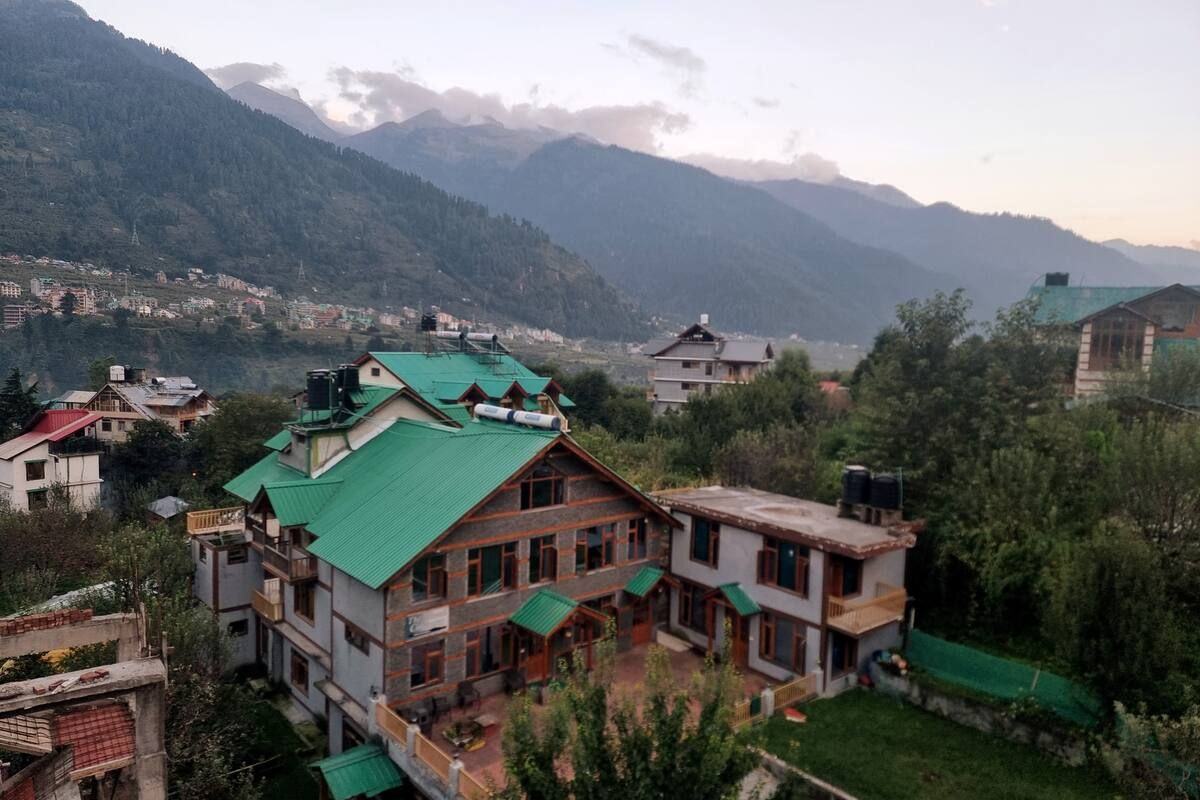
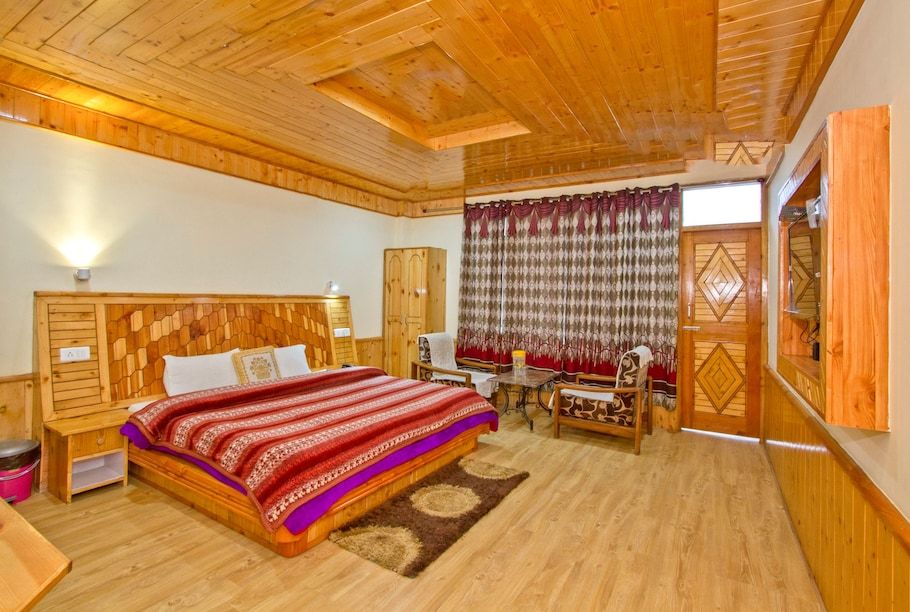
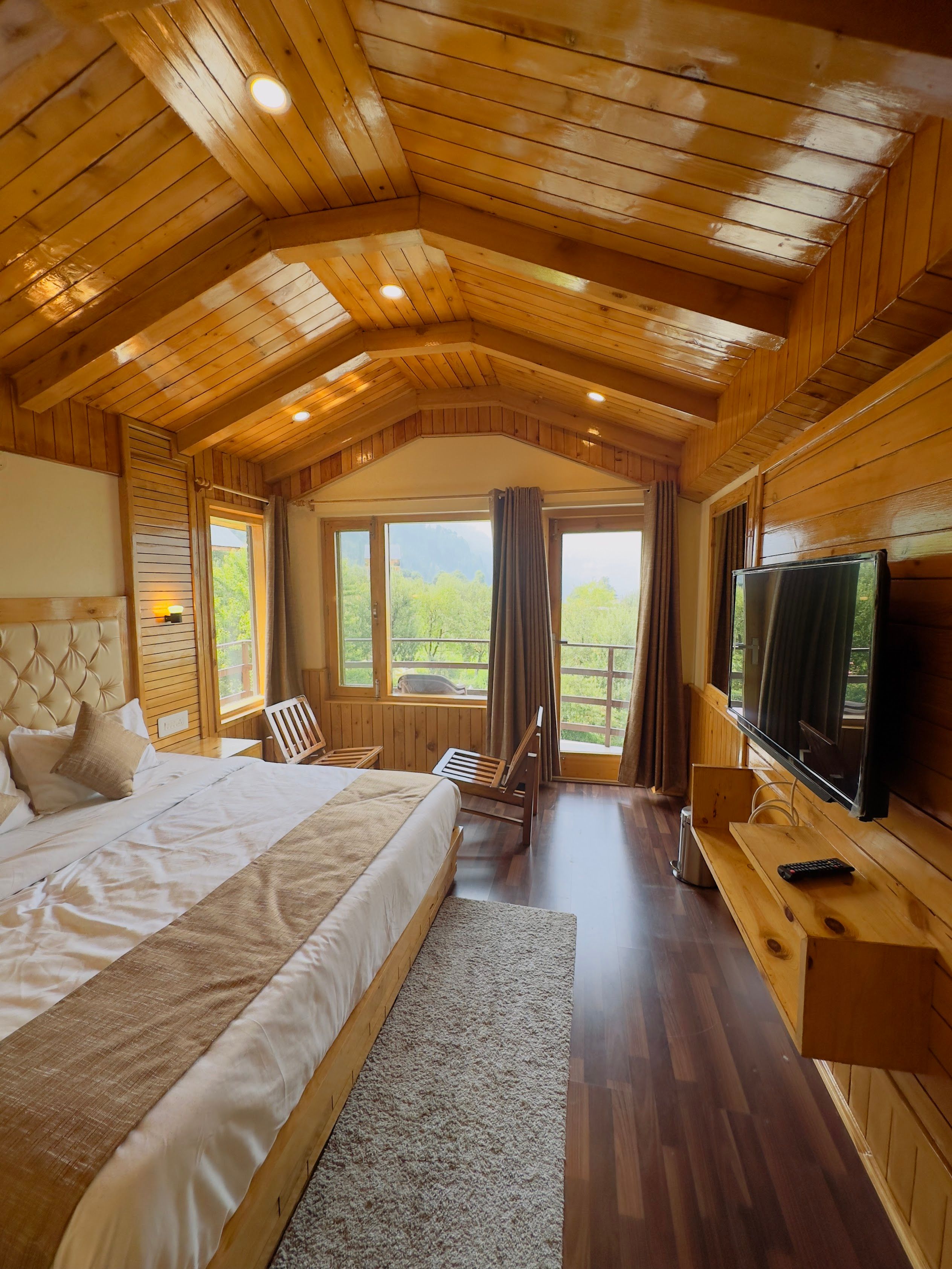
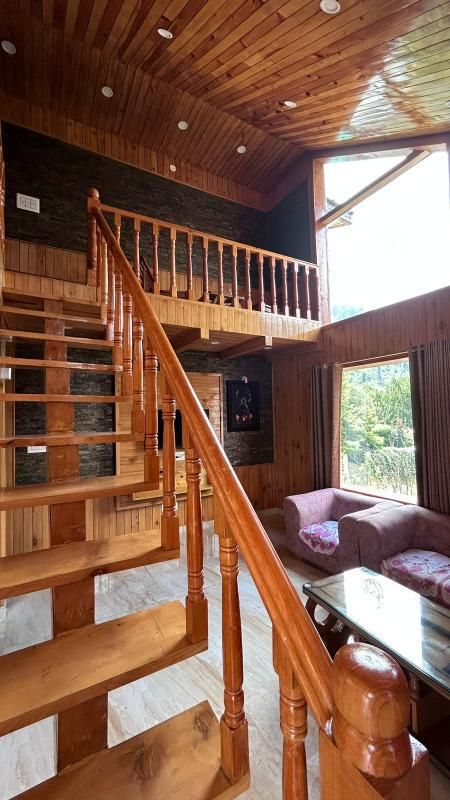
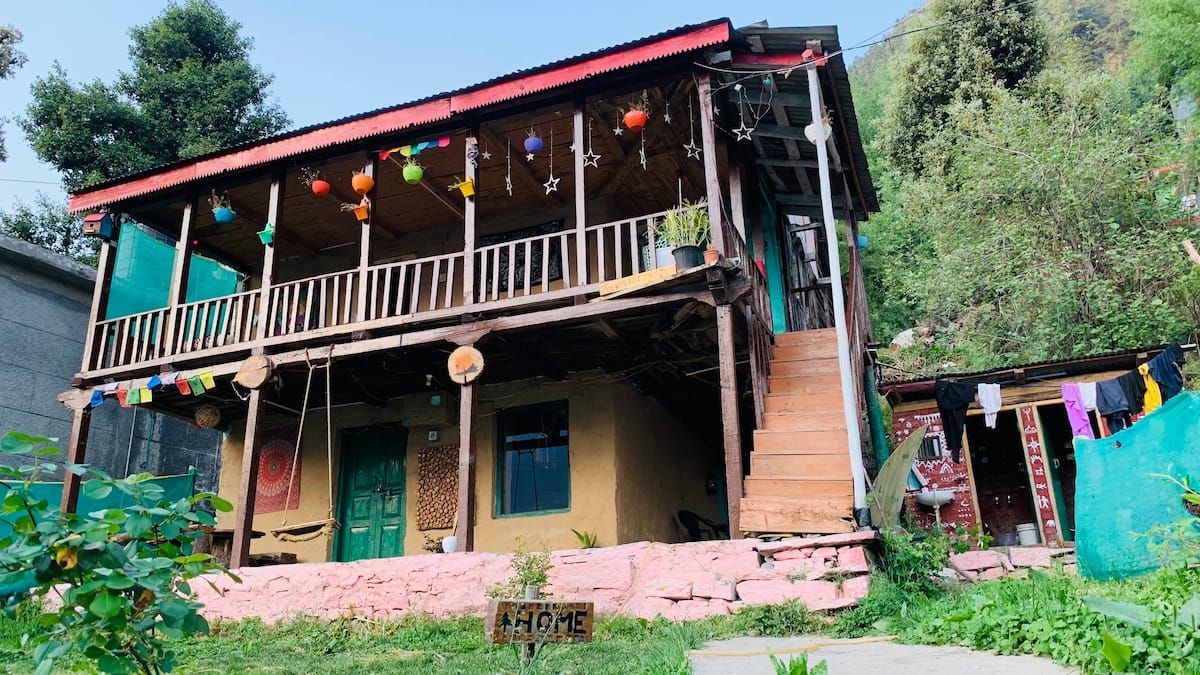
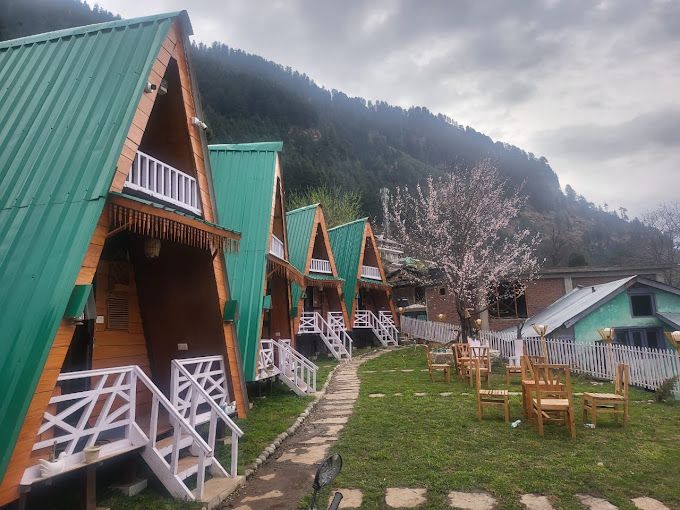
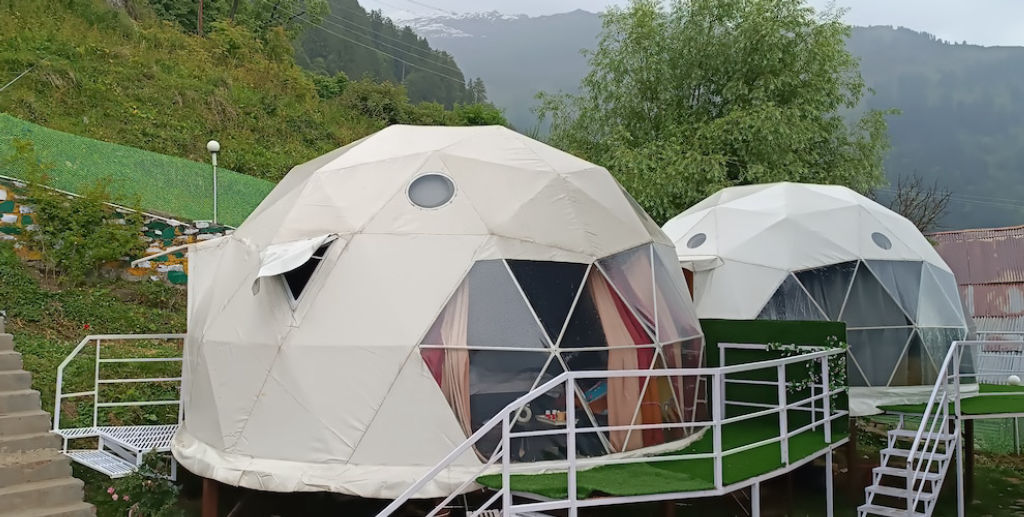
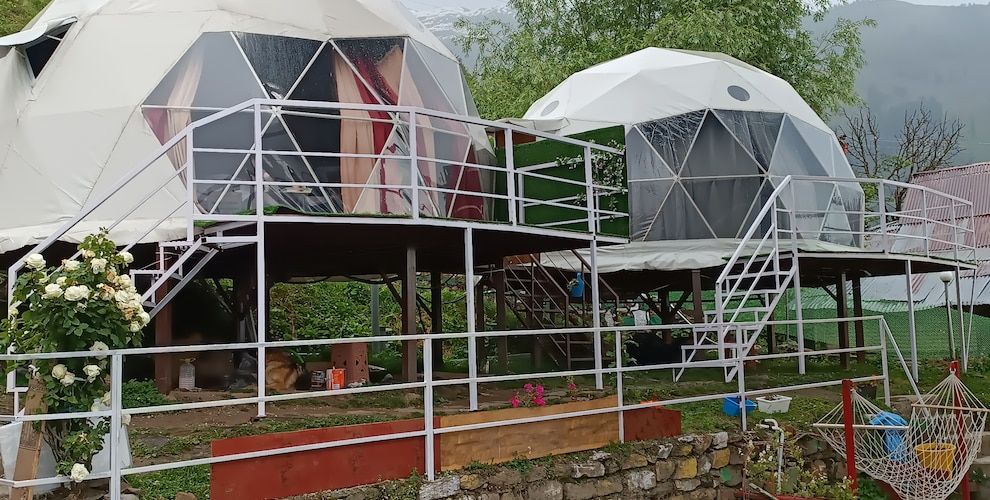
Because overnight camping and commercial accommodation are generally restricted directly on the pass for ecological and safety reasons, most visitors choose to stay in or around Manali and the nearby upper valley villages. Staying in quieter hamlets along the river or in traditional hillside orchards provides a peaceful base with convenient morning access to the Rohtang highway.
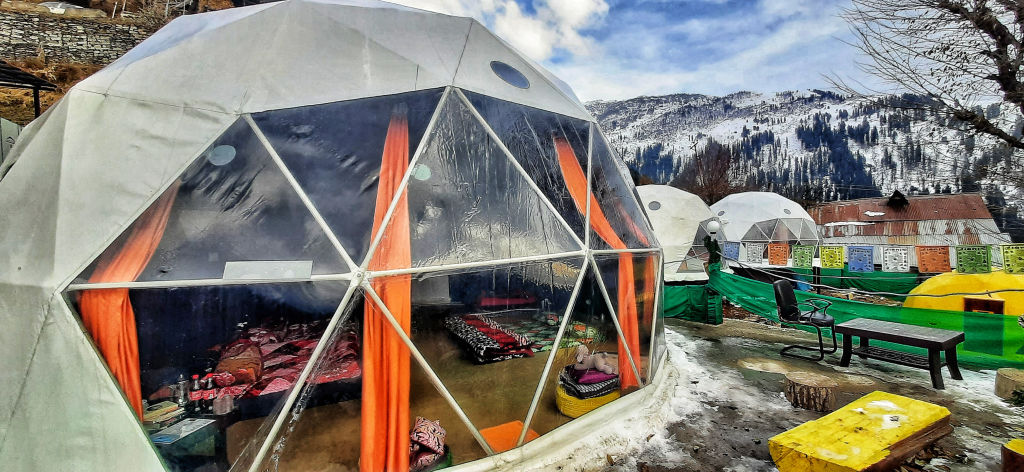
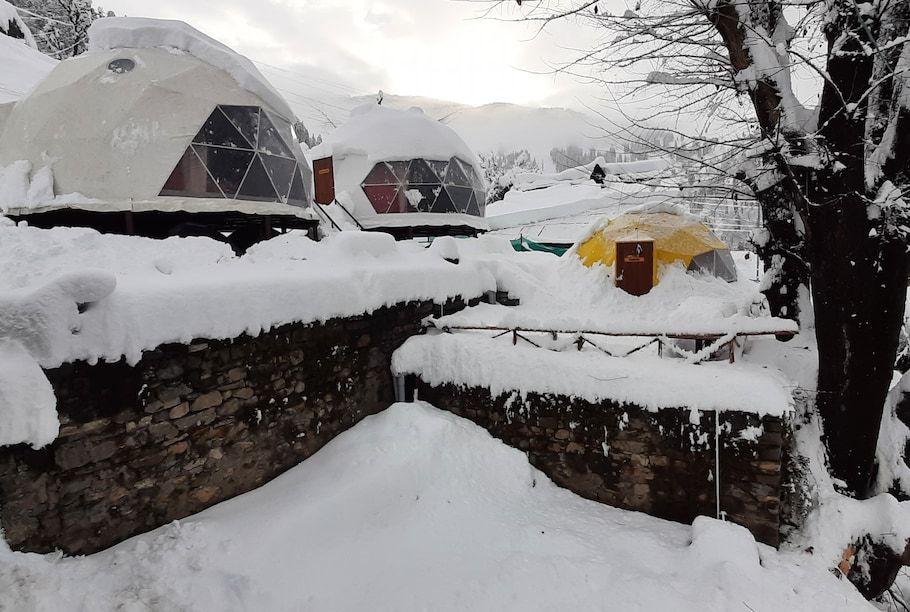
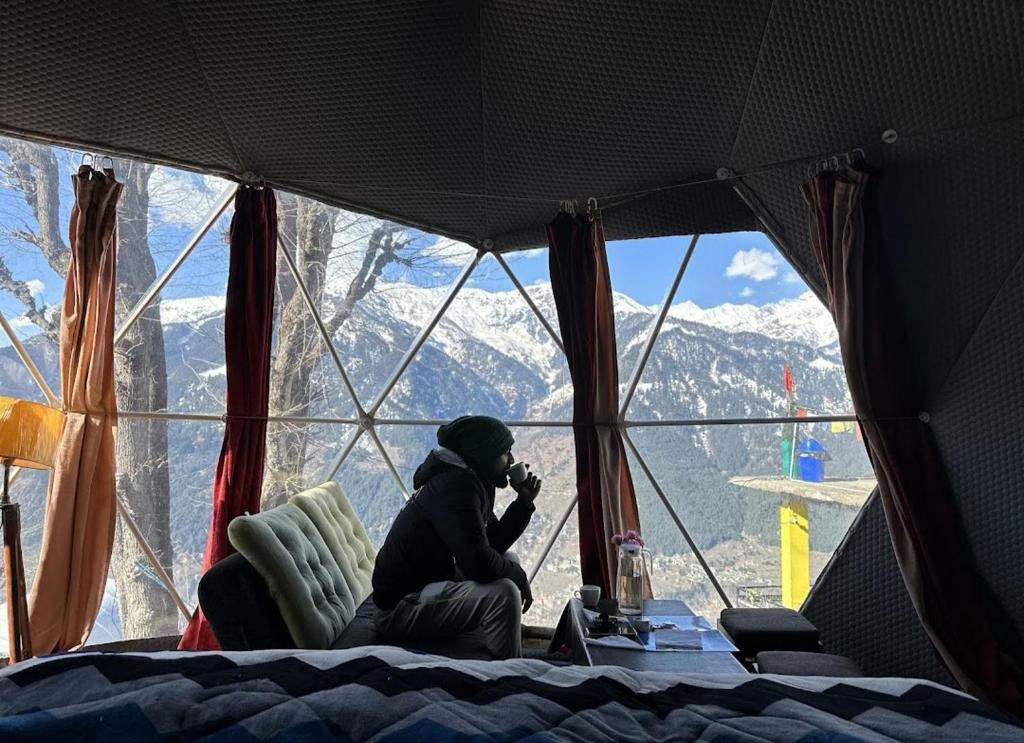
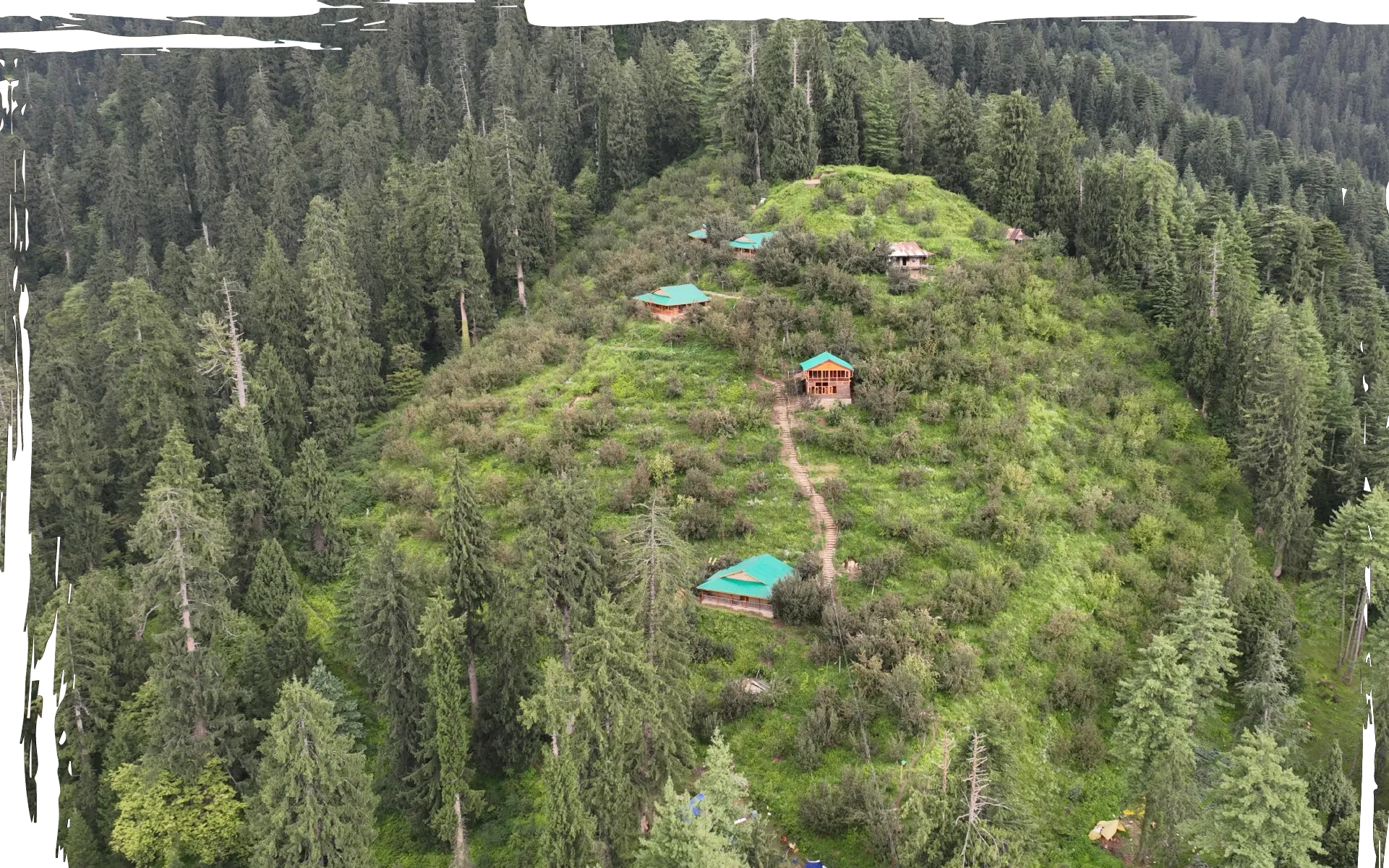
Travellers looking for authentic outdoor getaways, riverside camps, rustic cottages, and warm local homestays can explore a wide variety of verified listings across the Manali region directly on HireACamp.
Frequently asked questions
Do I need a permit to visit Zero Point at Rohtang Pass?
Yes, visits to Rohtang Pass are regulated by the local administration to manage environmental impact and traffic. Travellers must obtain an official vehicle permit before making the journey from Manali.
Can I see snow at Zero Point during summer?
Snow is commonly found at Zero Point and upper Rohtang Pass well into June and early July. However, the exact amount of snow depends on the previous winter's accumulation and seasonal melting rates.
Is Zero Point suitable for elderly travellers and young children?
Yes, but caution is necessary due to the rapid change in elevation, thinner air, and chilly winds. Anyone with pre-existing respiratory or cardiovascular conditions should consult a doctor and take time to acclimatise in Manali first.
How cold does it get at Zero Point?
Even during peak summer months, daytime temperatures can hover in the single digits Celsius and quickly plunge when winds pick up. Warm layered clothing and windproof jackets are necessary at all times of the year.
Can you stay overnight at Zero Point?
Overnight stays directly at Rohtang Pass are restricted due to severe weather risks and conservation guidelines. Visitors travel up for daytime sightseeing and return to stay in Manali or surrounding valley settlements.
Where you'll be
Manali · 12 stays nearby shown with prices
Stays near Zero Point, Rohtang Pass
Book a place to stay close by
More places near Zero Point, Rohtang Pass
Within 20 km


Built from 0 Instagram posts by 0 creators. Every tip links back to the post it came from, and where creators disagree we show both sides.






