
Rudranaag
Waterfall near Gadherni, Himachal Pradesh
1.2 km from Gadherni
The nearest town, for stays, food and fuel.
Rudranaag is a striking natural waterfall set amidst the rugged, pine-clad mountains of Himachal Pradesh near Manali. Named after its distinct serpentine cascade that resembles a coiling snake, it serves as a scenic landmark and a refreshing halt for mountain hikers. Travellers visit Rudranaag to witness its tumbling glacial waters, breathe in crisp alpine air, and experience the quiet wilderness of the valley.
Getting there
By road
- From GadherniNearest town5 min · 1.7 km
- From Chandigarh5 hr 30 min · 264 km
- From Ludhiana6 hr · 294 km
- From Amritsar8 hr · 405 km
Typical drive times without traffic. Stations and airports from OLA Maps; distances and typical drive times from OpenStreetMap (© OpenStreetMap contributors); notes from creators' Reels.
About Rudranaag
Written with AI from map data and general knowledge. Check prices and timings locally before you go.
The Charm of Rudranaag Waterfall
Rudranaag is widely admired for its dramatic visual character and soothing natural setting. The waterfall takes its name from Hindu mythology, combining the titles of Lord Shiva, known as Rudra, with Naag, representing the serpent. As the mountain torrent crashes across rocky cliffs, the water curves and twists into a pattern reminiscent of a sacred serpent winding down the mountainside. The thunderous roar of the cascade echoing against stone faces creates an atmosphere that feels both untamed and deeply peaceful.
Surrounded by thick stands of deodar and pine, the area around Rudranaag is a sanctuary for nature enthusiasts looking to step away from busy mountain towns. The fine spray drifting from the falls cools the surrounding clearing even on bright summer days. A rustic bridge commonly crosses the nearby ravine, offering travellers an elevated vantage point to photograph the churning torrent, catch their breath, and listen to the uninterrupted music of high-altitude mountain streams.
The Mountain Trail and Surroundings
Reaching Rudranaag involves walking along scenic mountain footpaths that showcase the quintessential charm of Himachal Pradesh. The route meanders past traditional wooden homesteads, terraced alpine farms, and groves of ancient evergreen trees where sunlight filters through green canopies. Depending on the specific trail taken, walkers encounter swift mountain brooks and cross timber bridges that open up expansive vistas of distant snowy ridgelines.
The trail terrain transitions between gentle dirt tracks, earthen paths cushioned with fallen pine needles, and stepped rock sections. Small natural springs frequently bubble up along the wayside, nourishing emerald moss on granite boulders and small clusters of alpine blossoms. Arriving at the clearing by Rudranaag provides an inviting space to unpack a meal, stretch tired muscles, and take in the scale of the surrounding peaks.
Read more
Best Time to Visit Rudranaag
The mountain valleys of this region display distinct personalities across the year. The spring and summer months from April to June are widely considered the most pleasant window to visit Rudranaag. During this period, daytime temperatures remain agreeable, wild mountain flowers appear along the paths, and melting snowpack from the higher ridges feeds the waterfall into a full and vigorous flow.
Autumn, lasting from September through November, offers an equally rewarding trekking environment. The monsoon moisture clears away to reveal crystalline blue skies and remarkably fresh air. As tree foliage takes on hints of gold and amber, visibility across the mountain ranges is at its sharpest, making it a prime season for landscape photography.
The monsoon period between July and August brings heavy rain to the slopes of Himachal Pradesh, which makes footpaths slick and increases the danger of soil erosion and landslides. Visitors during the rains should exercise caution and pay attention to local weather alerts. Winter, from December to February, brings bitter cold and frequent snow cover, offering quiet winter views but requiring appropriate cold-weather preparation and careful footing.
How to Reach Rudranaag
Rudranaag is located in the upper reaches of Himachal Pradesh, with the mountain hub of Manali acting as the primary regional transit anchor. Travellers travelling from outside the state generally arrive via flights into Chandigarh or the regional airport at Bhuntar in Kullu, or arrive by train at Chandigarh or Ambala before taking long-distance buses or private cabs into the valley.
From the town of Manali or neighboring roadheads in the district, visitors take local transport towards the designated trailheads where walking paths begin. Because mountain paths are subject to shifting conditions and seasonal maintenance, it is always wise to consult local residents before starting out on foot. Engaging a local guide is a great way to ensure you follow the safest trail route while learning about the regional ecology and folklore along the way.
Essential Tips and Packing Advice
Heading out on a mountain hike towards Rudranaag requires practical preparation to ensure a comfortable day outdoors. Well-fitted hiking boots with good grip and ankle stability are strongly advised, as path surfaces range from loose shale to damp, wet rocks near water crossings. Carrying lightweight trekking poles can also ease pressure on the joints during steady ascents and descents.
Mountain weather is known to shift unexpectedly, making layered clothing the best approach. A moisture-wicking base layer paired with a fleece jacket and a windproof or waterproof outer layer will keep you comfortable across changing conditions. Always carry a refillable water bottle, trail snacks such as nuts or energy bars, basic first-aid supplies, and sun protection including sunscreen and a wide-brimmed hat.
Maintaining ecological responsibility is vital in these mountain valleys. Visitors are encouraged to observe Leave No Trace habits by carrying every piece of plastic or trash back to designated collection points in town. Refraining from disturbing wildlife and avoiding loud music on the paths preserves the peaceful atmosphere for all who walk the trail.
Places to Visit Nearby
The broader area surrounding Rudranaag and Manali is filled with notable natural landmarks and cultural stops. Within short reach of central Manali lies Dhungri Van Vihar, an expansive deodar park ideal for gentle woodland walks. Adjacent to the forest stands the historic Hidimba Devi Temple, revered for its intricate wood-carved pagoda roofline and historic presence among tall cedar trees.
Hikers seeking more trail time can venture to Jogini Waterfall near Vashisht village, where water cascades down tall rock faces, or look into the alpine route leading toward Bhrigu Lake. Further down the district, the well-known Kheerganga trekking route and the quiet riverside village of Pulga present opportunities to explore traditional wooden architecture, apple orchards, and sweeping views of the greater Himalayan ranges.
Where to Stay near Rudranaag
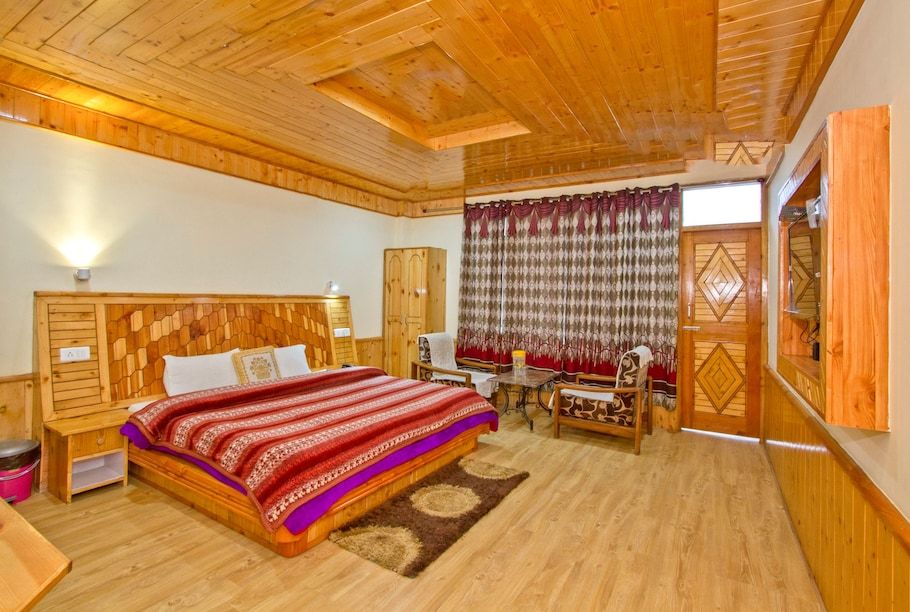
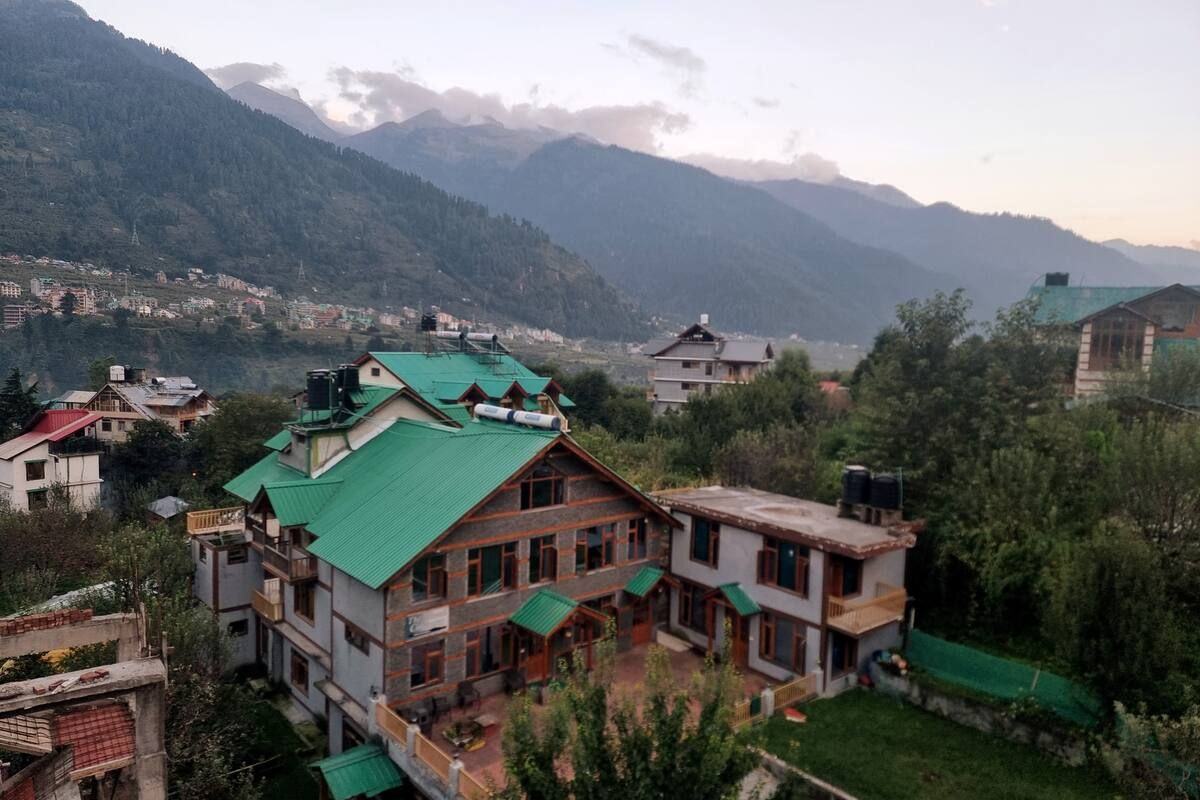
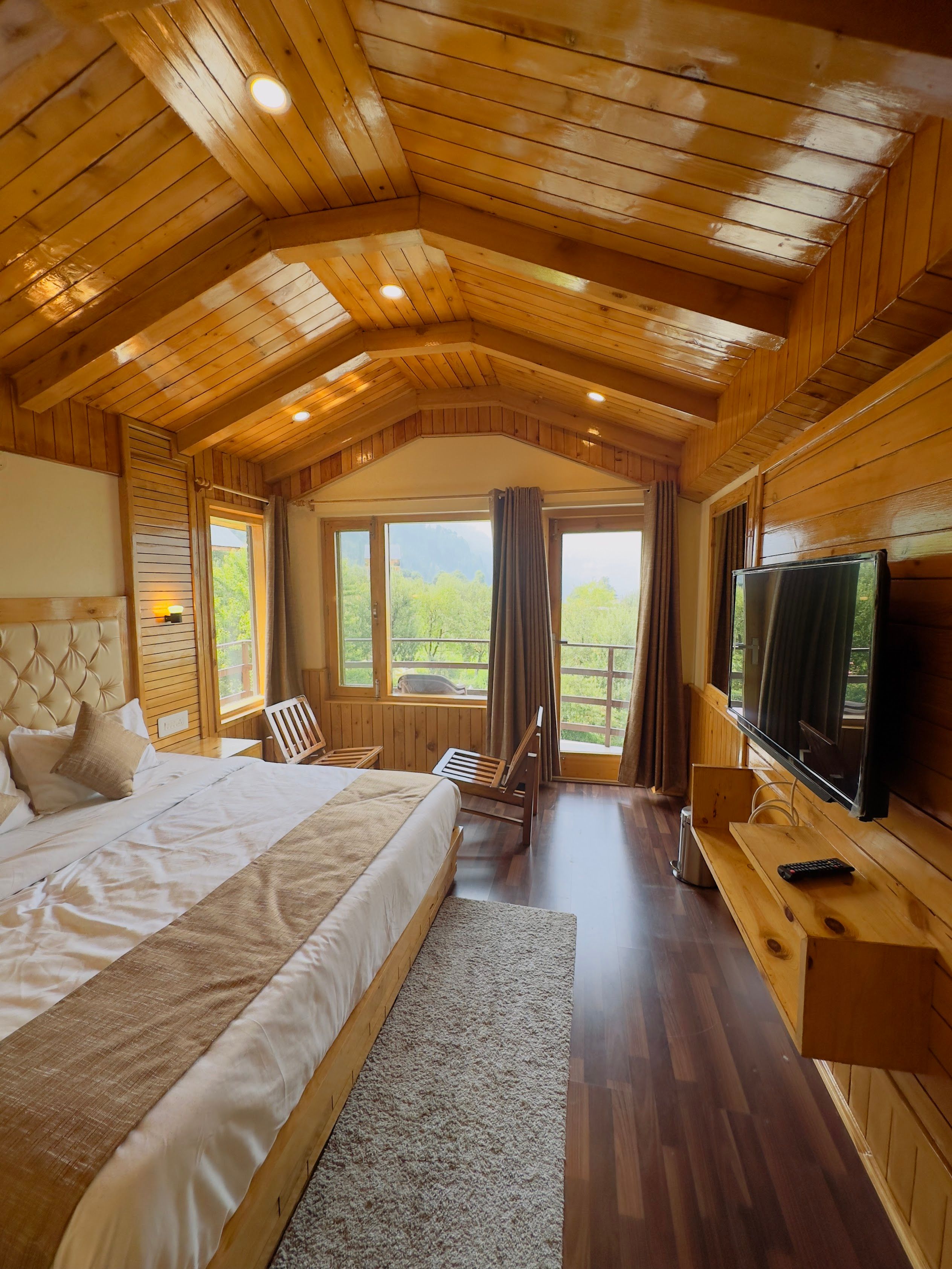
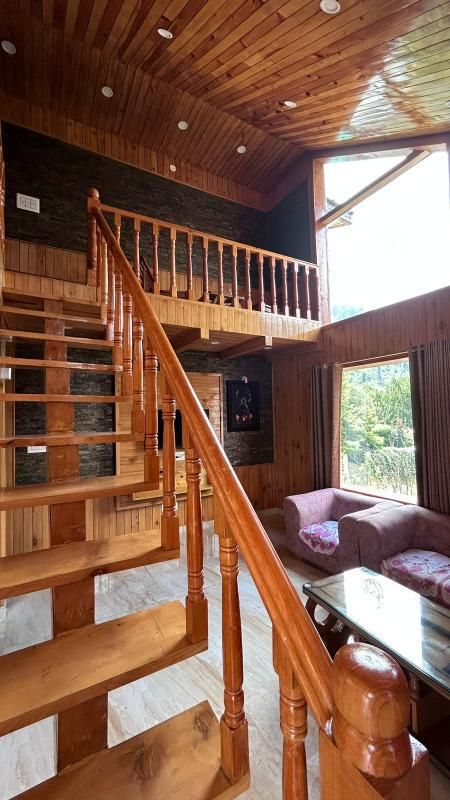
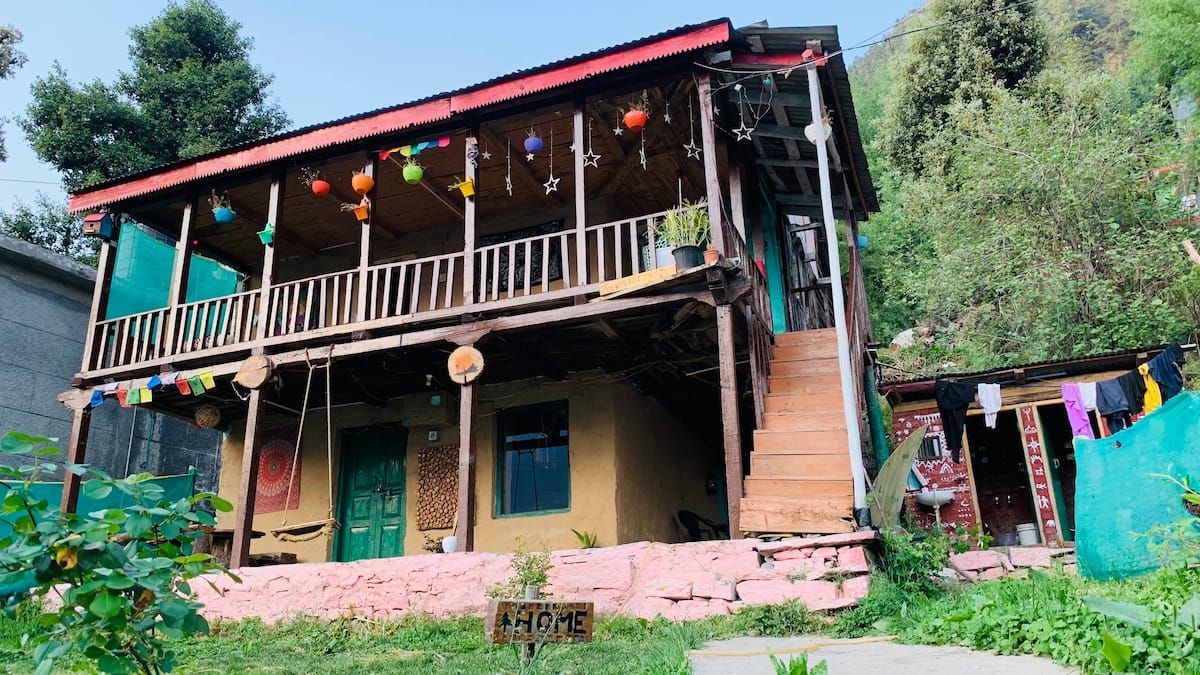
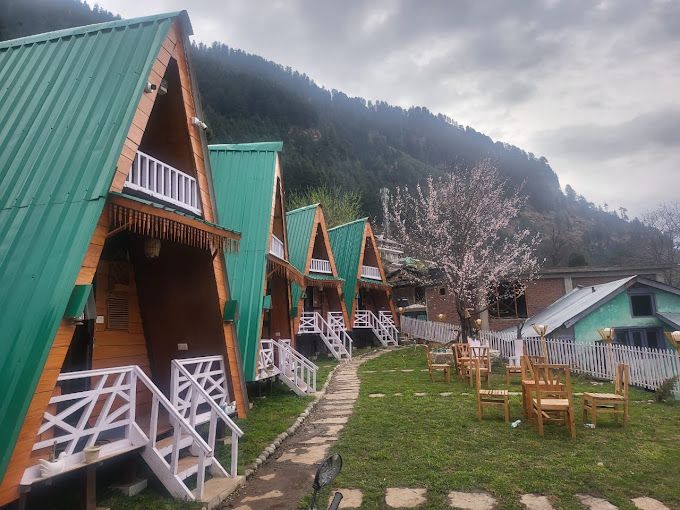
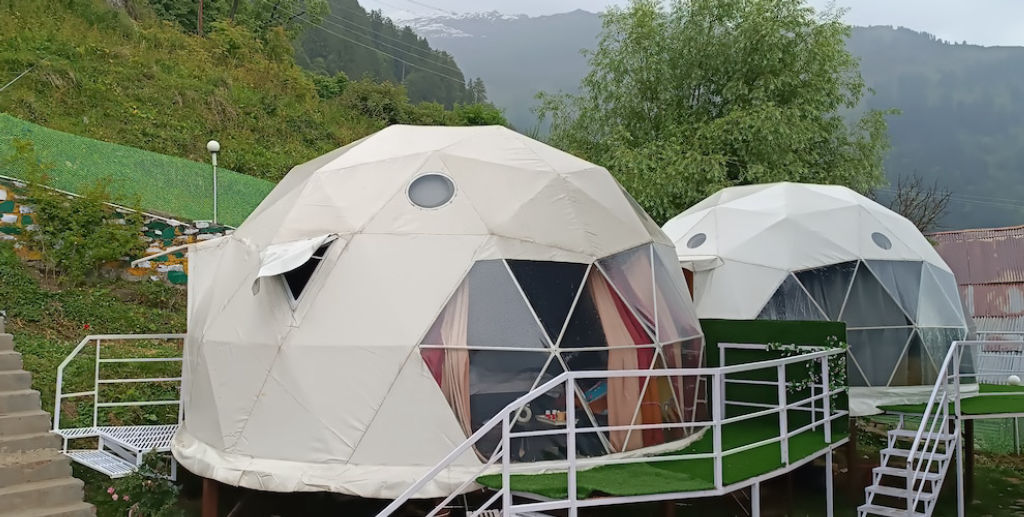
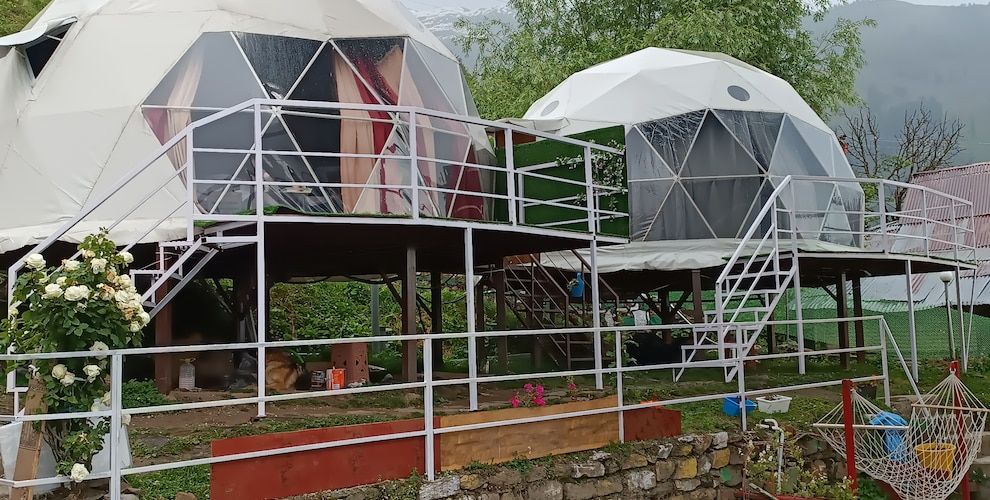
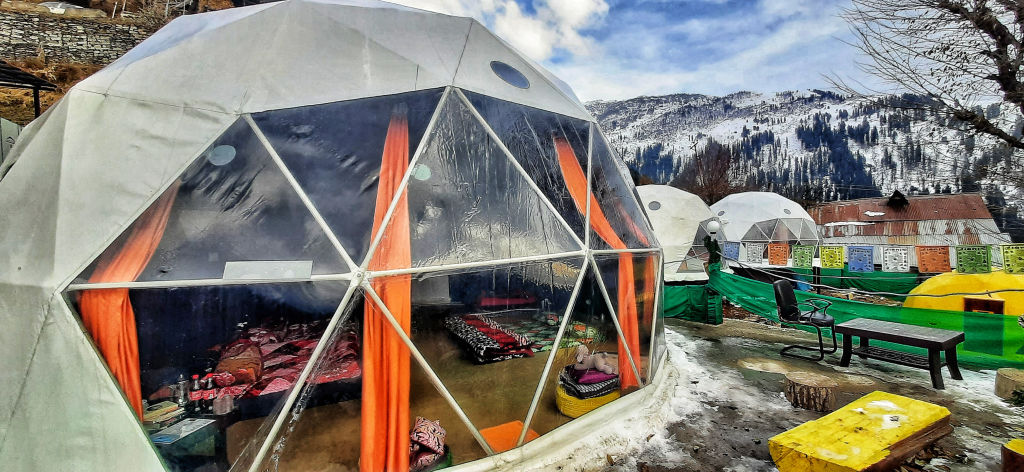
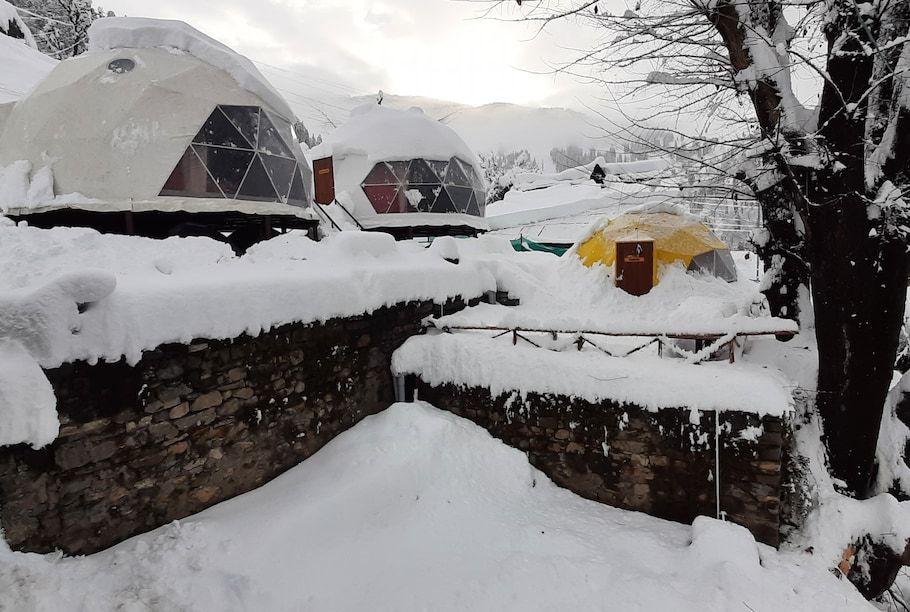
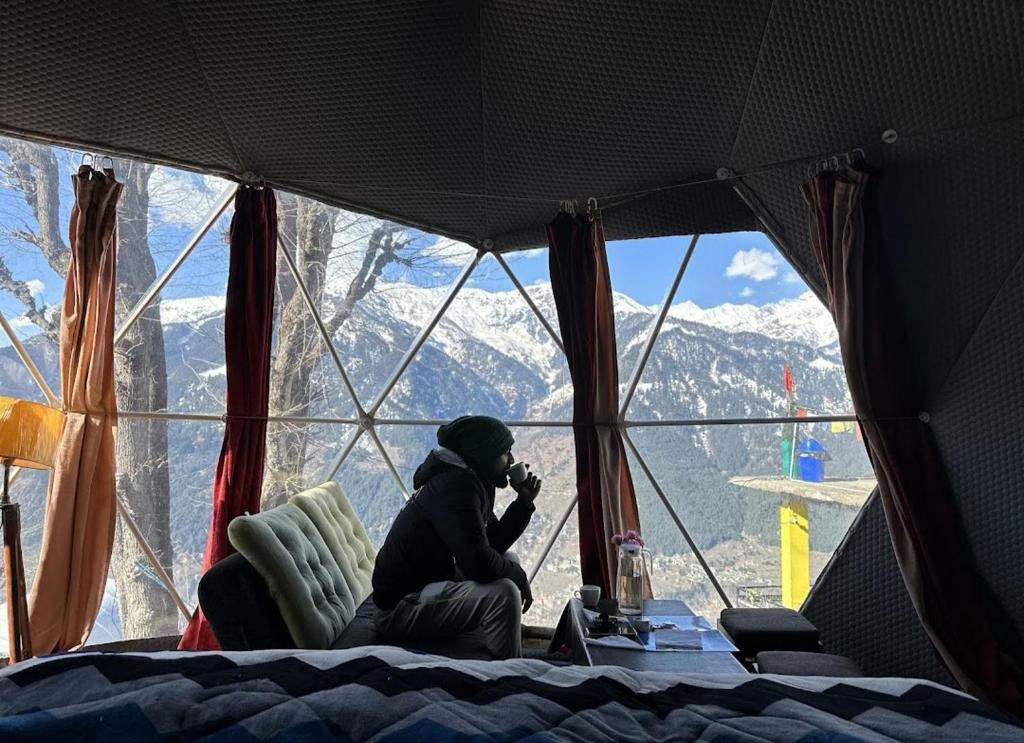
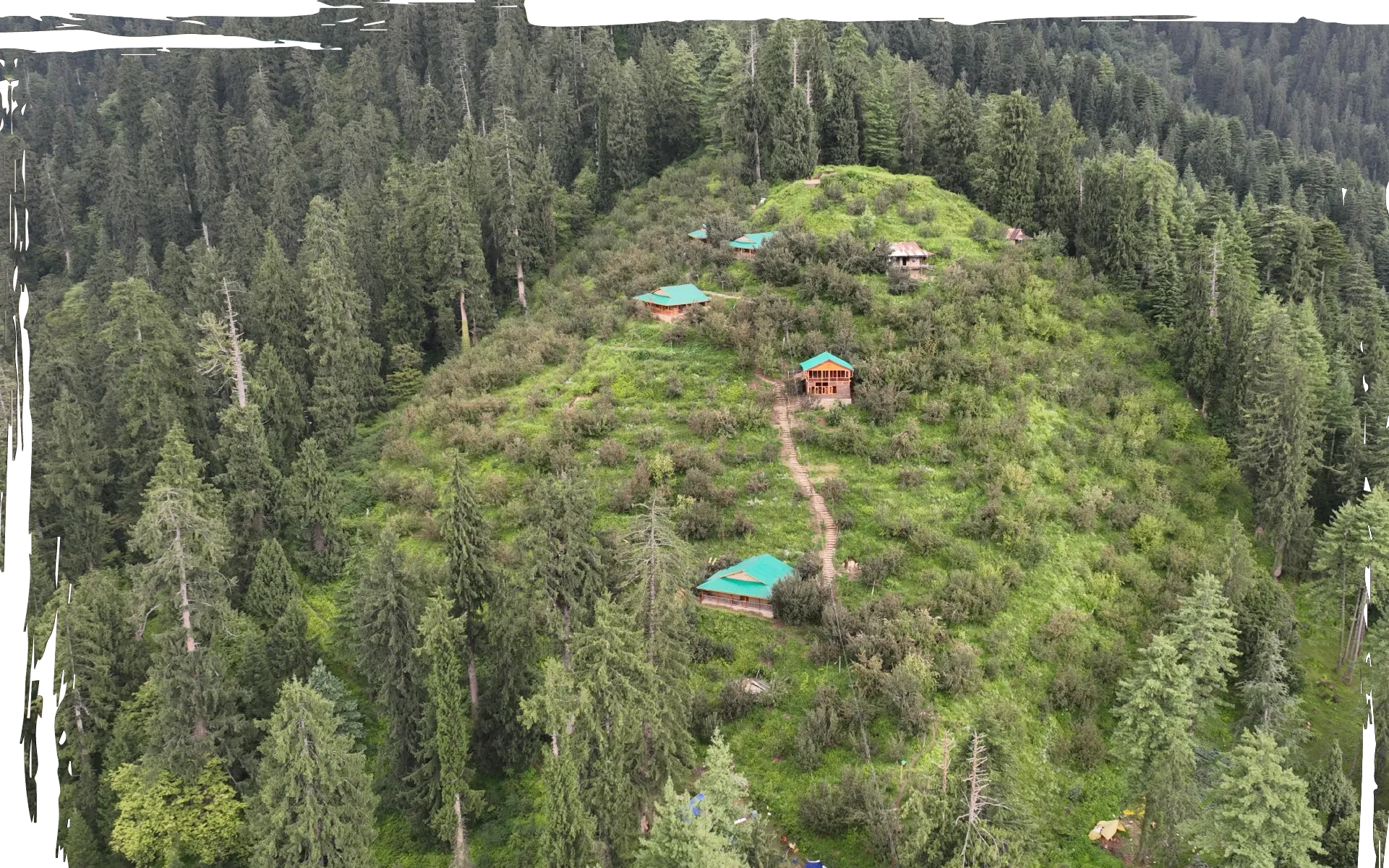
The valleys around Manali and the Kullu district offer a wide variety of accommodation suited for outdoor travellers. Options range from rustic riverside camps and wilderness glamping locations to family-run village homestays built in traditional mountain styles. Staying in a homestay allows travellers to taste fresh, home-cooked local meals and gain authentic perspectives on daily life in the mountains.
For those who love outdoor immersion, campgrounds situated near the trail access points offer nights under clear, starry skies. Travellers looking to reserve verified campsites, cozy mountain cottages, and friendly homestays around the valley can browse through curated listings on HireACamp.
Frequently asked questions
Where is Rudranaag located?
Rudranaag is situated in the mountain region of Himachal Pradesh, accessible from base areas in the Kullu and Manali valley.
What is the trail to Rudranaag like?
The trail passes through coniferous pine forests, traditional mountain hamlets, and riverside pathways with terrain consisting of dirt tracks, stone steps, and timber footbridges.
When is the best time to visit Rudranaag?
The best months to visit are from April to June for pleasant weather and melting snow waters, and from September to November for clear skies and crisp autumn air.
Can I visit Rudranaag during the monsoon?
While the waterfall flows heavily in July and August, mountain trails can be muddy and prone to landslides, so visitors should check local weather updates before heading out.
Where can I find places to stay near Rudranaag?
You can find local homestays, nature retreats, and riverside camping options in the surrounding valley on HireACamp.
Where you'll be
Kheer Ganga, Manali · 12 stays nearby shown with prices
Stays near Rudranaag
Book a place to stay close by
More places near Rudranaag
Within 20 km


Built from 0 Instagram posts by 0 creators. Every tip links back to the post it came from, and where creators disagree we show both sides.






