
Senchal Wildlife Sanctuary
Wildlife sanctuary near Ghoom, West Bengal
2.1 km from Ghoom
The nearest town, for stays, food and fuel.
Senchal Wildlife Sanctuary is one of the oldest wildlife sanctuaries in India, located in the misty hills of the Darjeeling district in West Bengal. Spanning high-altitude temperate forests of oak, pine, and rhododendron, it provides a crucial natural habitat for Himalayan wildlife and supplies drinking water to the nearby town of Darjeeling through its twin lakes. Visitors come to hike along tranquil woodland trails, spot elusive montane birds, and escape the bustling hill stations into quiet forested ridges.
Getting there
By road
- From GhoomNearest town9 min · 3.5 km
Typical drive times without traffic. Stations and airports from OLA Maps; distances and typical drive times from OpenStreetMap (© OpenStreetMap contributors); notes from creators' Reels.
About Senchal Wildlife Sanctuary
Written with AI from map data and general knowledge. Check prices and timings locally before you go.
About Senchal Wildlife Sanctuary
Established in 1915, Senchal Wildlife Sanctuary covers a scenic expanse of high-altitude forest just outside Darjeeling. It ranges across varying elevations, creating a microclimate characterised by persistent mist, cool mountain breezes, and dense evergreen canopies. The sanctuary protects a fragile temperate ecosystem dominated by broadleaf oaks, chestnuts, birch, and diverse species of rhododendrons that come into vibrant bloom during the spring.
Beyond its botanical richness, the sanctuary is home to a varied assemblage of sub-Himalayan and high-altitude fauna. Mammals such as the Himalayan black bear, barking deer, leopard cat, wild boar, and the rare Himalayan serow inhabit its densely wooded slopes. For birdwatchers, the sanctuary presents an opportunity to see regional avian species such as laughingthrushes, flycatchers, sunbirds, and minivets flitting through the bamboo undergrowth and moss-draped branches.
The reserve is also historically vital to the urban life of Darjeeling. The Senchal Lakes, set deep within the reserve boundaries, were constructed during the British colonial era and continue to serve as the primary source of fresh drinking water for Darjeeling town. The scenic reservoir, ringed by tall pines and often partially veiled in rolling cloud, adds a reflective quiet to the forested surroundings.
Things to do at Senchal Wildlife Sanctuary
Walking through the quiet trails of Senchal Wildlife Sanctuary is one of the most rewarding outdoor pursuits in the area. Forest tracks wind through stands of towering conifers and ancient oaks, offering peace away from vehicular traffic. Travellers who enjoy nature walking can observe the gradual shift in vegetation and listen to birdsong echoing through the canopy.
Birdwatching and nature photography are particularly popular here. Carrying a pair of binoculars and a camera with a telephoto lens allows visitors to catch glimpses of colourful high-altitude birds that frequent the canopies and low shrubbery. In early spring, flowering magnolias and rhododendrons tint the hillsides in shades of crimson, pink, and white, making it an exceptional time for landscape and plant photography.
Visiting the Senchal Lake area offers a contemplative break. Sitting near the water's edge amidst silent mountain pines provides a chance to unwind and take in the cool, clear mountain air. Those interested in local flora will also appreciate the abundance of ferns, epiphytic orchids, and lichens that flourish due to the forest's high moisture and altitude.
Read more
Best time to visit Senchal Wildlife Sanctuary
The optimal period to visit Senchal Wildlife Sanctuary is during the spring months from March through May, and the post-monsoon autumn season from October through December. During spring, daytime temperatures are pleasantly cool, and the forest awakens with fresh green leaves and bright rhododendron blooms across the ridges.
Autumn brings clear mountain skies and crisp air, making it the premier season for enjoying distant glimpses of the eastern Himalayan peaks. Visibility along forest roads is generally at its best during these months, and the trails remain dry and comfortable underfoot.
The monsoon period between June and September brings heavy, relentless rainfall to the Darjeeling hills. Trails inside the sanctuary become slippery, leeches are common in the dense undergrowth, and fog drastically reduces visibility. Winter from December through February can be bitterly cold, with occasional frost and dense mists, requiring heavy woollens and thermal protection for those venturing along the forested trails.
How to reach Senchal Wildlife Sanctuary
Senchal Wildlife Sanctuary is easily accessible from the hill town of Darjeeling, which lies only a short distance away. Most travellers use Darjeeling or the nearby town of Ghum as their staging ground. Taxis and shared regional vehicles operate frequently between Darjeeling and the access points leading toward Tiger Hill and the sanctuary borders.
For those travelling from further away, the nearest major railway hub is New Jalpaiguri Junction, while the nearest domestic airport is Bagdogra Airport near Siliguri. From both the railway station and the airport, road transport is readily available to Darjeeling, with the scenic drive winding through tea gardens and forested mountain slopes.
The sanctuary can also be approached on foot or by vehicle along the road leading up toward Ghum and Tiger Hill. Because entry rules and vehicle regulations inside the forest reserve can change periodically, it is wise to inquire locally about transport options and designated walking paths before departing.
Tips for your visit
Visiting a high-altitude temperate forest requires practical preparation. Because weather conditions in the Darjeeling hills change swiftly, dressing in layers is recommended. Even on sunny mornings, dense fog can roll in rapidly, bringing a sharp drop in temperature. Sturdy walking shoes with reliable grip are essential, as forest paths can be damp, uneven, and covered in pine needles.
Respect the wildlife and ecological sensitivity of the reserve by carrying all personal waste back to the nearest town. Plastic disposal facilities are not available deep within the forest, and litter poses a significant hazard to native wildlife and local water supplies.
Carry adequate drinking water and light refreshments, as there are no commercial food stalls or shops within the sanctuary boundaries. Keep conversations quiet along the paths to improve your chances of spotting birds and small mammals, and always consult local forest authorities regarding trail access and operating guidelines before you start your excursion.
Places to visit near Senchal Wildlife Sanctuary
The area surrounding Senchal Wildlife Sanctuary is rich with cultural, historic, and scenic landmarks. Just a short journey away is Tiger Hill, renowned for panoramic sunrise views stretching across the snowfields of Mount Kanchenjunga. Adjacent to the sanctuary lies the Ghum Railway Museum, where visitors can learn about the heritage and mechanics of the Darjeeling Himalayan Railway.
Nearby at Batasia Loop, travellers can watch the historic narrow-gauge steam train circle a manicured memorial garden with wide views of the surrounding hillsides. For spiritual reflection, the Peace Pagoda and the Japanese Buddhist Temple offer tranquil grounds and intricate architectural carvings framed by pine groves.
Further down into Darjeeling, the Padmaja Naidu Himalayan Zoological Park is worth exploring to see conservation efforts for red pandas and snow leopards. Visitors seeking outdoor greenery can also plan an excursion to Lamahatta to wander among tall pine plantations and landscaped hillside paths.
Where to stay near Senchal Wildlife Sanctuary
Travellers seeking accommodation close to Senchal Wildlife Sanctuary can choose from a range of stays across the Darjeeling and Ghum ridges. Opting for a stay on the quieter outskirts allows easy access to forest trails in the early morning, when bird activity is highest and the mist hangs heavy among the trees.
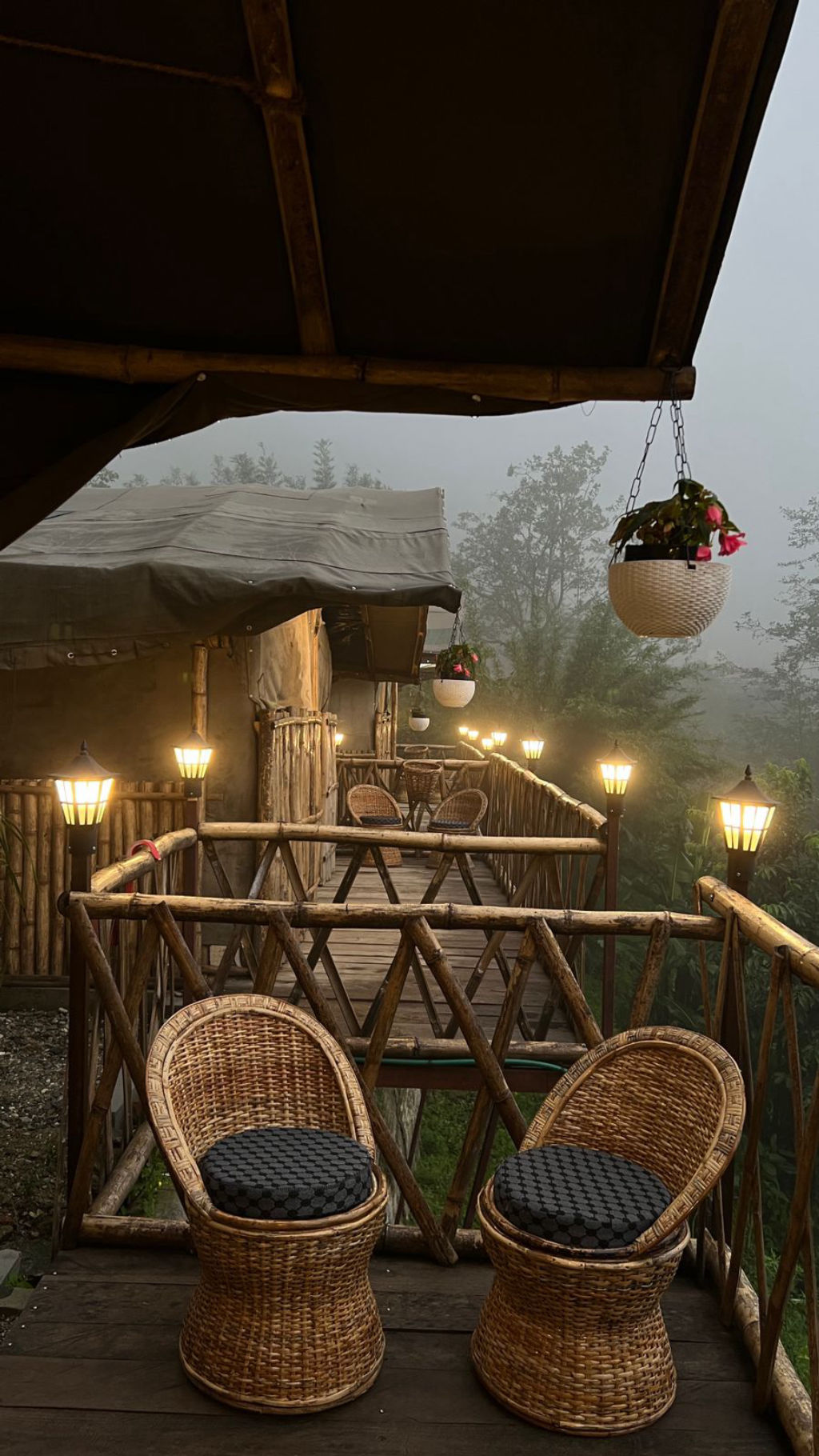
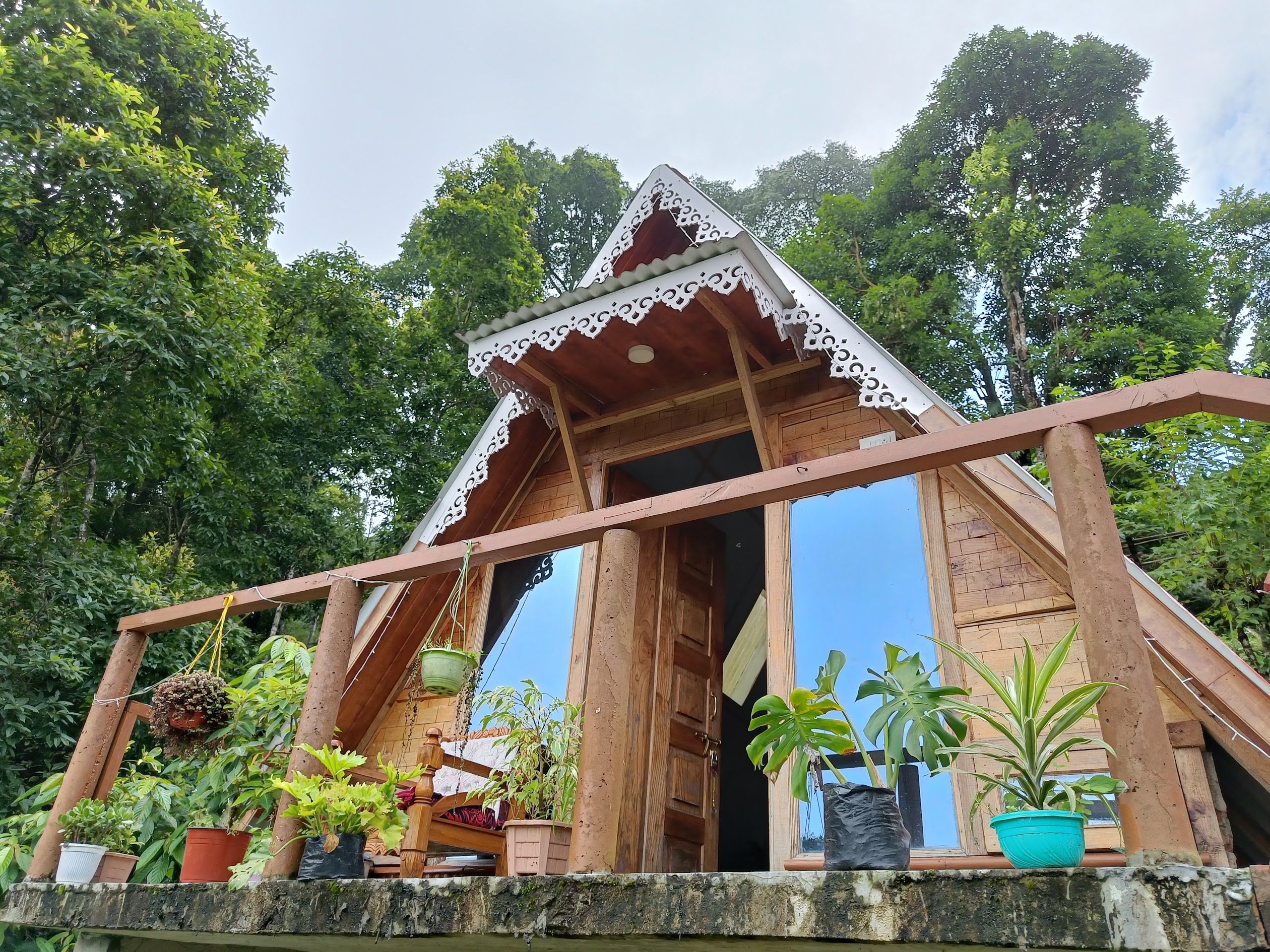
Camps, rustic cabins, and welcoming homestays located near the sanctuary borders can be found on HireACamp. Staying in a local homestay provides a comfortable base where you can experience warm regional hospitality, home-cooked local meals, and direct insights into the weather and walking paths of the sanctuary.
Frequently asked questions
Where is Senchal Wildlife Sanctuary located?
Senchal Wildlife Sanctuary is situated in the Darjeeling district of West Bengal, India, in close proximity to the towns of Darjeeling and Ghum.
What animals can be spotted in Senchal Wildlife Sanctuary?
The sanctuary is home to wildlife such as barking deer, Himalayan black bears, leopard cats, wild boars, serows, and diverse species of high-altitude birds and amphibians.
Can you visit the Senchal Lakes inside the sanctuary?
Yes, the historic Senchal Lakes lie within the sanctuary grounds and serve as a water source for Darjeeling; check locally for current access guidelines and designated walking routes.
What is the best time of year to visit?
The best months to visit are from March to May for pleasant weather and blooming rhododendrons, or from October to December for clear skies and crisp autumn air.
How can I book stays near the sanctuary?
You can explore and book curated homestays, nature retreats, and outdoor camps in the Darjeeling region through HireACamp.
Where you'll be
Darjeeling · 5 stays nearby shown with prices
Stays near Senchal Wildlife Sanctuary
Book a place to stay close by



More places near Senchal Wildlife Sanctuary
Within 20 km


Lists for this area
Ranked by how many creators recommend each place


Built from 0 Instagram posts by 0 creators. Every tip links back to the post it came from, and where creators disagree we show both sides.






