
Usgalimal Rock Carvings
Ruins near Curdi, Goa
5.2 km from Curdi
The nearest town, for stays, food and fuel.
The Usgalimal Rock Carvings are an extraordinary prehistoric heritage site nestled on the banks of the Kushavati River in South Goa. Located near the town of Quepem, this open-air archaeological ground features petroglyphs carved into laterite rock platforms that date back thousands of years. Travellers, history enthusiasts, and curious wanderers visit to connect with some of the earliest traces of human settlement and artistic expression in western India.
Getting there
By road
- From CurdiNearest town22 min · 8.7 km
- From Mangaluru6 hr 50 min · 335 km
- From Pune10 hr 10 min · 477 km
Typical drive times without traffic. Stations and airports from OLA Maps; distances and typical drive times from OpenStreetMap (© OpenStreetMap contributors); notes from creators' Reels.
About Usgalimal Rock Carvings
Written with AI from map data and general knowledge. Check prices and timings locally before you go.
History and significance of the petroglyphs
The rock engravings at Usgalimal, also referred to as Pansaimol, represent one of the most prominent prehistoric sites in western India. Discovered in the early 1990s by local villagers and later catalogued by archaeologists, the engravings date back to the Upper Paleolithic or Mesolithic period, roughly between 8,000 and 20,000 years ago.
The site sits on an expansive laterite plateau right along the edge of the Kushavati River. The early humans who inhabited this fertile river basin etched symbols, animals, and human forms directly into the hard stone floor. Unlike cave art, these engravings have remained exposed to centuries of natural weathering and river tides, making their preservation both rare and ecologically delicate.
What to see at Usgalimal
Spanning an open rock shelf, the site exhibits more than a hundred carved figures. Among the most recognizable motifs are representations of wildlife that roamed the region, including Indian bison, deer, antelopes, and peacocks. The contours of the animals are carved with surprisingly precise lines that convey motion and form.
Apart from wildlife, visitors can observe complex labyrinth designs, circular spirals, and hunting motifs featuring human silhouettes. One of the most famous petroglyphs depicts a large concentric maze, believed by researchers to carry spiritual or ritualistic significance. The tranquil riverbank setting allows you to walk carefully around the carved surfaces while observing how the motifs interact with the contours of the bedrock.
Read more
Best time to visit
The optimal time to visit the Usgalimal Rock Carvings is between late October and March. During these post-monsoon and winter months, the weather in South Goa remains pleasant, dry, and comfortable for open-air exploration.
Visiting during the peak monsoon months from June to September is generally not advised. Heavy rains cause the Kushavati River to swell, often submerging the low-lying laterite platform where the carvings lie. By mid-autumn, the floodwaters recede and reveal the engravings. Early mornings or late afternoons are the best hours of the day to explore, as the angled sunlight accentuates the carved grooves in the laterite, making them much easier to view and photograph.
How to reach Usgalimal Rock Carvings
The carvings are situated in Usgalimal village within Sanguem Taluka, with Quepem serving as the nearest substantial market town. From central South Goa towns like Margao, the drive takes you inland toward Quepem and onwards through rural country roads surrounded by forested hills and agricultural plots.
Reaching the site is easiest by private vehicle, hired taxi, or two-wheeler. Once you arrive at the designated approach point near the river, a short footpath leads down through the foliage toward the open rock bed along the Kushavati River. Public buses operate between major bus stands and Quepem, but local transport directly to the site is limited, so arrange return transit in advance if taking private taxis.
Tips for your visit
The petroglyphs at Usgalimal are exposed directly to the elements, and conserving them requires conscious care from every visitor. Avoid walking directly across the shallow engraved lines whenever possible, and never use sharp objects or chalk to outline the art. Wearing flat footwear with a good grip is recommended, as the river rocks can be smooth and occasionally slippery.
There are few commercial facilities right at the site, so carry sufficient drinking water, sun protection, and a hat. Taking photographs when the sun sits low in the sky will yield the clearest view of the carvings, as high midday sun can flatten the visual depth of the etchings.
Places to visit nearby
A trip to Usgalimal pairs naturally with other scenic and historical stops across the hinterlands of South Goa. Nature lovers can venture toward the forested trails leading to the Mainapi Waterfall, tucked deeper within the lush Western Ghats foothills.
Those interested in regional heritage can plan a detour to the historic Shree Samsthana Gokarn Partagali Jeevottam Math, a prominent spiritual center nearby. If you are travelling onward to the coastline, South Goa's tranquil shores such as Patnem Beach and Rajbagh Beach are within reasonable driving distance, offering a peaceful seaside retreat after an inland expedition.
Where to stay
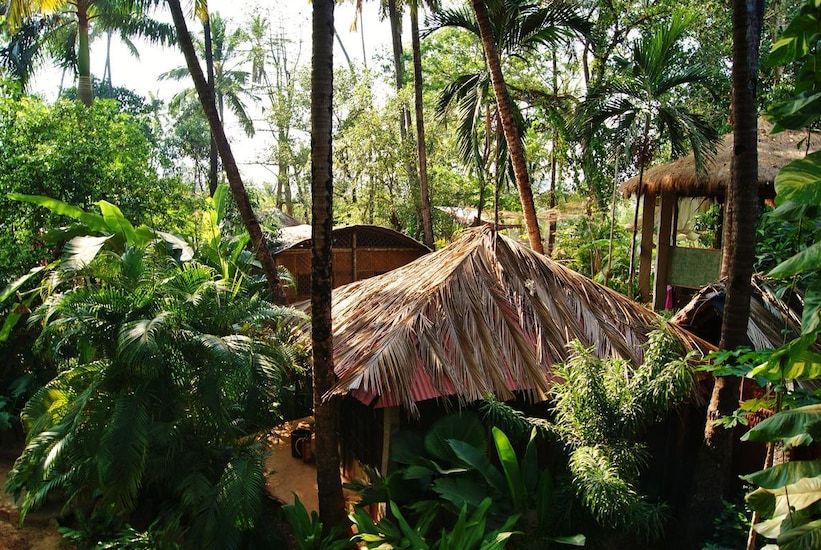
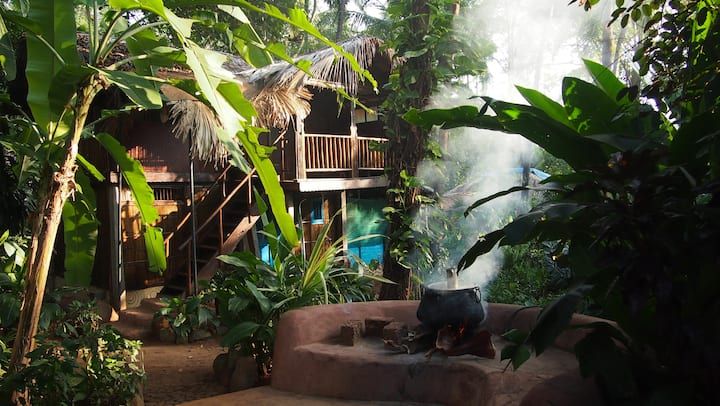
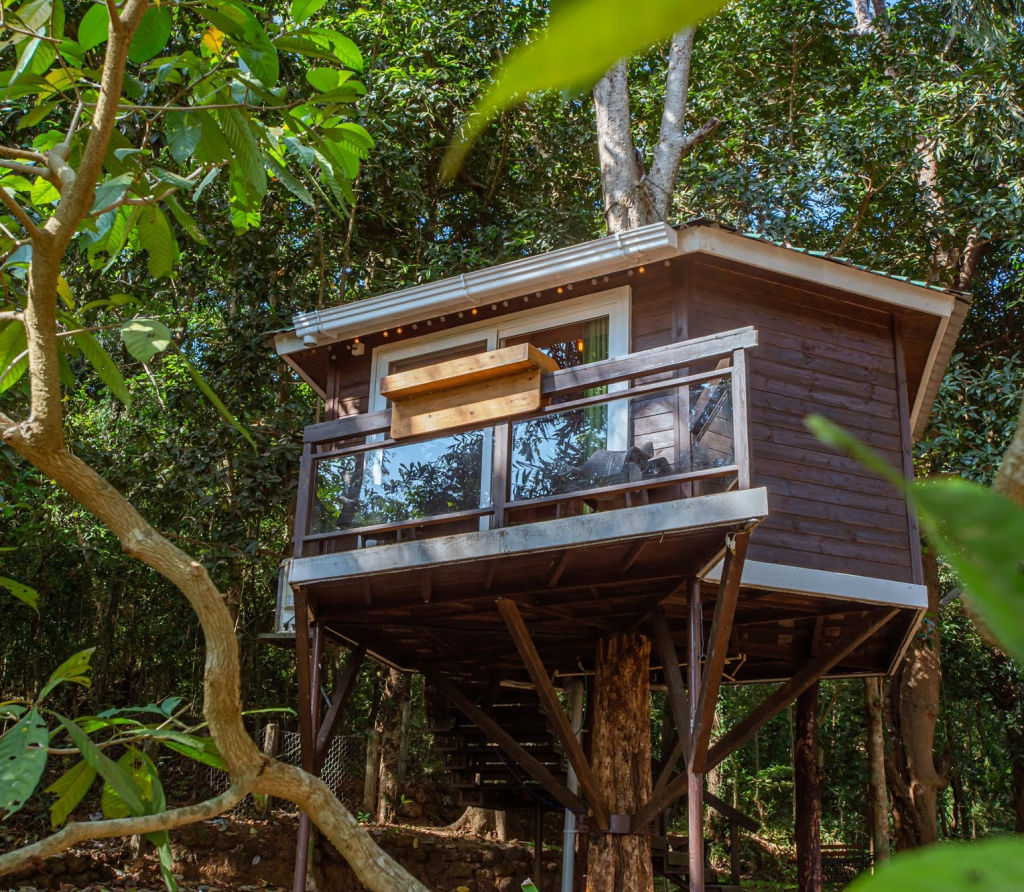
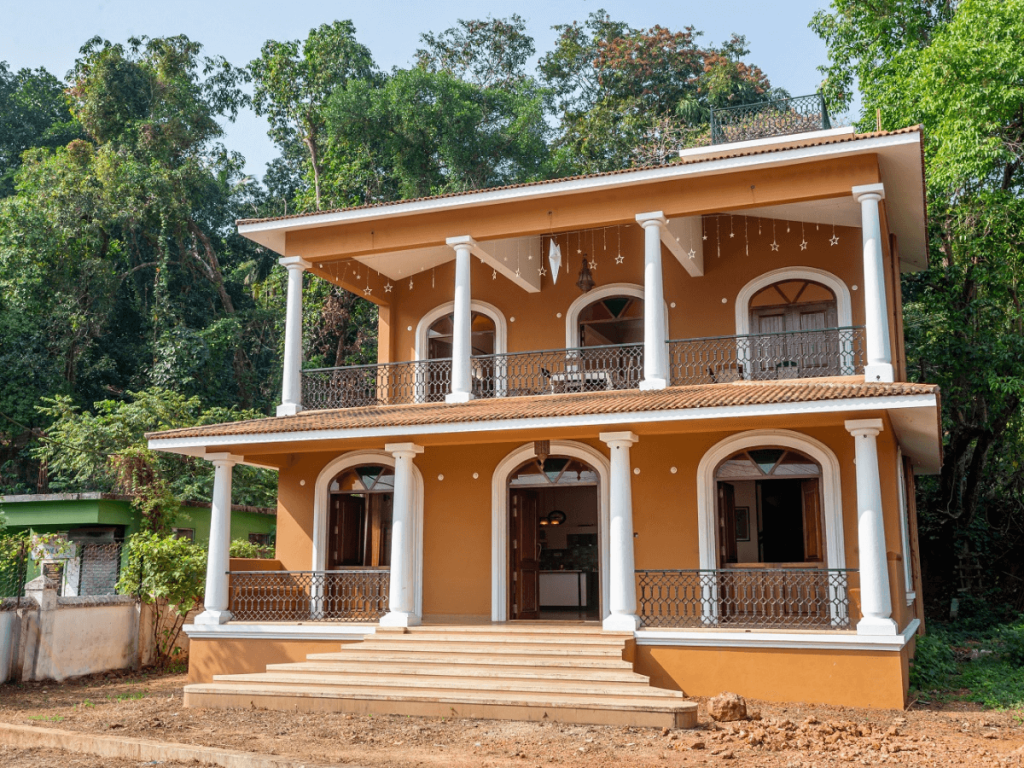
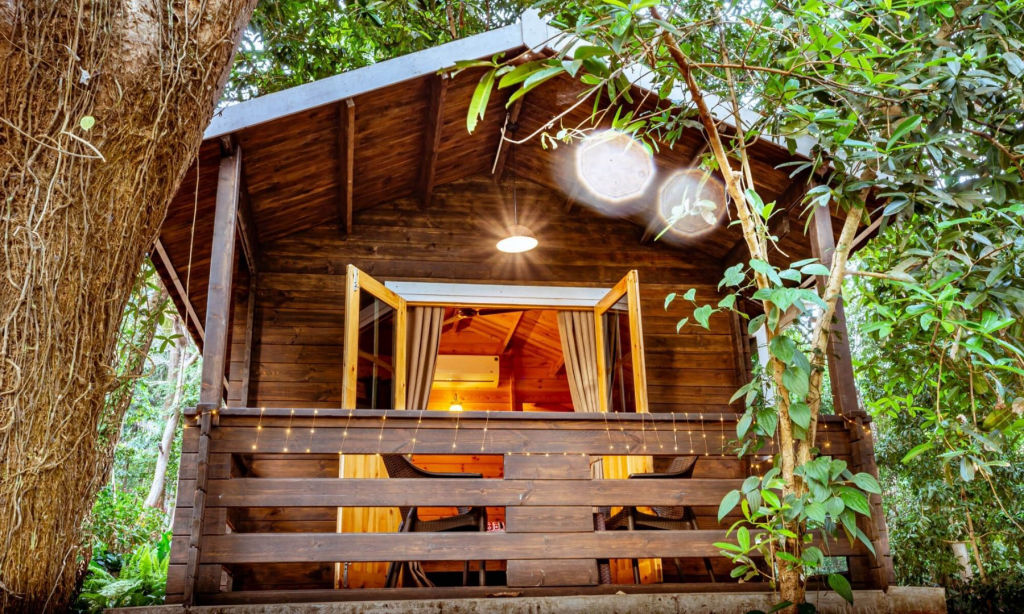
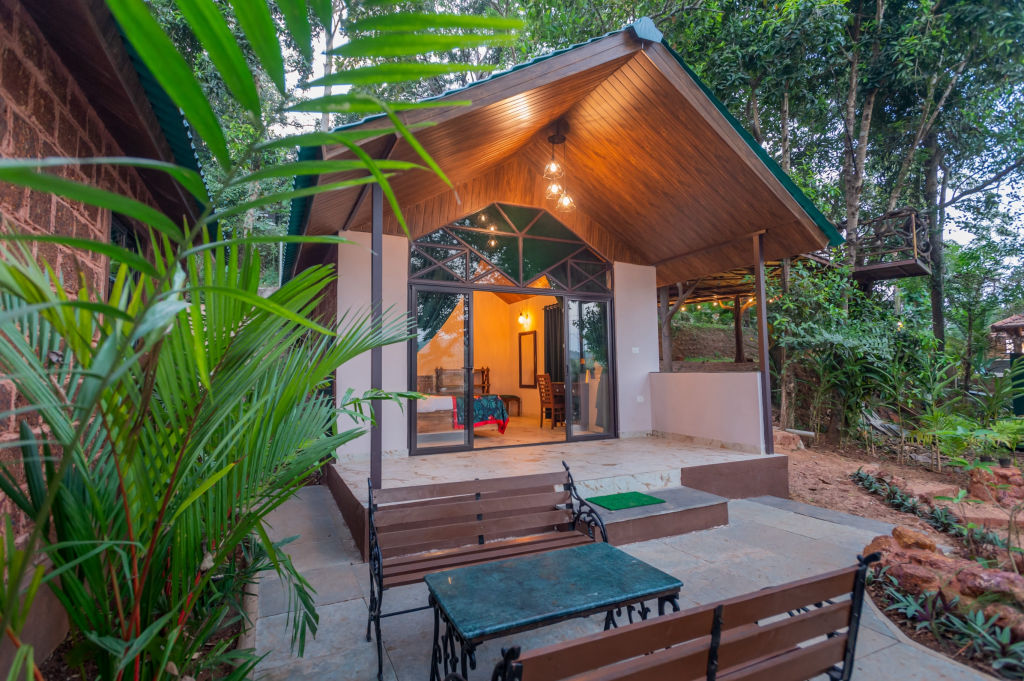
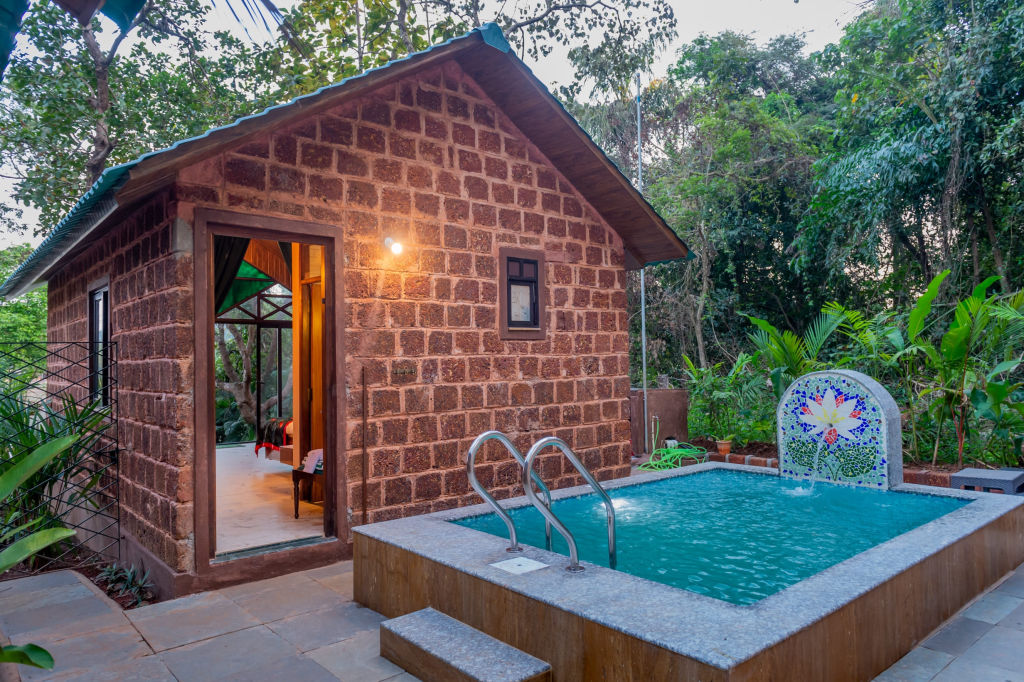
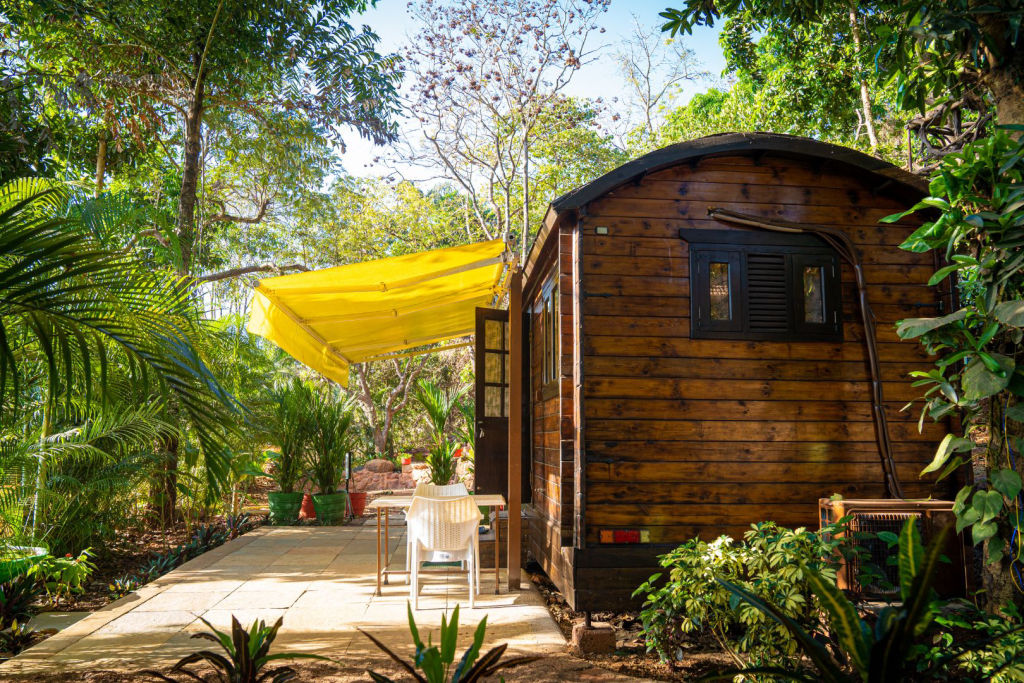
For travellers who appreciate quiet landscapes and slower travel, staying in the southern interior of Goa provides easy access to historical landmarks and nature trails. Rural homestays, river retreats, and eco-camps throughout South Goa can be discovered on HireACamp.
Alternatively, you can base yourself along the southern coastline and make a half-day excursion inland to Usgalimal. Whether you prefer a rustic campsite amidst plantation greens or a peaceful guesthouse near the sea, you will find suitable options on HireACamp to suit your journey.
Frequently asked questions
Where are the Usgalimal Rock Carvings located?
The carvings are situated along the banks of the Kushavati River in Usgalimal village, located in Sanguem Taluka near the town of Quepem in South Goa.
How old are the petroglyphs at Usgalimal?
Archaeologists estimate that the rock carvings date back to the Upper Paleolithic or Mesolithic period, making them between 8,000 and 20,000 years old.
Can you visit the site during the monsoon season?
It is not advisable to visit during peak monsoons, as the rising waters of the Kushavati River often submerge the rock platform, obscuring the carvings.
What kind of motifs can be seen on the rocks?
The engravings depict a range of figures including bulls, deer, antelopes, peacocks, dancing human silhouettes, and intricate labyrinth patterns.
Is there any accommodation available near Usgalimal?
You can find local homestays, nature retreats, and eco-camps across the South Goa countryside and along the nearby southern coast on HireACamp.
Where you'll be
Usgalimal Village, Sanguem Taluka, South Goa, Quepem · 8 stays nearby shown with prices
Stays near Usgalimal Rock Carvings
Book a place to stay close by
More places near Usgalimal Rock Carvings
Within 20 km
Built from 0 Instagram posts by 0 creators. Every tip links back to the post it came from, and where creators disagree we show both sides.






