
Sispara Pass
Nature near Bangitappal, Tamil Nadu
8.9 km from Bangitappal
The nearest town, for stays, food and fuel.
Sispara Pass is a historic mountain pass situated on the high southwestern boundary of the Nilgiris in Tamil Nadu, overlooking the dense forests of Silent Valley. Originally engineered as an old colonial bridle trail connecting the Malabar plains to the Nilgiri plateau, it is renowned for its sweeping mountain vistas and rich biodiversity. Travellers and outdoor enthusiasts seek out the area to experience pristine shola-grassland habitats and absolute wilderness far from mainstream tourist routes.
Getting there
By road
- From BangitappalNearest town46 min · 5.2 km
- From Coimbatore6 hr 10 min · 131 km
- From Mysuru7 hr 45 min · 229 km
- From Bengaluru9 hr 55 min · 374 km
Typical drive times without traffic. Stations and airports from OLA Maps; distances and typical drive times from OpenStreetMap (© OpenStreetMap contributors); notes from creators' Reels.
About Sispara Pass
Written with AI from map data and general knowledge. Check prices and timings locally before you go.
Understanding Sispara Pass
Sispara Pass sits tucked away on the southwestern edge of the Nilgiri Hills in Tamil Nadu, right along the mountain crest that borders Kerala. In the early nineteenth century, colonial engineers constructed the Sispara Ghat road to provide an alternate footpath and bridle route linking the Malabar coast with the upper hill station of Ootacamund. Although faster carriage highways eventually rendered the pass obsolete for trade, the old mountain route remains legendary among historical geographers and trekking enthusiasts.
Today, Sispara Pass stands out for its deep isolation and untouched natural splendour. Located within the fragile Nilgiri Biosphere Reserve, the pass acts as an ecological bridge connecting the highland plateaus to the wet evergreen rainforests below. Those who reach the pass are met with untamed ridgelines, dramatic sea-of-clouds formations, and an encompassing stillness broken only by the wind rustling through the mountain grasslands.
Landscape and Wildlife around Sispara
The landscape surrounding Sispara Pass is a classic example of the high-elevation shola-grassland mosaic unique to the Western Ghats. Expansive grasslands cover the wind-buffeted ridges, while dense, stunted shola woods thrive within the damp, sheltered folds of the valleys. These montane forests act as critical natural water catchments, capturing moisture from mists and cloud banks to feed the headwaters of the Bhavani and Chaliyar river basins.
Because the pass lies right beside Silent Valley National Park and contiguous forest reserves, the surrounding wilderness is home to exceptional wildlife. The endangered Nilgiri tahr can sometimes be seen grazing along steep rocky ledges, while troops of Nilgiri langurs move through the upper tree canopies. Bird life is remarkably rich, featuring endemic species such as the Nilgiri laughingthrush, the black-and-orange flycatcher, and majestic birds of prey that ride the thermal currents rising from the western valleys.
Read more
Trekking and Exploring the Pass
Reaching Sispara Pass is widely regarded as one of the most adventurous wilderness treks in southern India. The trail passes through dense bamboo groves, crosses crystal-clear mountain streams, and climbs steep grassy inclines that test endurance. The reward at the pass is an extraordinary vantage point that reveals the rolling Nilgiri highlands on one side and a dramatic drop into the tropical forest canopy of Kerala on the other.
Due to the extreme ecological sensitivity of the terrain and the presence of wild animals, access to Sispara Pass is tightly controlled by forest authorities. Casual hiking is strictly disallowed, and travellers must obtain prior official permission and be accompanied by certified forest guides. It is essential to check locally with the relevant forest range office to understand current access rules, trail status, and permit procedures before planning an expedition.
Best Time to Visit Sispara Pass
The most favourable time to visit the Sispara region is between October and March. Following the cessation of the summer monsoon, the skies clear to reveal crisp mountain air, expansive visibility, and lush green slopes. Daytime conditions are pleasant for long walks, while early mornings and nights on the high ridges can become quite cold, with temperatures occasionally dropping close to freezing during the peak of winter.
The monsoon period between June and September brings exceptionally heavy downpours to this part of the Western Ghats. Sispara and the neighboring valleys receive some of the highest rainfall totals in the subcontinent, causing mountain streams to swell rapidly and rendering slopes slippery and hazardous. Thick fog often shrouds the trails, and forest leeches multiply in the wet undergrowth, making visits during the heavy rains unsafe and impractical.
How to Reach Sispara Pass
Accessing Sispara Pass requires travelling by road to nearby mountain bases in the Nilgiris before continuing on foot. The most convenient major transport hub is Coimbatore, which has an airport and a well-connected railway station. From Coimbatore, travellers can drive up into the Nilgiris toward Ooty, which serves as a common staging area for journeys heading toward the western ridges of Tamil Nadu.
From the Nilgiri plateau, secondary roads wind through remote tea country and forest checkposts toward wilderness trailheads. The paved roads end well before the pass itself, requiring visitors to hike the remaining distance along rugged forest paths. Because public transit does not run into these remote forest interiors, hiring a private vehicle or taxi with high ground clearance is recommended for the road leg of the trip.
Places to Visit Nearby
The landscape surrounding Sispara Pass contains several renowned natural attractions across the Nilgiri and Palakkad ranges. Just about 8 kilometres away lies Silent Valley National Park, famous for its ancient evergreen rainforests and undisturbed ecosystems. Closer to the central plateau, approximately 33 kilometres away, visitors can explore the peaceful waters of Pykara lake and the cascades of Pykara Waterfall.
Scenic viewpoints abound in the greater district, including Needle Rock View Point, located roughly 34 kilometres away, and Doddabetta Peak, the highest summit in the Nilgiris, situated around 39 kilometres away. Travellers heading down into the valleys can also stop by the Bhavani River Bridge, approximately 19 kilometres away, or visit the picturesque Siruvani Waterfalls and Kovai Kutralam in the forested foothills outside Coimbatore.
Where to Stay
Because Sispara Pass lies within an environmentally protected forest reserve, there are no commercial hotels, guest houses, or walk-in resorts located near the pass. Travellers planning an excursion typically stay in established base locations across the Nilgiris, such as Ooty, Avalanche, or smaller agricultural villages on the western side of the hills.
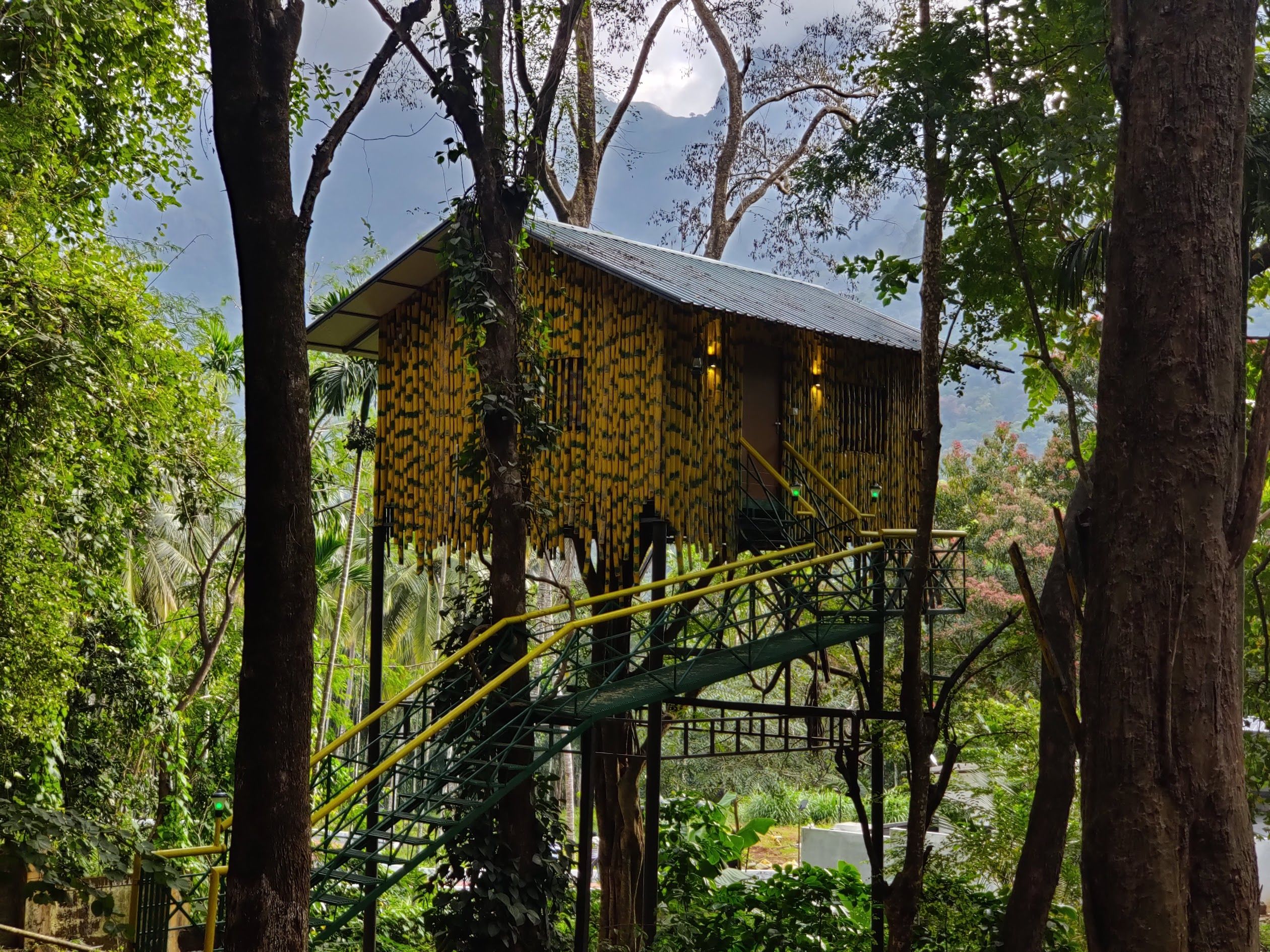
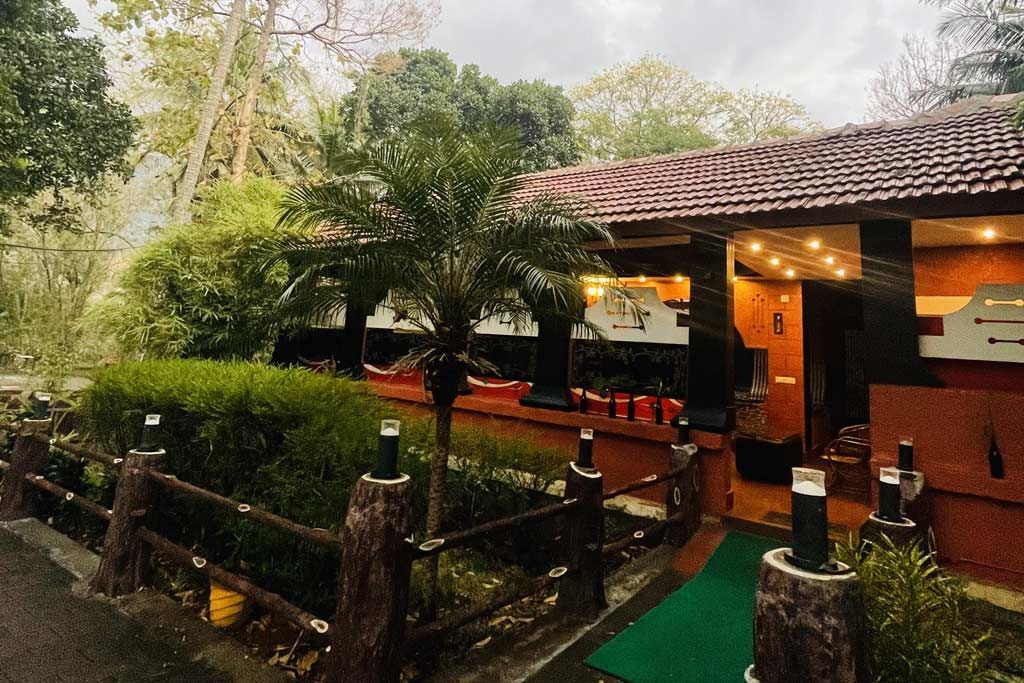
Those looking for memorable, scenic accommodation can explore HireACamp to find eco-friendly campsites, secluded farmstays, and welcoming homestays spread across the Nilgiri district. Reserving a homestay or nature retreat through HireACamp offers an ideal balance of comfort, local hospitality, and convenient access to regional trailheads.
Tips for Your Visit
Given the remote nature of Sispara Pass, thorough preparation is vital for an enjoyable and safe visit. Hikers should carry sufficient water, nutritious trail snacks, personal medication, and reliable rain gear, as sudden weather shifts and heavy mists can occur without warning. Sturdy, ankle-supporting trekking boots with dependable grip are essential for the uneven, rocky trails.
Leech protection socks and insect repellent are strongly advised, especially in the post-monsoon months. Visitors must respect strict leave-no-trace wilderness principles by carrying back all non-biodegradable waste, avoiding single-use plastic bottles, and keeping disturbance to wildlife at a minimum. Always heed the advice of local forest personnel and travel strictly along sanctioned trails under authorized guidance.
Frequently asked questions
Where is Sispara Pass located?
Sispara Pass is located on the southwestern crest of the Nilgiri Hills in Tamil Nadu, directly adjoining the border of Kerala and the forests of Silent Valley National Park.
Can I visit or trek to Sispara Pass on my own?
No, independent trekking is not permitted because the pass lies within a protected forest sanctuary. Visitors must seek advance clearance from forest department authorities and must be accompanied by authorized forest guides.
What is the historical significance of Sispara Pass?
During the nineteenth century, Sispara Pass served as an engineered bridle road, known as the Sispara Ghat route, which connected the Malabar coast to Ootacamund before modern carriage roads were built.
What is the best time of year to visit Sispara Pass?
The best season to visit is from October to March, when the weather is relatively dry, skies are clear, and trail conditions are at their safest.
Are there hotels or places to eat at Sispara Pass?
There are no hotels, restaurants, or commercial facilities at or near Sispara Pass. Visitors must arrange food and stay in base settlements such as Ooty or Avalanche, where stays can be booked on HireACamp.
Where you'll be
Tamil Nadu · 2 stays nearby shown with prices
Stays near Sispara Pass
Book a place to stay close by
More places near Sispara Pass
Within 20 km


Lists for this area
Ranked by how many creators recommend each place


Built from 0 Instagram posts by 0 creators. Every tip links back to the post it came from, and where creators disagree we show both sides.






