
Sispara Ruined Bungalow
Ruins near Bangitappal, Kerala
9.4 km from Bangitappal
The nearest town, for stays, food and fuel.
Sispara Ruined Bungalow marks a historic outpost set deep within the rugged high-altitude terrain of the Western Ghats along the Kerala-Tamil Nadu boundary. Once serving as a colonial-era shelter along the steep Sispara Ghat trail connecting Malabar to the Nilgiris, the stone remnants now rest in a pristine landscape of montane shola forests and rolling grasslands. Trekkers and nature enthusiasts are drawn here by the dramatic isolation, the rich biodiversity of the surrounding national parks, and the sweeping views across the mountain ranges.
Getting there
By road
- From BangitappalNearest town46 min · 5.2 km
- From Coimbatore6 hr 10 min · 131 km
- From Mysuru7 hr 45 min · 229 km
- From Bengaluru9 hr 55 min · 374 km
Typical drive times without traffic. Stations and airports from OLA Maps; distances and typical drive times from OpenStreetMap (© OpenStreetMap contributors); notes from creators' Reels.
About Sispara Ruined Bungalow
Written with AI from map data and general knowledge. Check prices and timings locally before you go.
History and Setting of Sispara Ruined Bungalow
Perched on the rim of the Sispara Pass, the Sispara Ruined Bungalow is a striking reminder of nineteenth-century transit through the Western Ghats. In the colonial period, the Sispara Ghat was carved out as a steep bridle path providing an overland link between the Malabar plains and Ooty in the high Nilgiris. The original stone resthouse was erected to offer vital shelter for travellers, mail runners, and surveyors facing harsh montane winds and sudden mountain storms. Over the decades, nature reclaimed the structure, leaving behind evocative stone foundations and weathered walls open to the elements.
The location lies at the convergence of three significant protected wilderness areas: Silent Valley National Park, Mukurthi National Park, and Karimpuzha National Park. Surrounded by undulating high-elevation grasslands interrupted by dense pockets of evergreen shola woodlands, the site commands sweeping vistas of valley slopes plunging down toward the plains of Kerala. The sense of wilderness is profound, as the region remains largely uninhabited and undisturbed by modern development.
The Trek to Sispara
Reaching the Sispara Ruined Bungalow involves traversing one of the most rugged and remote wilderness corridors in South India. Historically used as a foot trail, the route traverses distinct ecological zones, beginning either from the Tamil Nadu side via the Upper Bhavani region or through the deeply forested foothills on the Kerala side. As elevation increases, humid tropical forest gives way to cool, wind-buffeted grasslands interspersed with mist-drenched valleys.
The terrain is physically demanding, characterized by steep ascents, rocky stretches, and narrow animal trails that cross mountain streams. Because the path skirts sensitive wildlife corridors that are home to the Nilgiri tahr, Asian elephant, and diverse endemic bird species, journeys in this sector require meticulous preparation. Navigating the route demands strong physical fitness, experienced trail guidance, and strict adherence to forest department regulations.
Read more
Wildlife and Natural Environment
The high-elevation plateau and escarpment around Sispara form a fragile ecological haven. The surrounding slopes are carpeted in shola grasslands, a unique montane ecosystem that acts as a vital water catchment for several major river systems, including the Bhavani and the feeder streams of the Chaliyar and Bharathapuzha. Mosses, lichens, and miniature alpine wildflowers flourish on the cool stone and turf around the ruined bungalow.
Wildlife sightings in this border zone are extraordinary for those with patience. The endangered Nilgiri tahr can often be spotted navigating the precipitous crags, while herds of gaur and sambar graze on the open grasses. The canopy of the sholas shelters the endemic Nilgiri langur, the lion-tailed macaque, and vibrant birdlife including the Nilgiri pipit, black-and-orange flycatcher, and Nilgiri laughingthrush. Forest floor signs also regularly reveal the quiet presence of leopards and wild dogs.
Best Time to Visit
The weather around Sispara is strongly dictated by the monsoon seasons, making timing essential when planning a trip to the ruins. The winter and post-monsoon months from November through February generally offer the clearest skies, stable weather, and crisp daytime temperatures. During this window, mountain breezes are bracing, and visibility extends far across the deep ravines and distant Nilgiri ridges.
The summer months from March to May bring warmer days, though temperatures on the high ridges remain significantly cooler than in the surrounding plains. The southwest monsoon from June to September brings violent squalls, heavy rainfall, and relentless fog to the Sispara crest, rendering trails slippery and stream crossings hazardous. Heavy precipitation continues into the northeast monsoon through October, so the drier months remain the safest and most rewarding period for visiting.
How to Reach the Region
The Sispara area sits in an isolated mountain pass accessible only on foot, with base points located in either Palakkad and Malappuram districts in Kerala or the Nilgiris district in Tamil Nadu. For travellers coming from Kerala, the transit town of Mannarkkad or the periphery of the Silent Valley buffer zone serves as an initial staging point. From the Tamil Nadu side, road access typically leads through Ooty toward the Upper Bhavani Dam, beyond which vehicular movement ends.
The nearest major airport to the Kerala approach is Coimbatore International Airport, while Calicut International Airport provides access to Malappuram and Palakkad. Major railway junctions at Palakkad and Coimbatore connect the region to all parts of India. From these transport hubs, local taxis or state transport buses carry travellers to the forest checkposts where trekking permits and trail permissions must be arranged.
Tips for Your Visit
Because Sispara Ruined Bungalow lies within an ecologically sensitive and protected forest landscape, visiting requires careful coordination. Travellers must secure prior permissions from the relevant forest authorities before attempting any journey toward the site. Hiring authorized forest guides or eco-guides is strongly advised and often mandatory to ensure personal safety and avoid getting disoriented on faint mountain tracks.
Carry adequate warm clothing, as temperatures drop rapidly once the sun dips behind the ridges. Sturdy trekking boots with good ankle support and grip are indispensable for walking on steep, rocky trails. You must carry sufficient water and personal hydration supplies, along with high-energy trail food, as there are no facilities or settlements along the route. Practice strict Leave No Trace principles by carrying all trash back out and avoiding loud noises that disrupt local wildlife.
Places to Visit Nearby
Travellers exploring the high ridges around Sispara can extend their journey to several notable natural landmarks. Upper Bhawani Dam, situated around 13 kilometres away, features expansive backwaters framed by pristine shoals and undulating hills. Further into the Nilgiris, Pykara Lake and Pykara Waterfall offer classic highland scenery with boat rides and cascading rivers running through pine and eucalyptus groves.
Those fascinated by deep rainforest ecosystems can explore the core and buffer trails of Silent Valley National Park, famous for its unbroken canopy and ancient river valleys. For sweeping viewpoints over the transition between the hills and the plains, Needle Rock View Point and Nallasinga hills view point offer panoramic sights, while Doddabetta Peak provides the highest vantage point in the Nilgiri mountain chain.
Where to Stay
There are no functional accommodation facilities at the Sispara Ruined Bungalow itself, as it remains a roofless historic ruin within a protected conservation belt. Camping on site is not permitted without explicit forestry departmental permissions, meaning travellers must arrange overnight lodging at approved hubs on the valley fringes.
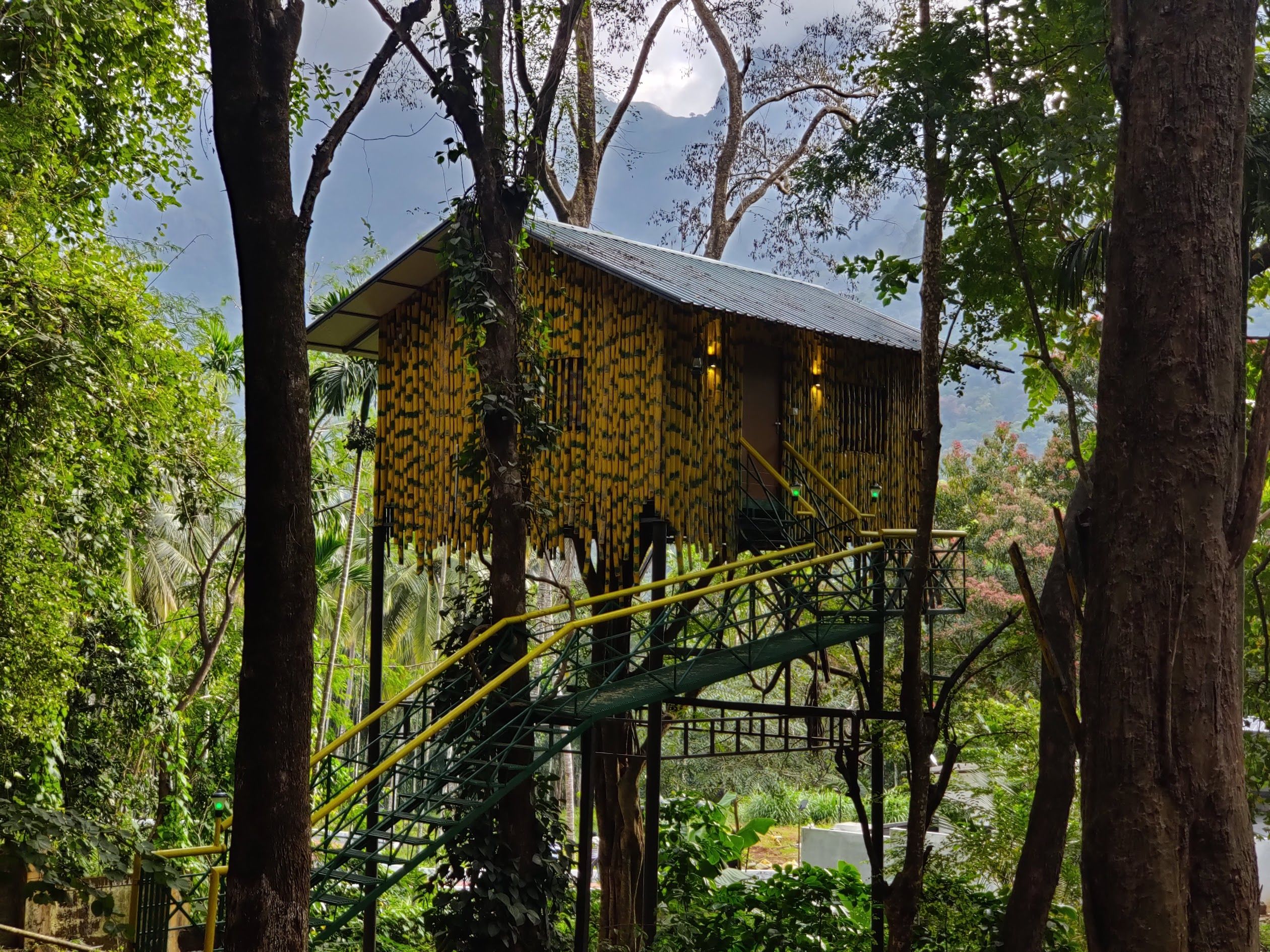
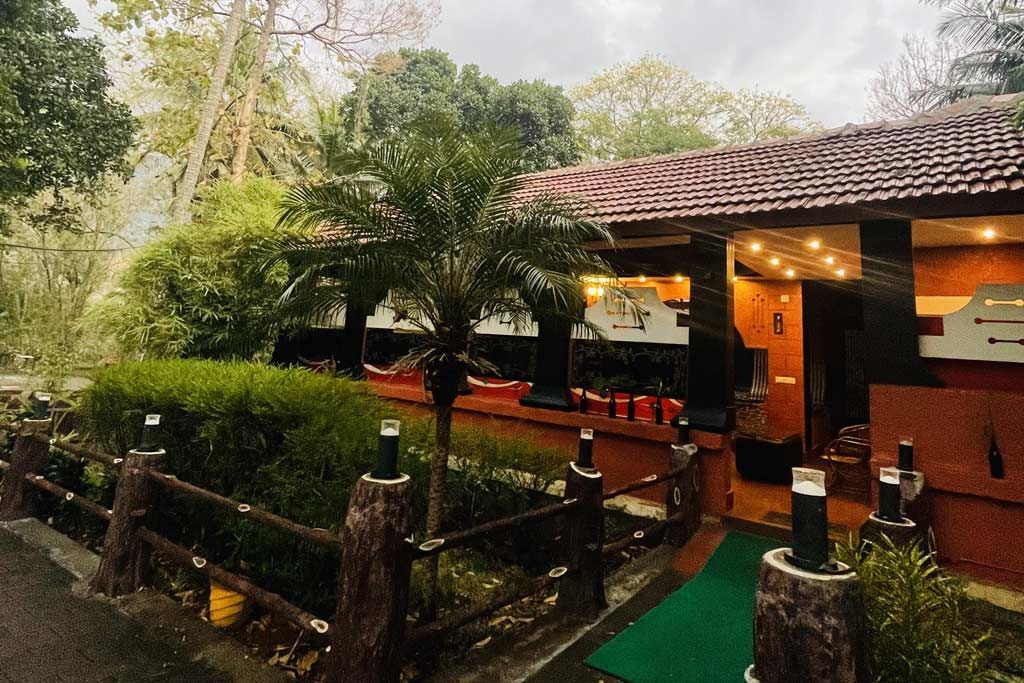
Comfortable homestays, nature retreats, and eco-camps are available in the peripheral villages and tea estates of the Nilgiris or in the foothill towns near Palakkad and Silent Valley. You can explore and book verified camps, homestays, and outdoor getaways in the surrounding districts on HireACamp to serve as a convenient base for your journey.
Frequently asked questions
What is the historical significance of Sispara Ruined Bungalow?
The bungalow was originally built in the nineteenth century as an administrative and transit shelter along the historic Sispara Ghat, a steep trail connecting the Malabar coast to the Nilgiri hills.
Can I stay inside or camp at Sispara Ruined Bungalow?
No, the bungalow is a decaying stone ruin without modern shelter or amenities, and staying or camping there requires strict, explicit approval from local forest authorities. Visitors usually stay at homestays or camps in nearby gateway towns.
Do I need a permit to visit Sispara Ruined Bungalow?
Yes, because the ruins lie on the borders of sensitive conservation zones including Mukurthi and Silent Valley national parks, visitors must obtain advance permits and guidance from the forest department.
What wildlife might I encounter near Sispara?
The region is home to several rare and endemic species, including the Nilgiri tahr, Asian elephant, gaur, Nilgiri langur, and a wide variety of montane birds characteristic of the Western Ghats.
What is the best season to explore the Sispara region?
The best time to visit is during the post-monsoon and winter months from November to February, when the weather is cool, rainfall is minimal, and the views across the mountain ranges are clearest.
Where you'll be
Kerala · 2 stays nearby shown with prices
Stays near Sispara Ruined Bungalow
Book a place to stay close by
More places near Sispara Ruined Bungalow
Within 20 km


Lists for this area
Ranked by how many creators recommend each place


Built from 0 Instagram posts by 0 creators. Every tip links back to the post it came from, and where creators disagree we show both sides.






