
Mukurthi National Park
National park near Bangitappal, Tamil Nadu
3.4 km from Bangitappal
The nearest town, for stays, food and fuel.
Mukurthi National Park is a protected sanctuary situated in the high-altitude plateaus of the Nilgiri Hills in Tamil Nadu. Characterized by expansive montane grasslands and dense shola forest patches, it was established primarily to protect its keystone species, the endangered Nilgiri tahr. Travellers and naturalists are drawn to its silent wilderness, windswept ridgelines, and vital role in the Western Ghats ecosystem.
Getting there
By road
- From BangitappalNearest town27 min · 3.1 km
- From Coimbatore5 hr 50 min · 128 km
- From Mysuru7 hr 25 min · 227 km
- From Bengaluru9 hr 35 min · 372 km
Typical drive times without traffic. Stations and airports from OLA Maps; distances and typical drive times from OpenStreetMap (© OpenStreetMap contributors); notes from creators' Reels.
About Mukurthi National Park
Written with AI from map data and general knowledge. Check prices and timings locally before you go.
About Mukurthi National Park
Mukurthi National Park lies on the western edge of the Nilgiri plateau in Tamil Nadu, sharing borders with the Silent Valley National Park in Kerala. Covering high-altitude wilderness, the park is a core part of the Nilgiri Biosphere Reserve and forms an integral component of the Western Ghats UNESCO World Heritage site. Its geography is defined by undulating montane grasslands interspersed with stunted evergreen shola forests nestled in the valleys and depressions of the hills.
The terrain sits at an average elevation exceeding 2,000 metres above sea level, featuring dramatic peaks such as Mukurti Peak and Kolaribetta. The landscape serves as a major catchment basin for surrounding water systems, with numerous perennial mountain streams feeding into the Bhavani River basin and reservoirs like the Upper Bhawani Dam. Unlike standard safari parks, Mukurthi retains an austere, raw atmosphere shaped by heavy mist, cool winds, and expansive vistas that have seen minimal human intervention.
Wildlife and Biodiversity in Mukurthi
The park was originally designated as a wildlife sanctuary with the primary objective of protecting the Nilgiri tahr, an endangered wild mountain goat endemic to the high crags of the Western Ghats. Mukurthi remains one of the most critical surviving strongholds for this species. Visitors who obtain access often spot tahrs grazing along steep grassy ridges and rocky escarpments during quiet morning hours.
Beyond the Nilgiri tahr, the park supports a distinctive assemblage of fauna suited to sub-temperate montane habitats. Sambar deer, barking deer, wild dogs (dhole), Nilgiri martens, and leopards inhabit the sholas and peripheral slopes. The birdlife is particularly noteworthy for birdwatchers, as the sanctuary shelters several Western Ghats endemics including the Nilgiri pipit, Nilgiri wood pigeon, black-and-orange flycatcher, and the white-bellied blue robin. The plant life is equally adapted to the wind and frost, showcasing endemic rhododendrons, ground orchids, and varied montane grasses.
Read more
Best Time to Visit Mukurthi National Park
The region experiences an alpine-like climate that changes dramatically across seasons. The best time to plan a visit is between October and March, when the heavy monsoon rains have subsided. Post-monsoon, the grasslands turn a vibrant green, the atmosphere is crisp, and visibility across the peaks is at its peak. As winter sets in from December to February, nights and early mornings become exceptionally cold, often bringing ground frost to the open valleys while days remain sunny and pleasant.
The southwest monsoon, running from June through September, brings intense downpours and thick cloud cover driven by moisture from the Arabian Sea. During these months, the tracks can become waterlogged, streams swell rapidly, and mist limits visibility to just a few feet. Travel during peak rainfall is generally discouraged and often restricted by authorities to protect visitor safety and maintain trail conditions.
Permits and Visiting Guidelines
Mukurthi National Park is managed as an ecologically sensitive sanctuary with a strong focus on conservation rather than mass tourism. Because the ecosystem is fragile and home to rare species, casual drive-through entry is not allowed. All visits require prior permission or regulation from the Tamil Nadu Forest Department, usually managed through offices in Ooty or local eco-tourism checkpoints.
Travellers must follow strict conservation etiquette while in the park. Littering, carrying single-use plastics, creating noise, and venturing off designated tracks are strictly prohibited. Trekking or nature walks are allowed only under controlled supervision or along approved trails. Because entry rules, seasonal closures, and guide requirements can change based on weather and animal census exercises, visitors should always verify current regulations locally before setting out.
How to Reach Mukurthi National Park
The primary staging point for travelling to Mukurthi National Park is Ootacamund (Ooty), located roughly 30 to 45 kilometres away depending on the entry point or forest post being accessed. From Ooty, the drive takes travellers past picturesque Nilgiri countryside, tea plantations, and forest reserves along winding mountain roads. Because the roads near the park boundary can be rough and narrow, vehicles with good ground clearance are recommended.
For those travelling from farther away, the nearest major commercial airport and railway junction is in Coimbatore, approximately 90 kilometres south of Ooty. From Coimbatore, one can take buses, private taxis, or the mountain railway via Mettupalayam up to Ooty. Travellers arriving from the Kerala side can approach the Nilgiris via Nilambur or Gudalur, connecting subsequently toward the Upper Bhawani and Mukurthi approaches. Public transport within the deep park periphery is virtually nonexistent, so hiring a private vehicle from Ooty is the standard approach.
Places to Visit Nearby
A journey to the Mukurthi area can be paired with several notable attractions across the Nilgiri plateau. Close to the southern fringes of the park lies the Upper Bhawani Dam, a serene reservoir framed by silent hills and shola patches. Further down the slopes across the state boundary lies Silent Valley National Park, famous for its intact rainforests.
Closer to the standard Ooty tourist routes, Pykara Lake and the Pykara Waterfall provide scenic spots for admiring highland waters and boating. Travellers heading toward the western ridgeline can visit Needle Rock View Point, which offers sweeping panoramas across the plains of Gudalur and Kerala. Toward Ooty town, Doddabetta Peak provides expansive views from the highest point in the Nilgiris, while Dolphin's Nose Road near Coonoor showcases deep ravines and cascading waterfalls.
Where to Stay Around Mukurthi
There are no private hotels, resorts, or commercial accommodations inside the core boundaries of Mukurthi National Park. Staying within the sanctuary is limited to basic forest rest houses that are subject to strict forest department permissions and availability, primarily meant for researchers and official staff.
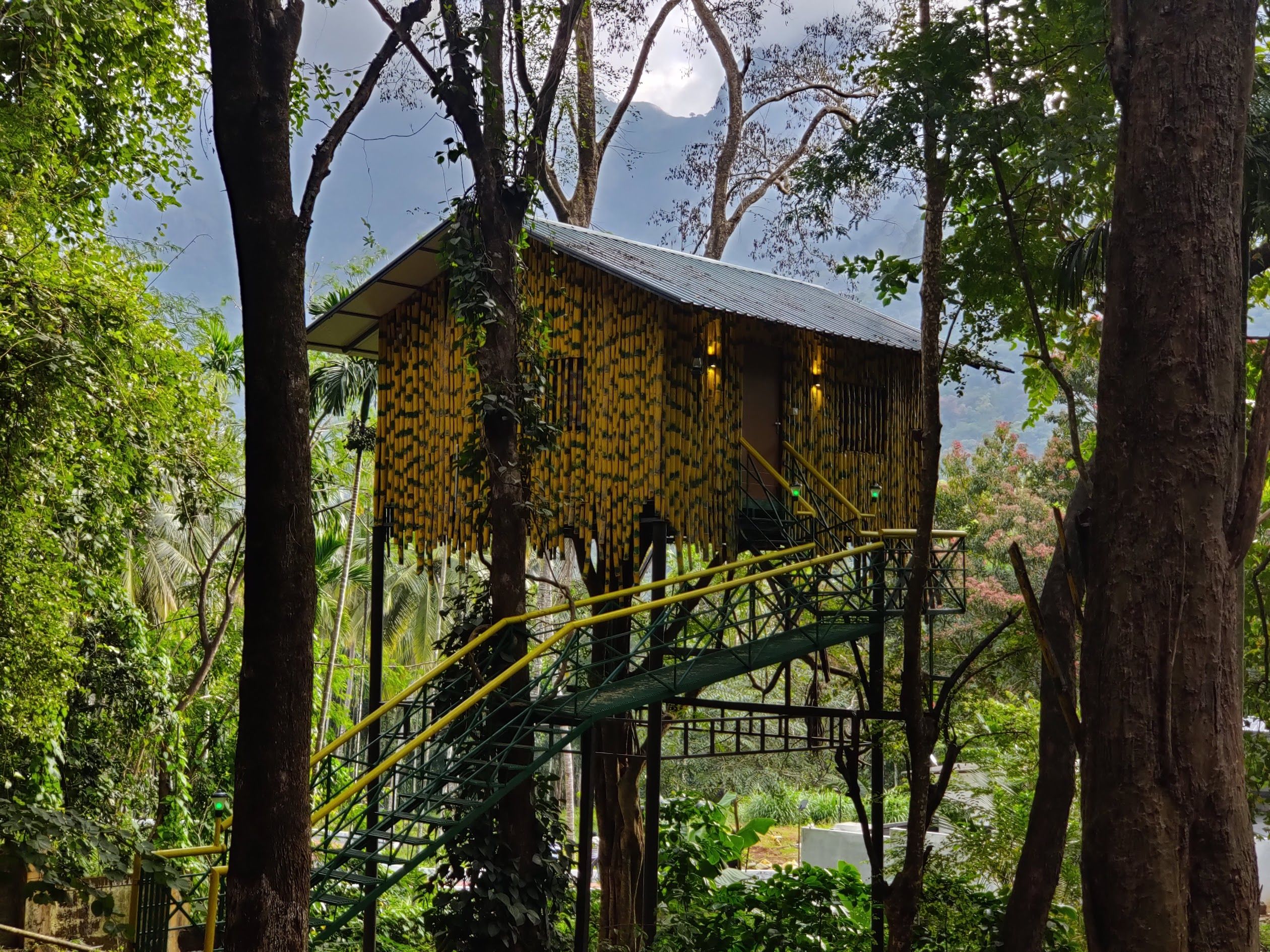
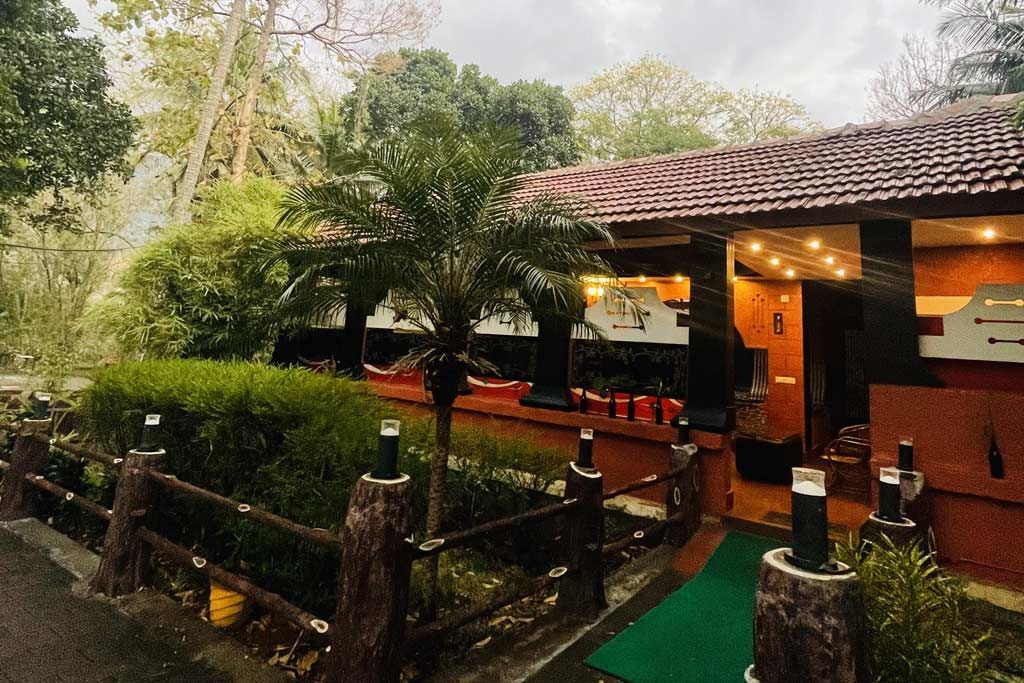
Most travellers choose to stay in the surrounding areas of Ooty, Avalanche, or the quieter peripheral villages of the Nilgiris. These regions offer a peaceful base with convenient access for day trips toward the park boundary. You can browse camping spots, rustic cottages, and authentic homestays in the Nilgiris on HireACamp to suit your travel style and itinerary.
Frequently asked questions
Why is Mukurthi National Park famous?
The park is famous for its distinct shola-grassland landscape, rolling montane peaks, and as a critical protected habitat for the endangered Nilgiri tahr.
Can I visit Mukurthi National Park without a permit?
No, independent entry is not permitted. Visitors must obtain permissions or arrange guided visits through the Tamil Nadu Forest Department, as Mukurthi is a high-priority conservation area.
How far is Mukurthi National Park from Ooty?
Depending on the route and entry checkpoint accessed, the park is approximately 30 to 45 kilometres from Ooty, typically taking one and a half to two hours to drive.
What should I pack for a visit to Mukurthi?
Pack sturdy walking shoes, warm layers or windcheaters to handle chilly breezes, drinking water in reusable bottles, and rain gear if visiting close to the monsoon.
Is trekking allowed inside Mukurthi National Park?
Trekking is strictly regulated and permitted only on specific designated nature routes with official forest department permission and mandatory eco-guides.
Where you'll be
Ootacamund (Ooty) · 2 stays nearby shown with prices
Stays near Mukurthi National Park
Book a place to stay close by
More places near Mukurthi National Park
Within 20 km


Lists for this area
Ranked by how many creators recommend each place


Built from 0 Instagram posts by 0 creators. Every tip links back to the post it came from, and where creators disagree we show both sides.






