
Sonavadi
Destination in Maharashtra
Sonavadi is a quiet rural village situated in the Satara district of Maharashtra, set against the backdrop of the Western Ghats. Located just below the historic ramparts of Sajjangad Fort and near the Urmodi backwaters, the village is an ideal base for travellers who enjoy exploring nature, Maratha history, and tranquil countryside landscapes. Its proximity to cascading waterfalls and plateau reserves makes it a favoured weekend destination from major cities across the state.
Getting there
By road
- From Pune2 hr 40 min · 130 km
- From Mumbai 4 hr 45 min · 271 km
- From Nashik7 hr 15 min · 349 km
By train, bus or air
- Wai Bus DepotNearest bus stand1 hr 5 min · 47 km
- Panchgani Air SafariNearest airport1 hr 25 min · 66 km
Typical drive times without traffic. Places, distances and typical drive times from OLA Maps; notes from creators' Reels.
Sonavadi and Satara Region Itinerary
A practical travel itinerary covering the scenic plateaus, waterfalls, forts, and reservoirs around Sonavadi, Satara, and Wai.
Plateau, Waterfalls, and Sajjangad Fort
Best for day trippers looking to explore the natural attractions and historic landmarks near Sonavadi
Day 1
Kaas Plateau, Waterfalls, and Sajjangad
morning
Kaas plateauAbout 2 hr
Entry tickets cost ₹200 per person and can be booked online via Kas.ind.in. Wildflowers bloom between August and October.
midday
Thoseghar WaterfallAbout 1 hr 30 min · 14 km from the last stop
Located about a 1-hour drive (or 40 km) from Kaas Plateau. Requires a 15 to 20-minute walk to reach the viewpoint. Entry is ₹50 per person.
afternoon
Urmodi Dam View PointAbout 30 min · 8.2 km from the last stop
Located on the left side of the road on the return journey from Thoseghar, approximately 11 km away.
afternoon
Sajjangad FortAbout 1 hr 30 min · 1 km from the last stop
Requires climbing 220 steps from the parking area. The Samadhi Mandir of Samarth Ramdas Swami is located inside.
- Book Kaas Plateau entry tickets online at Kas.ind.in to ensure admission, which costs ₹200 per person.
- Plan for a 15 to 20-minute walk from the parking area to access the Thoseghar Waterfall viewpoints.
- When returning from Thoseghar, keep an eye on the left side of the road approximately 11 km out to spot the Urmodi Dam View Point.
- Visiting Sajjangad Fort requires climbing 220 steps from the parking lot.
Visit lengths are suggestions; distances are straight-line between stops.
About Sonavadi
Written with AI from map data and general knowledge. Check prices and timings locally before you go.
About Sonavadi and its surroundings
Sonavadi is a small rural settlement situated in the fertile and hilly terrain of Satara district in western Maharashtra. The village sits close to the historic hill fort of Sajjangad, surrounded by rolling hills, farming patches, and the calm reservoirs characteristic of this part of the Sahyadri range. The landscape transitions from terraced farmlands with dark red soil to rugged plateaus that catch cloud cover during the wetter parts of the year.
While Sonavadi itself remains an unhurried farming hamlet, its geographical position puts it within arm's reach of some of the most celebrated cultural and natural landmarks in the region. The quiet environment offers an authentic slice of Maharashtrian rural life, with winding country roads lined by banyan and neem trees, open grazing lands, and panoramic views of the surrounding ridges.
Things to do in and around Sonavadi
A primary highlight of visiting Sonavadi is its close proximity to Sajjangad Fort, situated just about a kilometre away. The fort holds immense historical and spiritual significance across Maharashtra as the final resting place of Saint Ramdas. A pathway with stone stairs leads up to the top, where visitors can walk through ancient stone archways, see old bastions, visit shrines, and look out over the deep valleys and water bodies below.
Another attraction right on Sonavadi's doorstep is the Urmodi Dam View Point, located roughly two kilometres away. The vantage point provides panoramic views of the expansive Urmodi reservoir, framed by undulating hills. It is a quiet spot to watch the sun rise or set over the water, especially in the late afternoon when the breeze picks up across the catchment area.
Travellers who appreciate simple outdoor activities can spend hours walking along the rural trails around Sonavadi. The unpaved paths connecting local hamlets are excellent for birdwatching, as local open-country birds, raptors soaring on thermal updrafts, and water birds near the reservoir are frequently spotted.
Read more
Scenic getaways near Sonavadi
Sonavadi serves as a convenient launchpad for exploring several notable day-trip destinations in the Satara region. About ten kilometres away lies Thoseghar Waterfall, one of the most famous waterfall clusters in Maharashtra. During the wet season, seasonal streams converge into powerful cascades plunging into a deep rocky gorge surrounded by thick forest canopy.
Around fourteen kilometres from Sonavadi is the Kaas Plateau, a designated UNESCO World Natural Heritage site celebrated for its unique biodiversity. In late monsoon and early autumn, this volcanic laterite plateau transforms into a vast tapestry of flowering wild herbs and endemic flora that attract nature lovers and botanists from all over the country.
Those looking to travel slightly further can head thirty-three kilometres north toward Table Land in Panchgani, a massive flat laterite plateau known for its open walking stretches and views over the Krishna river valley. Thirty-nine kilometres away sits Dhom Lake, a scenic reservoir formed by the Dhom Dam on the Krishna River, which offers open shorelines and a calm backdrop framed by steep hills.
Best time to visit Sonavadi
The atmosphere around Sonavadi shifts dramatically depending on the season, making the timing of your journey an important consideration.
The monsoon months, running from late June to September, bring heavy rainfall to the Sahyadri ranges. The entire landscape turns vibrant green, seasonal rivulets flow through the valleys, and misty clouds often hang low over the hilltops. This is the prime period to witness regional waterfalls in full force and explore nearby Kaas during its flowering phase.
From October to February, the winter season brings clear skies, crisp mornings, and comfortable afternoon temperatures. It is widely regarded as the most pleasant time for climbing the steps of Sajjangad Fort, strolling along village trails, and enjoying viewpoints without the challenge of heavy rain or slippery terrain.
Summers, spanning March to May, are warm and dry with daytime temperatures rising considerably. While afternoons can be hot, mornings and late evenings remain manageable, particularly around the cooler breeze off the Urmodi reservoir.
How to reach Sonavadi
Sonavadi is well connected to major cities in Maharashtra via the state highway network and the National Highway 48 corridor that passes through the nearby hub of Satara.
From Pune, the distance is approximately 130 kilometres, which typically takes around 2 hours and 40 minutes of driving under normal road conditions. The route follows National Highway 48 south past Shirwal and Shirwal ghat toward Satara city, from where local district roads branch off toward Sajjangad and Sonavadi.
From Mumbai, the journey covers roughly 271 kilometres and usually takes about 4 hours and 40 minutes by road. Drivers take the Mumbai-Pune Expressway before joining National Highway 48 toward Satara.
From Nashik, the drive is about 349 kilometres, typically requiring around 7 hours and 20 minutes via the central transit corridors through Pune.
For those travelling by public transit, Satara railway station and the central bus depot in Satara city are the closest major transit points. From Satara, local state transport buses, shared jeeps, and private taxis run frequently along the Sajjangad route, dropping passengers off close to Sonavadi.
Tips for your visit
When planning an excursion around Sonavadi, comfortable footwear with solid grip is essential, particularly if you intend to walk up the stone steps of Sajjangad Fort or traverse damp pathways near the viewpoints.
Weather can change rapidly in the hilly sections of Satara during the monsoon months, so high-grade waterproof jackets, umbrella covers, and dry bags for cameras and phones are highly recommended. If you plan to visit the Kaas Plateau during the wildflower season, verify entry guidelines and requirements locally before setting out, as foot-traffic controls are often enforced.
While mobile data networks work across most open areas, connectivity can dip in deeper valley segments and along rural stretches. It is advisable to carry some cash for local purchases, farm stands, and smaller transport services, as digital payment terminals may occasionally experience network lag.
Where to stay around Sonavadi
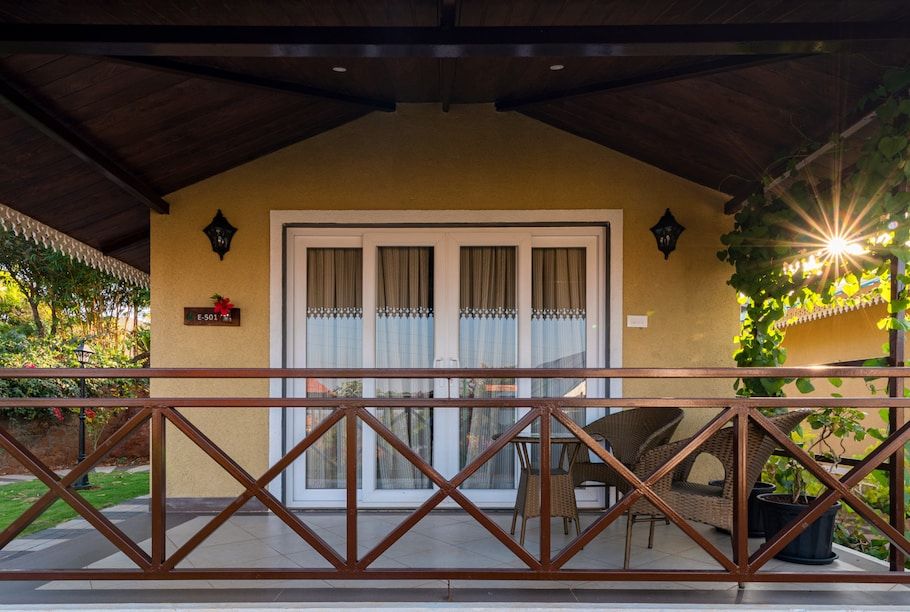
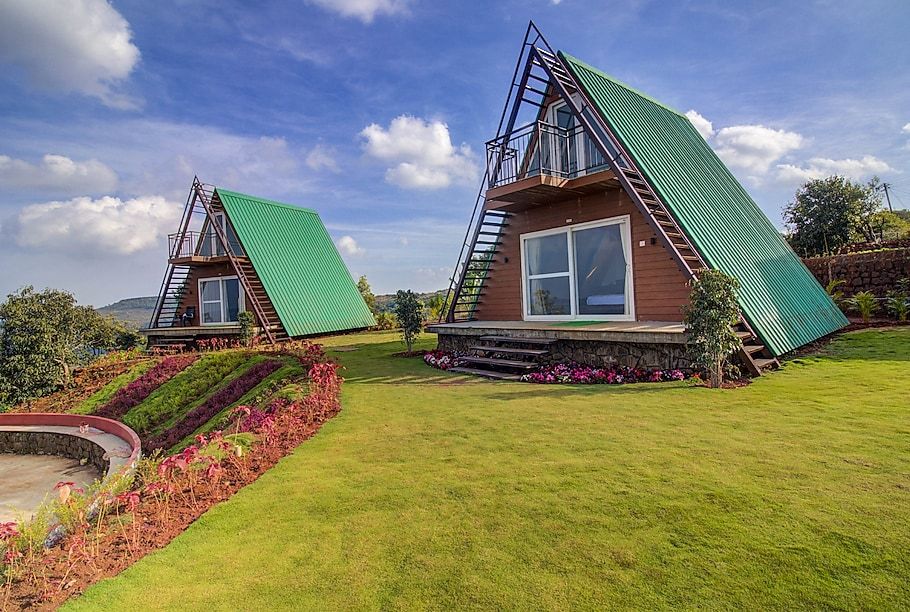
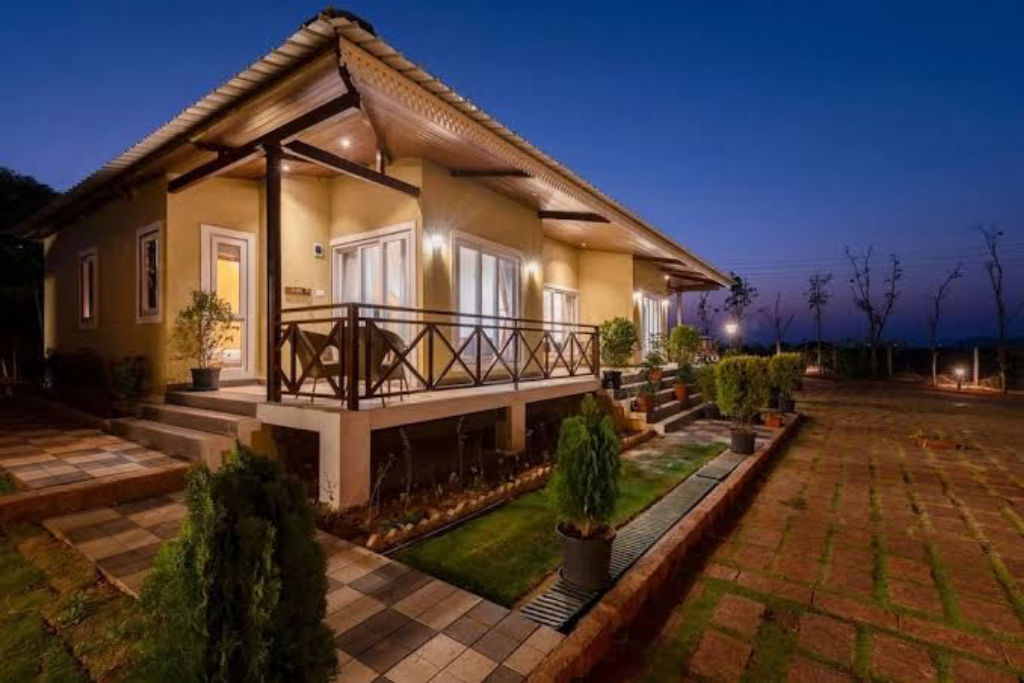
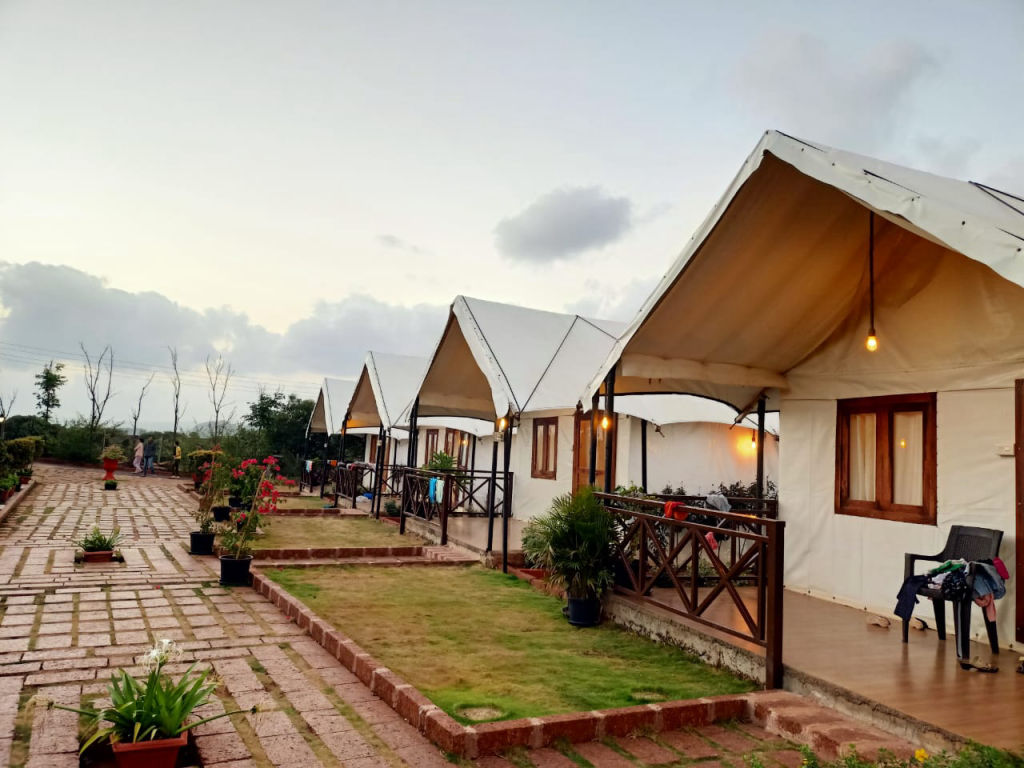
Because Sonavadi is a peaceful agrarian settlement, the surrounding area features low-density accommodation options that blend naturally into the rural environment. Visitors can find rustic camps, riverside tent setups, and family-run homestays throughout the nearby valleys and around the Satara countryside.
Staying in a homestay or outdoor camp allows travellers to experience home-cooked regional Maharashtrian meals, peaceful nights with minimal light pollution, and easy morning access to nearby viewpoints. You can browse and book verified camps, rural getaways, and homestays around Sonavadi on HireACamp.
Frequently asked questions
What is Sonavadi known for?
Sonavadi is known for its peaceful rural setting in Satara district, its close proximity to the historic Sajjangad Fort, and its immediate access to the scenic Urmodi Dam viewpoints.
How far is Sajjangad Fort from Sonavadi?
Sajjangad Fort is located approximately one kilometre from Sonavadi, making it easily accessible on foot or by a very short drive.
Can I visit Thoseghar Waterfall and Kaas Plateau from Sonavadi?
Yes, Both attractions are close by; Thoseghar Waterfall is roughly 10 kilometres away, while the Kaas Plateau is about 14 kilometres from Sonavadi.
What is the best time of year to visit Sonavadi?
The monsoon season from July to September is best for lush greenery and waterfalls, while the winter period from October to February offers the most comfortable weather for walking and sightseeing.
How can I book accommodation near Sonavadi?
You can explore and book verified rural stays, homestays, and outdoor campsites in the region directly on HireACamp.
Where you'll be
4 stays nearby shown with prices
Stays near Sonavadi
Book a place to stay close by
Things to do in Sonavadi
48 places creators recommend within 30 km


Lists for this area
Ranked by how many creators recommend each place

Built from 0 Instagram posts by 0 creators. Every tip links back to the post it came from, and where creators disagree we show both sides.


