
Sumbuk
Destination in Sikkim
Sumbuk is a quiet rural settlement situated in the hills of South Sikkim, overlooking the valleys along the border with West Bengal. Known for its extensive pine tracts, diverse birdlife, and serene farmland, it attracts travellers seeking a slower pace of travel away from crowded tourist centres. Visitors head here to walk scenic hillside trails, observe local wildlife, and experience traditional Sikkimese village hospitality.
Getting there
About Sumbuk
Written with AI from map data and general knowledge. Check prices and timings locally before you go.
Understanding Sumbuk and its landscape
Sumbuk is set along the undulating slopes of southern Sikkim, spanning an altitudinal range that rises from warm river basins to cool, misty ridges. The settlement is divided into Lower and Upper Sumbuk, each displaying a noticeable shift in vegetation and climate. Lower Sumbuk features terraced agricultural fields, subtropical groves, and patches of ginger and maize, while Upper Sumbuk transitions into dense tracts of Himalayan pine, chir pine, and flowering shrubs.
The village has gained recognition for community-led forest conservation, which has preserved natural habitats like Phooldara and the Tamley Chaur pine clearing. From higher ridges in the area, the landscape opens out to sweeping vistas across deep river valleys, forested hills, and the Darjeeling ridges visible in the distance across the state boundary.
Things to do in Sumbuk
Birdwatching is one of the most rewarding outdoor activities in Sumbuk. Because the village encompasses both subtropical riverine tracts and cooler hill forests, it supports a wide variety of bird species. The lower slopes are home to wild fowls, green pigeons, and babblers, while higher ridges offer frequent sightings of laughingthrushes, flycatchers, sunbirds, and various birds of prey. Walking slowly along village lanes in the early morning often reveals dozens of species without the need for strenuous trekking.
Exploring the trails between Lower and Upper Sumbuk is another highlight. A well-known local path leads towards Tamley Chaur, a broad pine-covered meadow that offers cool shade and panoramic mountain views. Another route continues up towards Phooldara, known for its scenic vantage points and seasonal flora. These walking routes wind past cardamom patches, traditional homesteads, and terraced plots, making them ideal for unhurried day walks.
Travellers can also spend time learning about the region's agrarian lifestyle. Many households practice organic farming, tending to seasonal vegetable patches and mandarin orange groves. Strolling through the quiet neighbourhoods, sitting by natural springs, and watching evening settle over the valley provide a grounded travel experience that is difficult to find in larger commercial towns.
Read more
Places to visit around Sumbuk
Sumbuk serves as a practical base for exploring the diverse landscapes of southern Sikkim and the neighbouring hill country. A short journey away is Tarey Bhir, a dramatic ridge that ends in a steep cliff edge overlooking the confluence of mountain rivers. A stone pathway constructed along the crest of the ridge allows visitors to walk safely while enjoying vast views across the river basin below.
The town of Namchi is also reachable for a day trip. In and around Namchi, visitors can explore sprawling tea gardens, peaceful monasteries, and scenic hill parks before returning to the calm of Sumbuk by evening.
Because Sumbuk sits close to the state border, travellers can also access scenic locations on the West Bengal side of the valley. Forested destinations such as Lamahatta, with its tall pine groves and mountain vistas, as well as the terraced tea slopes along the lower hill corridors, make for enjoyable day excursions. While classic hill towns like Darjeeling are geographically close across the ridges, many visitors find that staying on the Sikkim side offers far quieter roads and untamed countryside.
Best time to visit Sumbuk
The most favourable months to plan a trip to Sumbuk are from October through April, when the weather is generally dry and the skies are at their clearest. Autumn, spanning October and November, provides crisp air, pleasant daytime temperatures, and excellent visibility across the surrounding hills, making it a prime window for walking and photography.
Winter, lasting from December to February, brings cooler days and cold nights, especially in Upper Sumbuk. Mornings can be chilly with light mist, but days are usually bright and sunny, creating comfortable conditions for birdwatching and hiking. Visitors travelling during these months should pack adequate warm layers, especially for early mornings and after sunset.
Spring, from March to late April, brings mild warmth and the blooming of wild flowers, rhododendrons, and forest shrubs. This is a very active season for birdlife in the region. The monsoon arrives by June and lasts through September, bringing intense downpours that nourish the greenery but can also cause muddy paths and occasional travel delays along hillside roads.
How to reach Sumbuk
Reaching Sumbuk involves a road journey from the transit hubs located in the plains of northern West Bengal. The nearest broad-gauge railway junction is New Jalpaiguri, while the closest commercial airport is Bagdogra near Siliguri. Both points offer regular long-distance connections from across India.
From Siliguri, NJP, or Bagdogra, road travel heads north along the Teesta river valley towards the Sikkim border. Vehicles enter the state through border crossings such as Melli before ascending the winding hill roads that lead toward Sumbuk. The entire drive typically takes around three to four hours depending on traffic conditions along the national highway.
Travellers using public transport can take shared jeeps from Siliguri to transit towns like Melli or Jorethang, where local taxis can be hired to complete the final uphill leg to Sumbuk. If you are already touring Sikkim, Sumbuk can be reached easily by road from Namchi or Ravangla via well-established regional routes.
Tips for your visit to Sumbuk
To make the most of your time in Sumbuk, carry comfortable walking shoes with reliable tread. The terrain consists of gravel paths, dirt tracks, and occasional steep gradients that are best navigated on foot. A pair of binoculars is highly recommended if you wish to observe the rich birdlife in the pine groves and orchards.
ATMs and card machines are rare in smaller mountain villages, and network signals can fluctuate. It is advisable to withdraw enough cash at larger towns such as Siliguri, Melli, or Jorethang prior to your arrival. Carrying a power bank is also sensible for keeping your devices charged during day outings.
Sumbuk is a peaceful residential and agricultural area, so respectful conduct is essential. Stick to established walking paths rather than stepping across farmed crops, ask before photographing residents, and ensure all plastic wrappers and containers are carried back to your accommodation for proper disposal.
Where to stay in and around Sumbuk
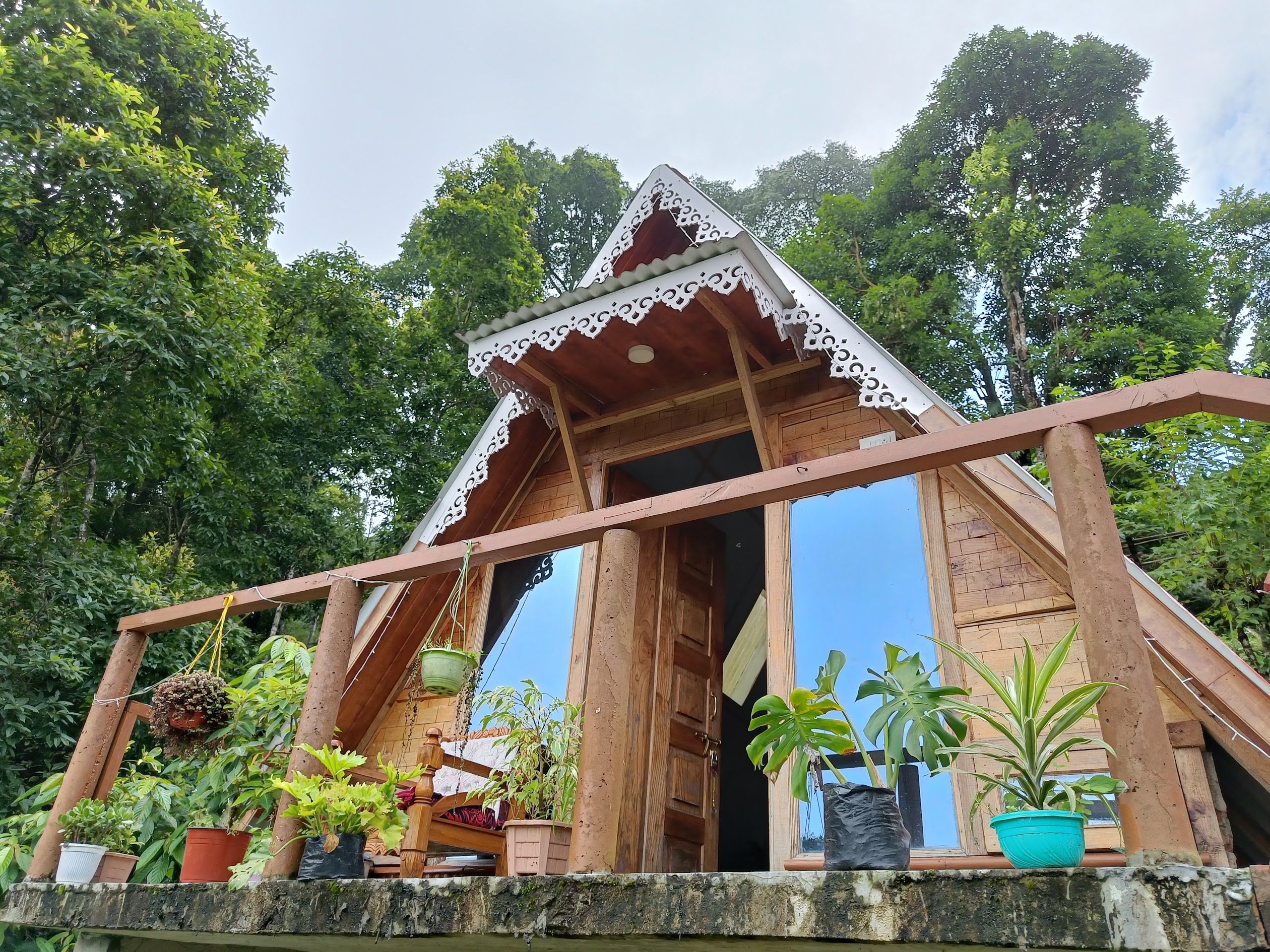
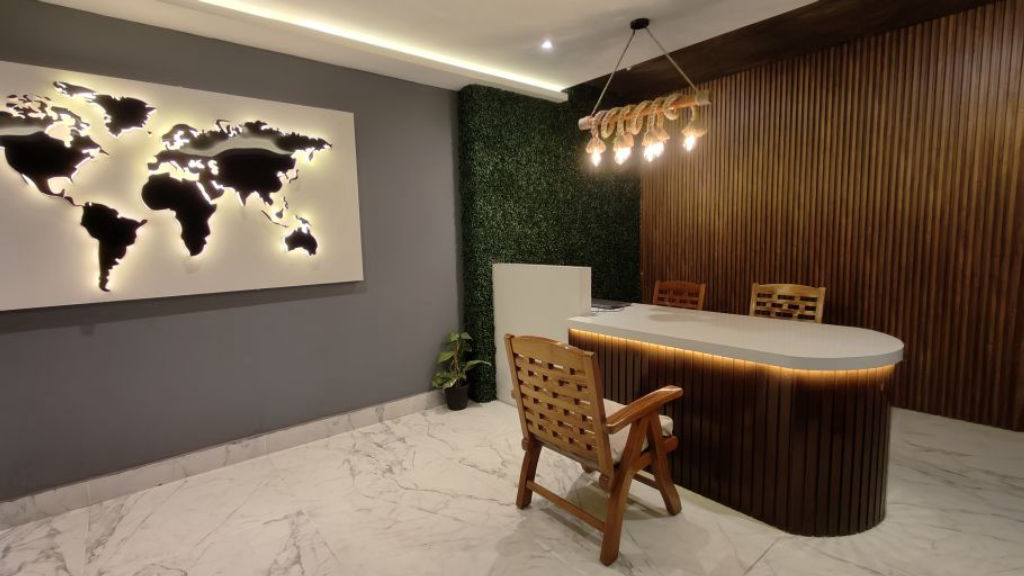
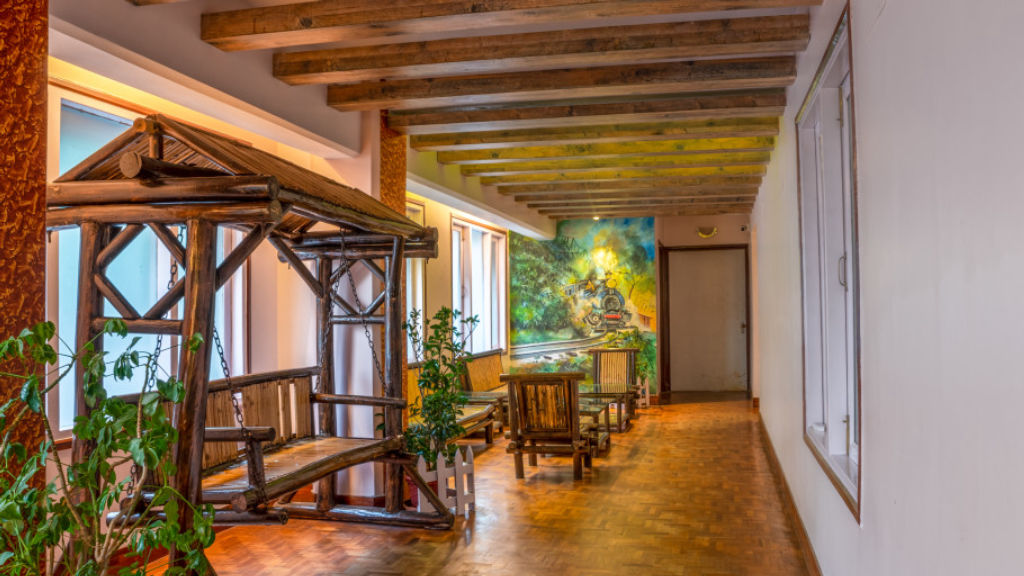
Accommodation around Sumbuk is centred around village homestays, small community-run guest houses, and scenic nature lodges. Staying in a local homestay provides an authentic window into southern Sikkimese culture, with hosts serving home-cooked meals prepared using local, organically grown ingredients.
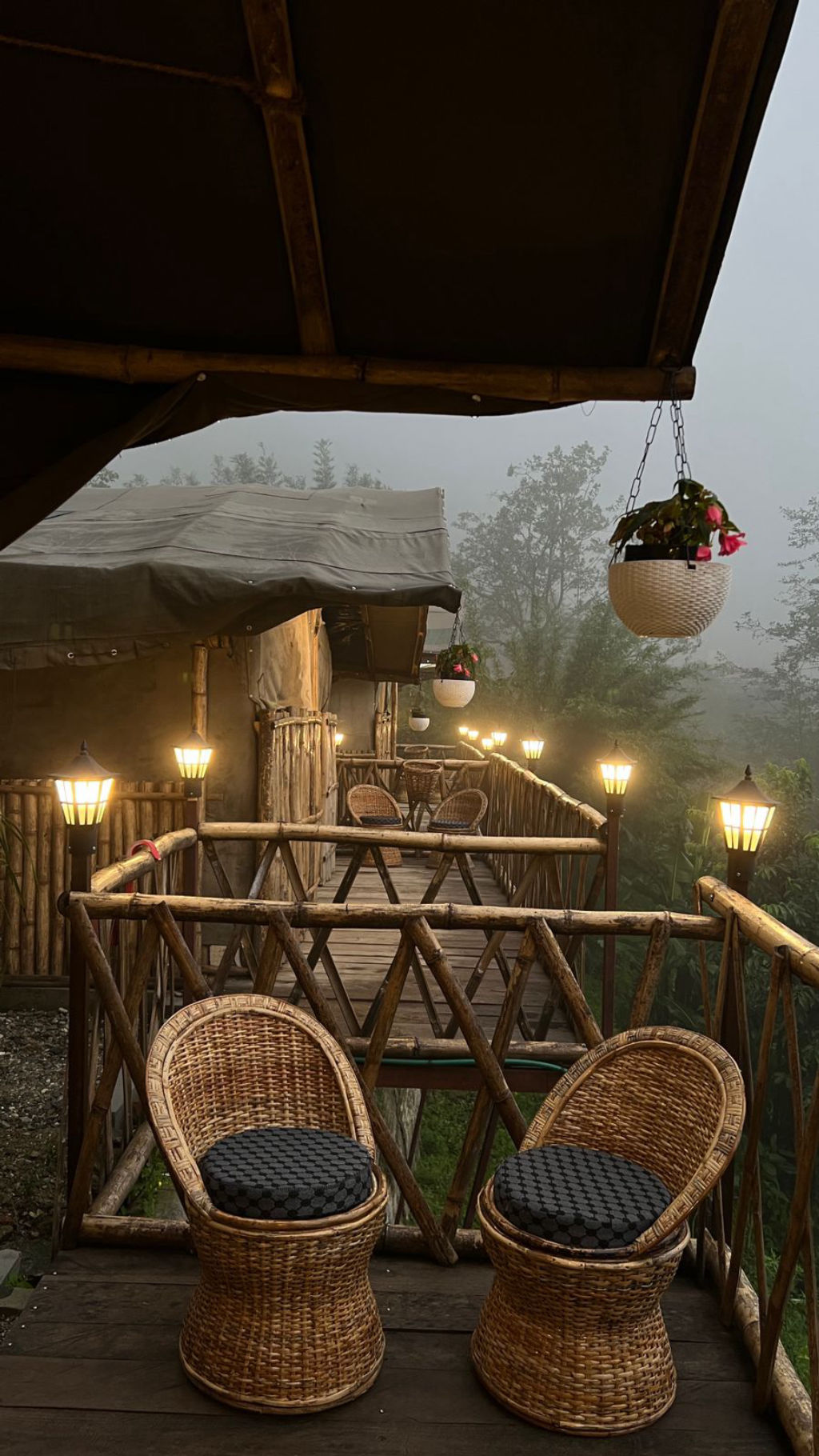
For travellers interested in spending their nights closer to the outdoors, campsites, river retreats, and eco-stays are available in the adjacent valleys and along scenic hillside stretches. You can explore and book verified homestays, nature retreats, and outdoor stays around Sumbuk on HireACamp.
Frequently asked questions
What is Sumbuk best known for?
Sumbuk is best known for its rich birdwatching opportunities, extensive pine forests, and peaceful rural atmosphere. Natural attractions like Tamley Chaur and Phooldara draw nature lovers who want to explore South Sikkim away from mainstream commercial crowds.
Which is the nearest airport to Sumbuk?
The nearest commercial airport is Bagdogra Airport near Siliguri in West Bengal. From the airport, Sumbuk can be reached by a road drive of approximately three to four hours through Melli.
Can I visit Sumbuk during the winter months?
Yes, winter is a pleasant time to visit Sumbuk, featuring clear skies and sunny daytime conditions suitable for hiking and birdwatching. Nights and early mornings can be quite cold, so carrying warm woollen clothing is recommended.
Do I need permits to visit Sumbuk?
Indian citizens do not require special inner line permits to visit Sumbuk, though valid photo identification should be carried when entering Sikkim. Foreign nationals should verify current Sikkim permit regulations and entry checkpoint formalities locally before travelling.
Are there good walking trails in Sumbuk?
Yes, the area has several gentle trails connecting Lower and Upper Sumbuk, including paths leading to Tamley Chaur and Phooldara. These routes wind through pine forests, cardamom plantations, and rural farmland.
Where you'll be
6 stays nearby shown with prices
Stays near Sumbuk
Book a place to stay close by

Things to do in Sumbuk
40 places creators recommend within 30 km


Lists for this area
Ranked by how many creators recommend each place


Built from 0 Instagram posts by 0 creators. Every tip links back to the post it came from, and where creators disagree we show both sides.






