
Thanggu
Destination in Sikkim
Thanggu is a tranquil high-altitude alpine hamlet situated along the Thangu Chu river in the Mangan district of North Sikkim. Perched at an elevation close to 13,000 feet, the settlement functions as an essential acclimatization base for journeys toward Chopta Valley and Gurudongmar Lake. Travellers visit to experience traditional wooden mountain dwellings, vast alpine pastures, and stark Himalayan panoramas.
Getting there
About Thanggu
Written with AI from map data and general knowledge. Check prices and timings locally before you go.
About Thanggu and its Himalayan setting
Thanggu, often referred to as Thangu Valley, is an alpine settlement nestled in the upper northern reaches of Sikkim. Perched at an elevation close to 3,900 metres, this small highland village marks the geographical transition where thick temperate tree lines give way to open, windswept trans-Himalayan landscapes. The settlement sits directly along the path of the Thangu Chu, a primary glacial tributary of the Teesta River, surrounded by rugged mountain ridges and rocky crags.
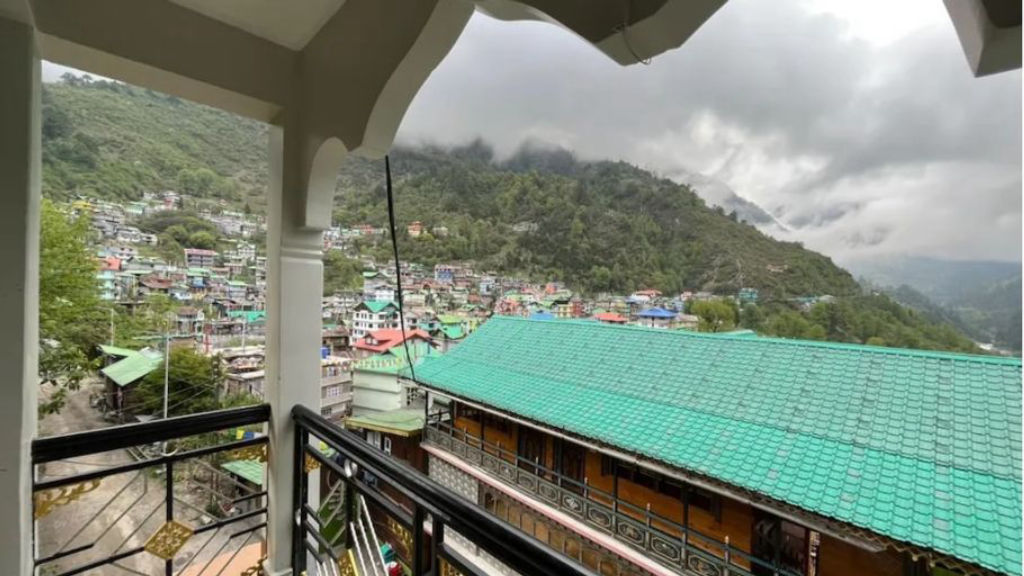
Traditionally inhabited by indigenous pastoral communities such as the Bhutias, Thanggu maintains a slow and grounded rhythm of mountain life. The village is characterized by weathered timber and stone houses designed to endure severe Himalayan winters, surrounded by fluttering Buddhist prayer flags. While many travellers pass through Thanggu on their way to higher plateaus, pausing in the settlement reveals an authentic slice of high-altitude Himalayan living defined by grazing yaks, mountain silence, and pristine cold-climate terrain.
Things to do in and around Thanggu
Spending time in Thanggu is primarily centred on acclimatization, quiet walks, and soaking in the stark mountain geography. Taking gentle walks through the village lanes allows you to observe high-altitude pastoral living up close, where locals prepare for harsh weather, tend to livestock, and maintain traditional wooden homes. The sound of prayer flags whipping in the mountain wind and the quiet pace of the settlement create a meditative atmosphere.
A walk toward the banks of the Thangu Chu offers a closer view of clear glacial meltwater cutting through rounded river boulders and alpine gravel beds. Photographers will find compelling vistas in every direction, particularly during the early morning hours when low-angle sunlight strikes the high ridges framing the valley. Birdwatchers should keep an eye on rocky outcrops and scrubby slopes for high-altitude species such as alpine choughs, snow pigeons, grandalas, and mountain accentors.
Read more
Getaways and excursions near Thanggu
Because of its strategic northern location, Thanggu serves as the primary stepping stone for visits to some of the highest and most remote parts of Sikkim. A short drive further north brings travellers into the broad expanse of Chopta Valley. This wide alpine basin is known for meandering stream channels, sweeping mountain perspectives, and seasonal carpets of wildflowers that contrast against the rocky, barren slopes.
Continuing past Chopta Valley leads to Gurudongmar Lake, one of the highest freshwater lakes on Earth, situated over 17,000 feet above sea level. Revered by Buddhists, Sikhs, and Hindus alike, this sacred body of glacial water remains partially unfrozen throughout the year amidst an arid, high-altitude desert surrounded by snow peaks. For seasoned trekkers equipped with local logistics, old pathways leading toward Muguthang and the Green Lake trek present possibilities for deep-wilderness exploration subject to local conditions and permissions.
Best time to visit Thanggu
The climate in Thanggu is shaped by extreme mountain seasonality, meaning the experience changes dramatically across the calendar year. Spring, spanning from April to early June, is widely considered one of the finest periods to plan a journey. During this window, snow begins to recede from the lower valleys, uncovering fresh alpine turf and blooming rhododendrons and primulas along the roadsides. Daytime temperatures remain cool, though nights are routinely frosty.
Autumn, from late September through November, offers crisp mountain air, dry weather, and the clearest blue skies of the entire year. This period provides uninterrupted views of surrounding peaks and stable road conditions. By late November, winter takes a firm hold with sub-zero temperatures, intense frost, and heavy snowfall that often blocks northern passes. The monsoon months of July and August bring heavy, persistent rainfall to Sikkim, making the winding access roads prone to frequent landslides and transit delays.
How to reach Thanggu
Reaching Thanggu requires a scenic but demanding overland journey into North Sikkim, usually originating from Gangtok. Travellers typically take a full day to drive from Gangtok through the district headquarters at Mangan and the river confluence at Chungthang, eventually branching westward toward Lachen. Most visitors spend the night in Lachen to rest and begin the process of adjusting to the altitude before ascending further to Thanggu the next morning.
For travellers arriving from outside the state, the nearest major railway hub is New Jalpaiguri in West Bengal, and the primary airport is Bagdogra, with regional air links occasionally operating via Pakyong Airport near Gangtok. From the plains, shared or private vehicles take travellers up to Gangtok. Because Thanggu lies within a sensitive border area, all travellers require a Protected Area Permit arranged through registered local operators or administrative checkpoints before embarking on the drive.
Essential travel and acclimatization tips
Because Thanggu is located at an altitude of approximately 13,000 feet, altitude mountain sickness is a serious consideration. Rapid ascent without proper rest can lead to headaches, dizziness, and fatigue. It is strongly recommended to stagger your itinerary with overnight stays in Gangtok and Lachen rather than rushing up the valley. Drinking plenty of water, avoiding heavy physical exertion on arrival, and keeping warm fluids on hand will help your body adapt.
Packing properly is vital for comfort and health in this high-altitude climate. Heavy woollen layers, thermal inners, windproof outer shells, insulated gloves, and warm head coverings are necessary even in summer. Sunlight is intense at these elevations, so polarized sunglasses, broad-spectrum sunscreen, and protective lip balms are indispensable. Remote mountain routes have limited commercial services, so make sure to carry personal prescription medicines, motion sickness relief, and adequate cash before leaving larger towns.
Where to stay in Thanggu
Stays in and around Thanggu reflect the remote, rugged character of North Sikkim. Most lodging is built on simple, homestyle hospitality, featuring small guest houses and family-run homestays where hosts provide thick blankets, basic heated rooms, and hot home-cooked meals centered around regional dishes and warm soups. Running water and electricity can be intermittent depending on weather and sub-zero temperatures.
Travellers interested in booking authentic homestays, nature retreats, and eco-camps across North Sikkim can discover options on HireACamp. Opting for locally managed stays gives travellers an intimate look into high-altitude mountain life while providing a restful base for explorations into the higher plateaus.
Frequently asked questions
What is Thanggu known for?
Thanggu is known for its high-altitude alpine landscape, traditional wooden village homes, and its role as an essential stopover for acclimatization before visiting Gurudongmar Lake and Chopta Valley.
Do I need a permit to visit Thanggu?
Yes, Thanggu is located in a protected frontier zone in North Sikkim, so Indian travellers require a Protected Area Permit, which must be arranged through authorized tour operators or administrative offices.
What is the altitude of Thanggu?
Thanggu sits at an elevation of approximately 3,900 metres, or around 13,000 feet above sea level.
What clothing should I pack for Thanggu?
Pack heavy woollens, thermal inners, a windproof and waterproof outer jacket, warm caps, insulated gloves, and sturdy shoes, as cold winds and freezing temperatures can occur throughout the year.
Is Thanggu accessible during the winter?
Access to Thanggu during mid-winter is often restricted or closed due to heavy snowfall, sub-zero temperatures, and ice on the mountain roads, so check local road conditions before planning a trip.
Where you'll be
1 stay nearby shown with prices
Stays near Thanggu
Book a place to stay close by
Things to do in Thanggu
13 places creators recommend within 30 km
Built from 0 Instagram posts by 0 creators. Every tip links back to the post it came from, and where creators disagree we show both sides.






