
Thiksey
Destination in Ladakh
Thiksey is a serene settlement in the upper Indus Valley of Ladakh, situated roughly twenty kilometres south-east of Leh. It is celebrated primarily for Thiksey Monastery, a grand multi-tiered complex perched on a hill that closely resembles the Potala Palace of Lhasa. Travellers visit to experience centuries of Tibetan Buddhist culture, witness traditional morning chants, and take in panoramic views of the stark Karakoram and Zanskar ranges.
Getting there
About Thiksey
Written with AI from map data and general knowledge. Check prices and timings locally before you go.
About Thiksey and its heritage
Thiksey occupies a dramatic vantage point in the high-altitude cold desert of central Ladakh. Settled beside the waters of the Indus River, the village is defined visually and culturally by Thiksey Gompa, an imposing twelve-storey monastery affiliated with the Gelug, or Yellow Hat, order of Tibetan Buddhism. The complex rises tier upon tier from the valley floor up a limestone hill, painted in striking whitewash, deep ochre, and red, creating an architectural silhouette that commands the entire landscape.
Founded in the fifteenth century, Thiksey has long functioned as a primary spiritual and administrative centre for monastic life in Ladakh. Below the monastery compound lies a scattering of whitewashed mud-brick houses and fertile barley fields, irrigated by glacial meltwater channels. The stark contrast between the green fields along the valley floor and the barren, wind-chiseled scree slopes above gives Thiksey a timeless atmosphere that draws travellers seeking spiritual depth and architectural grandeur.
Things to do in Thiksey
The focal point of any visit to Thiksey is spending time within the monastery complex. Arriving early in the morning allows visitors to attend the daily prayer congregation in the main assembly hall. The sound of deep-throated chanting by monks, accompanied by the low rumble of long brass horns, resonant cymbals, and drums, provides a profound glimpse into centuries-old monastic rituals. The aroma of burning juniper incense and butter lamps fills the dim hall, leaving an indelible impression.
Within the monastery, you should explore the temple housing the famous statue of Maitreya Buddha, installed to commemorate a visit by the fourteenth Dalai Lama. Standing two storeys high, this meticulously painted figure is renowned for its serene expression and detailed ornamentation. The monastery also holds smaller shrines, an assembly hall filled with intricate silk thangkas, and an extensive collection of ancient Buddhist manuscripts written on birch bark and paper.
Beyond the temples, climb to the rooftop terraces of the complex. From here, you gain unobstructed views across the floodplains of the Indus River, framed by the jagged peaks of the Ladakh Range on one side and the snow-dusted Stok Kangri massif on the other. Down in the village, a slow walk along rural lanes lined with chortens, willow trees, and stone walls offers an unhurried look at everyday agrarian Ladakhi life.
Read more
Places to visit nearby
Because Thiksey sits along the principal travel corridor through the upper Indus Valley, it serves as a practical base for exploring several significant cultural and historical sites. A short drive to the north brings you to Shey, the historic summer capital of upper Ladakh. Shey Palace and its adjoining monastery house a massive seated statue of Shakyamuni Buddha made of gilded copper, set against a hill that looks across a marshy lake fed by mountain springs.
Further down the valley across the Indus lies Stakna Monastery, uniquely set on an isolated rocky crag that rises abruptly from the flat river valley. Its name translates to tiger's nose, reflecting the shape of the rock outcropping. Stakna belongs to the Drugpa Kagyu lineage and is home to a peaceful collection of sacred paintings and sculptures, along with striking views back toward Thiksey.
Continuing south along the river leads to Hemis, the wealthiest and largest monastery in Ladakh. Tucked away in a secluded gorge within Hemis National Park, it features rich museum exhibits, historical artifacts, and vast courtyards where annual mask dance festivals take place. On the southern banks opposite Thiksey, Matho Monastery is another noteworthy stop, known for its deep spiritual traditions and distinctive oracular festivals.
Best time to visit Thiksey
The ideal window for visiting Thiksey runs from May through September, when the weather in Ladakh is at its most welcoming. During these summer months, daytime temperatures are warm and comfortable under clear high-altitude skies, although nights remain cool. Roads, mountain passes, and local services operate at full capacity during this time, and the surrounding fields are vibrant with green barley and blooming wildflowers.
October brings crisp autumn air and golden foliage to the poplar and willow trees along the river. Daytime temperatures begin to fall rapidly, and by November, winter takes a firm grip on the valley. While winter brings severe sub-zero temperatures and occasional snow, it is also the time when the monastery hosts the Thiksey Gustor festival. Visitors willing to brave the harsh cold can witness ceremonial sacred dances performed by resident monks, completely free from the standard tourist crowds of summer.
How to reach Thiksey
The quickest way to reach Thiksey is by flying into Kushok Bakula Rimpochee Airport in Leh, which receives regular direct flights from major Indian cities such as Delhi. From the airport or Leh town, Thiksey is roughly a forty-minute drive south-east along the paved Leh-Manali highway. Local taxis, shared jeeps, and regional buses connect Leh with Thiksey throughout the day.
Travellers arriving by road typically travel via either the Srinagar-Leh highway or the Manali-Leh highway during the summer season when the high mountain passes are open. If you are entering Ladakh via the Manali-Leh route, Thiksey falls along the final stretch of highway just before reaching Leh. Having personal or rented transport makes it easy to stop and explore Thiksey and neighboring valley sites at your own pace.
Tips for your visit
Acclimatization is essential for anyone traveling to Thiksey. Because the valley sits at an elevation exceeding eleven thousand feet above sea level, spend at least forty-eight hours resting in Leh or the surrounding villages before undertaking strenuous walks or climbing the steep staircases of the monastery. Drink plenty of water and stay mindful of early symptoms of altitude sickness.
When exploring the monastery, respect local customs by dressing modestly, removing your shoes before entering shrine rooms, and walking clockwise around prayer wheels, chortens, and temple interiors. Inquire politely before photographing inside sanctuaries or taking portraits of monks and village residents. Sun protection, including a broad hat, sunglasses, and high-SPF sunscreen, is necessary due to the powerful ultraviolet radiation in the thin mountain atmosphere.
Where to stay in Thiksey
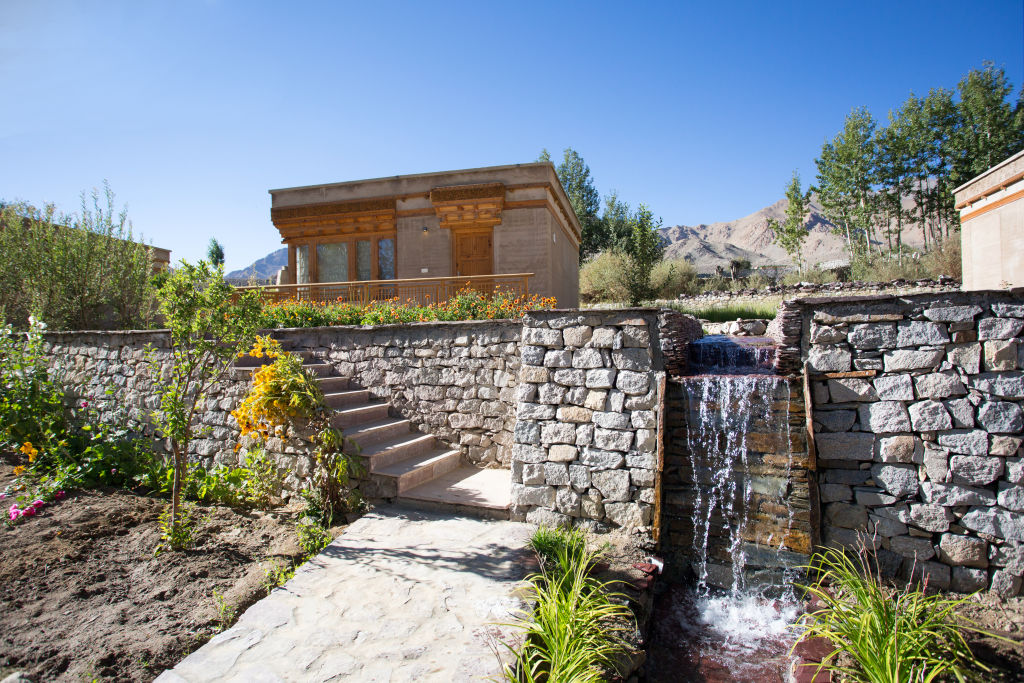
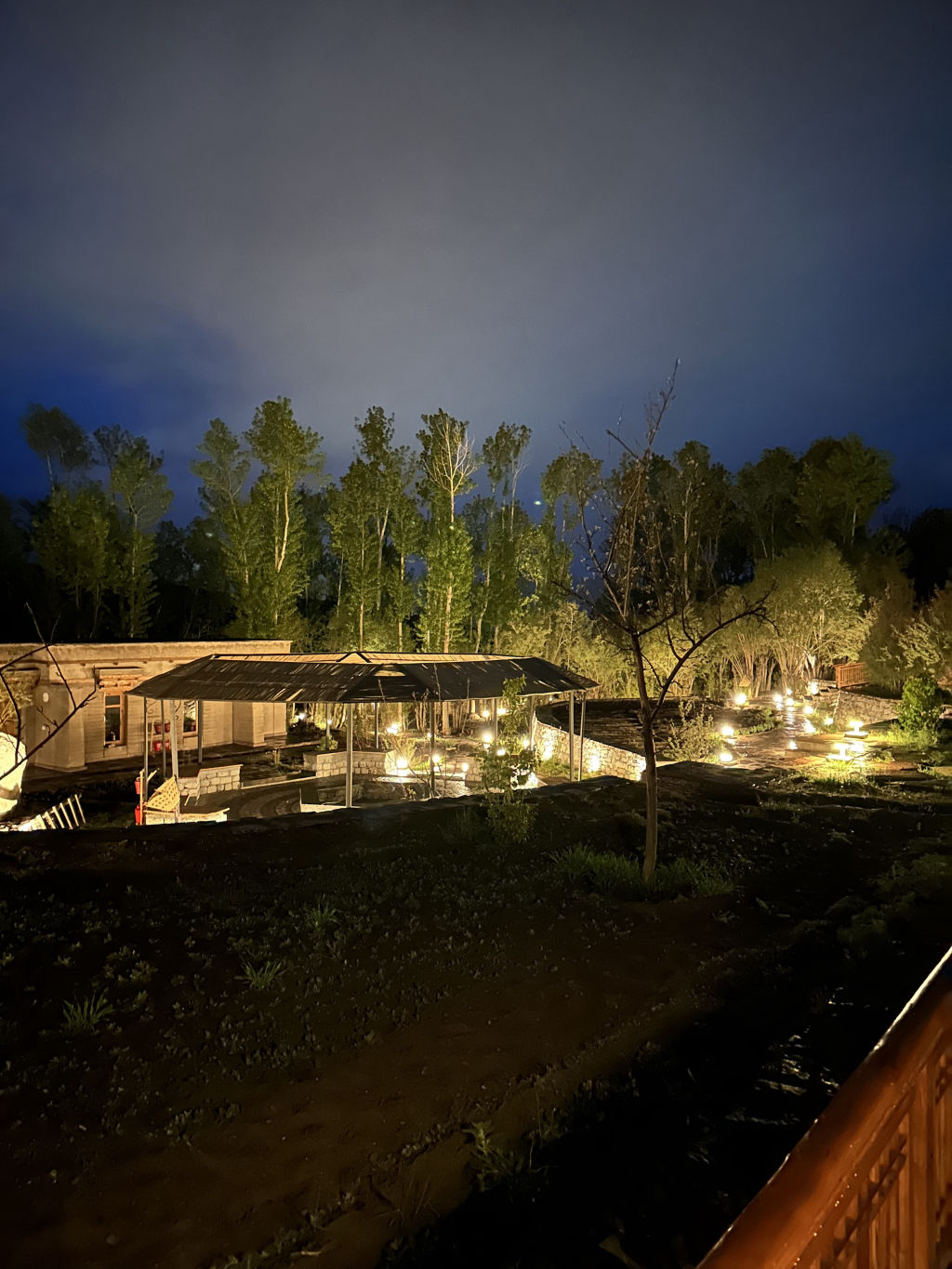
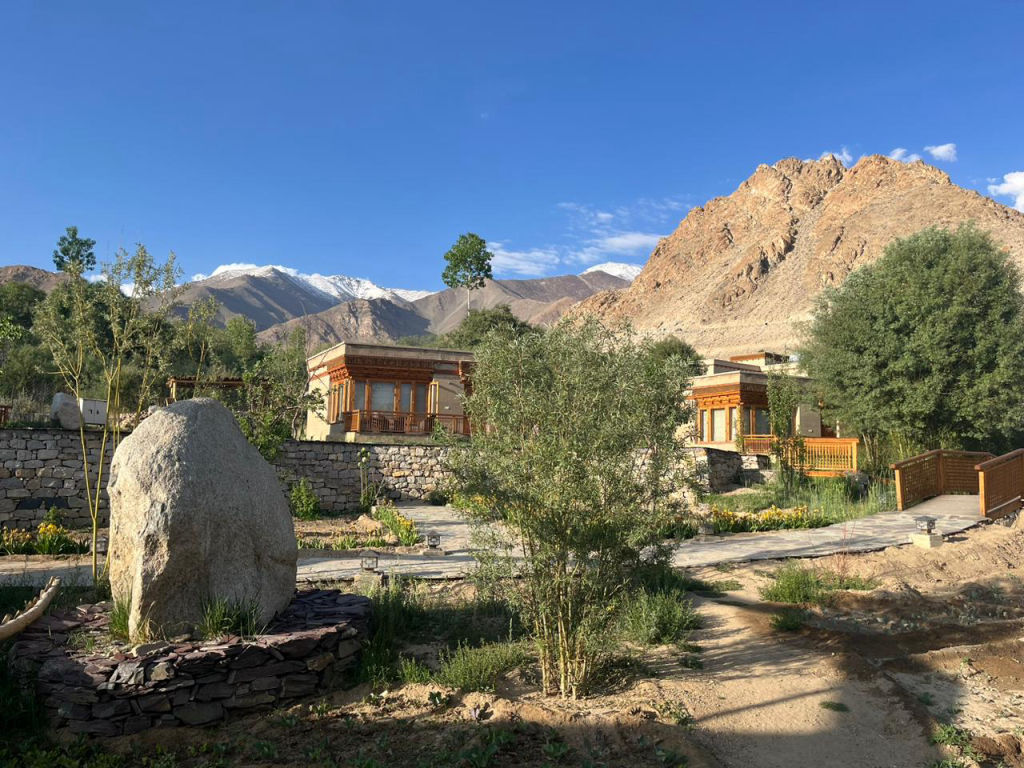
Staying in or around Thiksey provides a calmer, more reflective experience than lodging in central Leh. The village offers traditional family-run homestays, small eco-lodges, and peaceful seasonal camps situated amid orchards and barley terraces. Waking up to the morning bells of the monastery across the valley is one of the distinct highlights of choosing this area for your base.
You can find authentic homestays, riverside camps, and unique stays near Thiksey on HireACamp. Booking your stay in advance is particularly advisable during the peak months of July and August when travel across Ladakh is at its highest.
Frequently asked questions
How far is Thiksey from Leh?
Thiksey is situated approximately nineteen kilometres south-east of Leh along the Leh-Manali highway, taking roughly thirty to forty minutes by car or local taxi.
What is the morning prayer timing at Thiksey Monastery?
Morning prayers generally take place at dawn, around sunrise, but exact timings vary depending on the season, so it is recommended to confirm locally the evening before your visit.
Do I need a special permit to visit Thiksey?
Indian citizens do not require permits to visit Thiksey, while international tourists only require Protected Area Permits if continuing onward toward restricted border sectors like Nubra Valley or Pangong Tso.
Can I walk up to Thiksey Monastery or is there vehicle access?
A motorable road leads directly to a parking area near the upper sections of the monastery, though exploring the various shrines and viewpoints still involves climbing stairs on foot.
Is Thiksey open throughout the year?
Yes, Thiksey Monastery and the surrounding village remain accessible year-round, although winter travel requires preparing for sub-zero temperatures and reduced local amenities.
Where you'll be
3 stays nearby shown with prices
Stays near Thiksey
Book a place to stay close by
Things to do in Thiksey
48 places creators recommend within 30 km
Built from 0 Instagram posts by 0 creators. Every tip links back to the post it came from, and where creators disagree we show both sides.






