
Thiksey monastery
Monastery near Thiksey, Ladakh
1.4 km from Thiksey
The nearest town, for stays, food and fuel.
Thiksey Monastery is a prominent Tibetan Buddhist monastery perched on a hill along the Indus Valley in Ladakh, India. Known for its tiered whitewashed buildings and red sanctuaries that closely resemble Lhasa's Potala Palace, it draws travellers and pilgrims from around the world. Visitors come to admire its monumental Maitreya Buddha statue, ancient murals, and panoramic views of the surrounding Himalayan landscape.
Getting there
By road
- From ThikseyNearest town2 min · 1.5 km
Typical drive times without traffic. Stations and airports from OLA Maps; distances and typical drive times from OpenStreetMap (© OpenStreetMap contributors); notes from creators' Reels.
About Thiksey monastery
Written with AI from map data and general knowledge. Check prices and timings locally before you go.
About Thiksey Monastery
Thiksey Monastery, belonging to the Gelug sect of Tibetan Buddhism, is one of the most recognizable and venerated monastic complexes in Ladakh. Situated in the Leh sub-district, the monastery rises majestically across a hillside overlooking the Indus River. Its architectural layout is built on twelve tiers, escalating in size and spiritual importance as one moves upward toward the principal shrines and assembly halls. Because of its visual grandeur and resemblance to the historic Potala Palace in Lhasa, Tibet, Thiksey is often celebrated as one of Ladakh's architectural gems.
The monastery was established in the fifteenth century and has served as a central hub of Buddhist learning, religious practice, and community life for centuries. Within its whitewashed complex are several temples, living quarters for monks, an extensive library of sacred texts, and an administrative wing. Walking through its narrow staircases and alleyways offers an authentic glimpse into the daily devotional rhythms of monastic life against the stark, rugged backdrop of the cold desert.
Key highlights and shrines at Thiksey
The crowning attraction of Thiksey Monastery is the magnificent statue of Maitreya Buddha, installed to commemorate a visit by the 14th Dalai Lama. Rising two stories high inside a dedicated shrine, this intricately sculpted figure of the Future Buddha is renowned for its serene expression, ornate crown, and vibrant painted details. Standing before the statue in the quiet sanctuary leaves a lasting impression on visitors from all walks of life.
Beyond the Maitreya shrine, the complex houses the main assembly hall, known as the Dukhang. The walls here are adorned with ancient murals depicting guardian deities, mandalas, and historical Buddhist masters. Butter lamps flicker softly in the prayer halls, perfuming the air with incense and traditional yak butter. Travellers can also explore the Tara temple, which contains representations of the deity Tara, and an assembly of miniature stupas and sacred thankas preserved over generations.
The rooftop terraces of Thiksey Monastery provide an extraordinary vantage point. From the upper levels, you can gaze out across the green ribbons of the Indus River valley, dotted with willows and poplars, set against the barren, jagged peaks of the Ladakh Range. The morning light sweeping across the valley floor makes early visits especially memorable.
Read more
Best time to visit Thiksey Monastery
The most comfortable time to visit Thiksey Monastery is between May and September. During these warmer months, Ladakh's roads are typically clear of snow, temperatures are pleasant during the daytime, and the surrounding fields are lush and green. July and August are particularly vibrant, offering warm sunshine and long daylight hours ideal for exploring the monastery complex on foot.
Travellers interested in cultural celebrations can look into the timing of the annual Thiksey Gustor festival, which takes place in late autumn according to the Tibetan lunar calendar. During the festival, monks perform sacred cham mask dances in the courtyard, accompanied by the resonance of long horns, drums, and cymbals. Winter visits between November and March offer dramatic snow-draped scenery and utter tranquility, but require thorough preparation for sub-zero temperatures and high altitude conditions.
How to reach Thiksey Monastery
Thiksey Monastery is located in the Leh sub-district, a short drive southeast of the town of Choglamsar and the district headquarters of Leh. Travellers usually fly directly into Kushok Bakula Rimpochee Airport in Leh, which connects to major Indian cities. Alternatively, road adventurers can drive into Ladakh via the Manali-Leh Highway or the Srinagar-Leh Highway when these routes open for the summer season.
From Leh or Choglamsar, reaching Thiksey Monastery is straightforward along the well-paved road that follows the course of the Indus River. Local shared taxis, private cabs, and rented motorcycles or scooters are readily available for the journey. Because of the sharp gain in elevation upon arriving in Ladakh, it is essential to spend at least two full days resting and acclimatizing before undertaking uphill walks or strenuous sightseeing at high-altitude monasteries.
Tips for visiting Thiksey Monastery
When planning your trip to Thiksey Monastery, aim to arrive early in the morning. Witnessing the morning prayer ceremony is a peaceful experience, as monks chant in deep unison while blowing traditional horns and conch shells. Visitors are welcome to sit quietly at the back of the assembly hall during prayers, provided they maintain silence and do not disrupt the rituals.
Dress modestly with shoulders and knees covered, as this is an active religious place of worship. Always remove your shoes before entering any of the prayer halls or shrines, and remember to walk clockwise around stupas and sacred objects. Photography is permitted in most outdoor courtyards, but flash photography is generally prohibited inside the shrines to safeguard the delicate pigments of ancient murals. Check locally regarding specific photography guidelines inside individual halls.
The monastery involves climbing several flights of stone stairs. Take your time, carry a reusable water bottle to stay hydrated, and wear sturdy walking shoes. Sun protection, including sunglasses, sunscreen, and a wide-brimmed hat, is indispensable under the intense high-altitude sunlight.
Places to visit around Thiksey
The Indus Valley and surrounding districts offer numerous historical and natural attractions that pair well with a trip to Thiksey. A short drive away lies Chemrey Monastery, another impressive hill-top monastery established in the seventeenth century, known for its serene setting and collection of ancient religious scriptures.
Closer to the town of Leh, travellers can visit the Leh Buddha Park or travel toward the scenic confluence of the Indus and Zanskar rivers at Sangam Point. For high-mountain terrain, the road winding up to the legendary Khardung La pass offers breathtaking views of glaciated peaks. Those venturing further east can set out toward the vast wilderness of the Changthang region, home to high-altitude wetlands, dramatic plains, and unique wildlife.
Where to stay near Thiksey Monastery
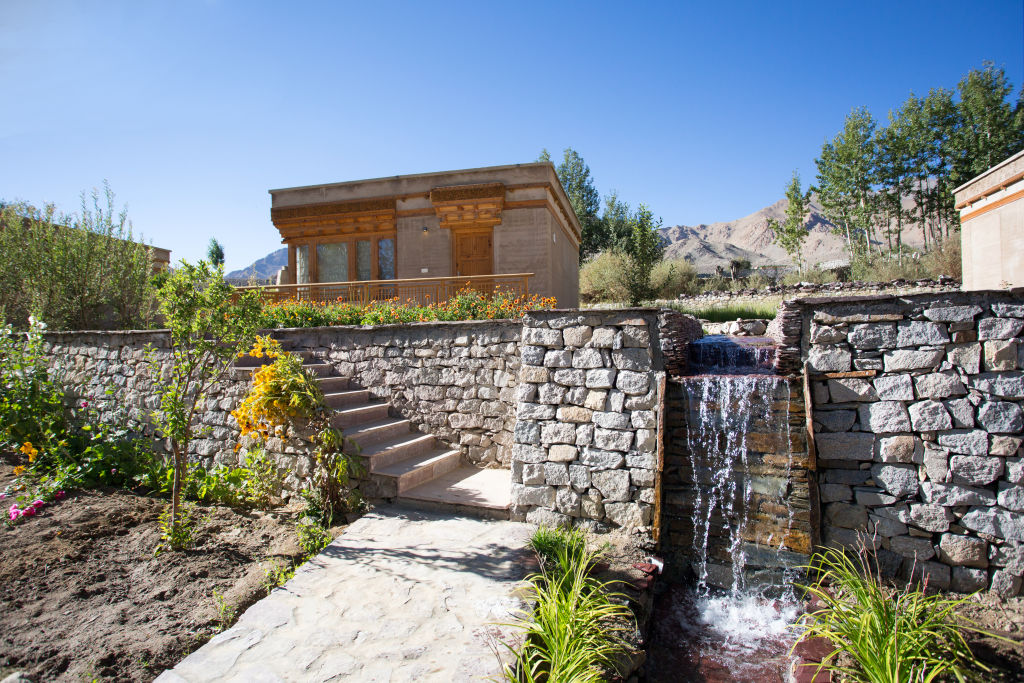
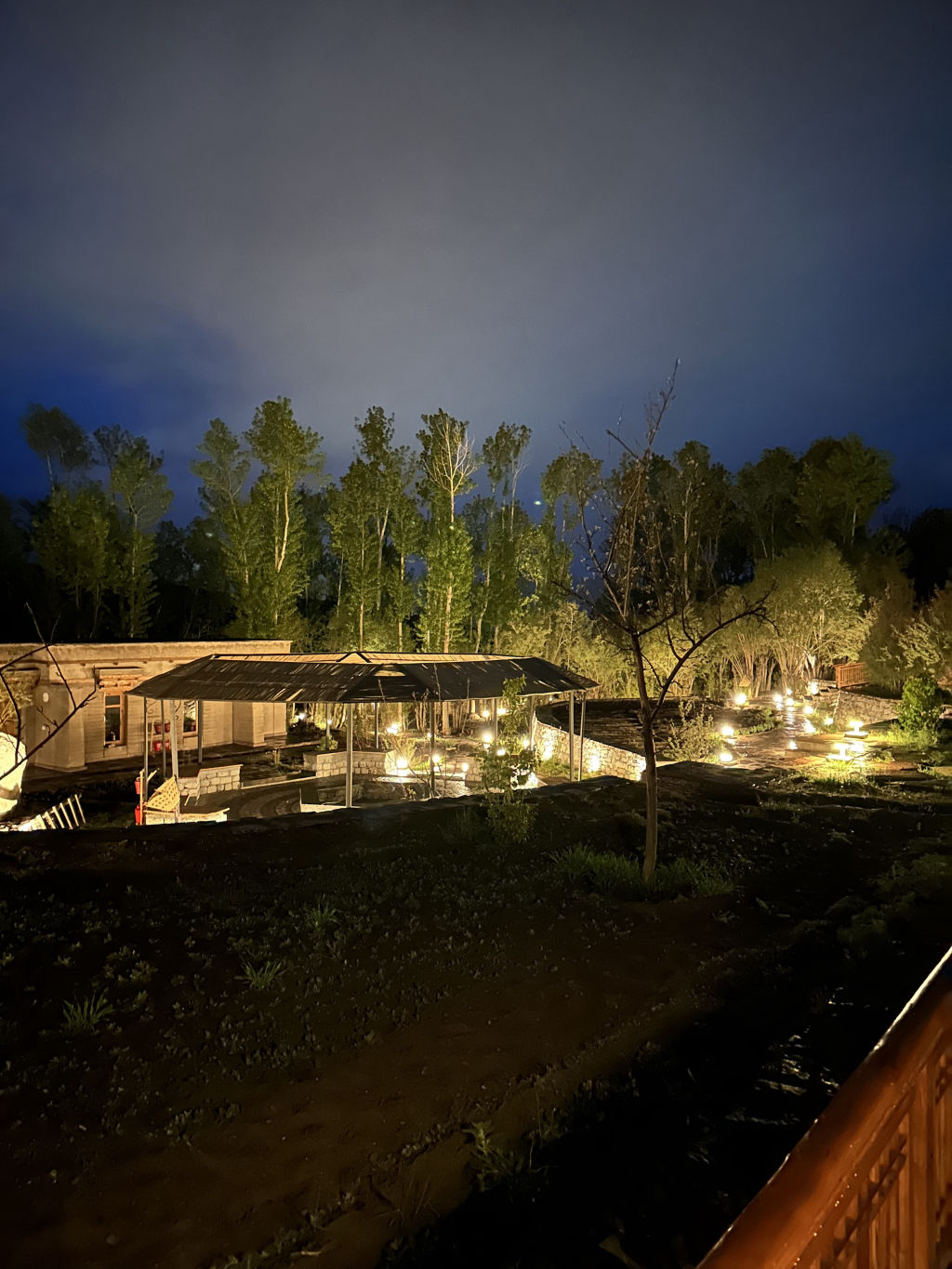
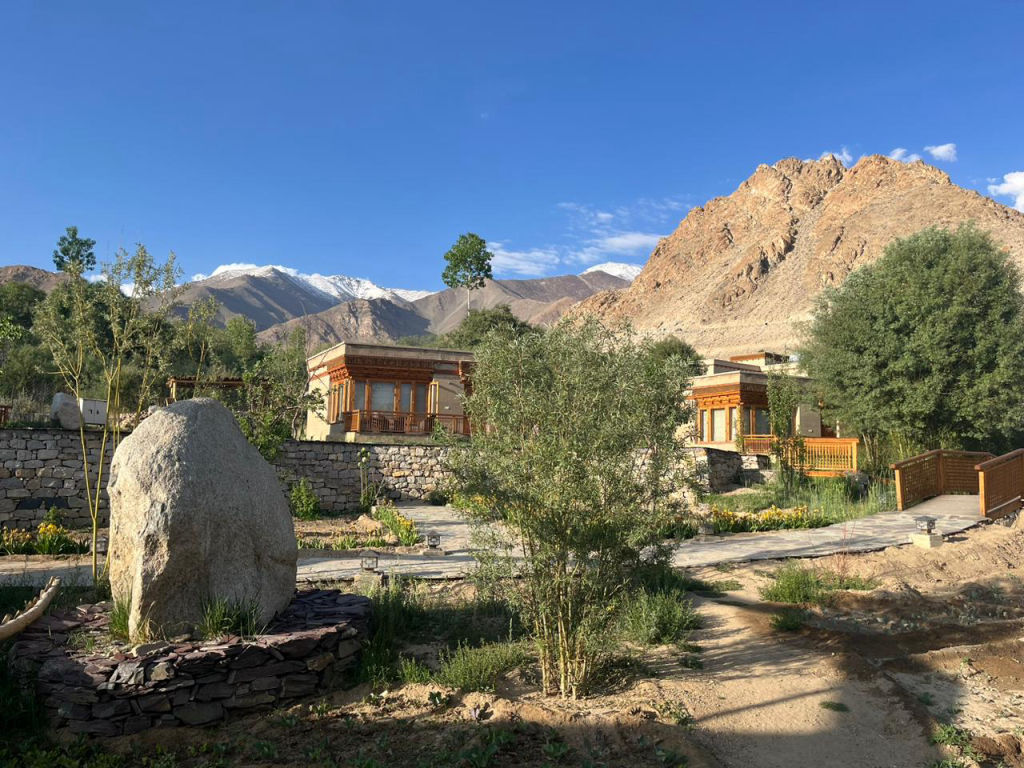
A range of pleasant accommodation options can be found in the villages surrounding Thiksey Monastery, in Choglamsar, and throughout the broader Leh valley. Staying near the monastery lets you experience tranquil village mornings, traditional Ladakhi stone-and-wood architecture, and views of prayer flags fluttering against mountain skies.
Whether you prefer rustic riverside camps, peaceful heritage homestays with local families, or cozy guesthouses, you can discover and reserve stays near Thiksey Monastery on HireACamp. Booking in advance is recommended during the peak summer touring window.
Frequently asked questions
What is Thiksey Monastery famous for?
Thiksey Monastery is famous for its twelve-story hillside architecture resembling the Potala Palace and its monumental two-story statue of the Maitreya Buddha inside a peaceful shrine hall.
Where is Thiksey Monastery located?
Thiksey Monastery is located in the Leh sub-district of Ladakh, India, just a short drive past the town of Choglamsar along the Indus River valley.
Can tourists attend the morning prayer at Thiksey Monastery?
Yes, visitors are permitted to quietly observe the morning prayer rituals in the main assembly hall. It is recommended to arrive early, dress respectfully, and remain silent throughout the chanting.
What should I wear when visiting Thiksey Monastery?
Wear comfortable walking shoes suitable for stone stairs, and dress modestly by keeping your shoulders and knees covered out of respect for monastic customs. Sun protection such as a hat and sunglasses is also advisable.
How much time is needed to explore Thiksey Monastery?
Most visitors spend between two to three hours exploring the various shrines, climbing to the rooftop viewpoints, admiring the Maitreya Buddha, and soaking in the tranquil surroundings.
Where you'll be
Leh Sub-District · 3 stays nearby shown with prices
Stays near Thiksey monastery
Book a place to stay close by
More places near Thiksey monastery
Within 20 km
Built from 0 Instagram posts by 0 creators. Every tip links back to the post it came from, and where creators disagree we show both sides.






