
Shey Palace
Palace near Shey, Ladakh
1.1 km from Shey
The nearest town, for stays, food and fuel.
Shey Palace is an ancient royal complex and monastery perched on a rocky ridge in the upper Indus Valley of Ladakh, near Choglamsar. Once the summer retreat of the Ladakhi kings, it is renowned for its commanding valley views and its monumental gilded statue of Shakyamuni Buddha. Travellers visit to explore centuries-old royal architecture and experience a serene chapter of Himalayan history.
Getting there
By road
- From SheyNearest town6 min · 1.8 km
Typical drive times without traffic. Stations and airports from OLA Maps; distances and typical drive times from OpenStreetMap (© OpenStreetMap contributors); notes from creators' Reels.
About Shey Palace
Written with AI from map data and general knowledge. Check prices and timings locally before you go.
History and significance of Shey Palace
Shey Palace stands as an enduring emblem of the old Ladakhi kingdom. Long before Leh became the principal royal seat, Shey served as the capital and political heart of the upper Indus Valley. The palace complex that stands today was largely commissioned around the mid-seventeenth century by King Deldan Namgyal in memory of his father, King Singge Namgyal. The craggy hilltop had served as a defensive stronghold for centuries prior, and the weathered remnants of older fort walls still crown the rocky ridge above.
For generations, the rulers of the Namgyal dynasty used Shey as a summer residence, retreating from the drier administrative hub of Leh to enjoy the cooler, greener pastures along the river basin. The palace was not merely an aristocratic home; it served as a spiritual haven and a fortified watchpost along ancient trade trails. Today, while the royal family no longer lives on site and portions of the upper fortress have succumbed to time, the consecrated shrine within the palace complex remains deeply revered by local Buddhist communities and resident monks.
Architecture and the Shakyamuni Buddha statue
The architecture of Shey Palace showcases classic Ladakhi and Tibetan building methods, relying on thick mud-brick walls, native stone foundations, and heavy timber framing that anchors directly into the mountain rock. The multi-tiered structure climbs the uneven slope, appearing as an organic extension of the crag itself. Narrow stone corridors, earthen stairways, and wood-framed balconies give the complex an authentic, weathered character that reflects the ingenuity needed to construct lasting monuments in high-altitude environments.
The defining feature of the palace is its inner temple chapel, which enshrines a colossal seated statue of Shakyamuni Buddha. Crafted from hammered copper plates and coated with pure gold, the effigy rises across three levels of the shrine room. Commissioned during King Deldan Namgyal's reign, it remains one of the most remarkable gilded statues in the Ladakh region. The walls enclosing the sacred figure feature traditional murals depicting arhats, protective deities, and scenes from Buddhist scripture, illuminated softly by the warm glow of butter lamps.
Read more
The landscape and surroundings of Shey
The landscape surrounding Shey Palace provides a striking visual contrast between dry high-altitude desert and fertile farmland. Perched on its rocky outcrop, the palace provides panoramic vistas across the Indus River basin, with the rugged Ladakh Range rising to the north and the snow-crested peaks of the Stok Range dominating the southern horizon. Below the complex, the village of Shey unfolds into an orderly grid of barley fields, willow groves, and slender poplars that turn brilliant gold as autumn approaches.
Near the foot of the hill sits a sweeping field of whitewashed chortens, or stupas, containing some of the oldest and largest memorial structures in the region. Natural springs and marshy streams wind through the valley floor beneath the palace, creating pockets of wetland that draw local birdlife. Standing on the upper terraces of the palace, visitors can easily appreciate why Ladakhi royalty selected this vantage point for its defensive outlook and peaceful natural setting.
Best time to visit Shey Palace
Because Ladakh is subject to extreme seasonal shifts, planning around the local climate is essential. The summer months, spanning from late May through September, represent the most comfortable window for a visit. During this period, daytime temperatures are mild, skies are mostly clear, and the high-altitude highways leading into Ladakh are open to vehicular traffic. The valley below is lush and green, creating the most photogenic conditions for sightseeing.
By October, daytime temperatures turn brisk and night-time frosts set in, though the golden autumn foliage along the Indus makes it an attractive month for landscape lovers. Winter, lasting from November to April, brings sub-zero temperatures and frozen water sources. While the palace shrine remains accessible to hardy travellers visiting during the colder months, local facilities operate on a reduced scale and stone steps can be slippery with ice. For standard holiday travel, the warmer summer period is recommended.
How to reach Shey Palace
Shey Palace is located in the Leh Sub-District of Ladakh, situated roughly fifteen kilometres southeast of Leh along the road that leads past Choglamsar toward the upper valley. Travellers arriving by air land at Kushok Bakula Rimpochee Airport in Leh, which connects to major Indian hubs. From the airport or Leh town centre, the drive to Shey takes around thirty minutes by road under typical driving conditions.
Those travelling overland usually reach the region via the Manali-Leh or Srinagar-Leh highways during the summer travel window. From Leh or nearby Choglamsar, Shey Palace can easily be reached by local taxi, rented two-wheelers, or private transport. Public buses running toward Karu and Upshi also pass through Shey village. From the roadside parking area, a short uphill path with stone ramps and steps leads to the main entrance of the palace and monastery courtyard.
Tips for exploring the palace complex
Because Shey Palace is set at an elevation of more than 3,400 metres, altitude acclimatisation is vital. Visitors arriving in Ladakh should spend their first few days resting and drinking plenty of water before taking on the stairs and uphill walkways leading through the complex. Walking at an unhurried pace prevents shortness of breath and helps you adjust comfortably to the thin mountain air.
Wear comfortable footwear with reliable traction, as the stone stairs and outdoor rock pathways can be uneven and dusty. As the palace houses an active Buddhist temple, visitors are expected to dress respectfully by covering their shoulders and knees. You should take off your shoes before stepping into the inner shrine and always walk clockwise around sacred monuments and prayer wheels. In addition, carrying sun protection such as a broad-brimmed hat, sunglasses, and sunscreen is essential given the strong UV exposure in the high mountains.
Places to explore around Shey
The section of the Indus Valley adjacent to Shey is filled with historic and scenic destinations that can be combined into a day of exploration. A few minutes further down the valley sits Thiksey Monastery, renowned for its striking multi-tiered design modelled after Lhasa's Potala Palace. Continuing further south brings you to Hemis Monastery, hidden within a sheltered side canyon and known as the largest monastic establishment in Ladakh.
Travellers interested in exploring the broader terrain can organise journeys across high passes such as Khardung La to the north, which opens the way to the Nubra Valley, or venture southeast towards the expansive plains of Changthang. Closer to Shey, leisurely walks through village lanes and quiet streamside trails offer a peaceful perspective on traditional rural life in Ladakh away from urban traffic.
Where to stay near Shey Palace
Accommodation choices around Shey cater to diverse travel styles, from convenient town bases to peaceful rural getaways. While Leh and Choglamsar host a wide selection of urban amenities, staying within Shey village or the surrounding rural hamlets offers quiet nights, fresh mountain air, and unhindered views of the valley.
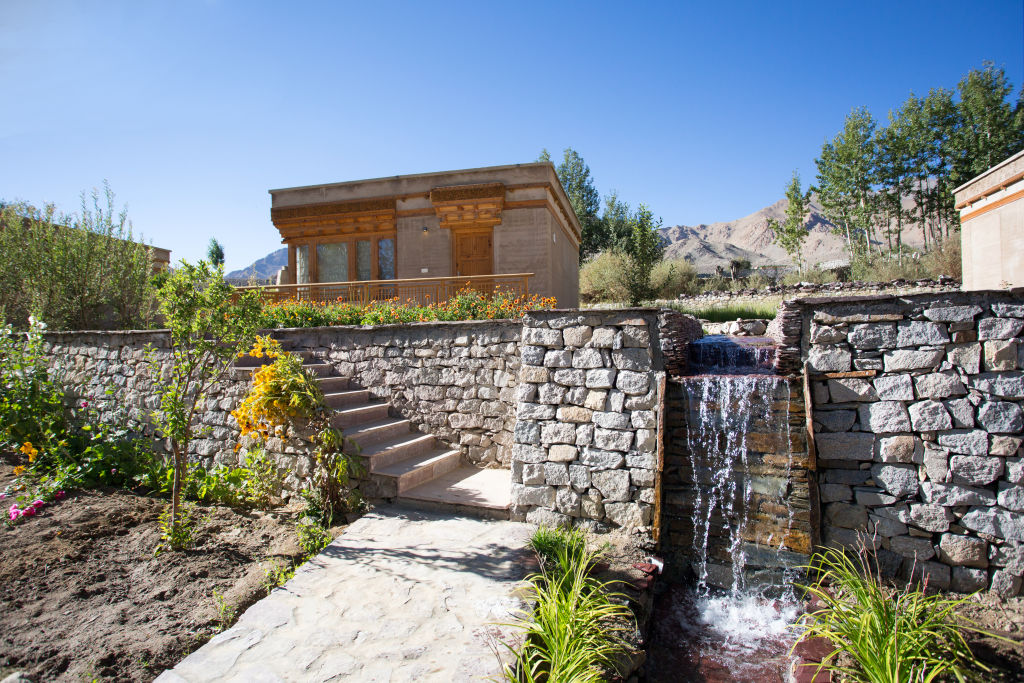
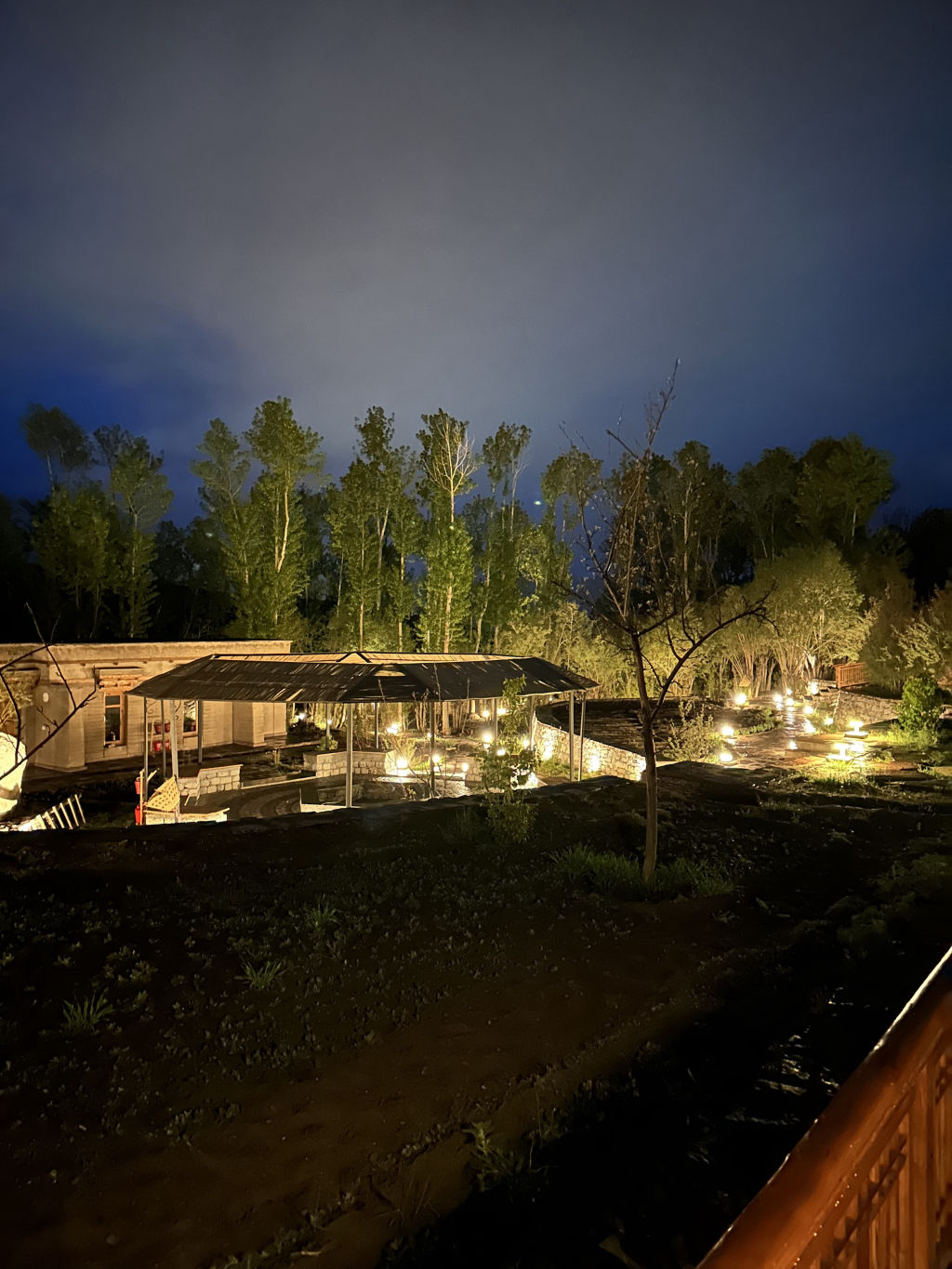
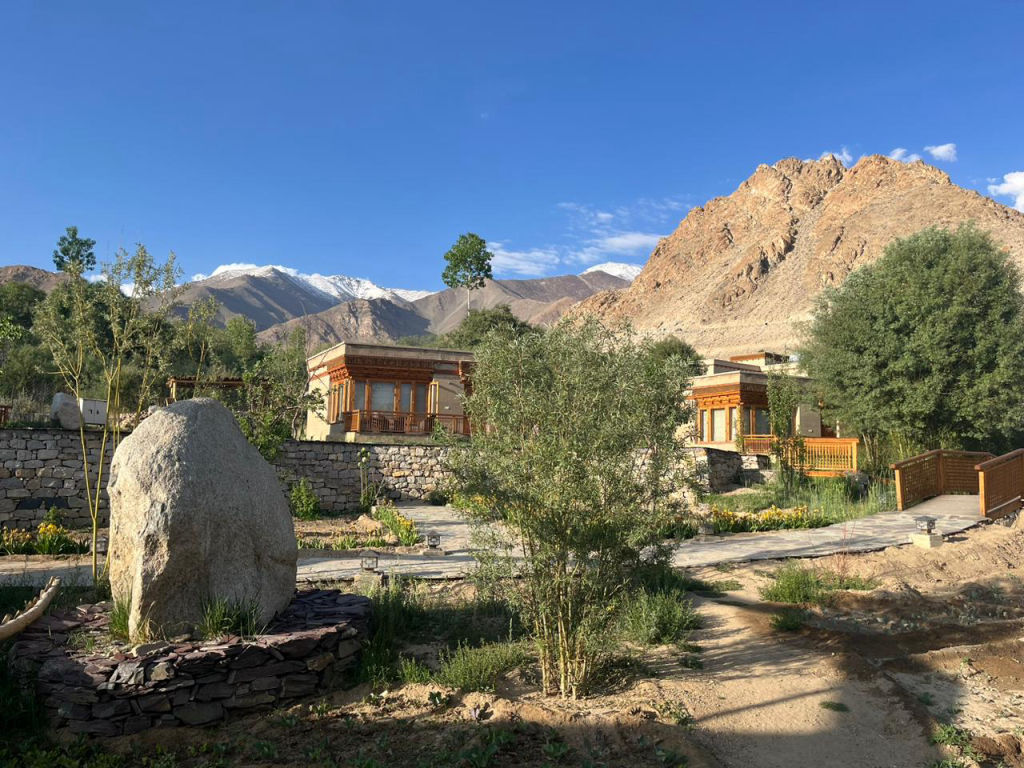
Travellers looking for authentic homestays, rural cottages, and outdoor campsites can browse options on HireACamp. Opting for a stay in the countryside near Shey allows you to experience warm Ladakhi hospitality, savour home-cooked meals prepared with regional ingredients, and enjoy early morning views of the chorten fields and willow groves without having to travel far.
Frequently asked questions
What is Shey Palace famous for?
Shey Palace is famous for having served as the historic summer capital of the Namgyal kings of Ladakh, as well as for housing a massive three-storey gilded copper statue of Shakyamuni Buddha within its monastery chapel.
How far is Shey Palace from Leh?
Shey Palace is located approximately fifteen kilometres southeast of Leh, which typically translates to a straightforward thirty-minute drive by road.
Do I need to acclimatise before visiting Shey Palace?
Yes, Shey Palace sits at a high altitude above 3,400 metres. Travellers should spend at least forty-eight hours resting in Leh or the surrounding valley before climbing the steps and paths leading up to the palace complex.
Can visitors go inside the palace and temple?
Visitors can enter the main monastery chapel to see the monumental golden Buddha statue, historic murals, and prayer rooms, as well as the open terraces overlooking the valley, though parts of the older hilltop fort above remain in ruins.
What should I wear when visiting Shey Palace?
Modest clothing that covers your shoulders and knees is recommended out of respect for the active Buddhist shrine. Sturdy walking shoes are also advisable for navigating the stone stairs and uneven paths.
Where you'll be
Leh Sub-District · 3 stays nearby shown with prices
Stays near Shey Palace
Book a place to stay close by
More places near Shey Palace
Within 20 km
Built from 0 Instagram posts by 0 creators. Every tip links back to the post it came from, and where creators disagree we show both sides.






